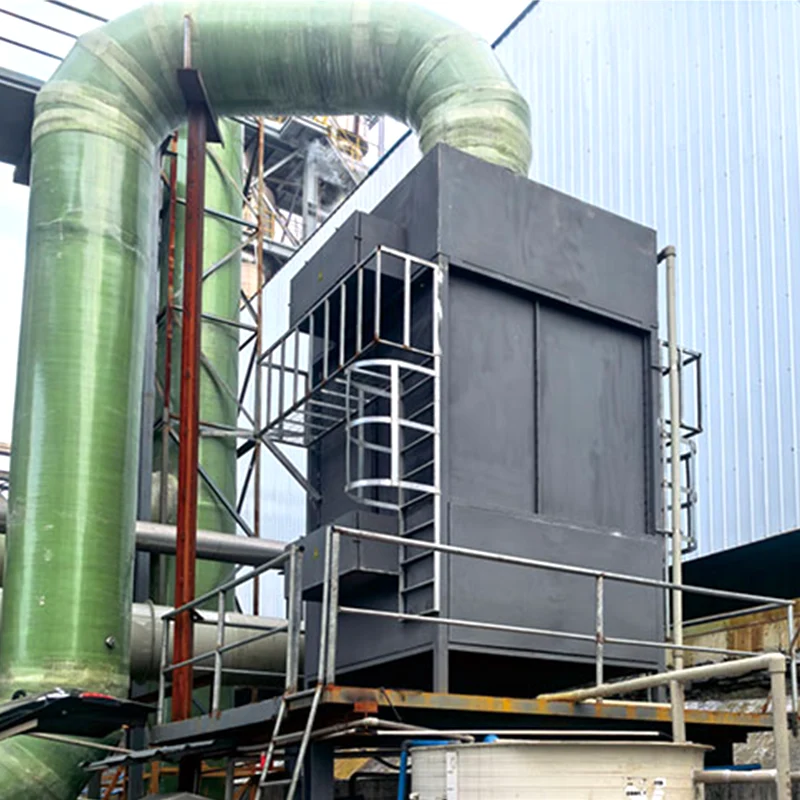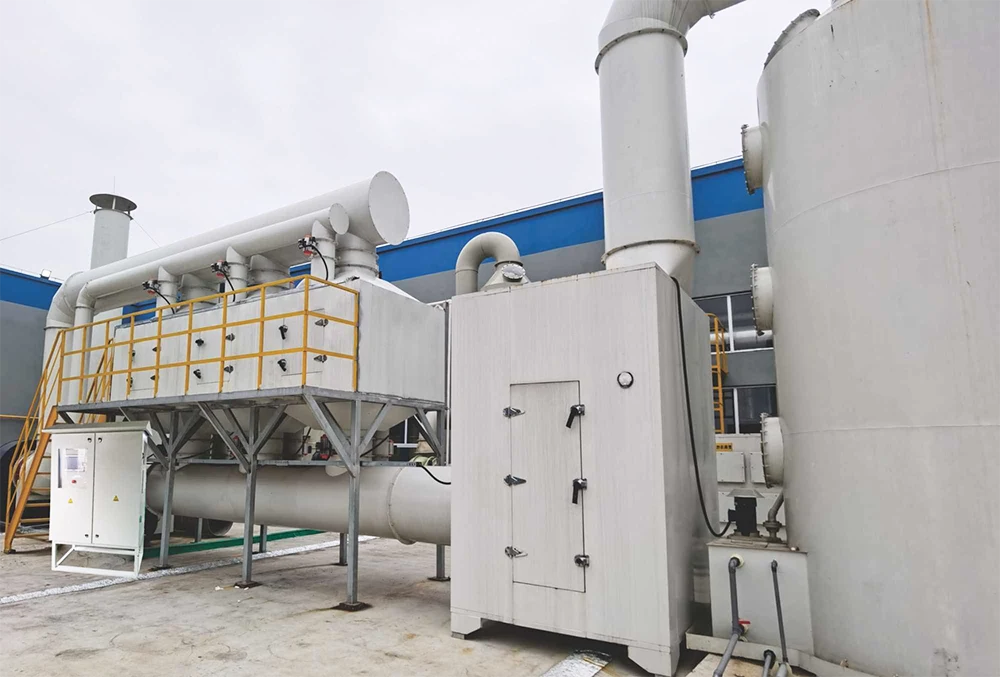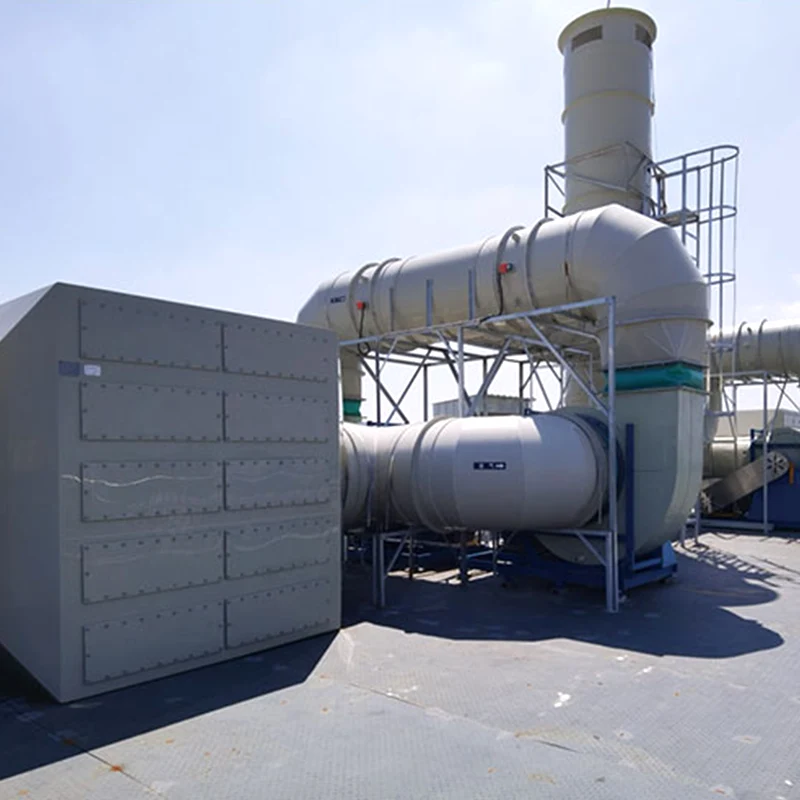
DeFa designs the Rectangular Air Volume Control Damper for precise airflow regulation in HVAC, cleanroom, industrial ventilation, and air-handling systems. With manual and motorized configurations, customizable dimensions, multiple material options, and leakage classes, it provides a practical solution for engineers and system integrators seeking dependable airflow balancing and zone control.
Article Summary: A properly selected air control damper can significantly improve airflow distribution, system balancing, operational flexibility, and maintenance efficiency. This guide explains how rectangular dampers work, where they are used, how to select materials and control methods, and which technical specifications should be considered before procurement.
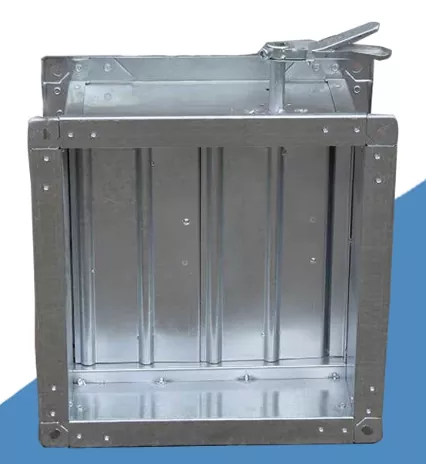
Table of Contents
- What Is a Rectangular Air Volume Control Damper?
- Why Is Airflow Control Important in HVAC Systems?
- Key Specifications and Configuration Options
- How Should You Choose the Right Material?
- Manual vs. Motorized Airflow Control
- Where Are Rectangular Dampers Commonly Used?
- Installation and Maintenance Best Practices
- Frequently Asked Questions
- How to Select the Right Damper for Your Project
What Is a Rectangular Air Volume Control Damper?
A rectangular air volume control damper is a mechanical device installed inside square or rectangular air ducts to regulate, balance, or adjust airflow. By changing the position of internal blades, the damper controls the volume of air passing through a duct section.
Unlike a simple open-or-close isolation component, an air volume control damper can be used for system balancing and zone-level airflow adjustment. This makes it valuable in applications where different rooms, production areas, or ventilation zones require different airflow rates.
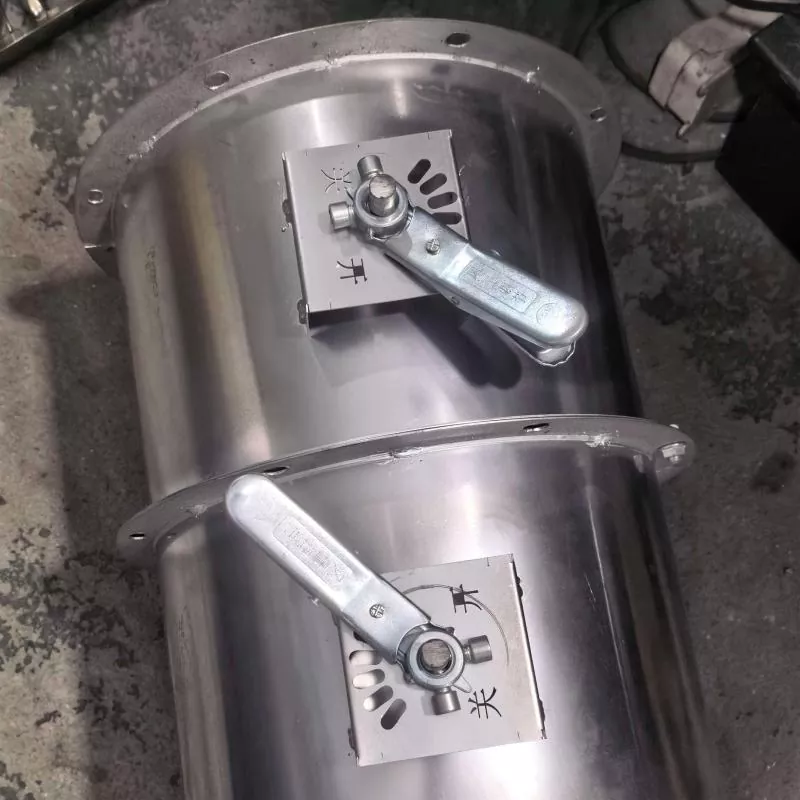
Modern designs can be configured with a manual handle, hand wheel, or electric actuator. For automated HVAC systems, modulating actuators can accept signals such as 0–10V DC or 4–20mA, allowing airflow adjustment through a building management or control system.
DeFa's standard configurations cover sizes from 100 × 100 mm to 1000 × 1000 mm, while customized rectangular dimensions can also be produced according to project requirements.
Why Is Airflow Control Important in HVAC Systems?
Airflow distribution directly affects indoor comfort, ventilation performance, pressure balance, and the operating efficiency of an air-handling system. An incorrectly balanced duct network can cause excessive airflow in one zone while leaving another zone under-ventilated.
A properly configured damper helps engineers fine-tune the system after installation and maintain the required airflow conditions during operation.
Key benefits include:
- Air balancing: Adjusts airflow between different branches of a duct network.
- Zone control: Allows individual areas to receive the required amount of conditioned or fresh air.
- Operational flexibility: Motorized configurations can respond to changing system requirements.
- Improved ventilation: Helps maintain designed airflow distribution across HVAC systems.
- System commissioning: Manual adjustment provides a straightforward method for initial airflow balancing.
- Integration with automation: Electric actuators can connect with building management and industrial control systems.
Key Specifications and Configuration Options
Choosing the correct damper requires more than matching the duct dimensions. Engineers should consider the operating environment, pressure, control method, material, leakage requirement, actuator specifications, and connection method.
| Parameter | Typical DeFa Configuration | Selection Consideration |
|---|---|---|
| Standard Size | 100 × 100 to 1000 × 1000 mm | Match duct width and height |
| Custom Size | Available within manufacturing limits | Useful for non-standard duct systems |
| Frame Material | Carbon steel, 201, 304, 316 stainless steel | Select according to corrosion and environment |
| Blade Design | Single or multi-blade | Large dimensions may require multi-blade construction |
| Control | Manual or electric | Choose according to adjustment frequency |
| Actuator Voltage | 24V AC/DC, 220V AC, or customized | Match the control system |
| Control Signal | 0–10V, 4–20mA, or three-point floating | Match automation requirements |
| Working Pressure | Up to 1000 Pa standard | Higher ratings can be discussed for special projects |
| Leakage Class | Class 1–3 | Determine based on system requirements |
| Connection | Flanged, slip-fit, or angle flange | Match existing ductwork |
These configuration options allow the damper to be adapted to different ventilation layouts rather than forcing every project to use a single standardized construction.
How Should You Choose the Right Material?
Material selection is especially important when the damper operates in humid, corrosive, chemical, marine, or food-processing environments. The correct material can improve service life and reduce maintenance requirements.
Carbon Steel
Carbon steel is an economical option for general indoor ventilation. Galvanized, painted, or powder-coated surfaces can provide additional basic corrosion protection.
201 Stainless Steel
201 stainless steel is suitable for applications with moderate humidity and relatively mild corrosion conditions, including some kitchens and general industrial exhaust systems.
304 Stainless Steel
304 stainless steel provides stronger corrosion resistance and is well suited to humid environments, coastal areas, and food-processing applications where cleanability and durability are important.
316 Stainless Steel
316 stainless steel is recommended for more aggressive environments, including chemical fume exhaust, laboratory ventilation, marine applications, and situations involving greater chloride exposure.
Manual vs. Motorized Airflow Control
The choice between manual and motorized operation depends primarily on how frequently airflow needs to change and whether the ventilation system requires automatic control.
| Feature | Manual Damper | Motorized Damper |
|---|---|---|
| Operation | Handle or hand wheel | Electric actuator |
| Best For | Fixed airflow balancing | Dynamic airflow adjustment |
| Automation | Limited | Compatible with control systems |
| Adjustment | Manual | Automatic or remote |
| Typical Use | Commissioning and stable systems | HVAC automation and variable airflow systems |
Manual models are often sufficient when airflow is adjusted during commissioning and remains relatively stable. Motorized models become more valuable when sensors, schedules, pressure requirements, or a building management system must continuously influence airflow.
Where Are Rectangular Dampers Commonly Used?
Rectangular duct dampers are used across commercial, industrial, and specialized ventilation environments. Their configurable dimensions and materials make them suitable for a broad range of duct systems.
- Commercial HVAC and air-conditioning systems
- Industrial ventilation systems
- Cleanrooms and controlled environments
- Factory ventilation and exhaust systems
- Food-processing facilities
- Laboratory ventilation
- Kitchen exhaust systems
- Marine and coastal ventilation
- Air-handling units and duct networks
For more specialized environmental-control projects, a ventilation control damper or other customized airflow solution may be more appropriate depending on whether the primary requirement is regulation, isolation, fire protection, or smoke control.
Installation and Maintenance Best Practices
Even a well-engineered damper can perform poorly if it is installed incorrectly. Proper installation should focus on airflow conditions, mechanical alignment, accessibility, and sealing.
Installation Checklist
- Confirm the damper dimensions match the duct opening before installation.
- Install the unit in a suitable straight duct section whenever possible.
- Provide sufficient access for manual handles and actuator maintenance.
- Check actuator rotation direction before completing electrical connections.
- For flanged designs, tighten fasteners evenly to reduce frame distortion.
- Use appropriate flexible connections where duct vibration may transfer to the damper.
- Verify blade movement and position indication after installation.
Routine Maintenance
Maintenance should include checking blade movement, cleaning dust or deposits from sealing surfaces, inspecting bearings and fasteners, and testing actuator operation. Motorized models should receive a full-stroke test periodically to verify that the actuator and damper move correctly throughout their operating range.
Regular inspection is particularly important in dusty industrial environments, corrosive exhaust applications, and systems that operate continuously.
Frequently Asked Questions
Can custom rectangular damper sizes be manufactured?
Yes. DeFa supports customized rectangular dimensions within its manufacturing capabilities. Buyers should provide the required width, height, material, connection type, and control requirements so the configuration can be evaluated accurately.
Should I choose a manual or motorized damper?
Choose a manual version when airflow is adjusted infrequently, such as during commissioning. A motorized version is more suitable when airflow must change automatically according to sensors, schedules, pressure conditions, or building management system commands.
What material is suitable for humid environments?
304 stainless steel is generally a suitable choice for humid, coastal, and food-processing environments. For aggressive chemical or chloride-rich conditions, 316 stainless steel may provide better corrosion resistance.
What information should be included when requesting a quotation?
Provide the duct width and height, required material, manual or motorized control, actuator voltage, control signal, connection type, and leakage-class requirement. A technical drawing can also help when the project involves non-standard dimensions.
Are motorized dampers compatible with automated HVAC systems?
Yes. Suitable electric actuators can support control signals such as 0–10V DC, 4–20mA, or three-point floating control, depending on the selected configuration and system architecture.
Can these dampers be used outdoors?
Yes, provided the material and actuator protection are selected for the environment. For outdoor or wet locations, stainless steel construction and an actuator with suitable protection, such as IP54 or higher, can be considered.
How to Select the Right Damper for Your Project
Selecting an airflow damper should begin with the actual duct dimensions and operating conditions rather than simply choosing the most common size. Consider airflow requirements, pressure, temperature, corrosion exposure, leakage performance, blade construction, control method, actuator specifications, and installation conditions together.
With more than 20 years of experience in environmental control equipment and related technologies, DeFa provides configurable solutions covering manual and motorized operation, multiple steel options, customized dimensions, and different connection and control configurations. The company's production process also includes dimensional inspection, material traceability, and actuator function testing before shipment.
Whether you are developing a commercial HVAC system, upgrading industrial ventilation, or sourcing dampers for a customized air-control project, choosing the right configuration at the design stage can help reduce installation issues and support stable long-term operation. Contact DeFa today to discuss your required dimensions, materials, control method, and project specifications, and contact us for a tailored quotation and technical solution.