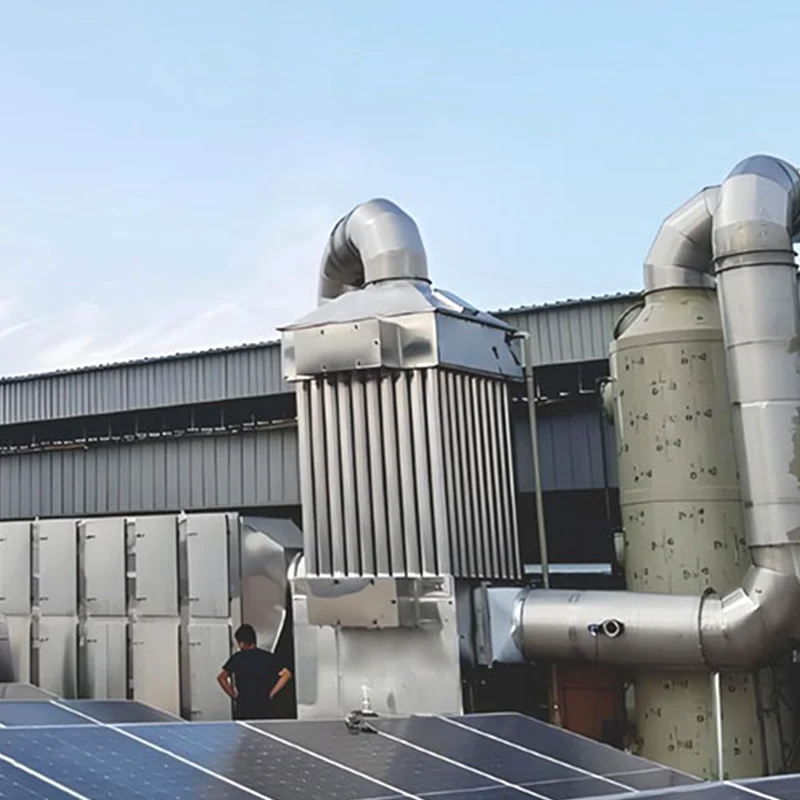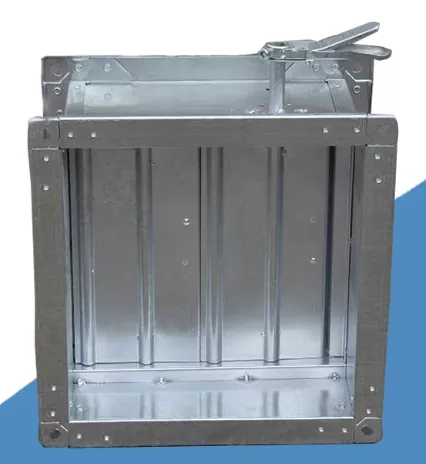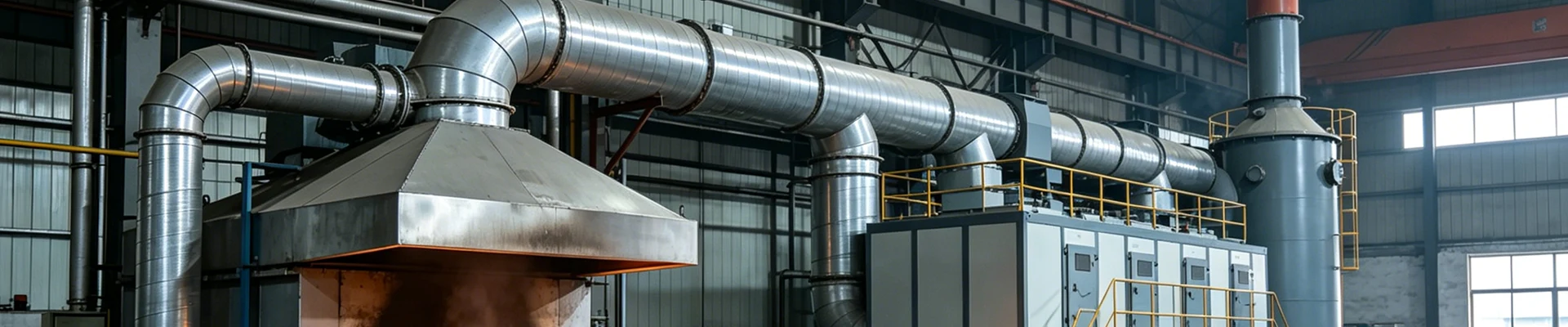
Heavy-Duty Industrial Dust Removal Equipment For Workshop Air Cleaning
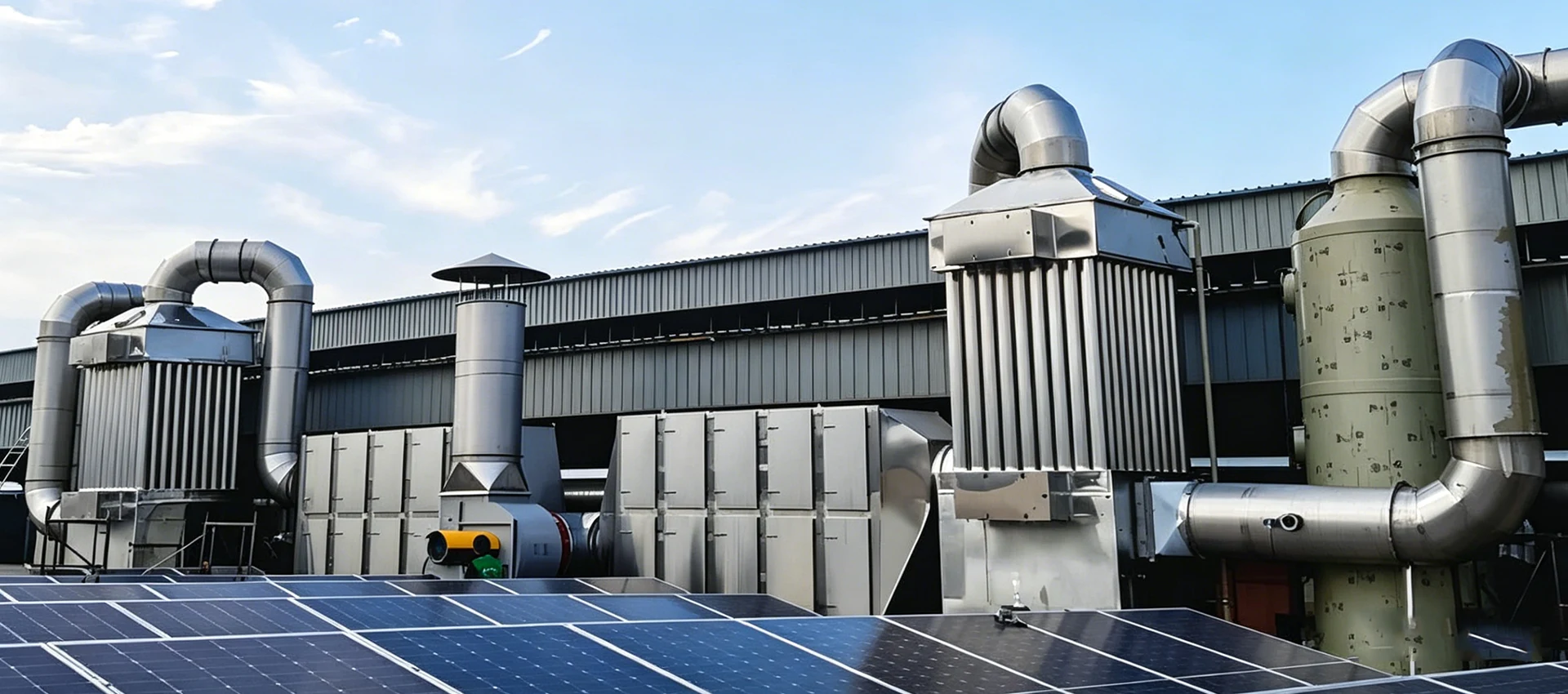
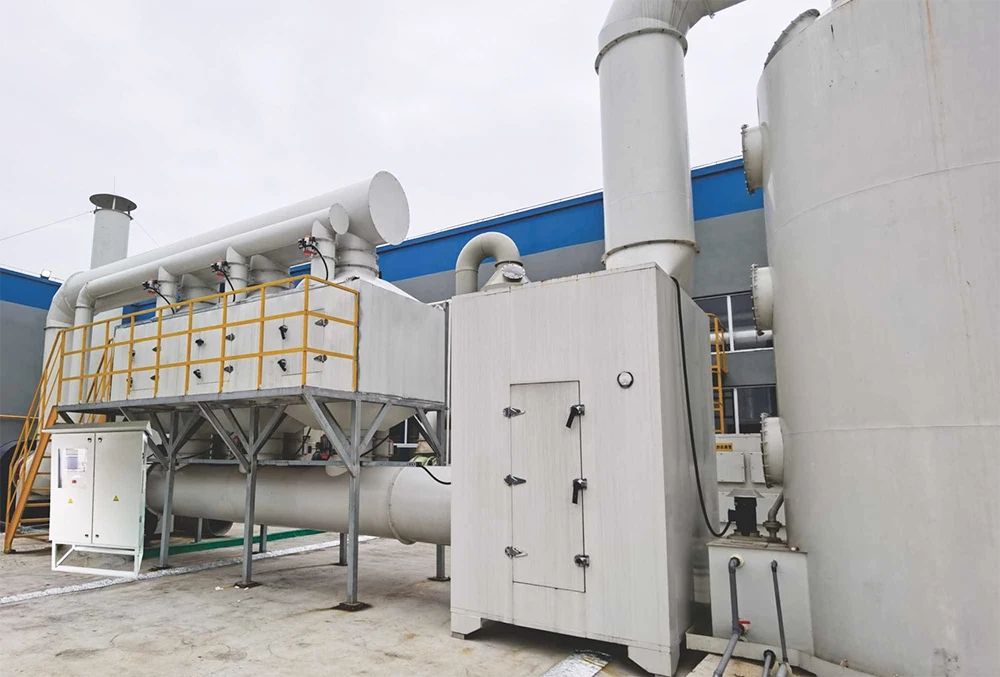
Industrial dust removal equipment is mainly used to capture dust, soot and particulate matter in production waste gas. According to dust removal principles, it is divided into four categories: mechanical dust removal, filtration dust removal, electrostatic dust removal and wet dust removal. The following explains their working principles, advantages and disadvantages, applicable working conditions and core parameters one by one.
- View as
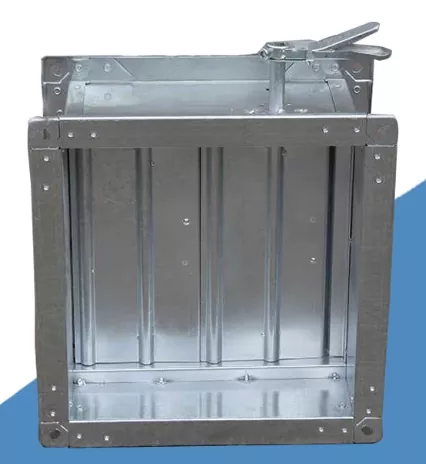
Rectangular Air Volume Control Damper
DeFa rectangular air volume control dampers regulate HVAC airflow. Manual/motorized, custom sizes 100×100–1000×1000 mm, carbon/201/304/316 steel, 0-10V/4-20mA, Class 1–3. Request a quotation with dimensions, material, control mode, voltage, signal, leakage class. Standard delivery 7–15 working days.
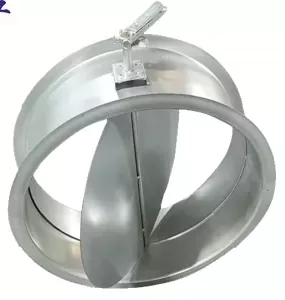
Round Air Volume Control Damper
Defa Round Air Volume Control Damper regulates and balances airflow in circular HVAC, ventilation, and process air ducts. Available in manual and motorized versions from Φ100 to Φ2000 mm, it supports custom materials, actuators, control signals, and connection types for reliable airflow control and zone regulation.
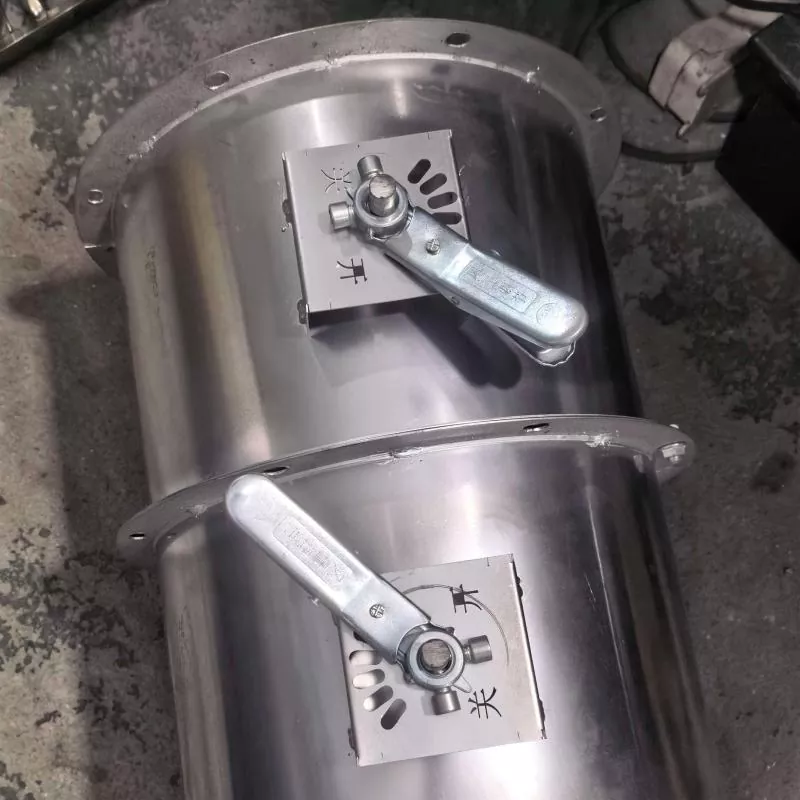
Ventilation Control Damper
DeFa Ventilation Control Damper regulates, isolates, and shuts off airflow in HVAC, industrial ventilation, cleanrooms, and transport systems. Available as motorized, pneumatic, manual, or fire/smoke damper configurations, it supports custom sizes, materials, actuators, control signals, and leakage classes for project-specific air control.
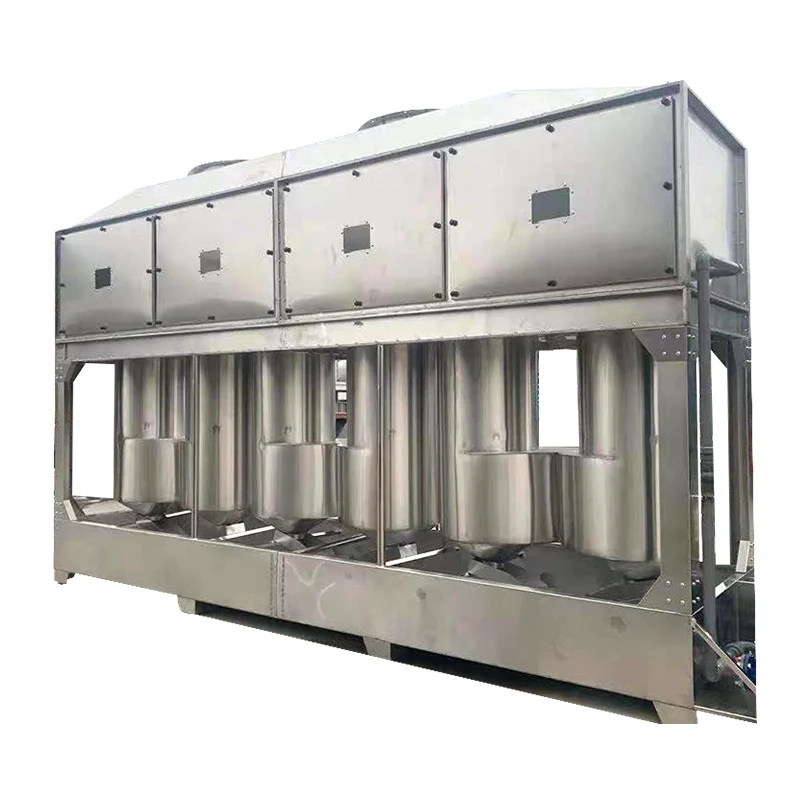
Cyclone Hybrid Spray Tower
Defaee excels in industrial wet waste gas treatment solutions with packing-free anti-clogging design and stable long-term operation. As a professional manufacturer and supplier, it provides the Cyclone Hybrid Spray Tower. It achieves over 95% acid-base gas purification efficiency, handles complex mixed waste gases, eliminates white smoke, and helps various industrial enterprises meet strict environmental emission standards.
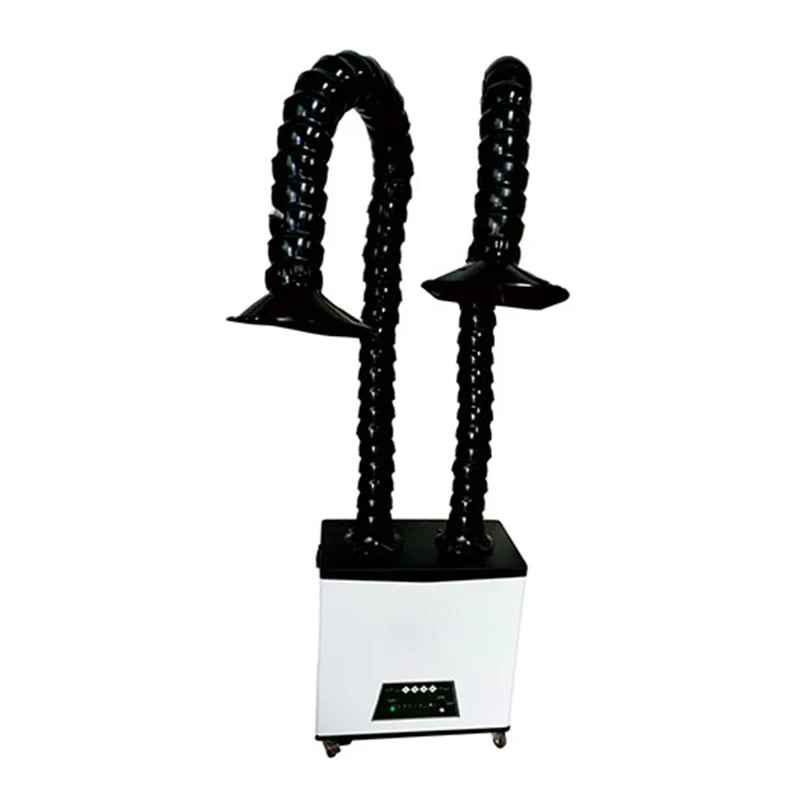
Welding Fume Purifier
Defaee delivers reliable industrial-grade quality and long-lasting performance for welding fume control solutions. As a trusted manufacturer and supplier, it provides the Welding Fume Purifier with effective source capture and multi-stage filtration. It supports all common welding techniques, has three practical designs, low maintenance needs, protects worker health and helps businesses across various industries achieve compliant emissions easily.
Cyclone Dust Collector (Mechanical Centrifugal Type)
Working Principle
After entering the cylinder, the dust-laden airflow rotates at high speed. The dust is thrown to the cylinder wall by centrifugal force, falls into the ash hopper along the wall, and the purified gas is discharged from the top.
Features
- Advantages: Simple structure, low cost, no consumables, high temperature resistance, convenient maintenance, and can be used for front-end pretreatment.
- Disadvantages: Poor purification effect on fine dust, only suitable for coarse particles above 10μm; air volume fluctuation will reduce efficiency.
Applicable Scenarios
Woodworking processing, sand and gravel crushing, grain processing, primary boiler dust removal, dust from material conveying, mostly used as front-end pretreatment equipment.
Baghouse Dust Collector (Bag Filter, Mainstream Filtration Type)
Working Principle
Dust-laden gas passes through filter bags, and dust is intercepted on the outer surface of the filter bags. Pulse jet compressed air is used regularly for dust cleaning, and the dust falls into the ash hopper for collection. It is divided into pulse bag type, air box pulse type, long bag low pressure type and other types.
Features
- Advantages: Dust removal efficiency ≥99.5%, capable of capturing 0.1μm fine dust, stable operation, and easy to control emission compliance.
- Disadvantages: Filter bags are easily worn consumables; not resistant to high temperature, high humidity and strong corrosive gas; oil mist in flue gas is easy to clog the bags.
Applicable Scenarios
Cement, metallurgy, building materials, woodworking, mechanical grinding, chemical industry, small boilers. It is the most widely used mainstream dust removal equipment in industry.
Electrostatic Precipitator (ESP)
Working Principle
A high-voltage electric field charges dust particles. The charged dust is adsorbed to the collecting plates and discharge wires under the action of electric field force, and the dust is cleaned and collected by rapping.
Features
- Advantages: Handles large air volume, low equipment resistance, high temperature resistance (up to 400℃+), long service life, low operation and maintenance cost.
- Disadvantages: High initial investment; efficiency drops significantly when dust specific resistance is abnormal; large floor area.
Applicable Scenarios
Dust removal for super-large industrial flue gas from thermal power plants, large kilns, steel sintering machines, kiln tails of large cement plants, etc.
Wet Dust Collector (Water Dust Removal)
Including spray towers, water bath dust collectors, Venturi dust collectors, etc.
Working Principle
It uses water or washing liquid to fully contact with dust-laden gas, and realizes dust separation through droplet adsorption and wetting. Some models can simultaneously remove harmful gases.