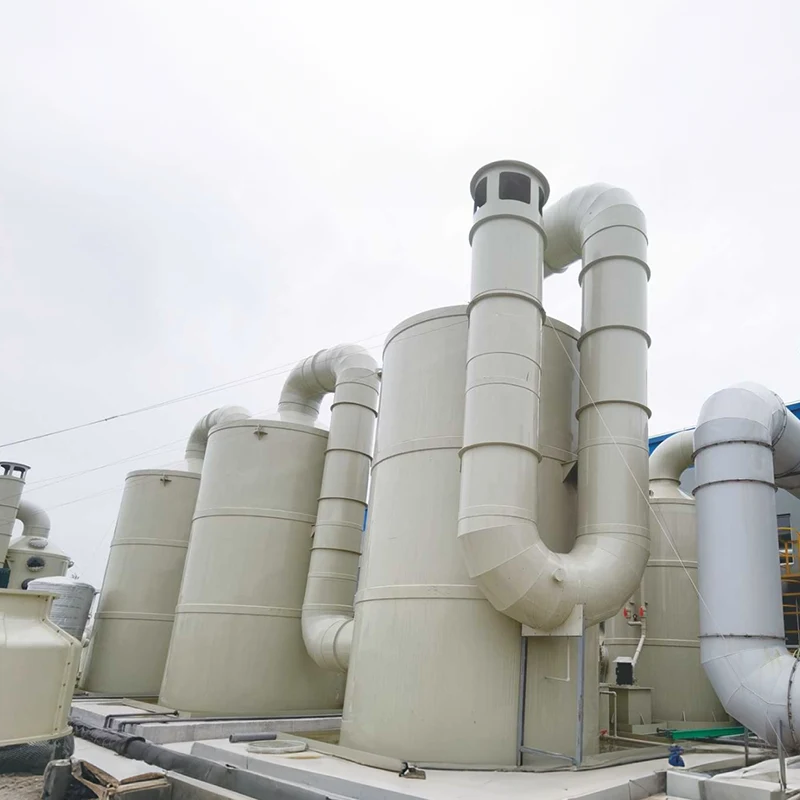
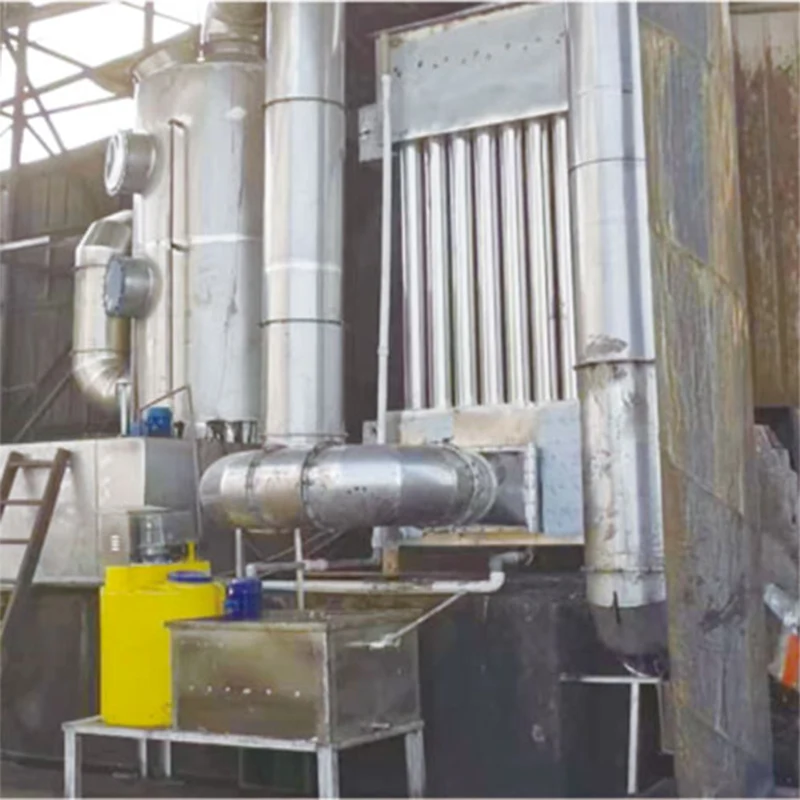
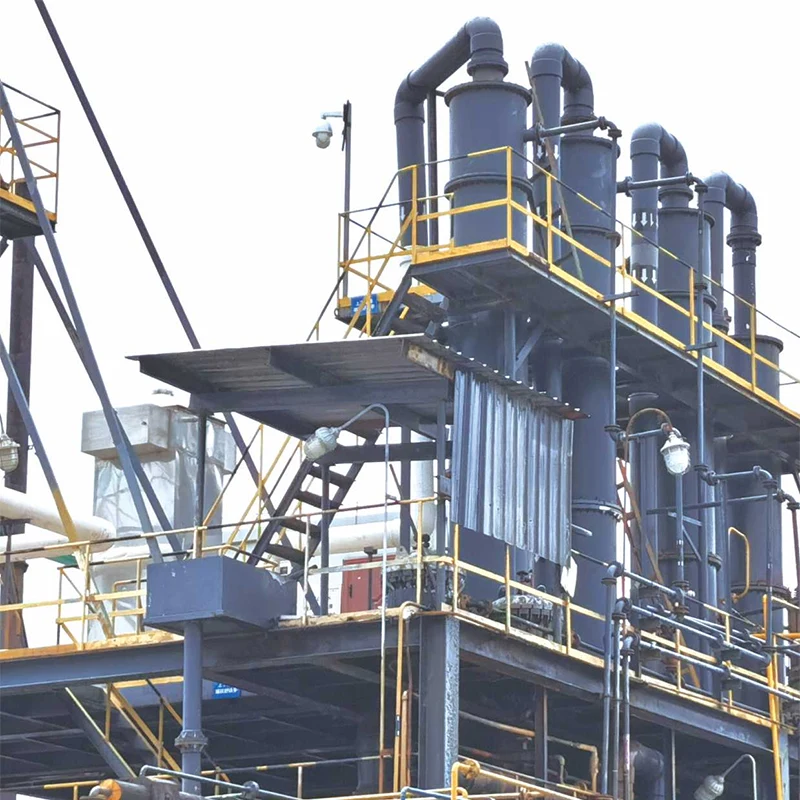
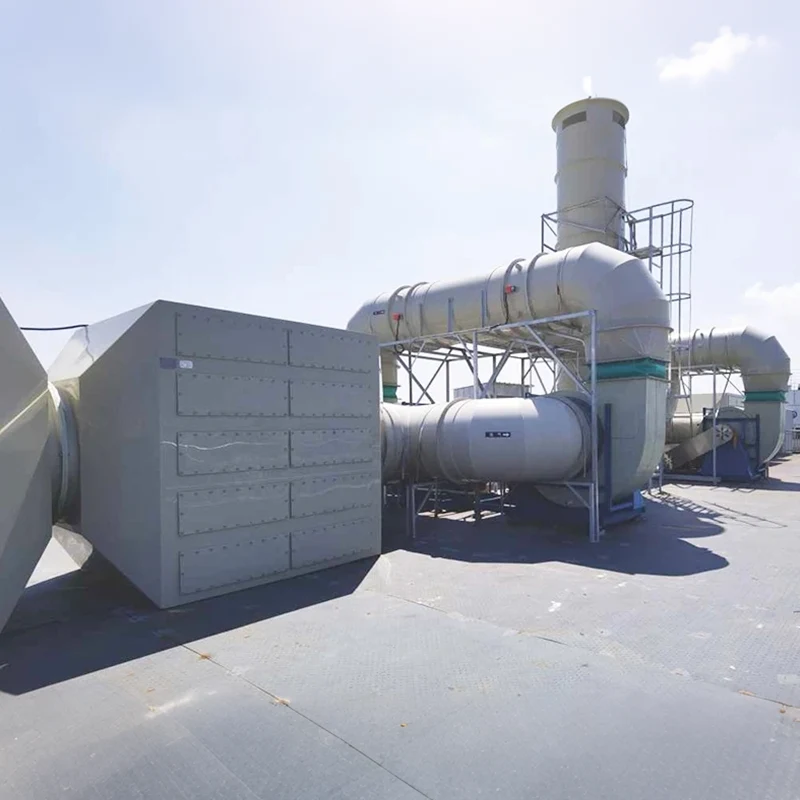
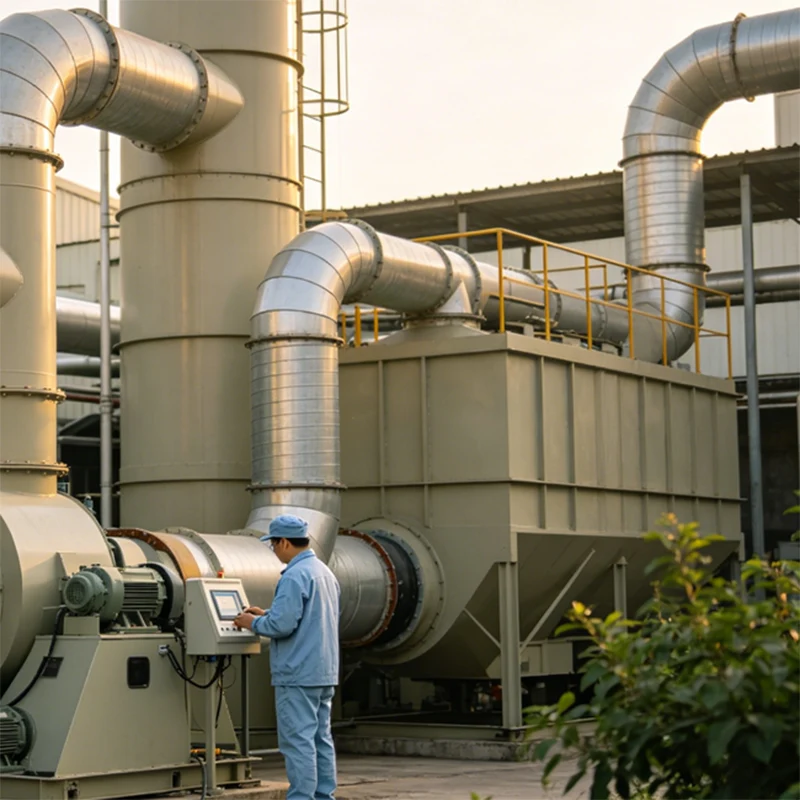
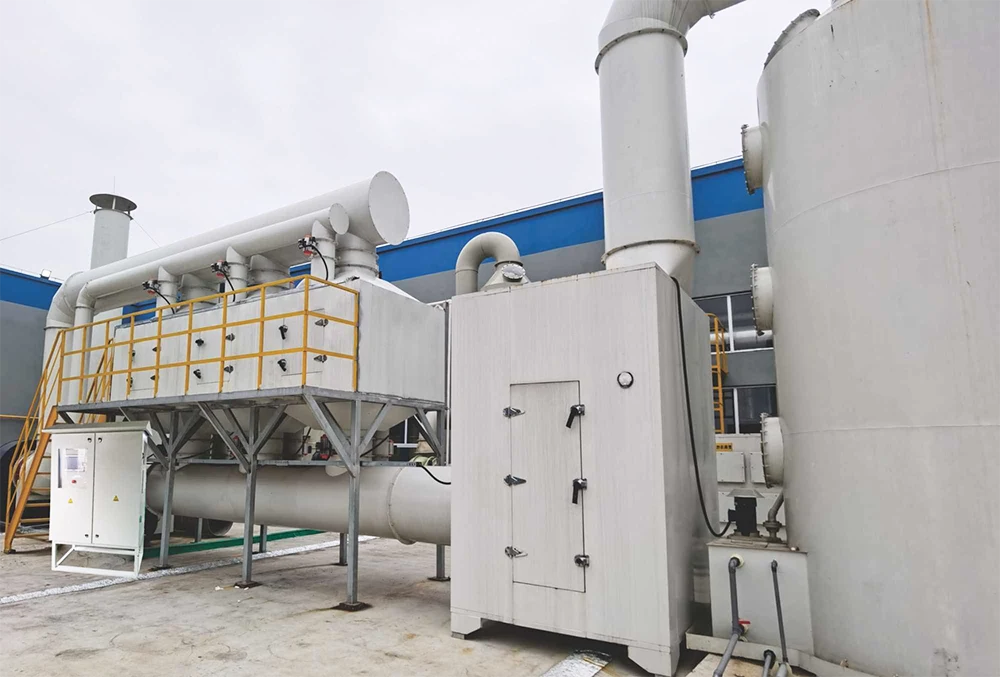
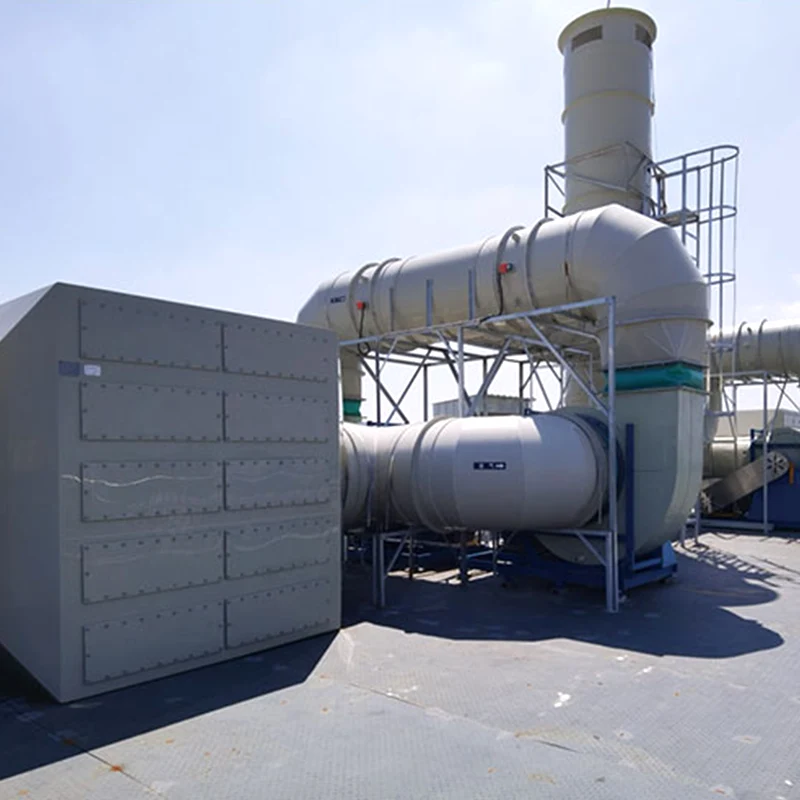
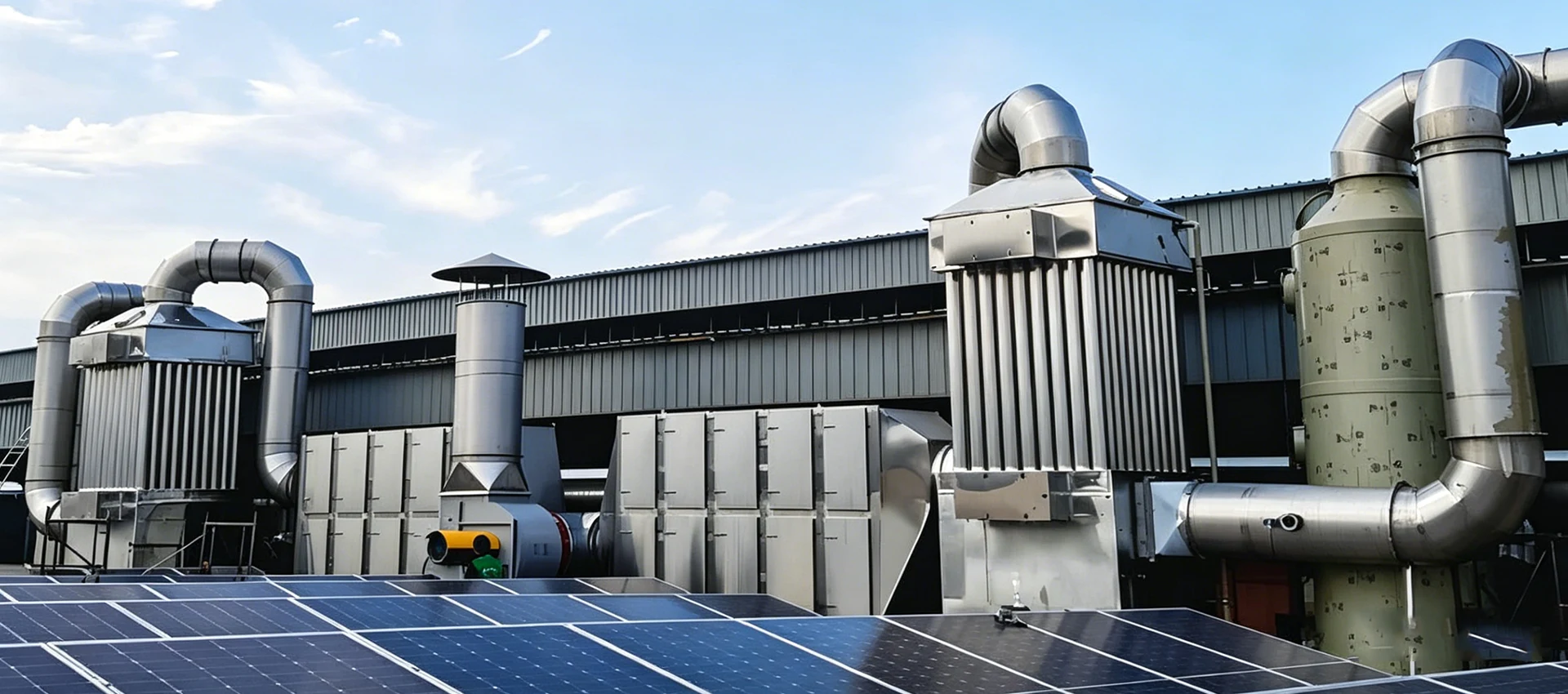
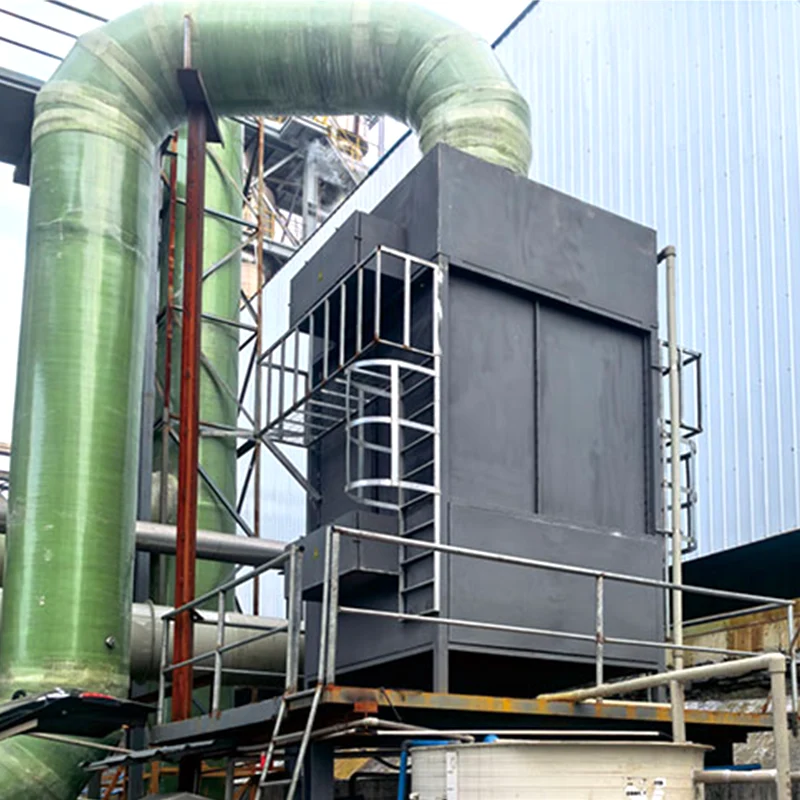
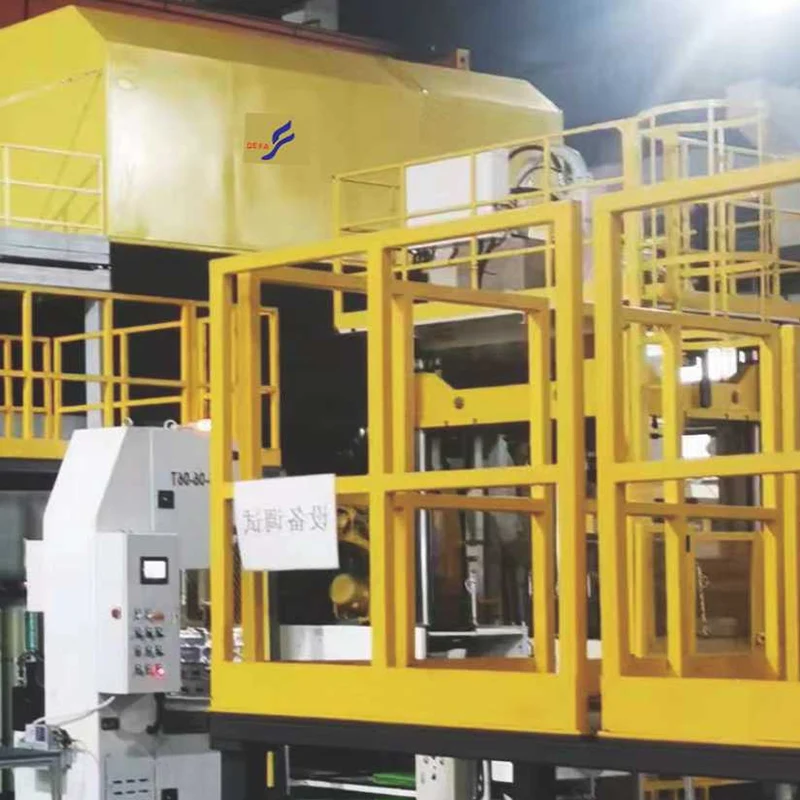
The main components of quenching process exhaust gas are oil mist, volatile organic compounds (VOCs), particulate matter, nitrogen oxides, and hydrocarbons. The treatment plan usually adopts a combination of "pretreatment+core purification+deep treatment" process.
Main components of quenching exhaust gas
Oil mist: tiny oil droplets (particle size 0.1-10 μ m) produced by the evaporation of oil when high-temperature workpieces come into contact with quenching oil.
Volatile organic compounds (VOCs): including benzene derivatives, alkanes, acrolein, benzo [a] pyrene and other toxic and harmful substances, generated by high-temperature cracking of quenching oil.
Particulate matter: containing carbon black, metal oxide dust, and tar particles, especially producing a "black smoke" phenomenon when the workpiece is immersed in oil.
Inorganic gases, such as nitrogen oxides (NOx), sulfur oxides (SOx), etc., originate from fuel combustion or high-temperature reactions.
Water vapor and high temperature humidity: Water quenching or humid environment can cause high humidity in exhaust gas, affecting the operation of treatment equipment.
Typical waste gas treatment plan process
1. Exhaust gas collection system
Adopting a closed gas collection hood and negative pressure exhaust design to ensure a capture efficiency of ≥ 90%.
Equipped with automatic lifting doors or flexible enclosures to achieve source closure and reduce unorganized emissions.
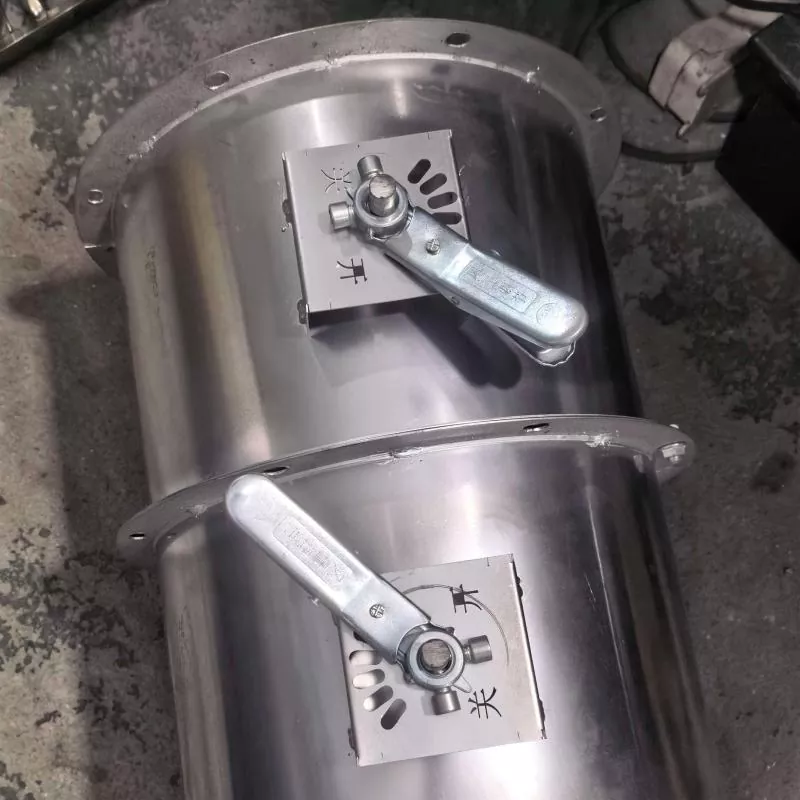
The pipeline is made of high temperature resistant and corrosion-resistant materials (such as stainless steel), and is equipped with inspection and sampling ports.
2. Preprocessing stage
Cooling and dehumidification:
Reduce the exhaust gas temperature from 200-800 ℃ to 40-60 ℃ through spray towers or heat exchangers to prevent damage to subsequent equipment.
Rough filtration/oil removal:
Use a cyclone separator or metal filter to remove large oil droplets (>5 μ m).
Wet scrubbers or electrostatic degreasers further remove oil mist and viscous tar.
Safety protection:
Install spark arresters, flame arresters, and CO/temperature linkage cut-off systems to prevent the risk of combustion and explosion.
High voltage electrostatic fume purification (ESP): suitable for oil mist and fine particulate matter, with a removal efficiency of ≥ 95%, suitable for 0.1-10 μ m particles, strong anti short circuit ability;
Activated carbon adsorption: suitable for VOCs and odorous gases, with a removal efficiency of ≥ 90%, suitable for low concentration organic waste gas, requiring regular desorption and regeneration;
Catalytic combustion (RCO/CO): suitable for high concentration VOCs, removal efficiency>99%, oxidation to CO ₂ and H ₂ O at low temperatures of 200-400 ℃, energy-saving and efficient;
Condensation recovery: suitable for high concentration oil and gas, realizing oil reuse and reducing operating costs
Photocatalytic oxidation (UV): suitable for residual VOCs and odors, with high removal efficiency and no secondary pollution, often used for deep treatment at the end;
In practical applications, combination processes such as "electrostatic precipitator+activated carbon adsorption+catalytic combustion" or "multi-stage condensation+high-voltage electrostatic+chemical washing" are often used to cope with complex working conditions.
4. Post treatment and emission monitoring
Install online monitoring equipment to real-time detect indicators such as particulate matter, non methane total hydrocarbons, NOx, etc., to ensure compliance with the Comprehensive Emission Standards for Air Pollutants (GB 16297-1996).
The height of the exhaust chimney should meet the requirements of environmental impact assessment to achieve high-altitude diluted emissions.
We use cookies to offer you a better browsing experience, analyze site traffic and personalize content. By using this site, you agree to our use of cookies. Privacy Policy