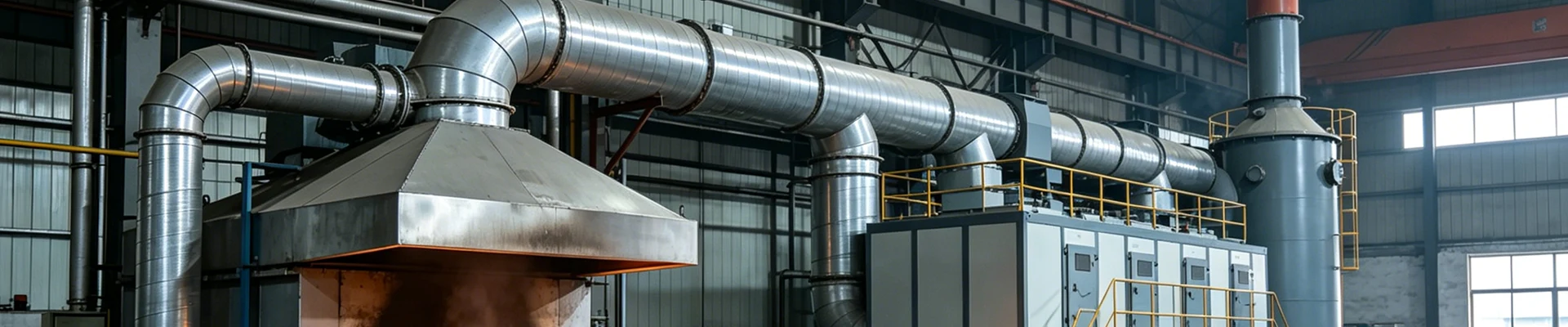
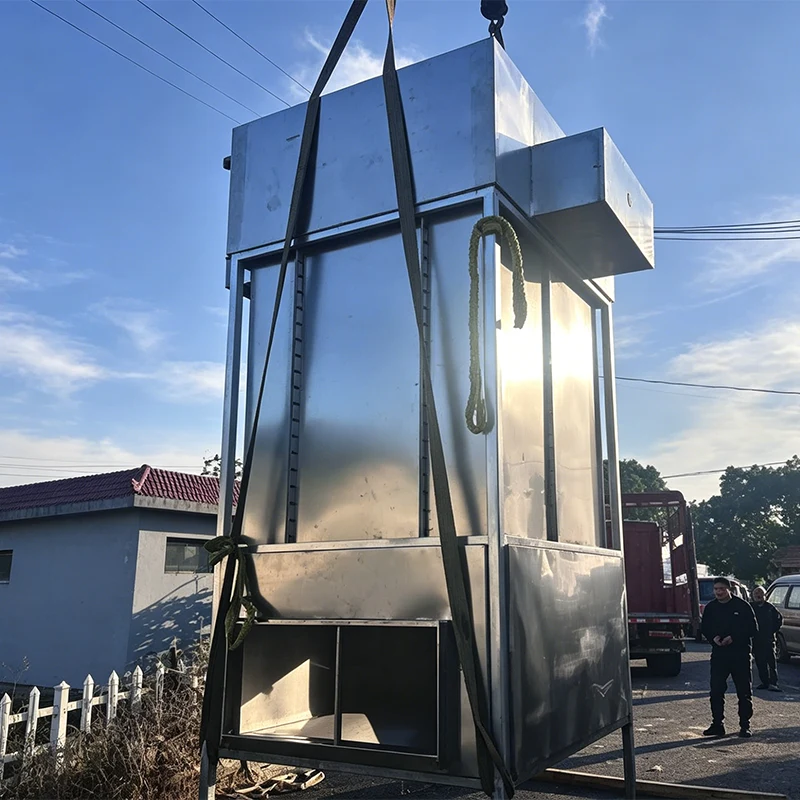
Waste Gas Treatment Equipment for Quenching Process
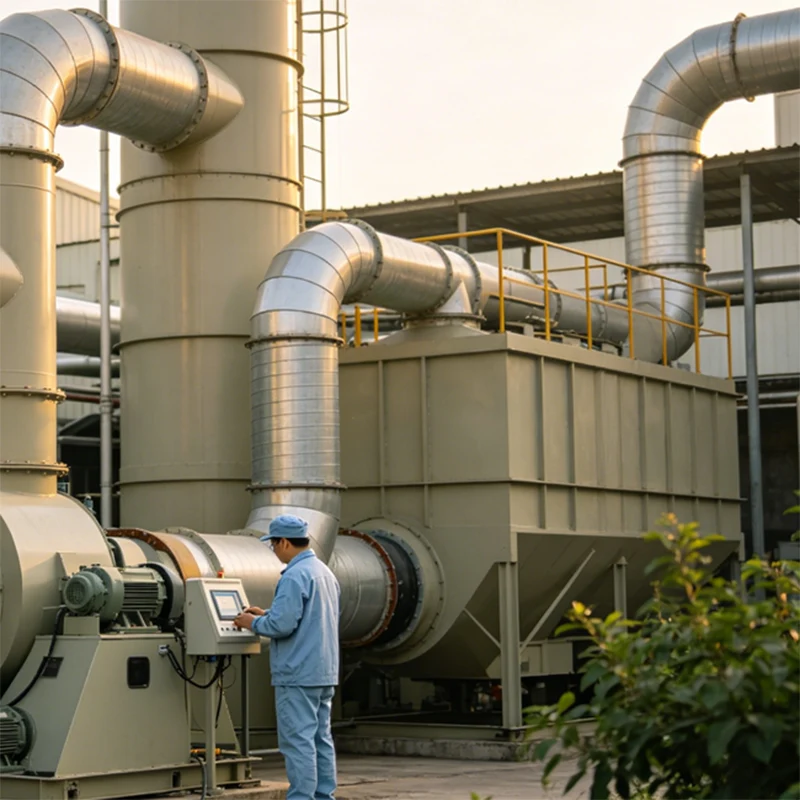
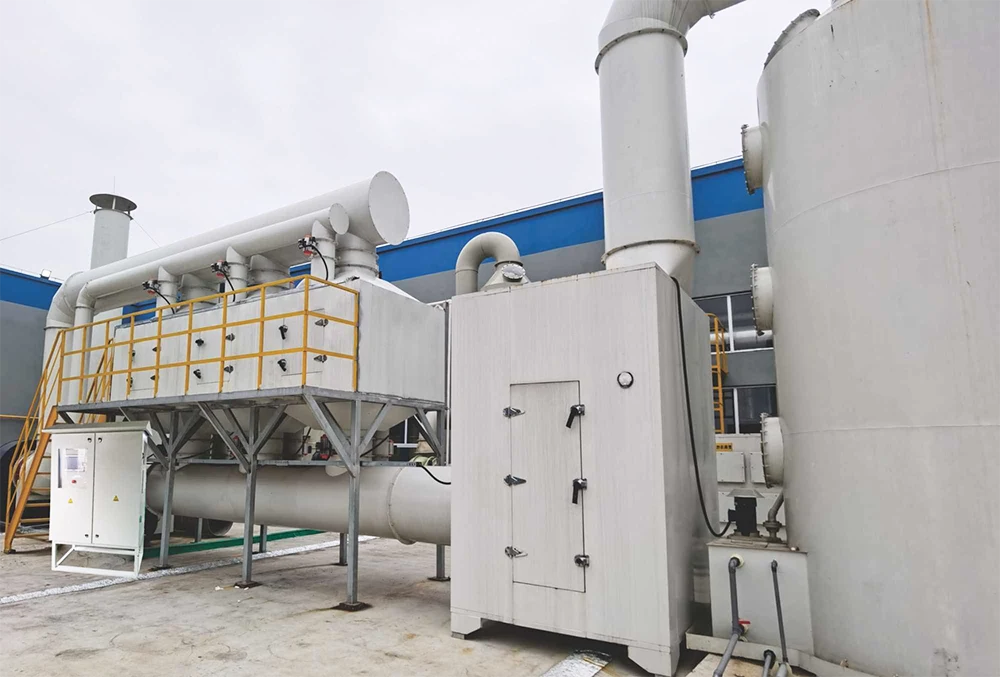
Defaee, a reliable environmental protection equipment supplier, has long focused on solving quenching waste gas emission challenges for industrial manufacture across machinery, auto parts and aerospace sectors.Its Waste Gas Treatment Equipment for Quenching Process uses a pretreatment + RTO combined design, delivers over 99% VOCs removal rate and 95%+ heat recovery efficiency, helping factories meet strict emission standards, cut energy costs and sustain stable compliant production.
Functions & Advantages Description
| Significant reduction | Great reduction & volume reduction, minimal land occupation |
| High resource utilization | Produces gas, oil and carbon for energy recovery |
| Low pollutant emission | Much lower dioxins, flue gas and odors than traditional incineration |
| Strong adaptability | Handles mixed waste with no strict sorting required for safer operation |
| Stable performance | Handles mixed waste with no strict sorting required for safer operation |
| In compliance with environmental policies | Aligns with Zero-Waste City, Dual Carbon and solid waste recycling strategies |
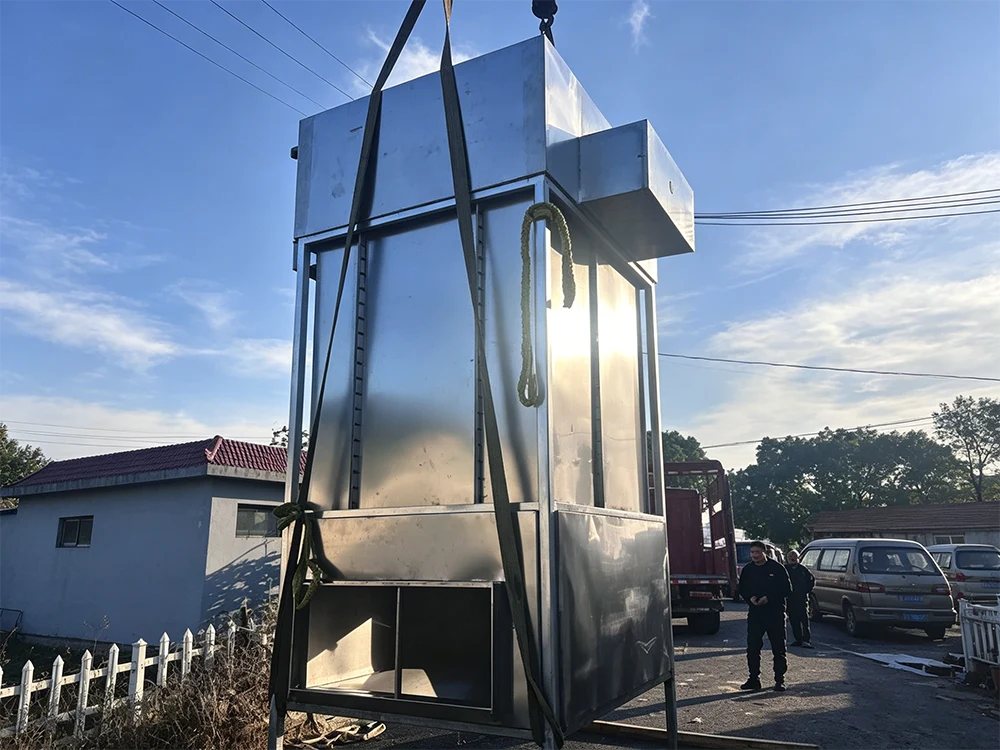
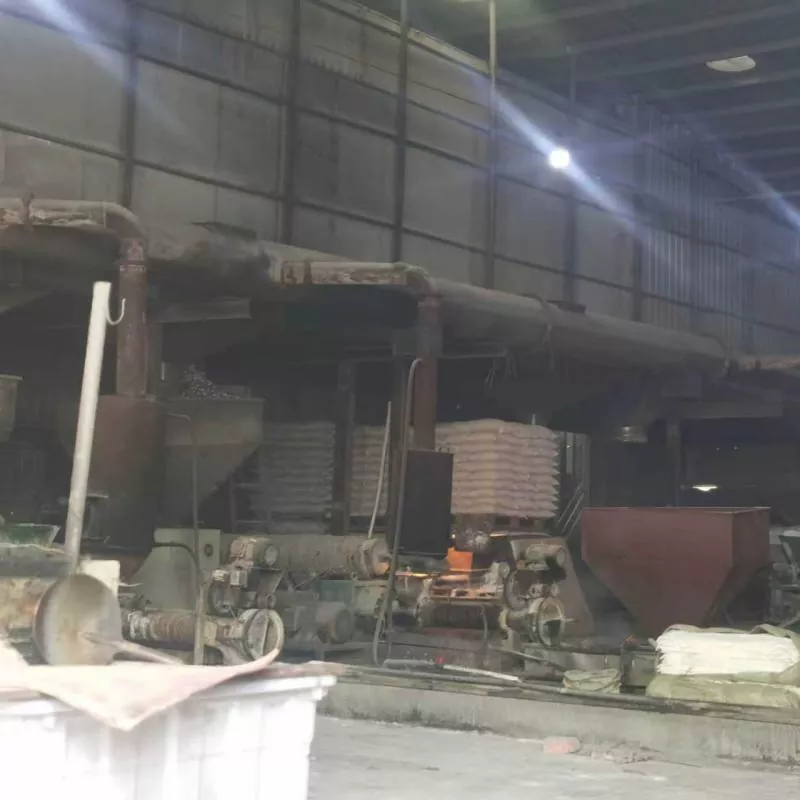
In machinery manufacturing, metallurgical processing, auto parts production and aerospace industries, the quenching process is a core procedure to enhance the hardness, strength and wear resistance of metal materials. However, this process generates large volumes of hazardous industrial waste gas containing volatile organic compounds (VOCs), oil fume, oil mist, toxic harmful gases and particulate matter. Direct emission of such waste gas will not only pollute the atmospheric environment, but also endanger the health of on-site operators, making VOCs treatment for quenching process a mandatory requirement for enterprises to achieve green production.
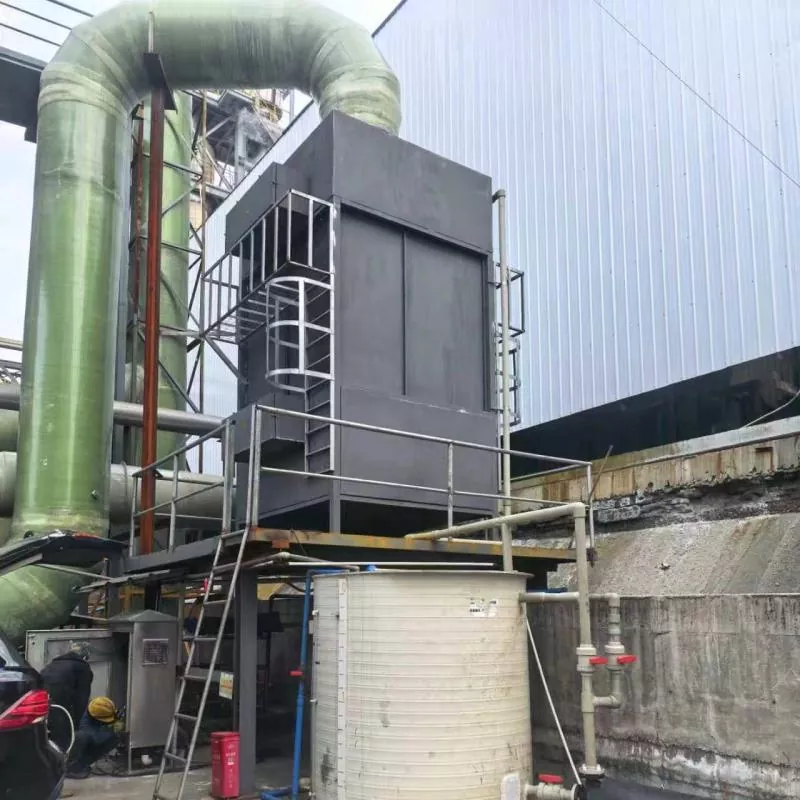
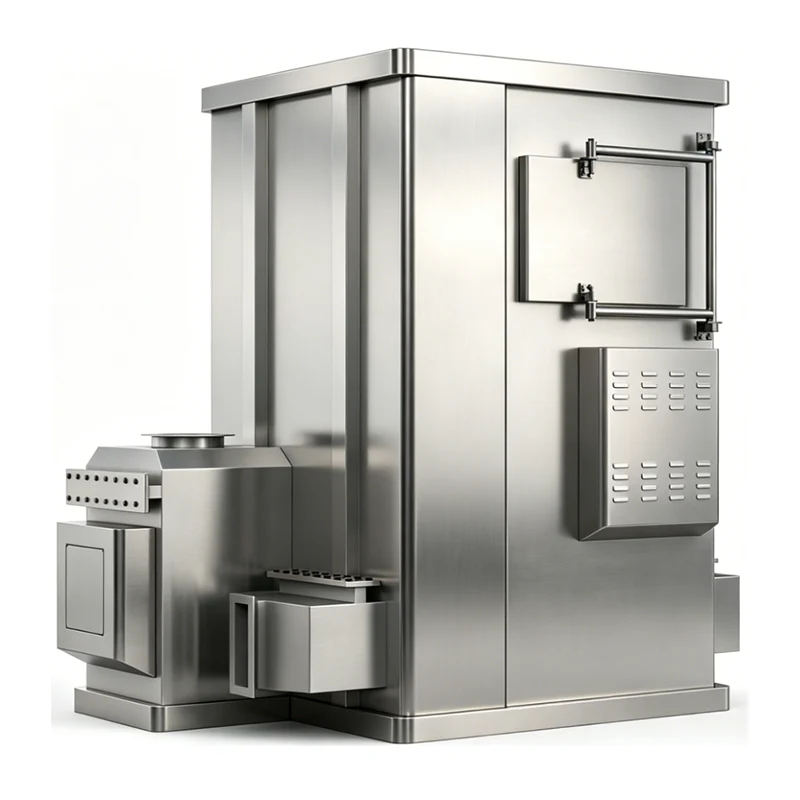
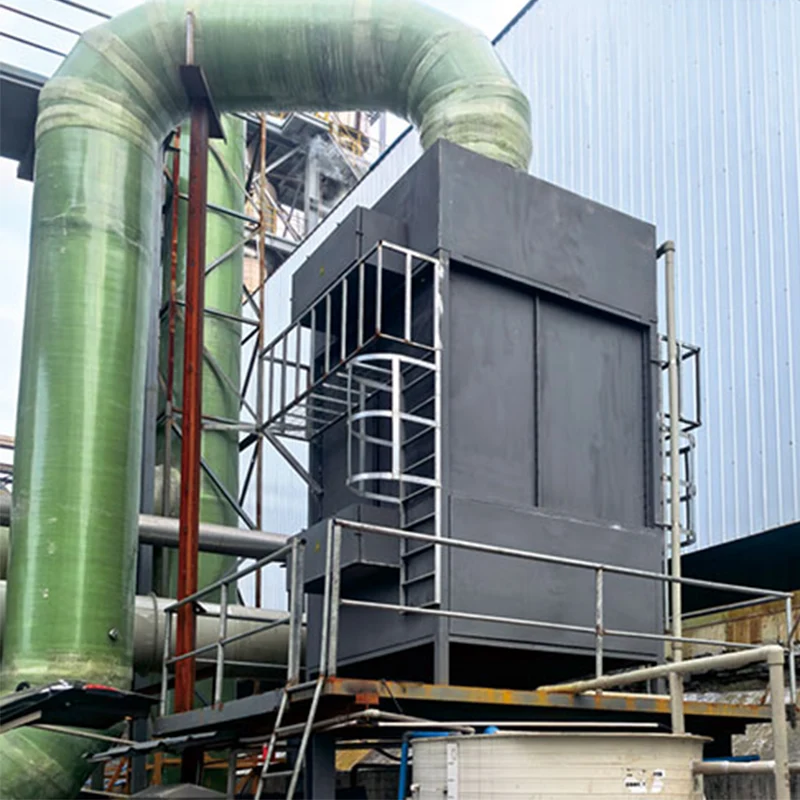
Our Waste Gas Treatment Equipment for Quenching Process is a dedicated environmental protection solution tailored for this specific waste gas. Integrated with core technologies including high temperature oxidation, waste heat recovery and high efficiency purification, it achieves thorough waste gas treatment and standard discharge, complies with the energy saving & environmental protection development concept, and provides solid support for enterprises' compliant production.
Quenching Waste Gas Characteristics & Industry Compliance Pain Points
Different from ordinary industrial waste gas, quenching process waste gas has unique properties that conventional treatment equipment cannot handle stably and efficiently, which is the core pain point for enterprises:
Large temperature fluctuation, high oil content, complex components and unstable VOCs concentration;
Oil mist and particulate matter easily cause blockage and corrosion of treatment equipment, affecting long-term operation stability;
Mixed toxic components require thorough degradation to meet strict emission requirements.
In China, the implementation of mandatory standards including GB 16297-1996 Integrated Emission Standard of Air Pollutants and GB 37822-2019 Control Standard for Unorganized Emission of Volatile Organic Compounds has set strict limits on VOCs, oil fume and particulate matter emissions from the quenching process. Non-compliant emission will bring huge legal and operational risks to enterprises, creating an urgent demand for a dedicated, stable and efficient quenching waste gas treatment solution.
Targeted Process Design of Quenching Process Waste Gas Treatment Equipment
To address the unique properties of quenching waste gas, our Waste Gas Treatment Equipment for Quenching Process adopts a combined "Pretreatment + Core RTO Oxidation + Waste Heat Recovery" process, with Regenerative Thermal Oxidizer (RTO) as the core treatment unit. This design perfectly adapts to the treatment requirements of quenching waste gas, and achieves the dual goals of thorough exhaust incineration and complete pollutant decomposition.
This process design solves the core defects of conventional equipment: the pretreatment link eliminates oil mist and particulate matter to protect the core RTO system, the RTO unit achieves thorough degradation of VOCs and harmful components, and the waste heat recovery system realizes energy recycling, fully balancing purification efficiency, operation stability and energy saving performance.
Core Components & Functional Units
The Waste Gas Treatment Equipment for Quenching Process consists of five synergistic functional units, ensuring high efficiency, stability and safety of the whole waste gas treatment process:
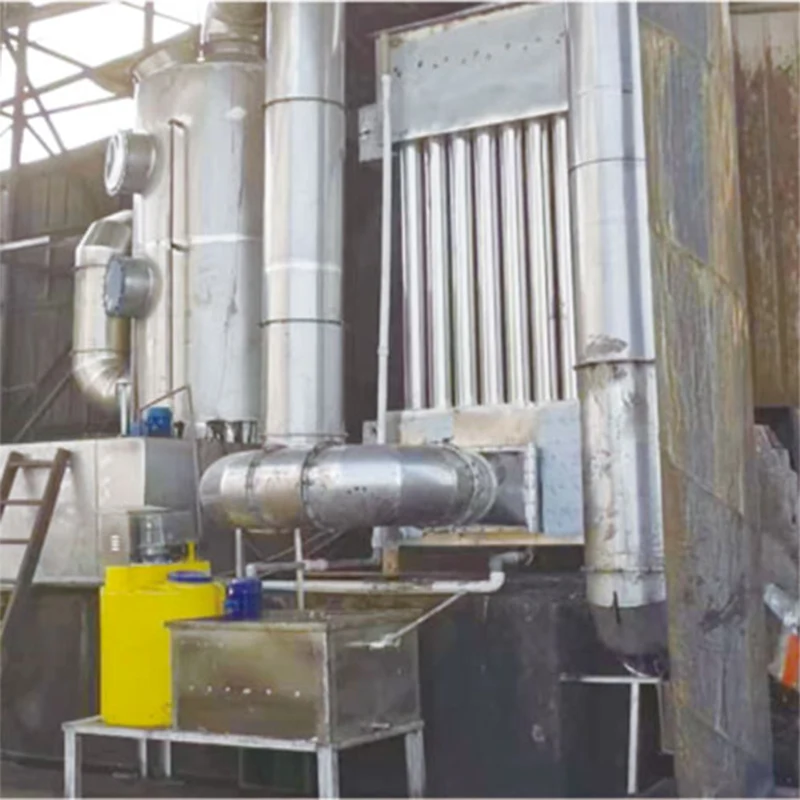
Pretreatment System
The pretreatment system is the foundation for the stable operation of the whole equipment. It is mainly used to remove oil mist, particulate matter and moisture in quenching waste gas, preventing such impurities from entering the core oxidation system and causing equipment blockage, corrosion or reduced purification effect.
Equipped with cyclone separators, high-efficiency filters and demisters;
Achieves over 95% removal rate of oil mist and particulate matter through physical interception and filtration;
Lays a solid foundation for subsequent high-temperature oxidation treatment and extends the service life of core components.
RTO Core Oxidation System
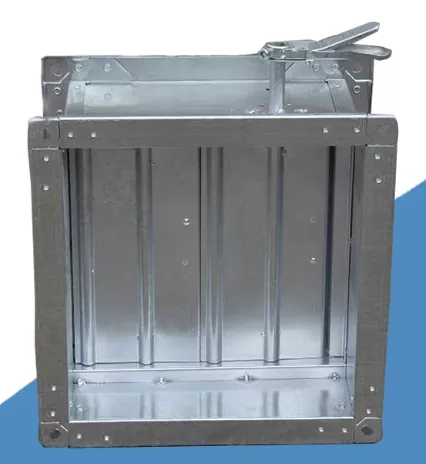
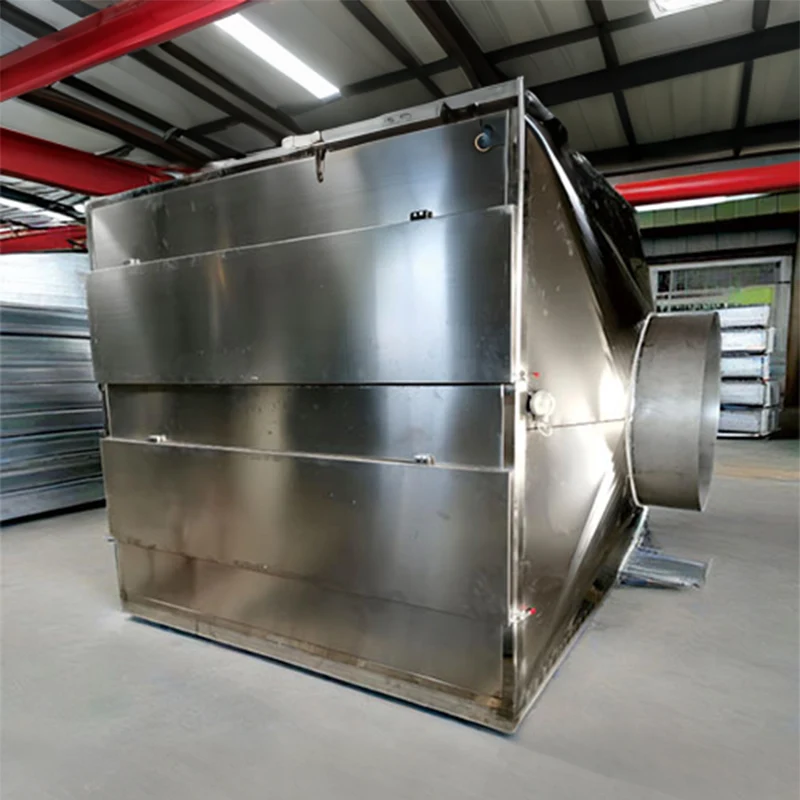
The RTO core oxidation system is the core link to achieve high efficiency purification, with core components including regenerative ceramic, combustion chamber and precision switching valves.
Regenerative Ceramic: As the "thermal energy storage core" of the equipment, it is made of high temperature resistant and corrosion resistant honeycomb ceramic material, with large specific surface area, excellent thermal conductivity and long service life. It can repeatedly complete the heat absorption and release cycle under high temperature environment, which is the key to realize waste heat recovery. The pretreated quenching waste gas is first preheated by the regenerative ceramic, using the stored waste heat to raise the waste gas temperature close to the oxidation temperature, greatly reducing the energy consumption required for subsequent high-temperature heating.
High Temperature Oxidation Chamber: The combustion chamber accurately controls the temperature between 850℃ and 950℃. After preheating, the waste gas enters the chamber and fully mixes with oxygen in the high-temperature environment. VOCs, oil fume and other organic pollutants are completely cracked and oxidized, finally converted into harmless carbon dioxide (CO₂) and water (H₂O), fundamentally eliminating pollutant hazards. A small amount of toxic and harmful gases in the quenching waste gas can also be decomposed into harmless substances in this high-temperature environment.
The equipment adopts a multi-chamber structure design. Through precise valve switching control, it realizes continuous cycle of air intake, heat storage, purging and exhaust, avoiding the escape of unreacted waste gas during valve switching, further improving purification efficiency, and ensuring a VOCs removal rate of over 99%.
Waste Heat Recovery System
Waste heat recovery is the core advantage of the equipment, and also the key for enterprises to reduce production costs and realize energy recycling.
The quenching process itself consumes a large amount of heat energy, while the RTO system generates massive high-temperature flue gas during oxidation, which contains huge thermal energy that would be seriously wasted if directly discharged;
The equipment fully recovers thermal energy from high-temperature flue gas through regenerative ceramic. On one hand, it preheats incoming quenching waste gas to reduce auxiliary fuel consumption; on the other hand, the recovered waste heat can be converted into steam through a waste heat boiler, or into hot water through a heat exchanger, which can be directly used for quenching process heating, workshop heating and other production links, realizing cascade utilization of energy;
The equipment can achieve a heat recovery efficiency of over 95%. When the VOCs concentration in the waste gas reaches a certain value, the heat generated by the oxidation reaction can realize "self-sustaining combustion" without additional auxiliary fuel consumption, greatly reducing enterprises' energy cost and environmental treatment cost.
Intelligent Control & Online Monitoring System
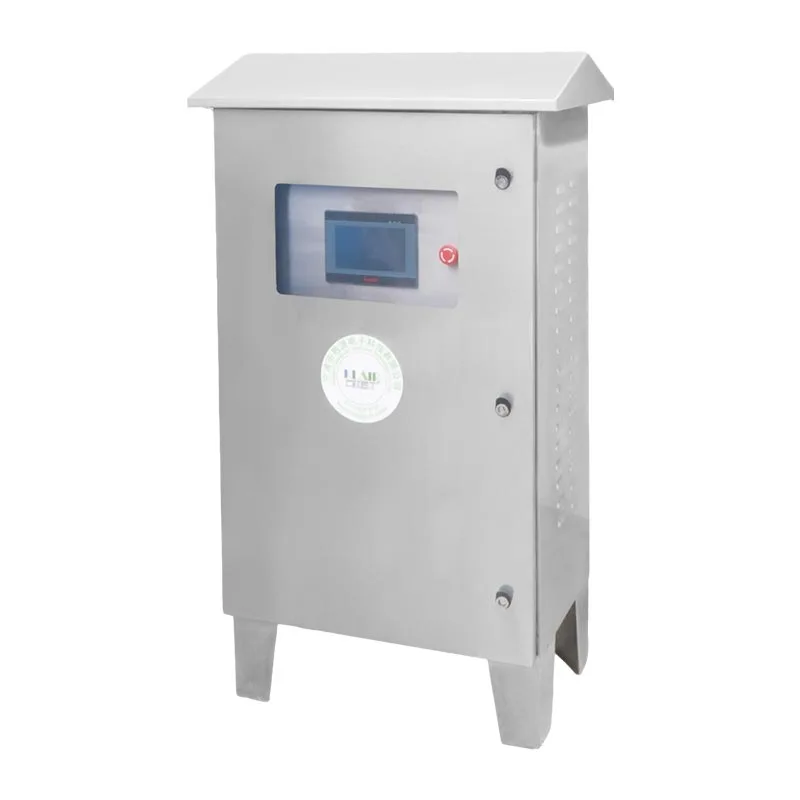
The equipment is equipped with a complete online monitoring and automatic control system, which can real-time monitor key parameters such as inlet and outlet waste gas concentration, combustion chamber temperature, regenerative ceramic temperature and equipment operating pressure. When parameters fluctuate, the system automatically adjusts the operating state and handles equipment faults in time, ensuring continuous and stable operation of the equipment, and stable standard discharge of treated waste gas, helping enterprises avoid environmental compliance risks.
Exhaust System
The exhaust system is responsible for discharging the purified and cooled clean flue gas through the chimney after compliance verification, with a reasonable design to ensure stable air flow and no back pressure, supporting the continuous and stable operation of the whole treatment system.
Complete Closed-Loop Operation Process
The operation process of the Waste Gas Treatment Equipment for Quenching Process is clear and orderly, perfectly connecting all core functions, and can be divided into four stages:
1.Pretreatment Stage: Industrial waste gas generated by the quenching process enters the pretreatment system through the induced draft fan to remove oil mist, particulate matter and moisture;
2.Preheating & Waste Heat Recovery Stage: The pretreated clean waste gas enters the RTO regenerative chamber, and is preheated to above 700℃ by the regenerative ceramic;
3.High Temperature Oxidation Stage: The preheated waste gas enters the combustion chamber, completes high temperature oxidation and exhaust incineration at 850℃-950℃, with VOCs and other pollutants completely decomposed into harmless substances;
4.Heat Storage & Standard Discharge Stage: The purified high-temperature flue gas enters another regenerative chamber, transfers heat to the regenerative ceramic for storage, and the cooled clean flue gas is discharged through the chimney up to the standard. The recovered waste heat is reused in the production link to realize energy recycling.
Wide Application Scenarios
Our Waste Gas Treatment Equipment for Quenching Process is mainly applicable to industries adopting quenching process, including machinery manufacturing, metallurgical processing, auto parts production, aerospace, etc. It can adapt to quenching production lines of different scales and types, and achieve efficient treatment of waste gas generated by both continuous quenching and batch quenching.
Auto Parts Manufacturing: For oil-containing waste gas and VOCs generated during quenching of gears, shafts and other parts, the equipment can achieve standard-compliant emission, and the recovered waste heat can be used for quenching oil heating, saving a large amount of natural gas consumption for enterprises every year;
Metallurgical Industry: For high-temperature waste gas generated by steel quenching, the equipment not only achieves standard discharge, but also recovers waste heat for workshop heating, realizing efficient energy utilization;
Machinery & Aerospace Industry: For quenching waste gas generated in the production of mechanical basic parts and aerospace components, the equipment can achieve stable and efficient purification, helping enterprises meet strict environmental protection requirements.
Energy Saving, Environmental Protection & Enterprise Value
Under the background of China's "dual carbon" goal and increasingly stringent environmental protection regulations, the Waste Gas Treatment Equipment for Quenching Process has outstanding comprehensive advantages:
High Efficiency Purification & Stable Compliance: Through the combined "pretreatment + high temperature oxidation" process, it can comprehensively remove all kinds of pollutants, including VOCs, oil fume, particulate matter and toxic harmful gases, and the purified waste gas fully meets national and local industrial waste gas emission standards;
Superior Energy Saving Performance: With a heat recovery efficiency of over 95%, it greatly reduces the consumption of auxiliary energy such as natural gas and electricity. The self-sustaining combustion function can further eliminate additional fuel consumption, greatly reducing enterprises' operating costs;
No Secondary Pollution & Low Maintenance Cost: The equipment adopts a consumable-free design, no need for frequent replacement of adsorption materials, reducing solid waste generation and realizing harmless and resource-based treatment of pollutants. It has low operation noise, no secondary pollution, and can adapt to the continuous production demand of the quenching process;
Support Green Production & Compliance Operation: It helps enterprises solve the core problem of quenching waste gas treatment, avoid environmental compliance risks, establish a green production image, and achieve the unification of economic, environmental and social benefits.
With the increasingly stringent environmental protection regulations and the improvement of enterprises' green development awareness, the Waste Gas Treatment Equipment for Quenching Process has become an indispensable environmental protection equipment for related industries. Through continuous technological upgrading, we will further improve treatment efficiency, reduce operating costs, provide stronger support for enterprises to achieve compliant production and green development, and help the continuous improvement of atmospheric environment quality.
Hot Tags: Waste Gas Treatment Equipment for Quenching Process, Manufacturer, Supplier, Factory
Send Inquiry
Contact Info
-
Address
No. 661 Cangchu Road, Jiangbei District, Ningbo City,ZHEJIANG PROVINCE,CHINA
-
Tel
-
Email
For inquiries about our products or pricelist, please leave your email to us and we will be in touch within 24 hours.