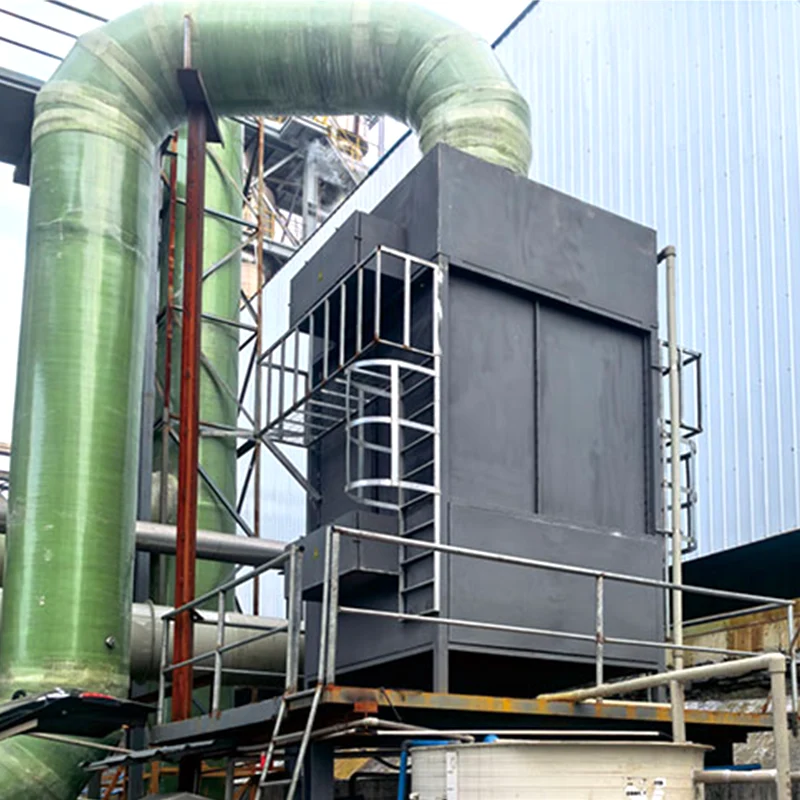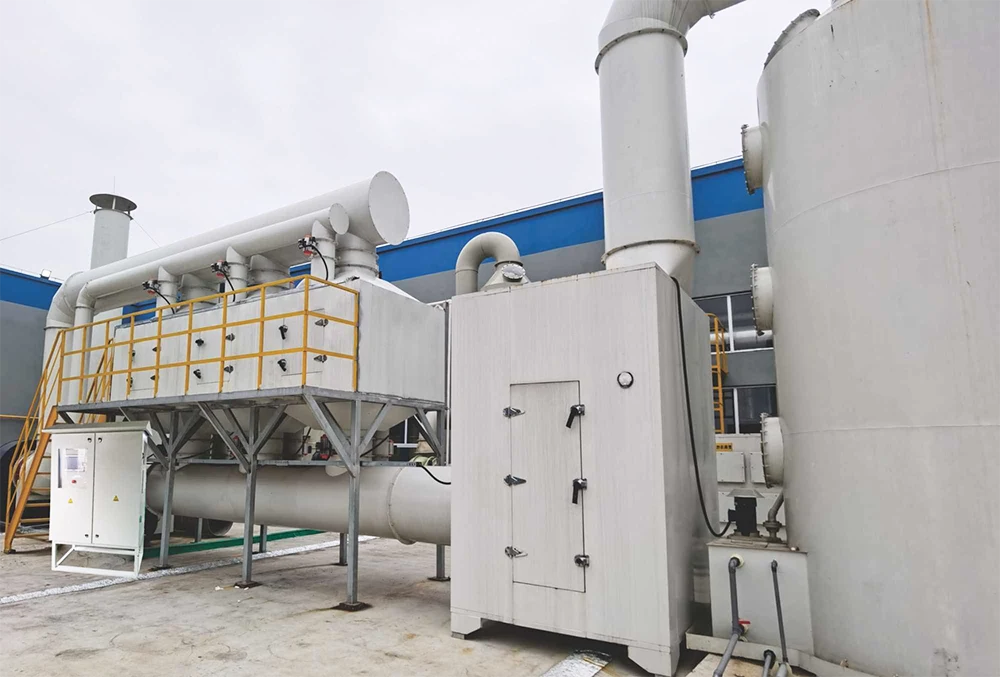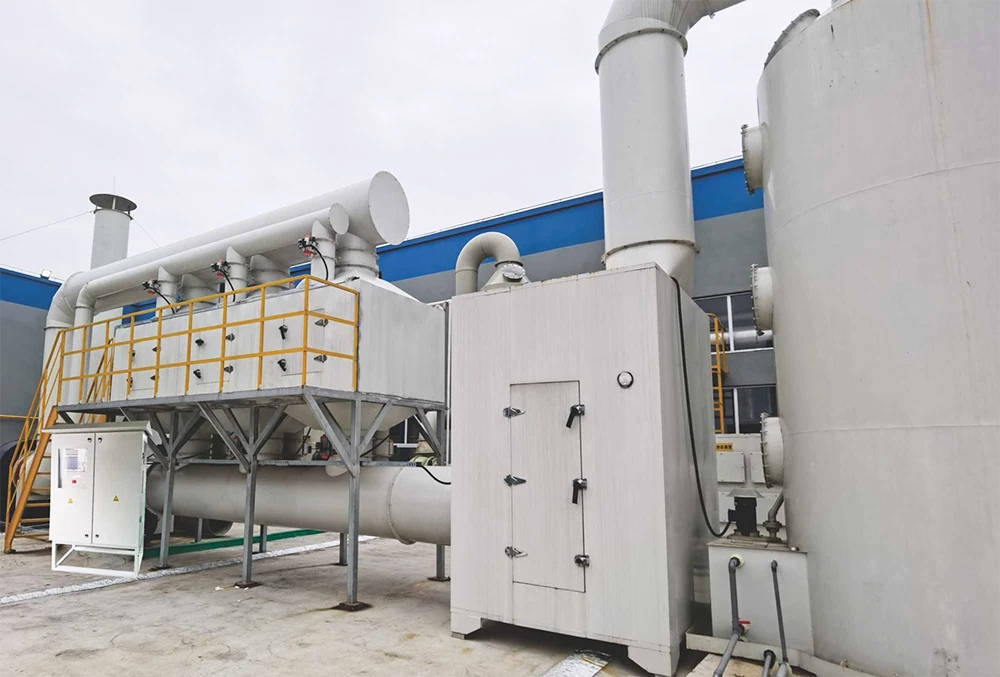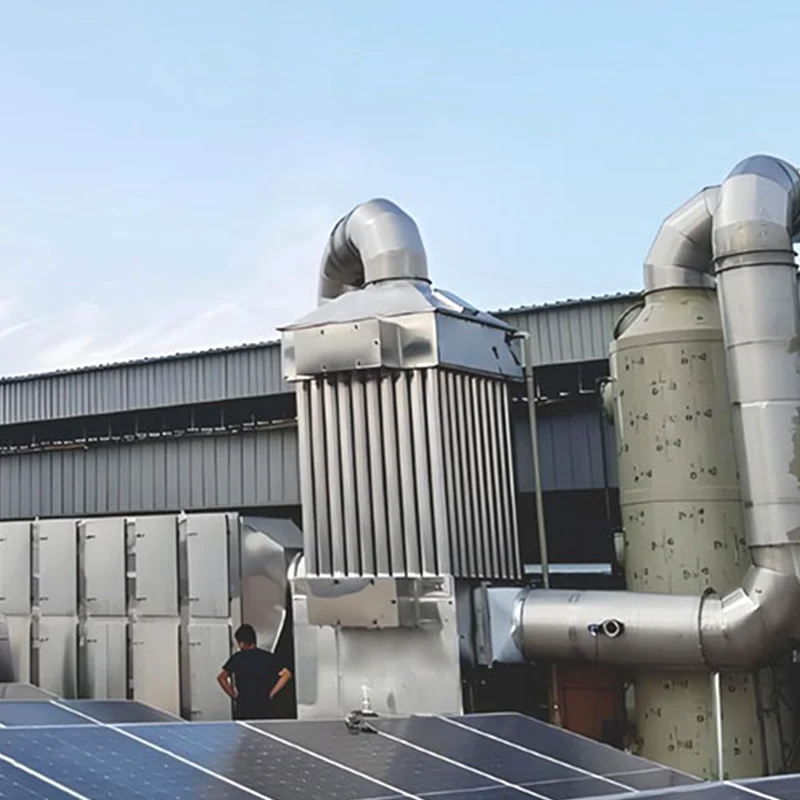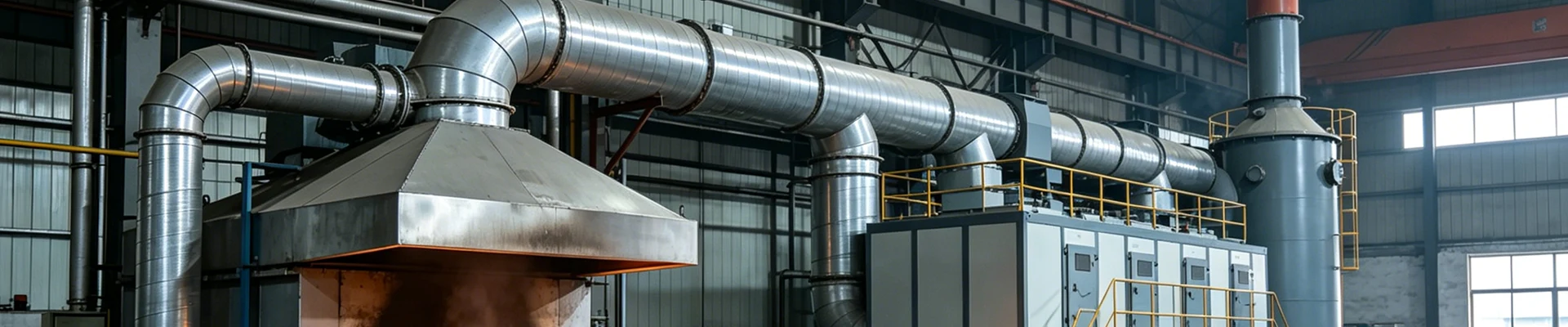
Plastic Pelletizing Exhaust Fume and Dust Control Equipment
DeFa (Shengyuan Technology) plastic pelletizing exhaust fume and dust control equipment removes dust, oil mist, VOCs and odor via cyclone, wet scrubber, electrostatic precipitator and activated carbon. For extrusion, compounding and recycling lines. Request a quote, contact supplier or get a custom solution.
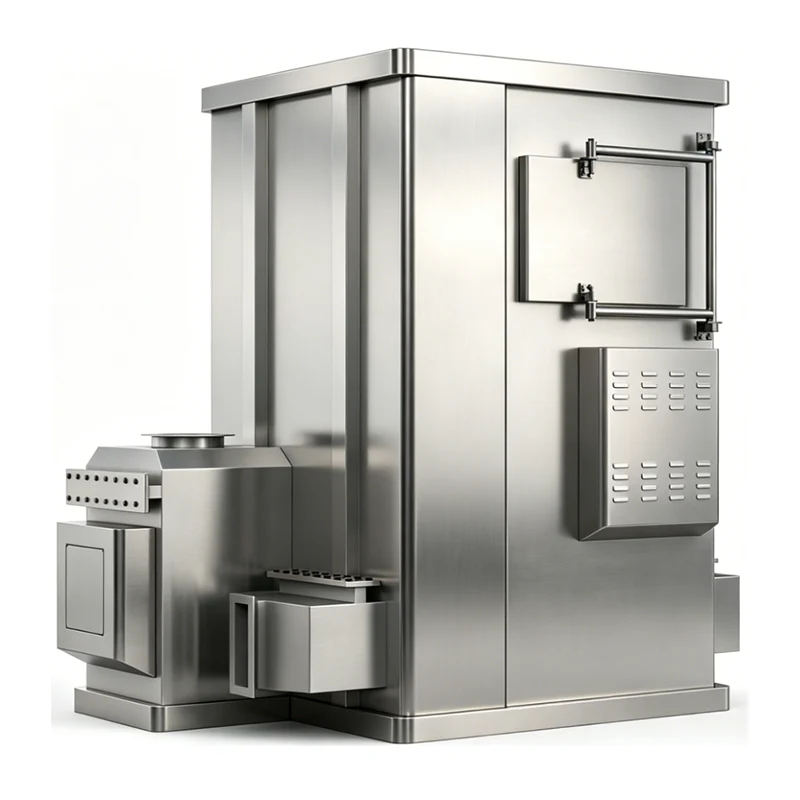
Plastic pelletizing and compounding processes release a mixture of fine dust, oil-based fumes, and volatile organic compounds (VOCs). The composition varies with the feedstock, which may include virgin resin, post-industrial scrap, or post-consumer recycled material. The exhaust is typically oily, odorous, and carries tar-like condensates that can foul conventional filtration media. The DeFa Plastic Pelletizing Exhaust Fume and Dust Control Equipment is configured to handle these conditions through staged removal of coarse dust, fine particulate, and condensable organics. It is manufactured by Shengyuan Technology under the DeFa brand.
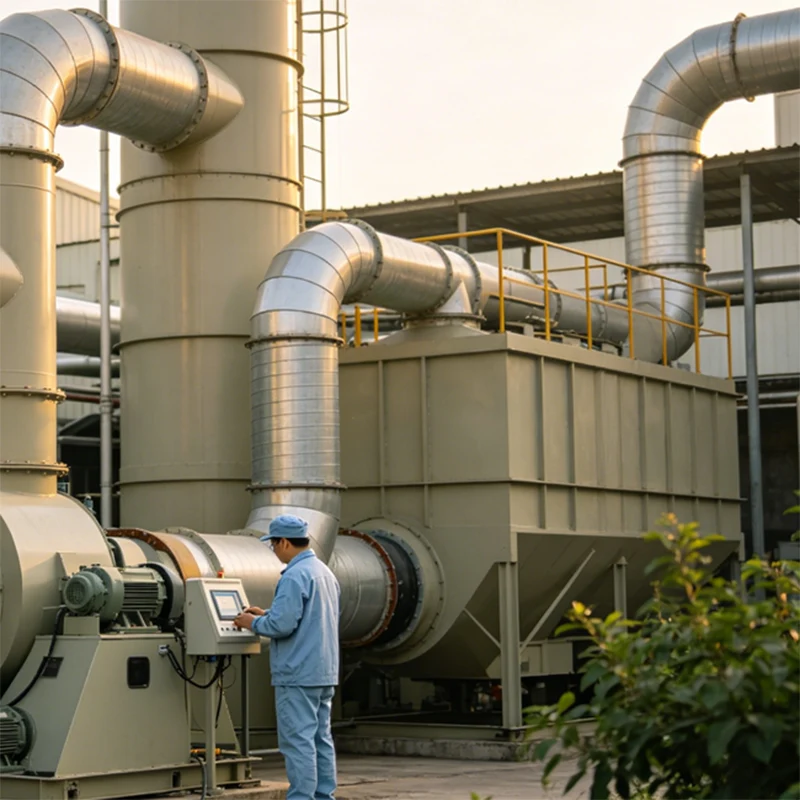
The equipment is used in extrusion pelletizing lines, compounding operations, and plastic recycling facilities. It can be supplied as a standalone unit for a single production line or as a central system for multiple lines. The following sections describe the treatment approach, technical data, configuration options, and a reference installation in the Wenzhou recycled plastic pelletizing industry.
Exhaust Characteristics and Treatment Approach
What Makes Pelletizing Exhaust Difficult to Treat
Pelletizing exhaust differs from general industrial dust in several ways. First, the dust particles are often sticky and can agglomerate on filter surfaces. Second, the exhaust contains condensable hydrocarbons that transition between vapor and liquid depending on temperature. Third, the odorous components are complex and may include aldehydes, ketones, and aromatic compounds. These characteristics mean that a single-stage dust collector is rarely sufficient.
In recycled plastic pelletizing, the difficulty increases because the feedstock may contain residual contaminants such as paper, labels, adhesives, and printing inks. These materials decompose during melting and release additional odorous and corrosive compounds. Chlorinated plastics such as PVC can generate hydrogen chloride gas, which requires corrosion-resistant construction in the wetted parts of the system.
Staged Treatment Process
- Capture: Enclosed hoods are installed above the extruder die head, the water cooling trough, and the pelletizer. Flexible curtains or rigid enclosures contain the fume at the source. Negative pressure is maintained inside the enclosure to prevent leakage into the workshop.
- Pre-cooling and condensation: The hot exhaust passes through a cooling section. This can be a water spray quench, an air-to-air heat exchanger, or a combination of both. The objective is to condense heavy organic vapors into liquid droplets that can be captured by downstream stages.
- Cyclone or mechanical separator: A cyclone removes large dust particles and liquid droplets. This stage reduces the load on the fine filtration stages and captures the bulk of the coarse material.
- Wet scrubbing (optional): For exhaust with high water-soluble content or corrosive gases such as HCl, a packed bed or spray scrubber with alkaline circulation can be installed. This stage also helps cool the gas further and absorb odorous compounds.
- Electrostatic precipitation: The cooled and pre-cleaned gas enters a two-zone electrostatic precipitator. High-voltage electrodes charge fine particles and oil mist. Charged particles deposit on collection plates and drain as liquid. This stage is effective for submicron particulate and oily aerosols that would blind conventional filters.
- Activated carbon adsorption (optional): For odor and residual VOC control, a modular activated carbon bed is installed after the electrostatic stage. The carbon is contained in trays or drawers for easy replacement.
- Exhaust: A centrifugal fan draws the treated gas through the system and discharges it to the stack.
Technical Specifications
| Parameter | Standard Range |
| Airflow capacity | 2,000 m³/h to 60,000 m³/h per system |
| Inlet temperature | Up to 100°C at source; cooled to ≤80°C before electrostatic stage |
| Inlet particulate concentration | Up to 500 mg/m³ depending on feedstock and process |
| Inlet VOC concentration | Typically 100–1,000 mg/m³ as non-methane hydrocarbons |
| Outlet particulate concentration | ≤10 mg/m³ with electrostatic stage |
| Outlet VOC concentration | ≤50 mg/m³ with activated carbon stage; dependent on inlet load and carbon replacement schedule |
| Particle removal efficiency | ≥95% mechanical; ≥99% with electrostatic stage |
| Odor removal efficiency | ≥80% with activated carbon stage |
| System pressure drop | Mechanical + electrostatic: 1,000–1,500 Pa; with carbon stage: additional 300–500 Pa |
| Power supply | 380V/50Hz three-phase for fan; 6–12 kV DC for electrostatic stage |
| Fan power | 2.2 kW to 45 kW, selected for airflow and system resistance |
| Noise level | ≤75 dB(A) at 1 m; acoustic enclosure available |
| Body material | Carbon steel with anti-corrosion coating standard; 304 or 316 stainless steel optional for PVC-containing feedstock |
| Electrode material | Stainless steel or tungsten alloy |
| Control mode | PLC with interlock to extruder; differential pressure monitoring; optional remote access |
| Safety features | Over-temperature alarm, arc detection, grounding protection, explosion vent (optional) |
System Components
Capture Enclosure
The capture enclosure is custom-fabricated to match the pelletizing line layout. It covers the die head, cooling trough, and pelletizer. For lines with limited space, a partial enclosure with flexible curtains may be used. The enclosure is connected to the exhaust duct with a flexible connection to reduce vibration transmission.
Pre-Cooling and Condensation
Two cooling methods are available. A water spray quench injects fine water droplets into the hot gas stream. The water evaporates and absorbs heat, and the condensed organics are collected in the water sump. An air-to-air heat exchanger uses ambient air to cool the exhaust without adding moisture. The choice depends on the water content of the exhaust and whether wastewater treatment is available.
Electrostatic Precipitator
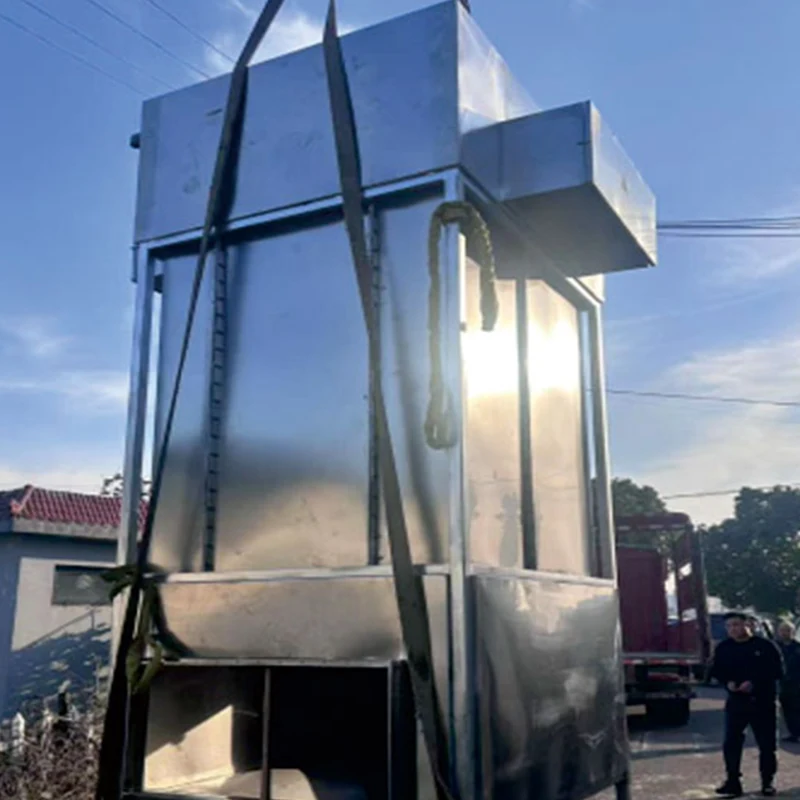
The electrostatic stage uses a two-zone design. The ionization zone uses high-voltage electrodes to charge particles. The collection zone uses grounded plates to capture the charged particles. The plates are periodically washed with a spray cycle. The high-voltage power supply is current-limited and includes arc suppression to handle the fluctuating load from the pelletizing process.
Activated Carbon Stage
A modular activated carbon bed is available for odor control. The carbon is contained in drawers for easy replacement. The bed is sized based on airflow and the required odor removal efficiency. Spent carbon is returned to the supplier for regeneration or proper disposal.
Fan and Controls
The exhaust fan is selected with a margin for filter loading. It is mounted on vibration isolators. The PLC control panel coordinates the fan, electrostatic power supply, and optional wash cycle. A differential pressure transmitter monitors the filter and carbon bed condition.
Applications in Plastic Pelletizing and Recycling
| Process | Feedstock | Typical Configuration |
| Extrusion pelletizing | Virgin resin | Capture hood + cyclone + electrostatic |
| Compounding | Resin with additives | Capture hood + pre-cooling + electrostatic + carbon |
| Recycled PE/PP pelletizing | Post-consumer scrap | Enclosed capture + wet scrubber + electrostatic + carbon |
| PVC pelletizing | PVC compound | Corrosion-resistant scrubber + electrostatic + carbon |
| PET pelletizing | Recycled PET | Pre-cooling + cyclone + electrostatic |
Wenzhou Recycled Plastic Pelletizing Industry Reference Project
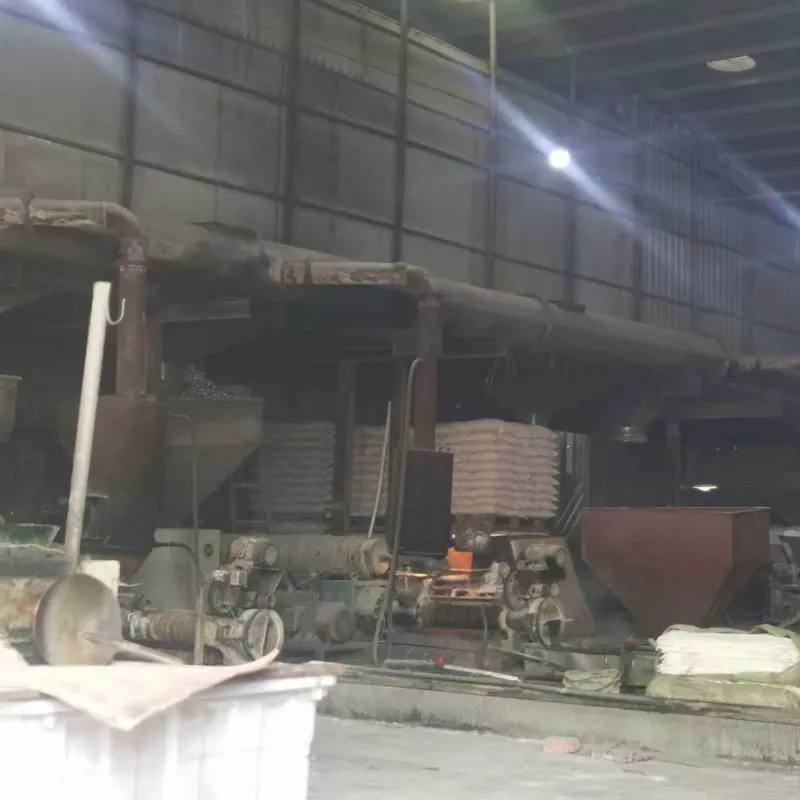
Wenzhou and the surrounding region host a large cluster of recycled plastic pelletizing enterprises. These facilities process post-consumer and post-industrial PE, PP, ABS, and PVC scrap into recycled pellets. Many are small to medium-sized operations with one to five pelletizing lines. The exhaust from these lines is characterized by strong odor, visible fume, and oily condensate that settles on roof surfaces and nearby structures.
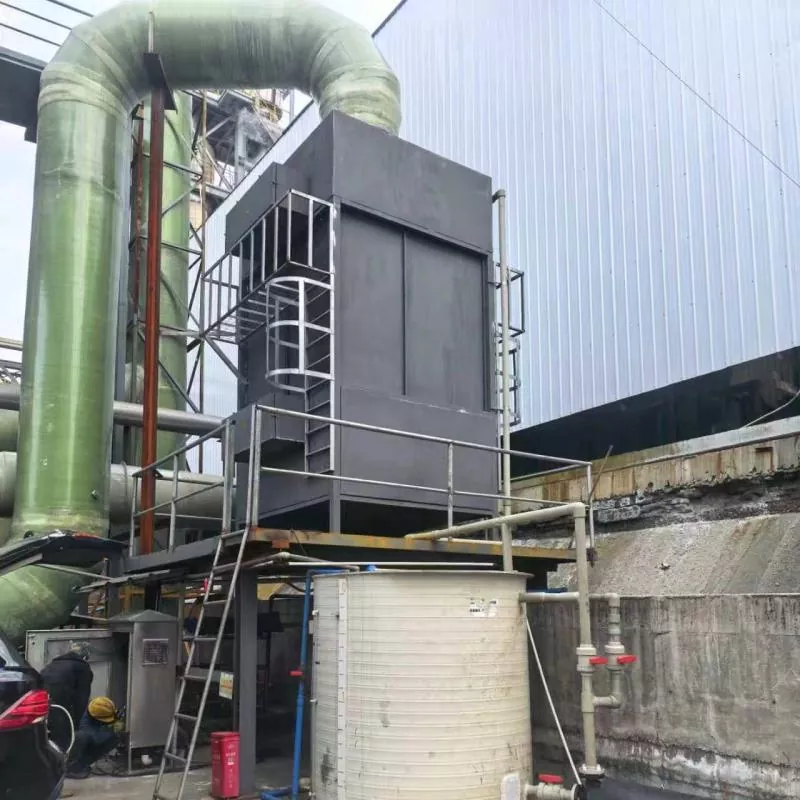
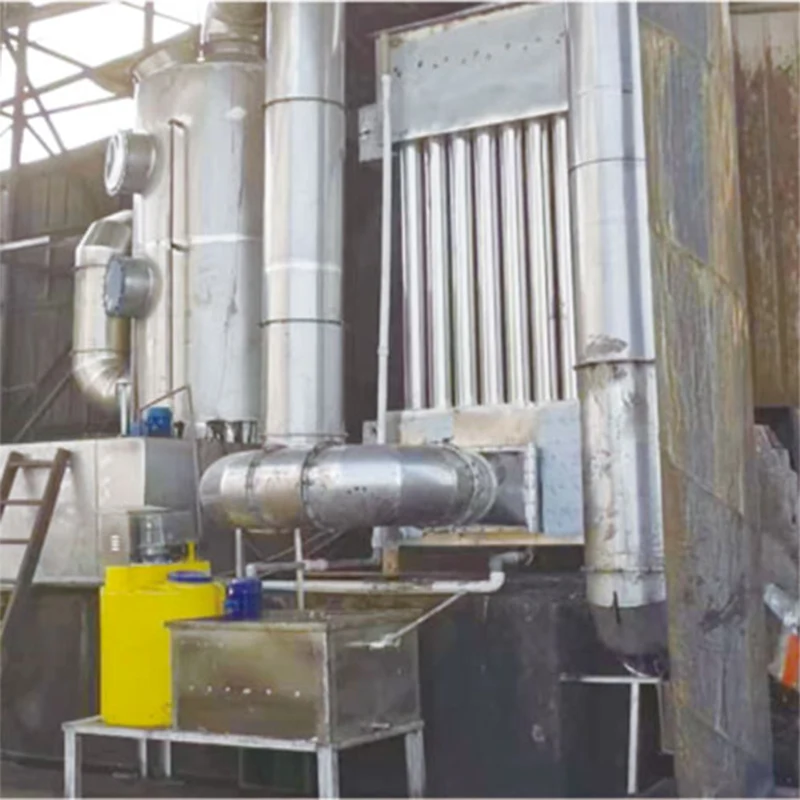
A recycled plastic pelletizing company in Wenzhou operating multiple extrusion lines required an exhaust treatment upgrade to meet local emission standards and address odor complaints from neighboring properties. The feedstock included mixed post-consumer PE and PP with residual printing inks and labels. The exhaust contained fine dust, oil mist, and odorous VOCs. The existing treatment consisted of a simple water spray tower, which was insufficient for the fine particulate and odor load.
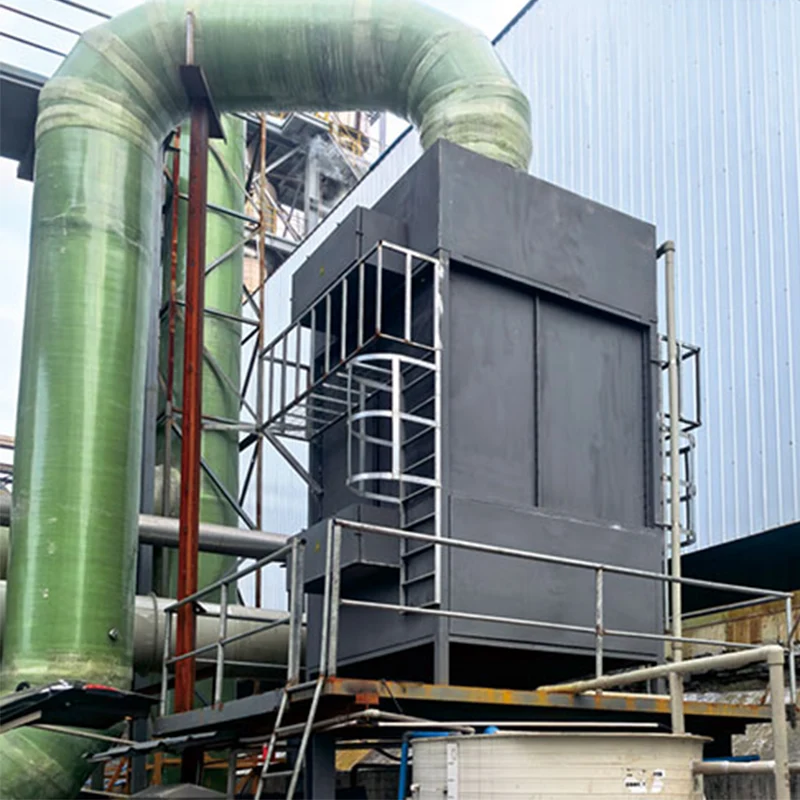
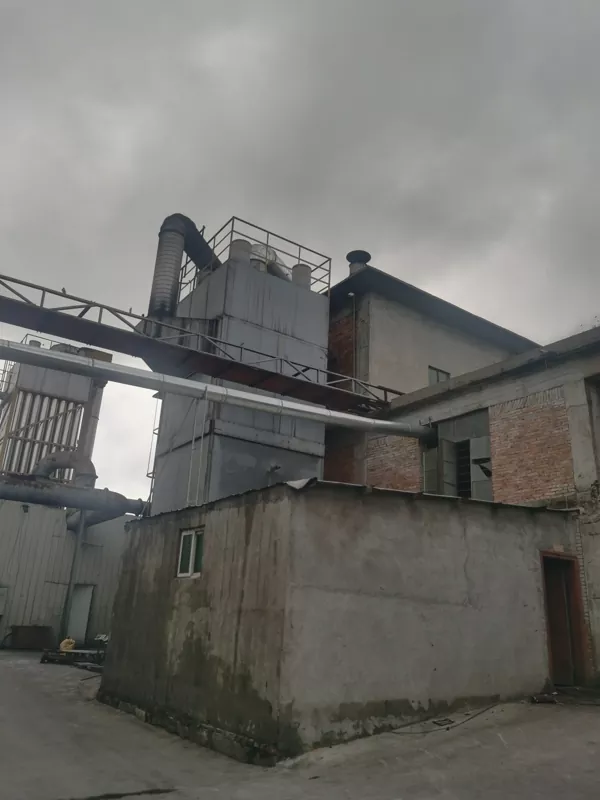
The project installed a DeFa exhaust control system on each production line. The configuration includes an enclosed capture hood with flexible curtains at the die head and pelletizer, a water spray quench for cooling and initial condensation, a cyclone separator for coarse dust and droplet removal, a two-zone electrostatic precipitator for fine particulate and oil mist, and a modular activated carbon bed for odor control. Ductwork is sloped and fitted with drain points to prevent condensate accumulation. The system is interlocked with the extruder so that the fan and electrostatic stage start when the extruder begins production.
After commissioning, outlet particulate concentration measured below 8 mg/m³ and non-methane hydrocarbon concentration below 40 mg/m³. Odor complaints ceased. The system has operated with scheduled maintenance, and the collected oil is periodically drained from the electrostatic stage for proper disposal.
Installation and Commissioning
Mechanical Installation
The capture enclosure is mounted directly on the extruder frame or on a separate support structure above the line. Ductwork between the enclosure and the main treatment unit should be as short as possible and sloped toward a drain. The main unit is installed on a level concrete foundation or steel platform. Access is required for maintenance of the electrostatic cells, carbon trays, and fan.
Electrical and Interlock
The control panel requires a three-phase power supply for the fan and a single-phase supply for the PLC and high-voltage power supply. An interlock signal from the extruder starts the exhaust system when production begins. After production stops, the fan continues to run for a set period to purge the enclosure and duct.
Commissioning Checks
- Verify capture velocity at the enclosure openings using a smoke test or anemometer.
- Confirm cooling section outlet temperature is below 80°C.
- Test electrostatic power supply for stable output and arc response.
- Measure system pressure drop at design airflow.
- Sample outlet gas for particulate and VOC concentration after 24 hours of operation.
Maintenance Requirements
| Component | Interval | Action |
| Capture enclosure and flexible curtains | Weekly | Check for damage; clean oil and dust deposits from interior surfaces |
| Cooling section | Monthly | Inspect for fouling; clean heat exchange surfaces or spray nozzles |
| Cyclone separator | Monthly | Drain collected material; inspect for blockage |
| Electrostatic collection plates | Every 1–2 months | Power off and discharge; remove and wash plates with neutral degreaser |
| High-voltage insulators | Quarterly | Clean dust and oil film; check for tracking or cracks |
| Activated carbon | Every 6–12 months | Replace or regenerate based on odor breakthrough and differential pressure |
| Fan impeller | Quarterly | Clean deposits; check balance and vibration |
| Ductwork | Every 6 months | Check for oil accumulation and corrosion; clean drain points |
Frequently Asked Questions
Can the system handle exhaust from PVC-containing feedstock?
Yes, but corrosion-resistant construction is required. PVC decomposes during melting and releases hydrogen chloride gas. The wetted parts of the system, including the scrubber, ductwork, and electrostatic stage components, should be made from PP, PVDF, or 316 stainless steel. Standard carbon steel is not suitable for PVC exhaust because the HCl will accelerate corrosion.
How is the system sized for multiple pelletizing lines?
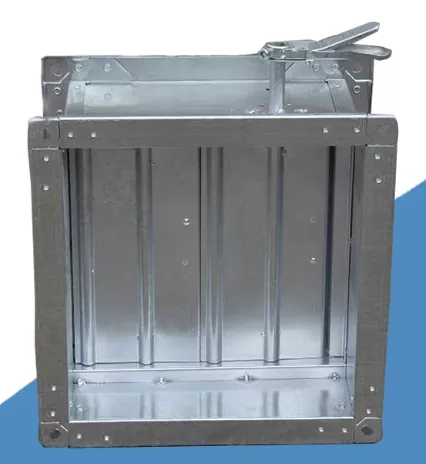
Sizing depends on the total exhaust volume from all lines and the peak load. If lines operate simultaneously, the system is sized for the combined airflow. If lines operate intermittently, the system can be sized for the maximum number of lines running at once, with additional capacity for future expansion. A central system with branch ducts and balancing dampers is often more economical than multiple standalone units.
What happens to the collected oil and dust?
The oil collected in the cooling section and electrostatic stage is drained periodically. It is typically not suitable for reuse because it contains contaminants from the feedstock and process. It should be collected and disposed of as industrial waste according to local regulations. The dry dust collected in the cyclone is also disposed of as waste unless it can be recycled back into the process.
Is the electrostatic stage safe for plastic dust?
Plastic dust can be combustible under certain conditions. The electrostatic stage is designed with arc suppression and current limiting to reduce ignition risk. For applications with very fine combustible dust, an explosion vent or suppression system may be recommended. The system should be grounded and bonded according to local electrical codes. A hazard assessment should be conducted for each installation.
How often does the activated carbon need replacement?
Carbon replacement frequency depends on the inlet VOC concentration, airflow, and the target outlet concentration. In typical recycled pelletizing applications, replacement every 6 to 12 months is common. A differential pressure gauge across the carbon bed and periodic outlet sampling can help determine the actual replacement interval. The carbon is contained in trays for easy replacement without special tools.
Can the system be installed on an existing pelletizing line?
Yes. The capture enclosure and ductwork are custom-fabricated to match the existing extruder and pelletizer layout. The main treatment unit can be placed on a new platform or an available area nearby. Electrical connections and interlock signals are integrated with the existing line controls. Installation typically requires a short production shutdown for duct connection and commissioning.
Are there reference installations in the Wenzhou plastic pelletizing industry?
Yes. A recycled plastic pelletizing company in Wenzhou has been operating a DeFa exhaust control system on its extrusion lines. The system treats exhaust from post-consumer PE and PP pelletizing with a combination of capture hood, water spray quench, cyclone, electrostatic precipitator, and activated carbon. Outlet particulate and VOC concentrations meet local emission standards, and the project has eliminated odor complaints from nearby areas.
About DeFa
DeFa is the environmental purification equipment brand of Shengyuan Technology. The company has more than 20 years of experience in high-voltage power supplies, plasma applications, and industrial exhaust gas treatment. Its products are used in heat treatment, machining, lithium battery manufacturing, chemical processing, and plastic recycling. The plastic pelletizing exhaust control system applies the company's high-voltage power control and system integration experience to the specific challenges of oily, odorous, and tar-containing exhaust. Each system is tested for airflow, insulation, and control functions before shipment. Third-party test reports and material certificates are available upon request.
Hot Tags: Plastic Pelletizing Exhaust Fume and Dust Control Equipment, Manufacturer, Supplier, Factory
Send Inquiry
Contact Info
-
Address
No. 661 Cangchu Road, Jiangbei District, Ningbo City,ZHEJIANG PROVINCE,CHINA
-
Tel
-
Email
For inquiries about our products or pricelist, please leave your email to us and we will be in touch within 24 hours.