How Does Waste Gas Treatment Equipment Improve Industrial Air Quality and Environmental Compliance?
Article Summary
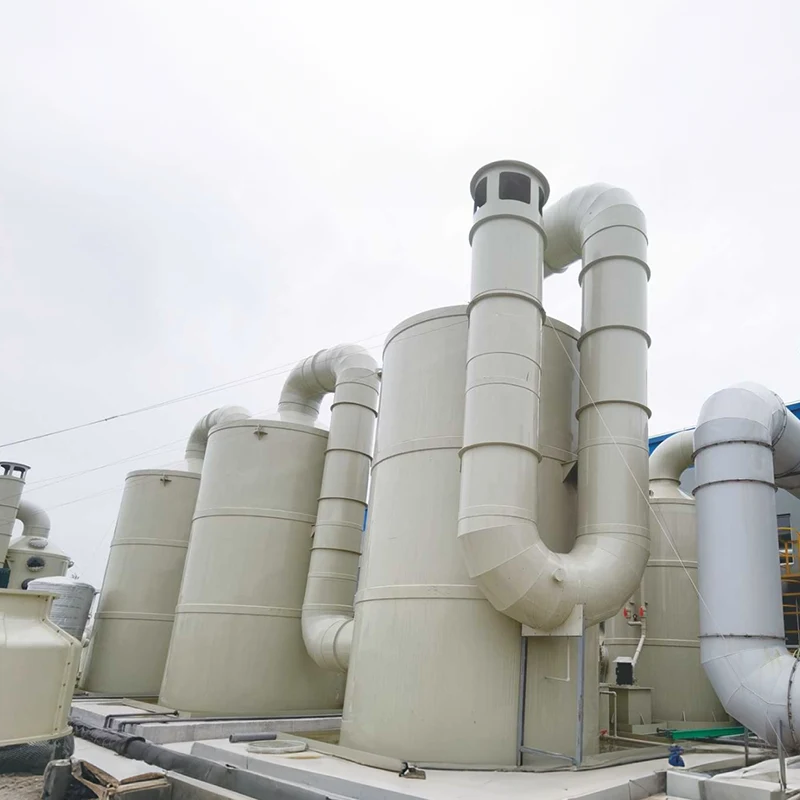
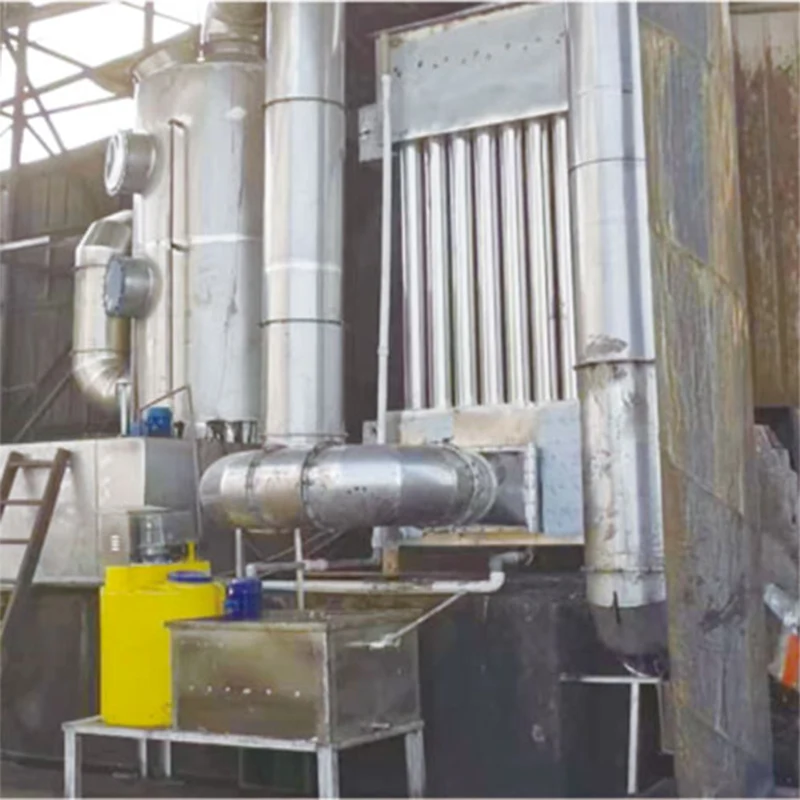
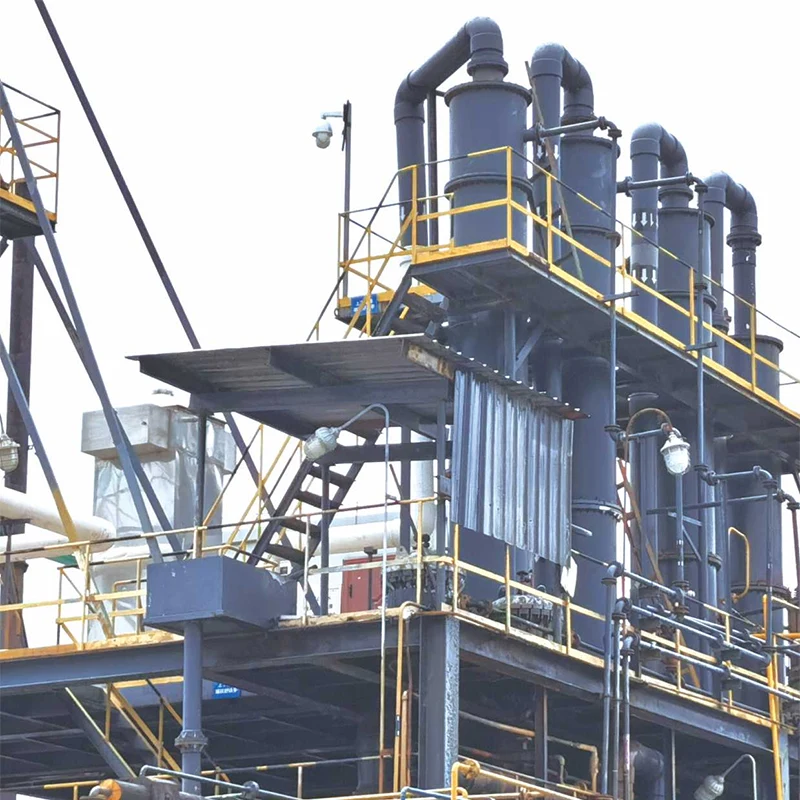
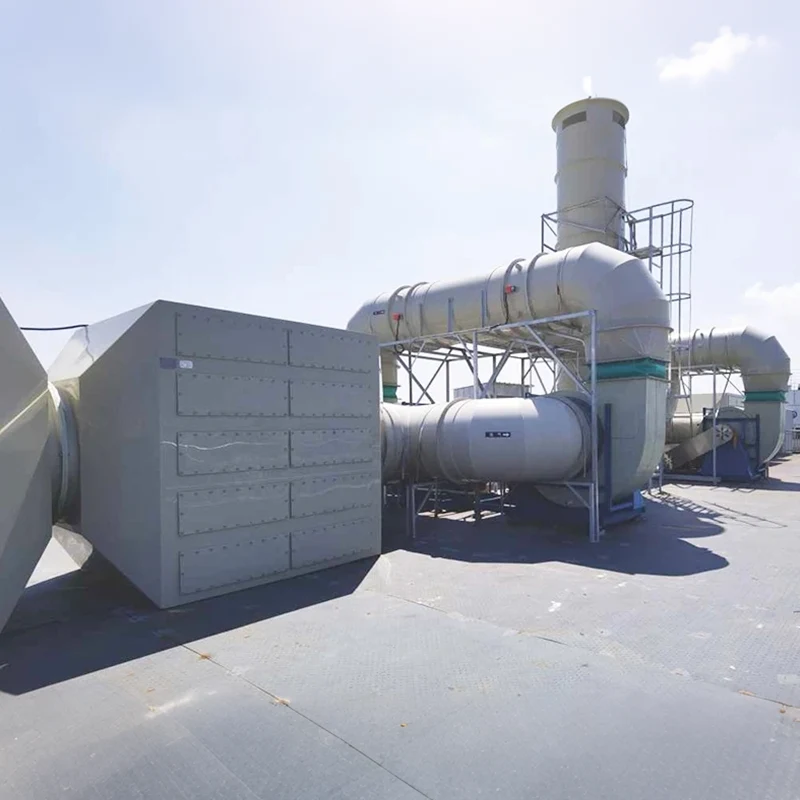
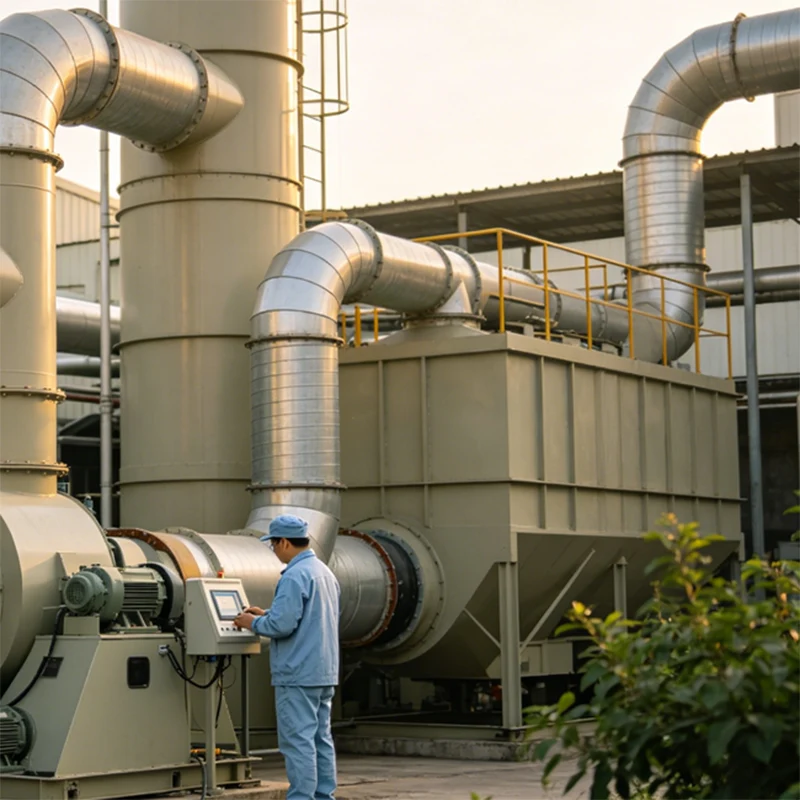
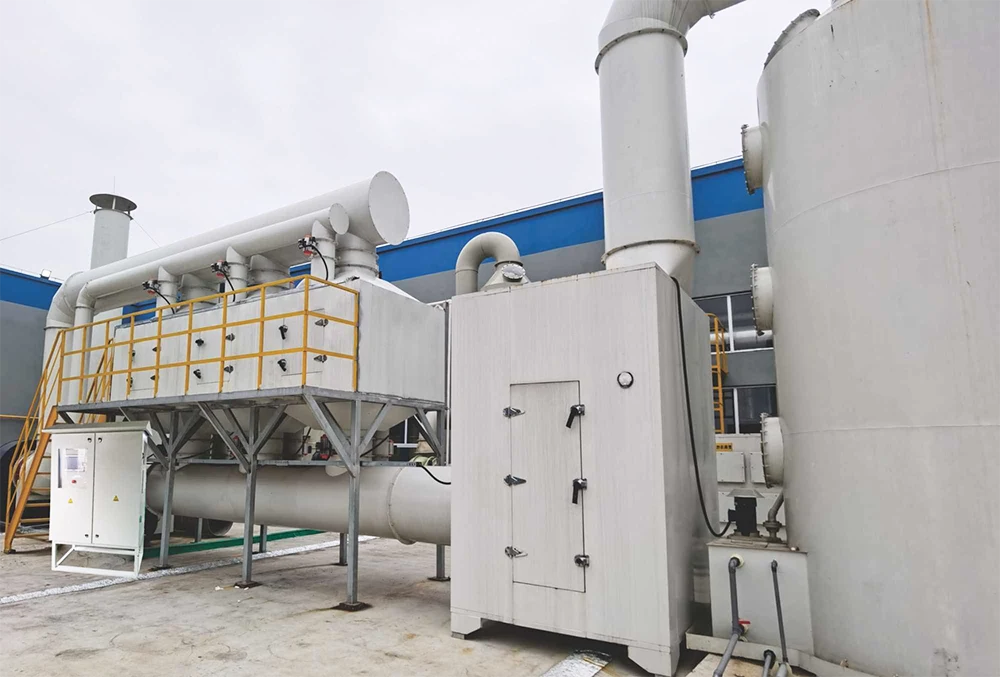
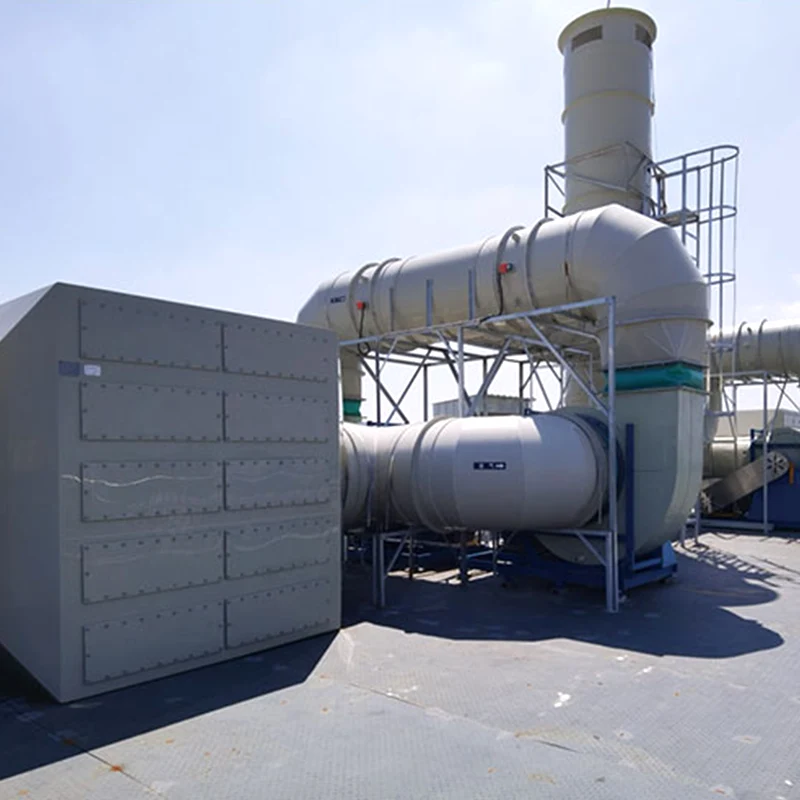
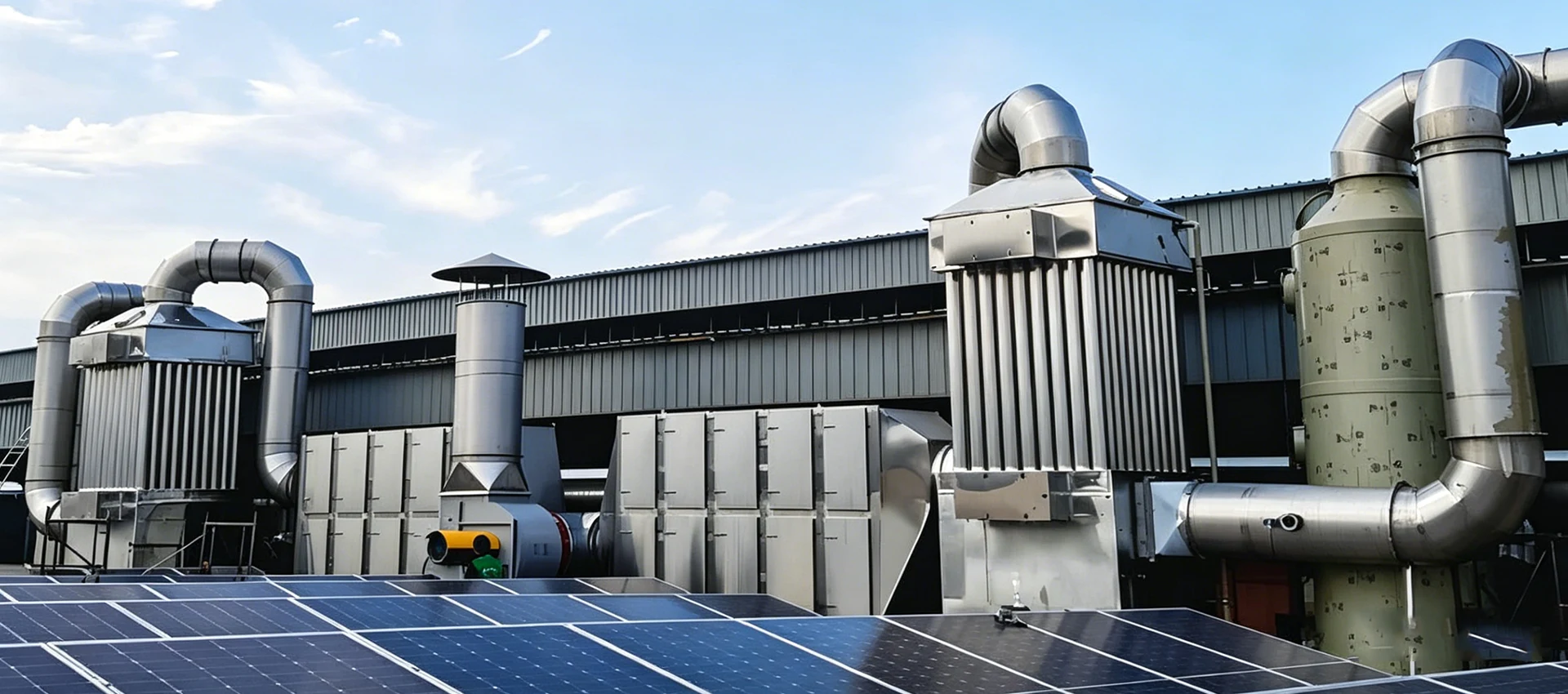
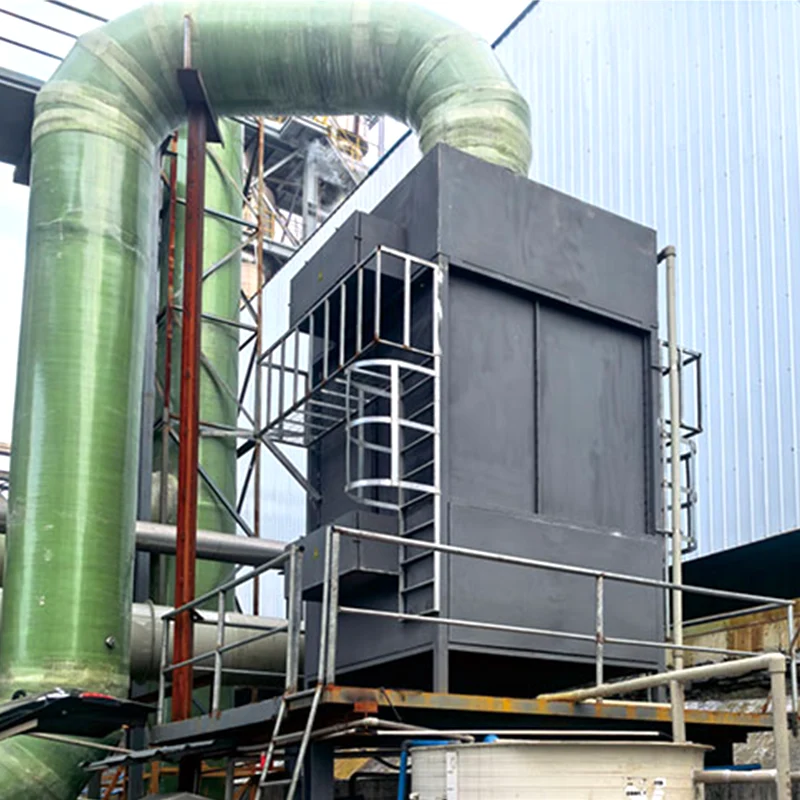
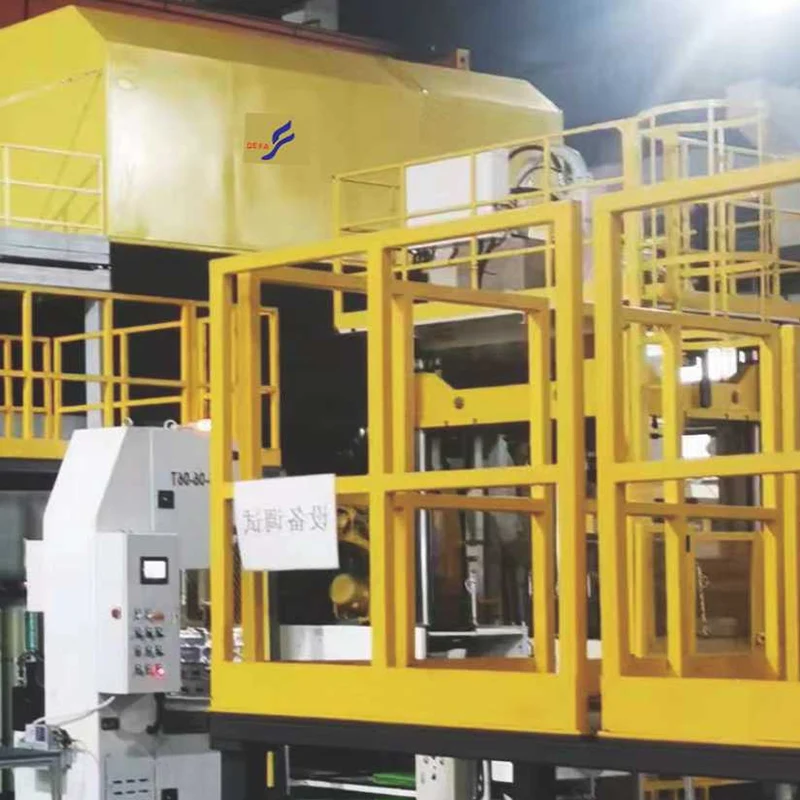
Industrial production processes often generate waste gases containing harmful pollutants, odors, volatile organic compounds (VOCs), dust particles, and other contaminants. Without proper treatment, these emissions can negatively affect employee health, surrounding communities, and environmental sustainability. Waste Gas Treatment Equipment provides an effective solution by capturing, filtering, and transforming harmful gases into safer substances before they are released into the atmosphere.
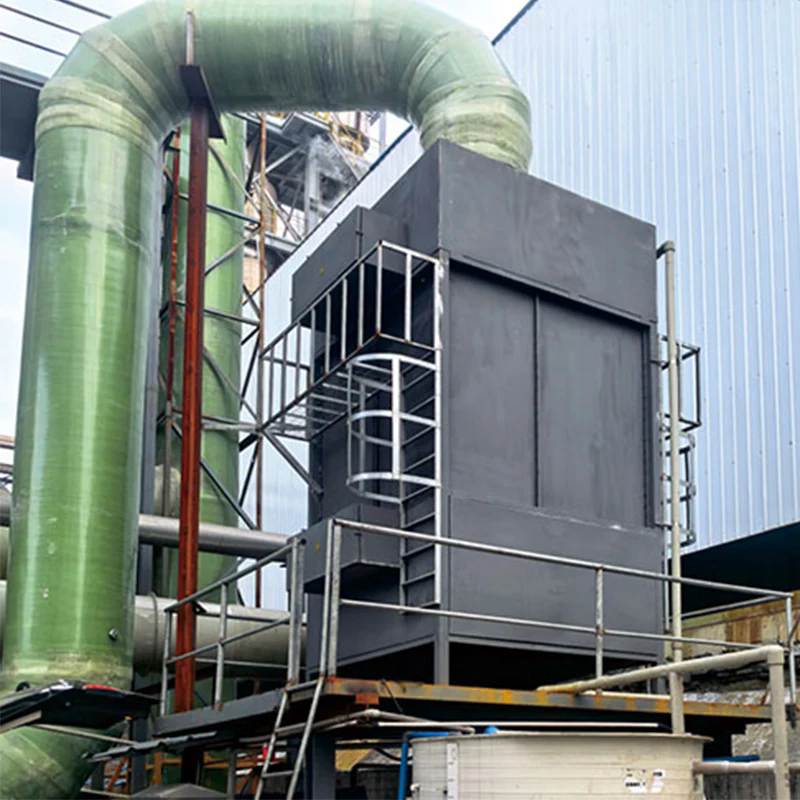
This article explains how Waste Gas Treatment Equipment works, why industries need advanced gas purification solutions, what technologies are commonly used, and how businesses can choose suitable treatment systems. It also explores how DeFa Environmental Equipment (Ningbo) Co., Ltd. helps industries address emission challenges with reliable environmental protection solutions.
Table of Contents
- Article Outline
- Why Industries Need Waste Gas Treatment Equipment
- How Waste Gas Treatment Equipment Works
- Main Technologies Used in Waste Gas Treatment
- Key Benefits of Installing Waste Gas Treatment Equipment
- How to Choose the Right Waste Gas Treatment System
- How DeFa Environmental Equipment Supports Industrial Pollution Control
- Frequently Asked Questions
- Conclusion
Article Outline
- Understanding industrial waste gas challenges
- The operating principles of waste gas purification systems
- Different treatment methods for various pollutants
- Advantages of advanced emission control equipment
- Important factors when selecting industrial gas treatment solutions
- Professional environmental solutions from DeFa Environmental Equipment (Ningbo) Co., Ltd.
Why Do Industries Need Waste Gas Treatment Equipment?
Modern manufacturing industries depend on efficient production processes, but many operations inevitably create waste gas emissions. Industries such as chemical processing, painting, printing, electronics manufacturing, pharmaceutical production, and surface treatment may release gases containing VOCs, odors, acidic substances, and fine particles.
If these pollutants are discharged without effective treatment, they may create several problems:
- Reduced air quality around industrial facilities
- Potential health risks for workers and nearby residents
- Unpleasant odors affecting business environments
- Failure to meet environmental emission requirements
- Increased operational risks caused by uncontrolled pollutants
Waste Gas Treatment Equipment helps companies control emissions at the source. By applying suitable purification technologies, harmful components can be removed, reducing environmental impact while supporting cleaner industrial production.
How Does Waste Gas Treatment Equipment Work?
Waste Gas Treatment Equipment is designed to collect contaminated air, separate harmful substances, and discharge treated gas that meets required standards. Although different industries require different solutions, most systems follow several fundamental steps.
1. Waste Gas Collection
The first stage involves collecting polluted air from production areas through pipelines, exhaust hoods, or enclosed systems. Efficient collection is important because it prevents pollutants from spreading throughout the workplace.
2. Filtration and Separation
After collection, waste gas enters treatment units where contaminants are separated through physical, chemical, or biological methods. Depending on the pollutant type, systems may remove dust particles, oil mist, VOCs, or chemical gases.
3. Purification Process
Advanced treatment technologies transform harmful pollutants into harmless substances or capture them for further processing. Different purification methods are selected according to gas composition, concentration level, and production conditions.
4. Clean Gas Discharge
After treatment, purified air is safely released through exhaust systems. Properly designed equipment ensures stable operation and consistent emission performance.
What Technologies Are Used in Waste Gas Treatment Equipment?
Different industrial applications require different treatment approaches. Selecting the correct technology is essential for achieving high purification efficiency and reducing operating costs.
- Activated Carbon Adsorption: Commonly used for VOC removal. Activated carbon captures organic molecules through adsorption and is suitable for many industrial exhaust applications.
- Photocatalytic Oxidation: Uses light energy and catalysts to break down organic pollutants into smaller, safer compounds.
- Plasma Treatment: Creates high-energy environments that decompose difficult-to-treat gas pollutants and odor compounds.
- Spray Absorption: Uses liquid solutions to absorb soluble gases such as acidic or alkaline pollutants.
- Biological Treatment: Uses microorganisms to naturally degrade certain organic pollutants and odors.
A professional waste gas treatment solution often combines multiple technologies to achieve better purification results for complex industrial emissions.
What Are the Benefits of Installing Waste Gas Treatment Equipment?
Investing in reliable waste gas purification equipment provides long-term value for industrial companies. The major advantages include:
- Improved Environmental Performance: Reduces harmful emissions and supports cleaner production.
- Better Workplace Conditions: Removes unpleasant odors and hazardous substances from production environments.
- Regulatory Compliance Support: Helps companies meet increasingly strict environmental requirements.
- Higher Production Sustainability: Enables manufacturers to operate responsibly while maintaining productivity.
- Reduced Long-Term Costs: Efficient systems can minimize pollution-related risks and maintenance expenses.
| Challenge | Waste Gas Treatment Solution |
|---|---|
| High VOC emissions | Adsorption and oxidation technologies for organic pollutant removal |
| Industrial odors | Odor purification systems using advanced decomposition methods |
| Dust and particles | Filtration equipment for solid contaminant separation |
| Complex mixed gases | Combined treatment systems designed for multiple pollutants |
How to Choose the Right Waste Gas Treatment System?
Choosing suitable Waste Gas Treatment Equipment requires careful consideration of production conditions and emission characteristics. A system that works well for one industry may not be suitable for another.
Important selection factors include:
- Pollutant Type: Identify whether emissions contain VOCs, dust, odors, acid gases, or other substances.
- Gas Concentration: Different pollutant concentrations require different treatment capacities.
- Air Flow Volume: Equipment size should match the amount of generated exhaust gas.
- Operating Environment: Consider temperature, humidity, installation space, and production conditions.
- Maintenance Requirements: Choose equipment that allows convenient inspection and servicing.
Professional manufacturers can analyze emission conditions and recommend customized solutions that improve efficiency and reliability.
How Does DeFa Environmental Equipment Support Industrial Pollution Control?
DeFa Environmental Equipment (Ningbo) Co., Ltd. focuses on providing effective environmental protection equipment and industrial pollution control solutions. With experience in waste gas treatment applications, the company develops systems designed to help businesses manage complex emission challenges.
The company understands that every industrial facility has different requirements. Factors such as production processes, pollutant characteristics, installation conditions, and emission standards must all be considered when designing a treatment system.
By combining practical engineering experience with advanced treatment technologies, DeFa Environmental Equipment (Ningbo) Co., Ltd. provides solutions that help customers improve air quality, optimize production environments, and achieve more sustainable operations.
Reliable waste gas treatment equipment is not only an environmental investment but also an important part of responsible industrial development.
Frequently Asked Questions About Waste Gas Treatment Equipment
Q1: What types of pollutants can Waste Gas Treatment Equipment remove?
Waste Gas Treatment Equipment can remove various pollutants, including VOCs, odors, dust particles, oil mist, acidic gases, and other industrial contaminants. The treatment method depends on the specific gas composition.
Q2: Is waste gas treatment equipment suitable for all industries?
Yes. Waste gas treatment systems can be customized for different industries, including chemical manufacturing, coating, printing, electronics, pharmaceuticals, and other industrial applications.
Q3: How often does waste gas treatment equipment require maintenance?
Maintenance frequency depends on operating conditions, pollutant concentration, and equipment design. Regular inspection and timely replacement of consumable components help maintain stable performance.
Q4: Can waste gas treatment systems be customized?
Yes. Professional manufacturers can design customized systems according to airflow requirements, pollutant characteristics, factory layout, and environmental standards.
Q5: Why is professional equipment selection important?
Incorrect equipment selection may result in low purification efficiency, higher operating costs, or unstable performance. Professional evaluation ensures the system matches actual industrial requirements.
Conclusion
Waste Gas Treatment Equipment plays an essential role in modern industrial environmental management. By collecting, filtering, and purifying harmful emissions, these systems help companies create cleaner workplaces, reduce environmental impact, and maintain stable production operations.
Selecting the right treatment technology and working with an experienced supplier are key steps toward achieving efficient pollution control. DeFa Environmental Equipment (Ningbo) Co., Ltd. provides professional waste gas treatment solutions designed to meet different industrial challenges and support sustainable development.
For customized waste gas treatment solutions and professional technical support, please contact us today to discuss your industrial emission control requirements.
Related News
- How Can an Intelligent Purification Power Supply and Control System Assembly Transform Industrial Air Pollution Control
- How Can a DC High Voltage Module Improve Compact Air Purification and Ionization Systems
- How Can a Rectangular Air Volume Control Damper Improve HVAC Airflow Management
- Zeolite Rotor Concentrator + RTO: How the Combined VOC System Works
- RTO vs Catalytic Oxidizer: Which VOC Control System Fits Your Process?
- Industrial VOC Treatment System Cost: How to Compare CAPEX, OPEX and Lifecycle Value
Leave me a message