Electrostatic Precipitator
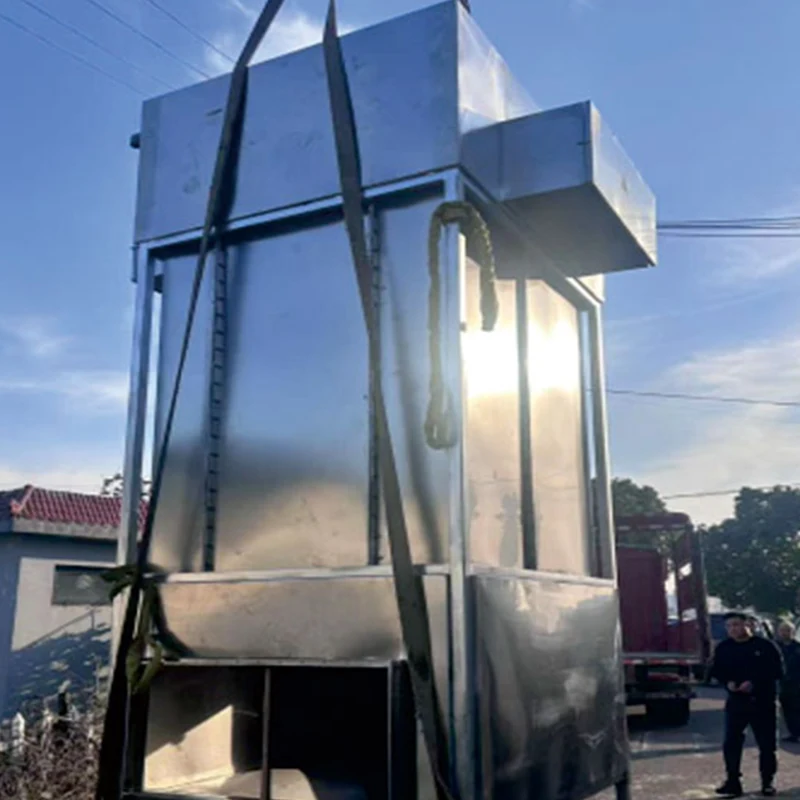
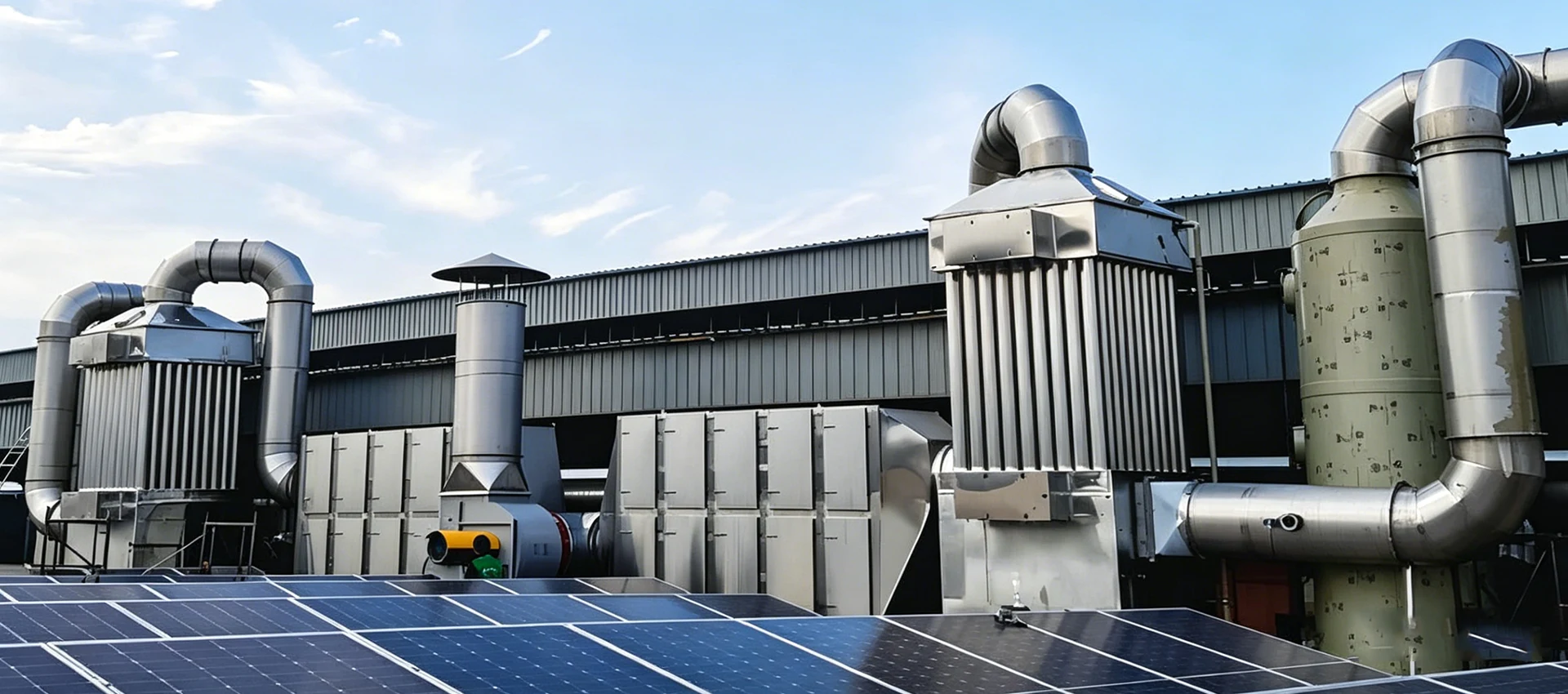
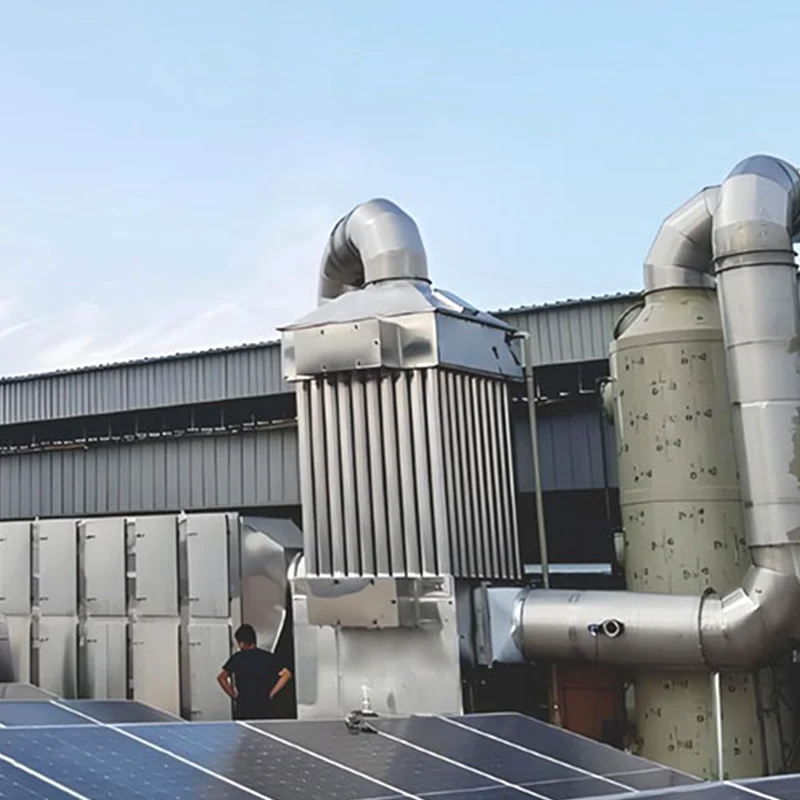
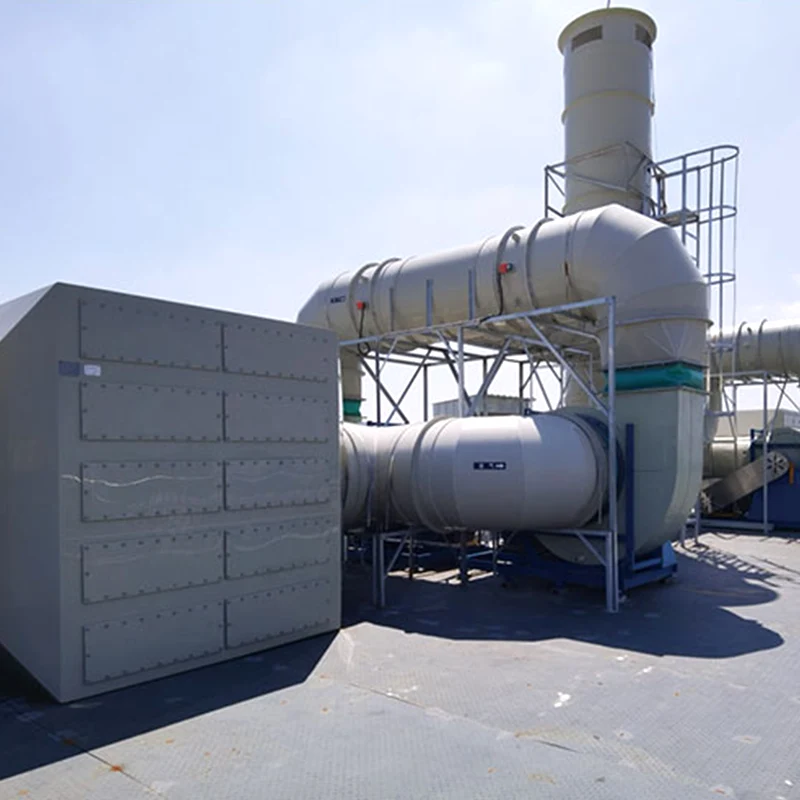
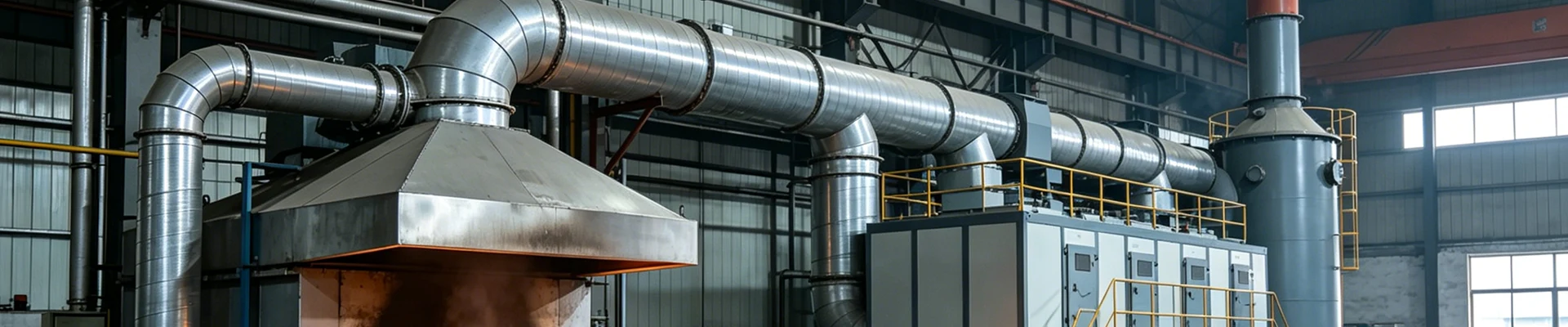
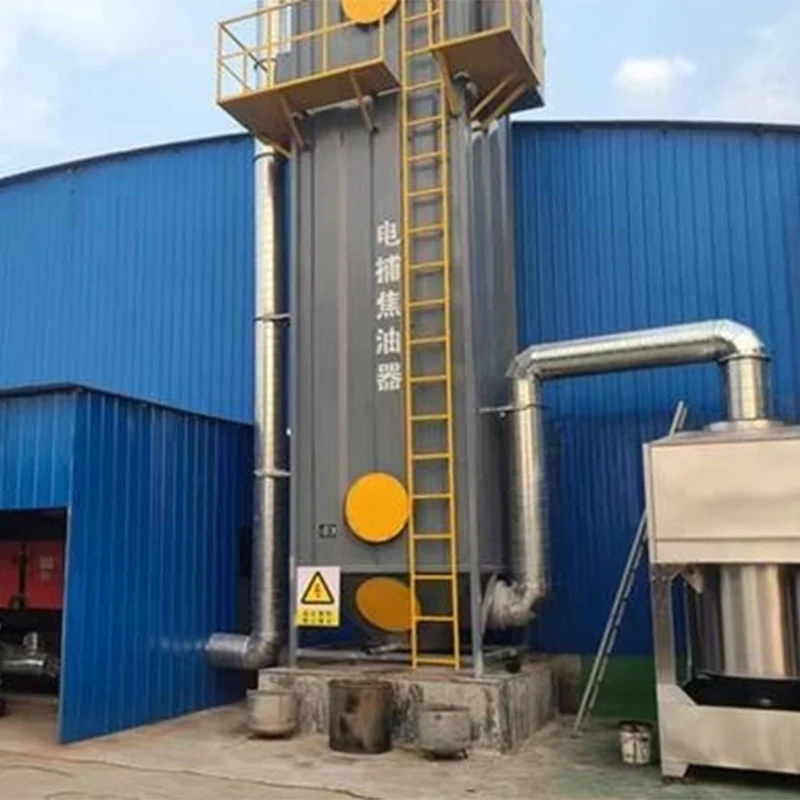
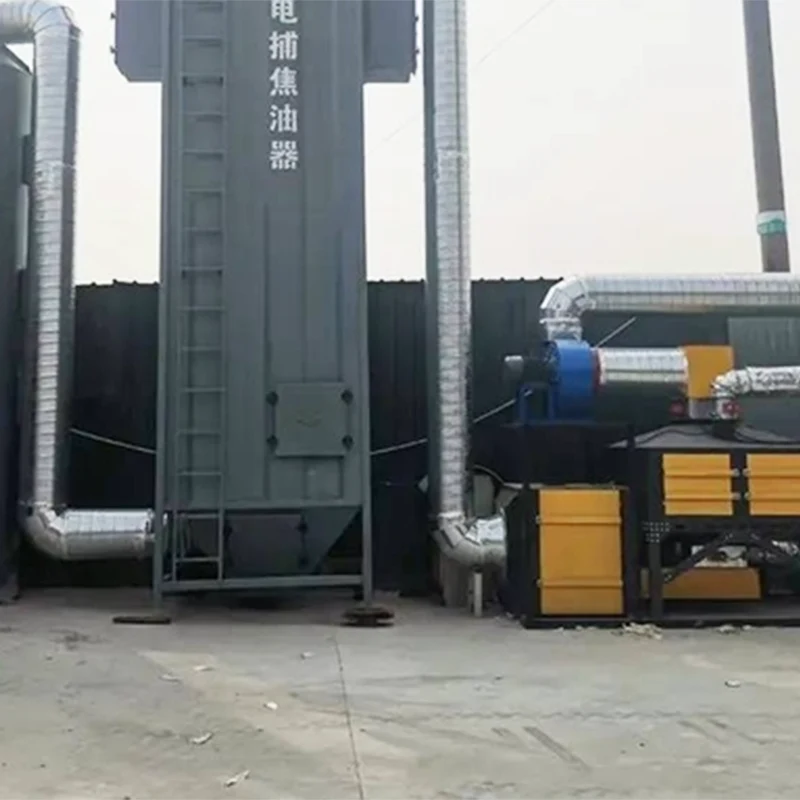
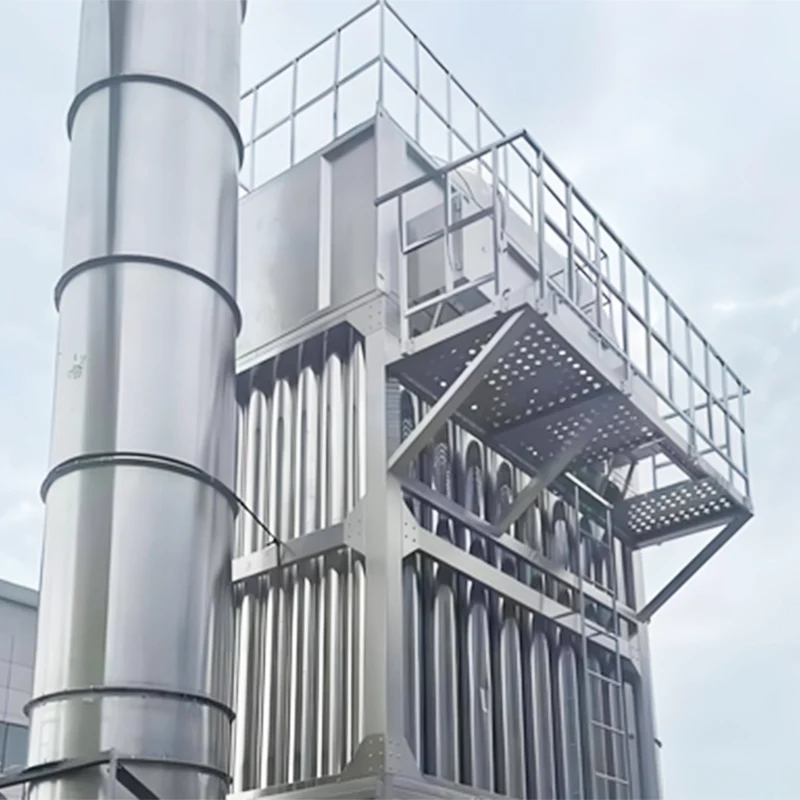
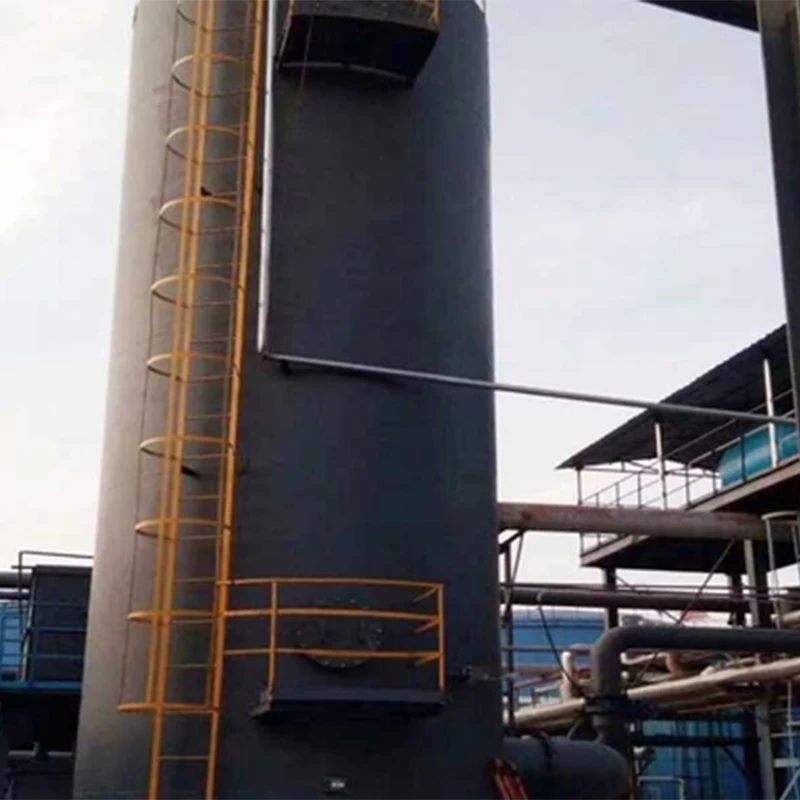
Defaee delivers reliable Electrostatic Precipitator solutions with stable electrostatic operation and economic recycling benefits. As an experienced manufacturer and supplier, it offers the Electric Deterring Precipitator (EDP). It removes 99.5% of tar, oil mist and fine dust with low air resistance, supports continuous high-temperature operation, recycles waste oil, and cuts long-term operational costs for industrial plants.
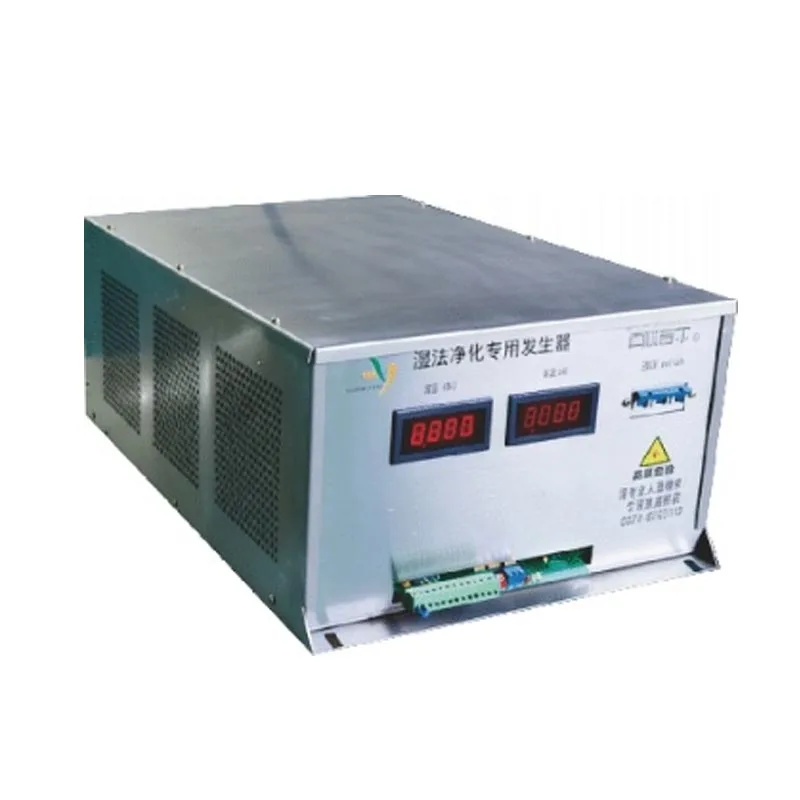
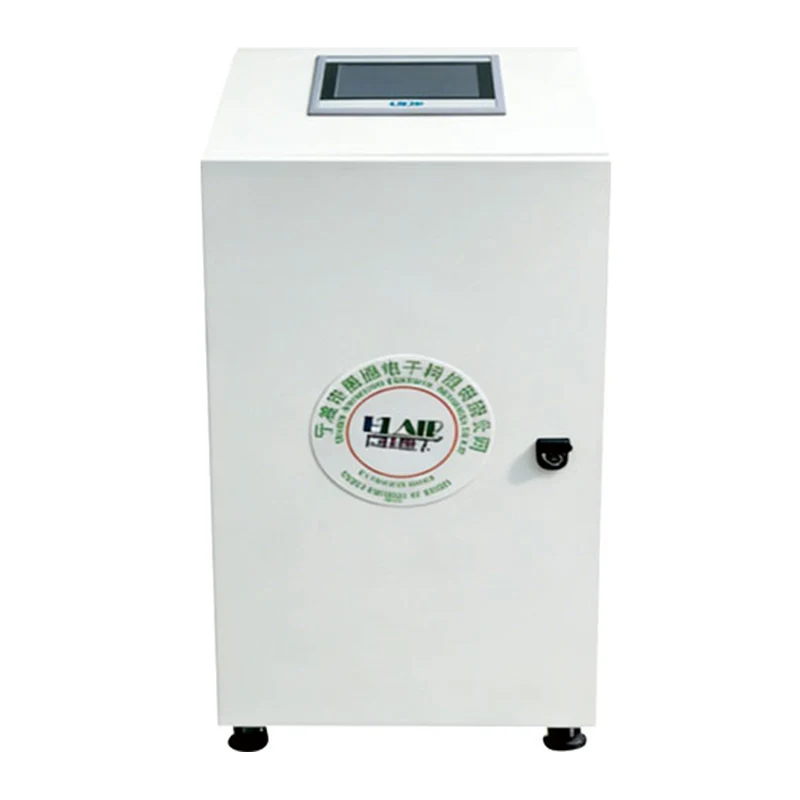
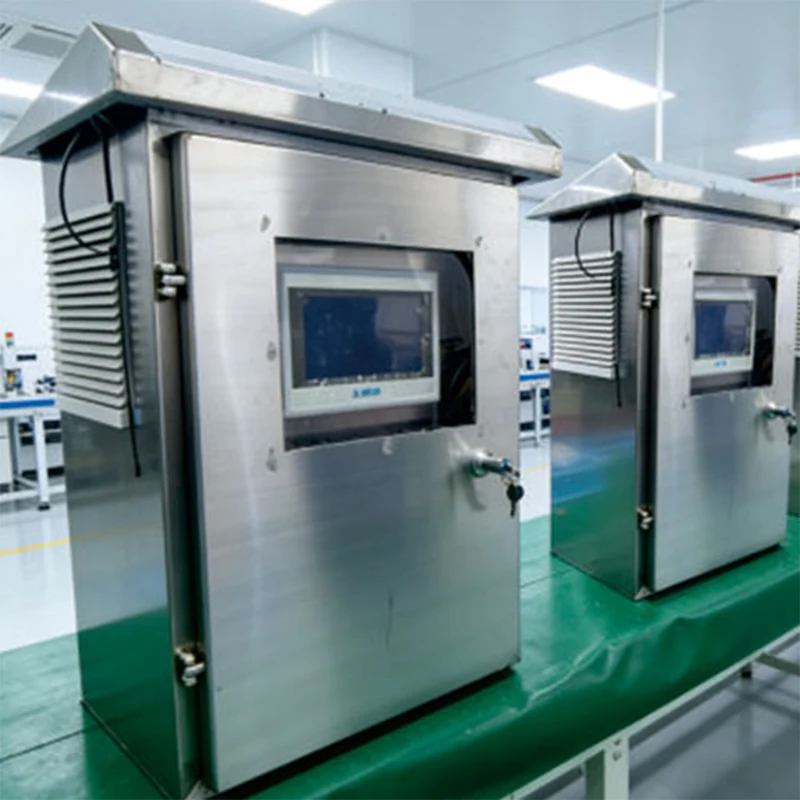
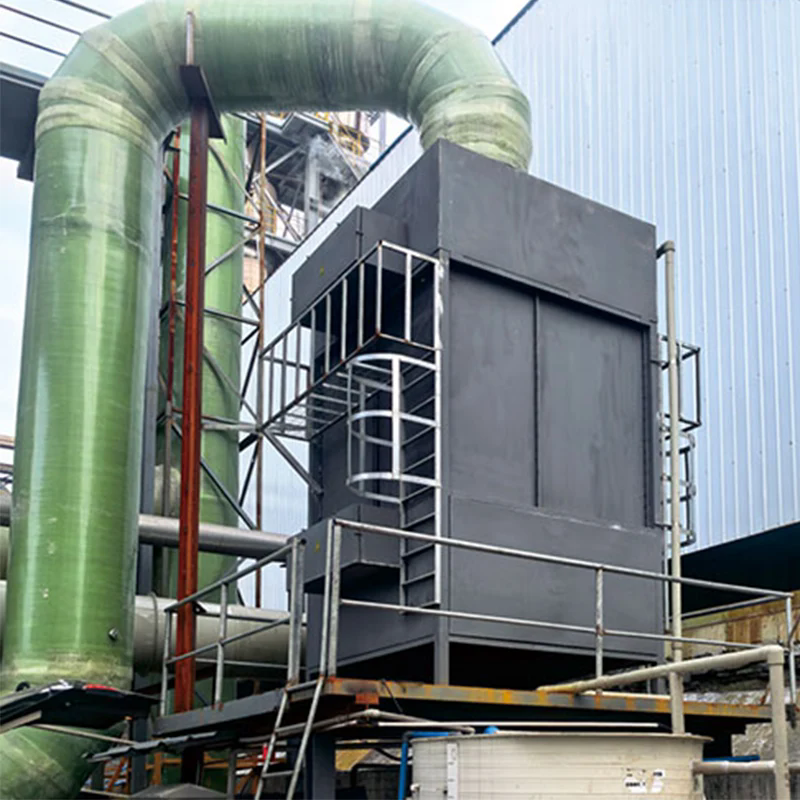
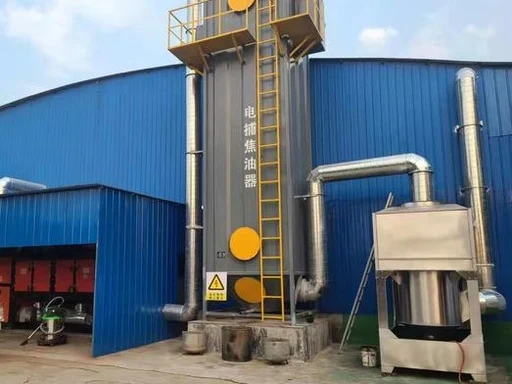
The Electrostatic Precipitator (ESP) is a core purification device that separates tar droplets, fine dust, oil mist and carbon black from exhaust gas via high-voltage DC electrostatic fields. Featuring high tar removal efficiency, low airflow resistance, high temperature resistance and recyclable captured materials, it is widely deployed for treating high-viscosity tar-laden exhaust gas in coking, coal chemical, hot forging, biomass boiler, asphalt, rubber and carbon production industries.
1. Core Working Principle (High-Voltage Electrostatic Adsorption)
The purification process follows five steps: Electric Field Ionization → Droplet Charging → Directional Migration → Adsorption & Collection → Gravity Oil Drainage.
1. Corona Discharge & Ionization: The high-voltage control cabinet outputs 40–80 kV negative DC high voltage to corona electrodes (cathodes), forming a strong electric field with grounded collecting electrodes (anodes). Air inside the field is ionized into massive electrons and negative ions to create a corona zone.
2. Droplet Charging: Exhaust gas containing tar droplets (0.1–100 μm), oil mist and dust enters from the bottom. Tar and mist particles adsorb negative ions and become negatively charged while passing through the electric field.
3. Directional Migration: Driven by electric field force, charged droplets move rapidly towards grounded collecting electrodes.
4. Adsorption & Collection: Droplets adhere to the electrode surface and release electric charges. When accumulated tar reaches a certain thickness, it flows down by gravity into the oil sump at the bottom for collection and recycling.
5. Clean Gas Discharge: Purified gas exits from the top and flows into subsequent desulfurization, denitrification or fan systems.
2. Main Structural Types (Classified by Collecting Electrodes)
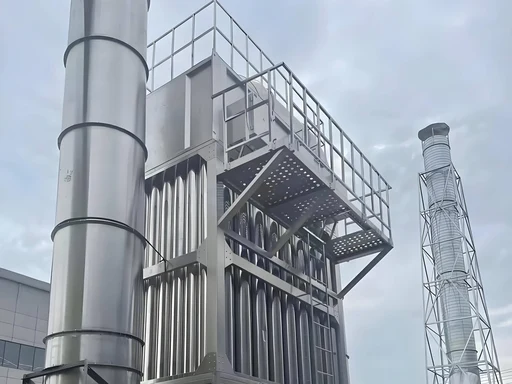
2.1 Honeycomb Type (Mainstream, High Efficiency & Compact Layout)
· Collecting electrode: Regular hexagonal honeycomb tube bundles with parallel pipelines for even airflow distribution.
· Corona electrode: Spike wires or steel wires installed at the center of each honeycomb tube.
· Advantages: Removal efficiency ≥99.5%, low resistance (50–150 Pa), large gas handling capacity and compact structure. Ideal for hot forging workshops, biomass boilers and small-to-medium coking plants.
2.2 Tubular Type (Large Capacity & Easy Maintenance)
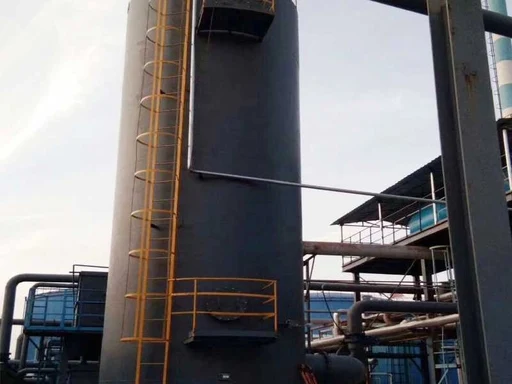
· Collecting electrode: Round steel tubes with inner diameter of 200–300 mm.
· Corona electrode: Suspended cathode wire fixed by upper and lower hangers inside each tube.
· Advantages: Withstands temperature up to 250°C, anti-clogging and easy ash cleaning, suitable for large gas flow. Mainly applied in large coking facilities and blast furnace gas treatment.
2.3 Concentric Cylinder Type (Outdated, Low Flow Rate, Rarely Used)
· Collecting electrode: Inner and outer concentric sleeves with cathode wire mounted at the center.
· Pros: Simple structure and low initial investment.
· Cons: Low purification efficiency, large footprint and limited processing capacity. Gradually phased out and replaced by honeycomb type.
3. Core Advantages
1. Ultra-high tar removal efficiency: Tar and oil mist removal rate ≥99.5%, with outlet tar concentration controlled below 10 mg/m³. It effectively captures fine droplets as small as 0.1 μm, outperforming mechanical oil removal equipment such as cyclone separators and filter screens.
2. Low resistance & energy saving: Air resistance is only 50–150 Pa, cutting fan power consumption by 30%–50% compared with baghouses and scrubbers, perfectly suited for long-term continuous operation.
3. High temperature resistance for harsh conditions: Stably operates at 80–220°C continuously and withstands transient temperature up to 250°C, adapting to high-temperature oil fume from hot forging, high-humidity tar gas from biomass fuels and raw coke oven gas.
4. Anti-fouling & easy maintenance: No filter media to clog. Captured tar flows out automatically without frequent consumable replacement. Routine steam cleaning is sufficient, leading to low annual maintenance costs.
5. Recoverable waste oil for economic benefits: Collected tar and waste oil can be recycled as fuel or chemical raw materials to offset electricity and maintenance expenses.
6. Protects downstream equipment: Thoroughly intercepts tar, oil mist and dust to prevent pipeline blockage, fan seizing, bag fouling/burning and tower scaling & corrosion. It extends the service life of downstream equipment by 2–3 times.
7. Improves workshop environment & avoids complaints: Eliminates yellow smoke, oil mist and pungent tar odor to enhance visibility. Converts fugitive emissions into organized discharge, preventing environmental penalties and public complaints.
8. Explosion-proof & stable operation: Adopts grounded cathode, sealed insulation boxes and temperature interlock devices to avoid electric sparks and spontaneous combustion of accumulated oil, safe for flue gas containing trace combustible gases.
4. Necessity of Installation for Hot Forging, Biomass Energy and Coking Industries
4.1 Compliance with Environmental Regulations
Oil fume from hot forging, tar-laden gas from biomass combustion and raw coke oven gas are strictly regulated pollutants including VOCs, oil mist and particulate matter. Direct discharge or excessive emissions will result in fines ranging from 100,000 to 1,000,000 RMB, production suspension or even revocation of discharge permits. The EDP is the most efficient solution for tar pollution and a mandatory device for EIA approval, project acceptance and environmental inspections.
4.2 Guarantees Normal Production
High-viscosity tar and oil in exhaust gas easily block pipelines, damage fans and damage filter bags and desulfurization facilities without proper treatment. Factories may need to shut down 2–3 times per month for cleaning, causing huge output losses. Equipped with EDP, the whole system runs smoothly without blockage or corrosion, lifting overall production efficiency by 15%–20%.
4.3 Cost Reduction & Profit Growth
Compared with the traditional filter + activated carbon combination, EDP requires no regular consumable replacement. Its power consumption is only 0.3–0.5 kWh per 1,000 m³ of treated gas.For a unit with gas flow of 100,000 m³/h, 50–100 tons of waste oil can be recycled every year. The revenue from recycled oil can recover the equipment investment within 1–2 years.
4.4 Targeted for Special Working Conditions
· Hot forging: Handles 150–300°C high-temperature oil fume, high-viscosity mist and graphite dust.
· Biomass boilers: Solves bag fouling caused by high humidity, tar and dust when combined with bag filters.
· Coking industry: Serves as essential pre-treatment equipment before blowers to protect follow-up desulfurization and debenzylation systems.
4.5 Prepares for Strictly Updated Policies
Regulations on VOCs, oil fume and tar emissions keep tightening. Early installation achieves one-time compliance and avoids costly retrofits in the future.
5. Professional Terminology (For Bidding Documents, Proposals & Promotion)
Core Equipment Terms
Electric Deterring Precipitator (EDP), Honeycomb EDP, Tubular EDP, Concentric Cylinder EDP, High-voltage Electrostatic Precipitator, Corona Electrode, Collecting Electrode, Oil Sump, Insulation Box, High-voltage Control Cabinet, Steam Cleaning Device
Process & Technology Terms
High-voltage electrostatic adsorption, corona discharge, electric field ionization, droplet charging, directional migration, gravity drainage, tar capture, oil mist purification, fine dust removal, high-temperature flue gas treatment, anti-fouling & anti-clogging, low-resistance energy saving, waste oil recycling, organized emission, fugitive emission collection
Application Condition Terms
Hot forging fume, hot stamping fume, biomass boiler tar gas, raw coke oven gas, blast furnace gas, asphalt fume, rubber vulcanization exhaust, carbon calcination flue gas, high-viscosity oil-bearing exhaust, high-temperature dust-laden flue gas
Compliance & Value Terms
Oil fume compliance, VOCs emission reduction, particulate matter compliance, EIA acceptance, discharge permit, environmental inspection, green factory, cleaner production, occupational health, complaint prevention, production assurance, cost reduction and efficiency improvement, explosion protection
6. Typical System Configurations for Hot Forging & Biomass Boilers
6.1 Production Line for Hot Forging Machines (4–10 units, high oil mist)
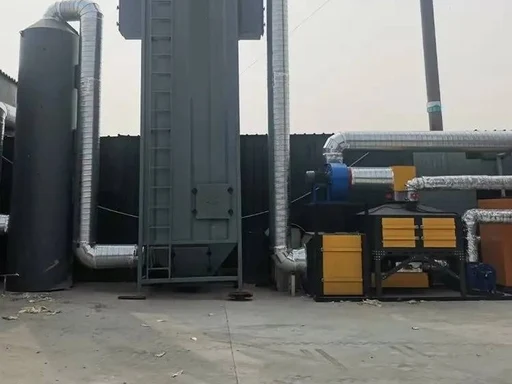
Air collection → Flame arrestor & cooling device → Honeycomb EDP → Activated carbon adsorption → Induced draft fan → 15m chimney
Effect: Outlet oil mist ≤5 mg/m³, VOCs fully compliant, smoke-free workshop and zero public complaints.
6.2 System for 10–20 t/h Biomass Boilers (high humidity & high tar content)
Cyclone pre-deduster → Honeycomb EDP → PPS/PTFE bag filter → SDS desulfurization system → Induced draft fan → Chimney
Effect: Effectively prevents bag fouling, outlet dust ≤10 mg/m³, complete tar removal and long-term stable operation.
Hot Tags: Electrostatic Precipitator, Manufacturer, Supplier, Factory
Send Inquiry
Contact Info
-
Address
No. 661 Cangchu Road, Jiangbei District, Ningbo City,ZHEJIANG PROVINCE,CHINA
-
Tel
-
E-mail
For inquiries about our products or pricelist, please leave your email to us and we will be in touch within 24 hours.