

Industry News
 29 2026-09
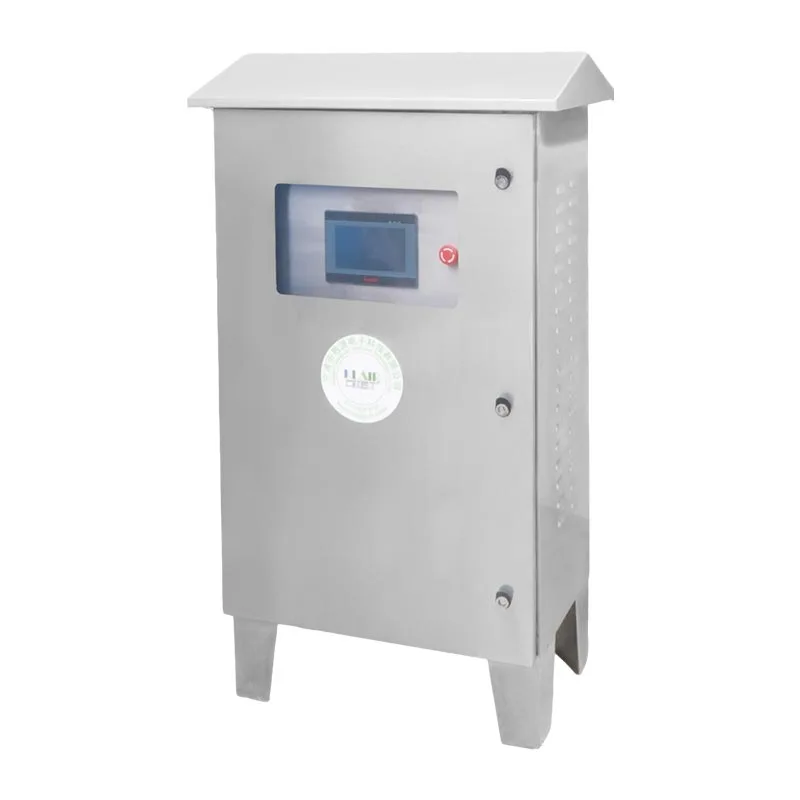
 How Can an Intelligent Purification Power Supply and Control System Assembly Transform Industrial Air Pollution Control
DeFa Intelligent Purification Power Supply and Control System Assembly integrates high-frequency high-voltage power generation, Siemens PLC control, safety protection, IoT communication, and auxiliary equipment management into one coordinated platform. Designed for industrial purification applications, this solution helps operators achieve more stable power delivery, automated operation, safer equipment management, and easier maintenance across electrostatic, plasma, VOC, and odor treatment systems.
 23 2026-09
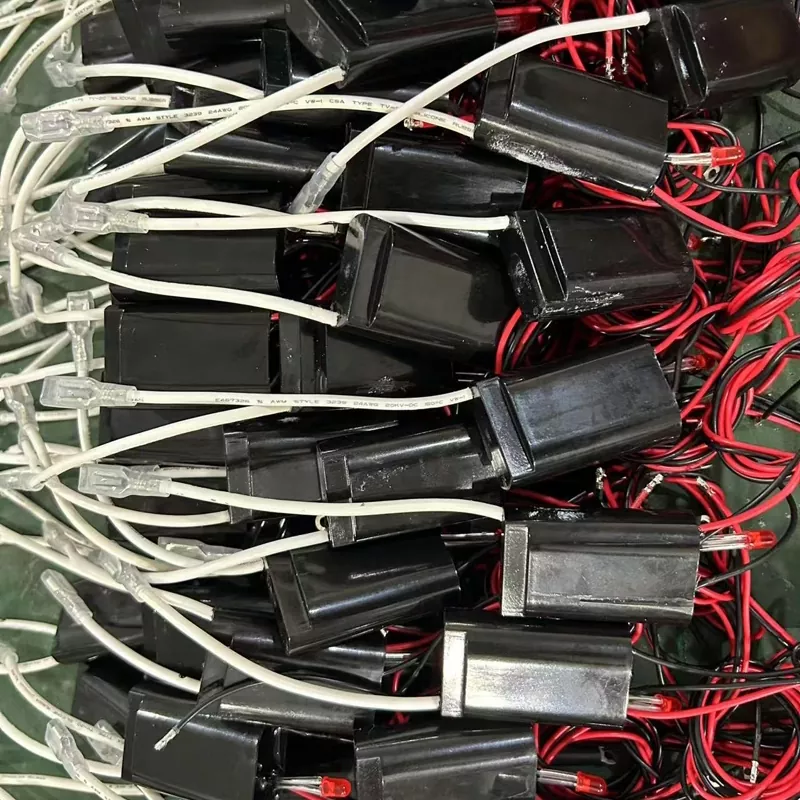
 How Can a DC High Voltage Module Improve Compact Air Purification and Ionization Systems
DeFa provides a compact DC High Voltage Module designed to convert low-voltage DC input into stable high-voltage DC output for air purifiers, ionizers, plasma devices, electrostatic precipitation systems, and other low-power air treatment equipment. With 5V or 12V input, 5–9kV output options, a compact 51 × 32 × 19 mm footprint, and integrated protection functions, this module is suitable for equipment designers looking for a space-efficient high-voltage power solution.
 15 2026-09
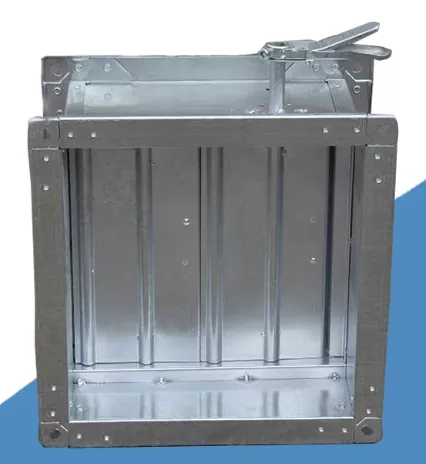
 How Can a Rectangular Air Volume Control Damper Improve HVAC Airflow Management
DeFa designs the Rectangular Air Volume Control Damper for precise airflow regulation in HVAC, cleanroom, industrial ventilation, and air-handling systems. With manual and motorized configurations, customizable dimensions, multiple material options, and leakage classes, it provides a practical solution for engineers and system integrators seeking dependable airflow balancing and zone control.
 02 2026-09
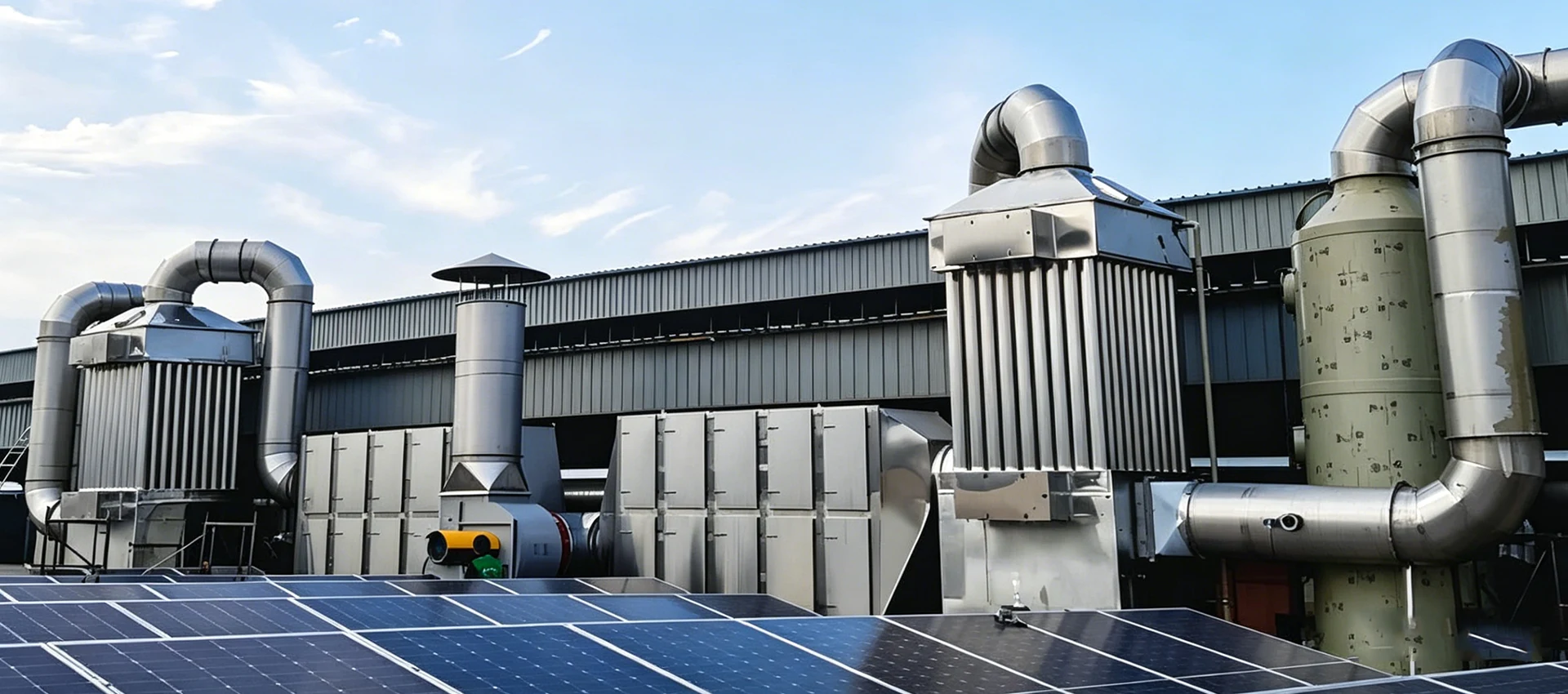
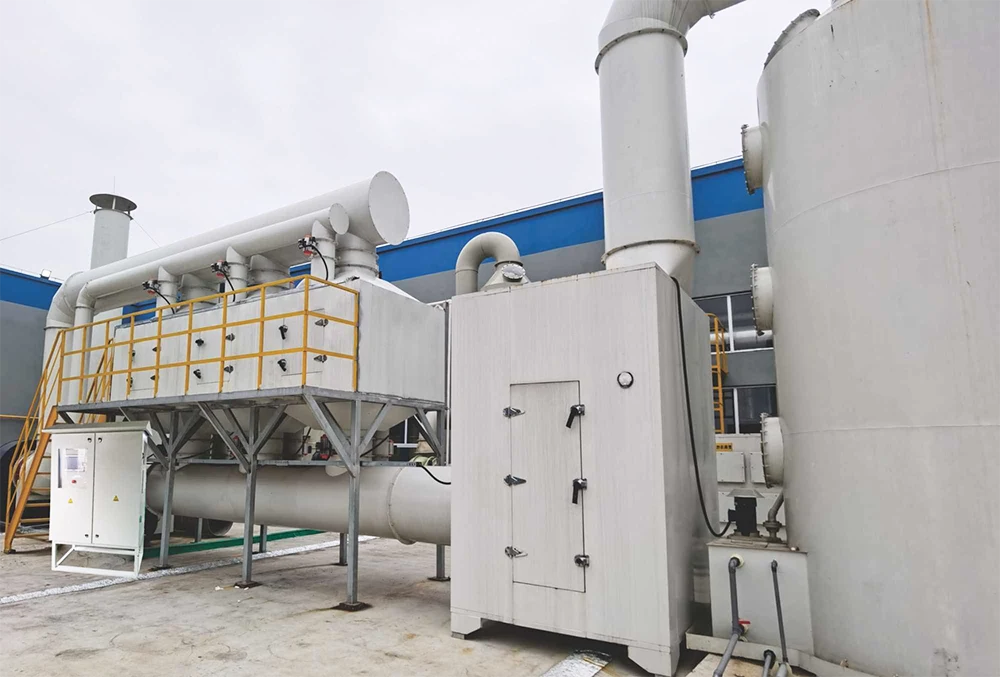
 Zeolite Rotor Concentrator + RTO: How the Combined VOC System Works
A zeolite rotor concentrator captures compatible VOCs from a large, dilute process-air stream. As the wheel rotates, a smaller heated desorption stream releases the adsorbed VOCs and carries them to an RTO at a higher concentration. The RTO then oxidizes the concentrated stream, while most of the main airflow leaves the adsorption section after treatment.
The combination can make sense when direct oxidation of the full airflow would waste energy. It does not reduce the incoming pollutant mass, and it is not suitable for every compound. Rotor media selection, pretreatment, humidity, gas temperature, desorption conditions, concentration peaks, lower explosive limit controls and downstream oxidizer duty must be engineered from representative process data.
 01 2026-09
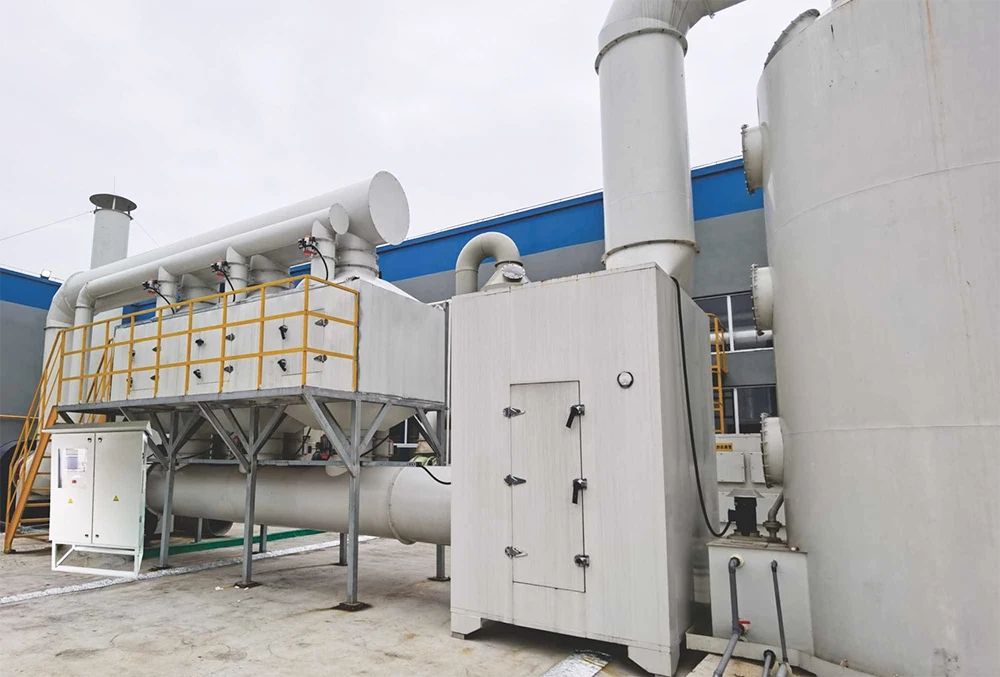
 RTO vs Catalytic Oxidizer: Which VOC Control System Fits Your Process?
An RTO oxidizes compatible VOCs at a high reaction temperature and uses switching ceramic beds to recover heat. A catalytic oxidizer passes the heated gas through a catalyst, allowing oxidation to occur at a lower temperature than thermal oxidation. The catalytic route can reduce auxiliary fuel demand, but only when the VOC mixture, particles, aerosols and trace contaminants are compatible with the selected catalyst.
Choose between them by comparing verified gas composition, minimum and peak VOC mass loading, contaminants that could mask or poison a catalyst, operating hours, required outlet performance, heat balance, maintenance capability and lifecycle cost. Neither technology is automatically the more efficient or less expensive option for every plant.
 27 2026-08
 Industrial VOC Treatment System Cost: How to Compare CAPEX, OPEX and Lifecycle Value
A credible VOC treatment system cost cannot be calculated from airflow alone. The price depends on minimum and maximum airflow, VOC mass loading, compound chemistry, temperature, humidity, co-pollutants, operating hours, outlet requirements, materials, safety controls, site work and the required treatment train.
Compare quotations using three separate values: total installed capital cost, annual operating and maintenance cost, and lifecycle cost over the same evaluation period. A lower equipment price can become the more expensive choice when it requires frequent carbon replacement, continuous auxiliary fuel, wastewater treatment or production downtime.