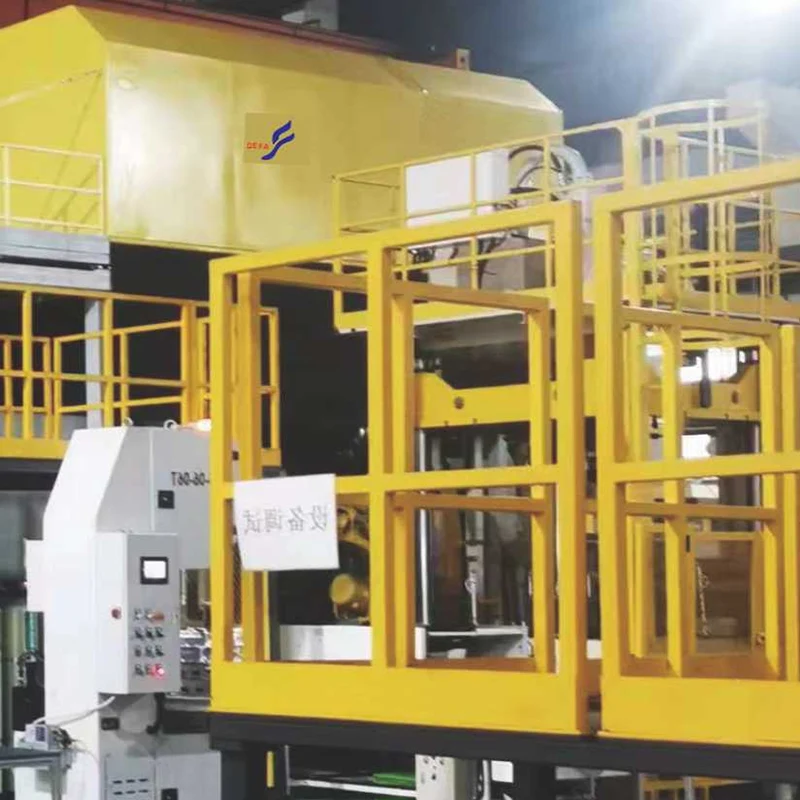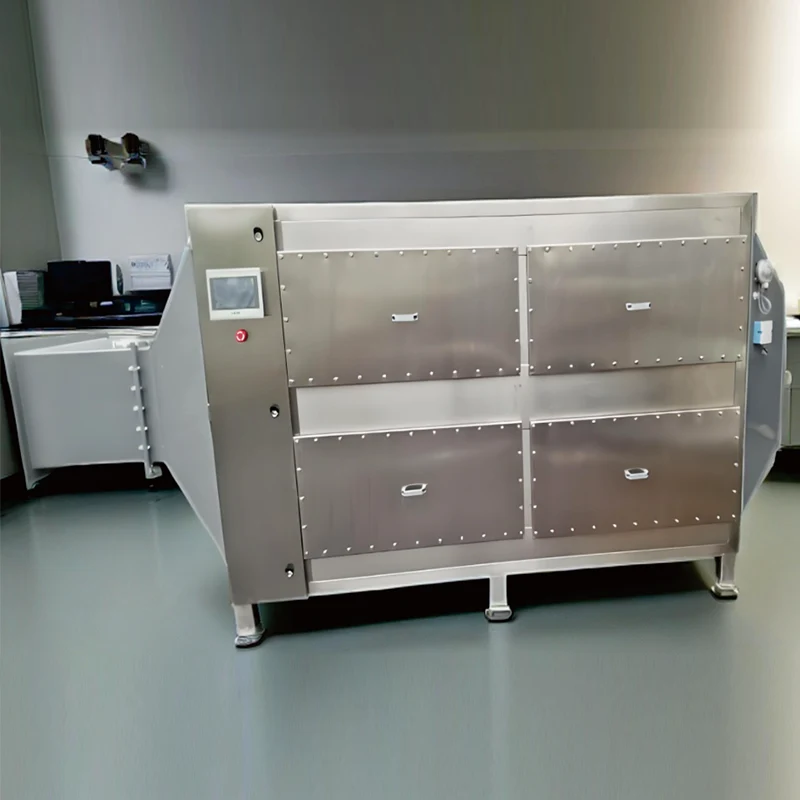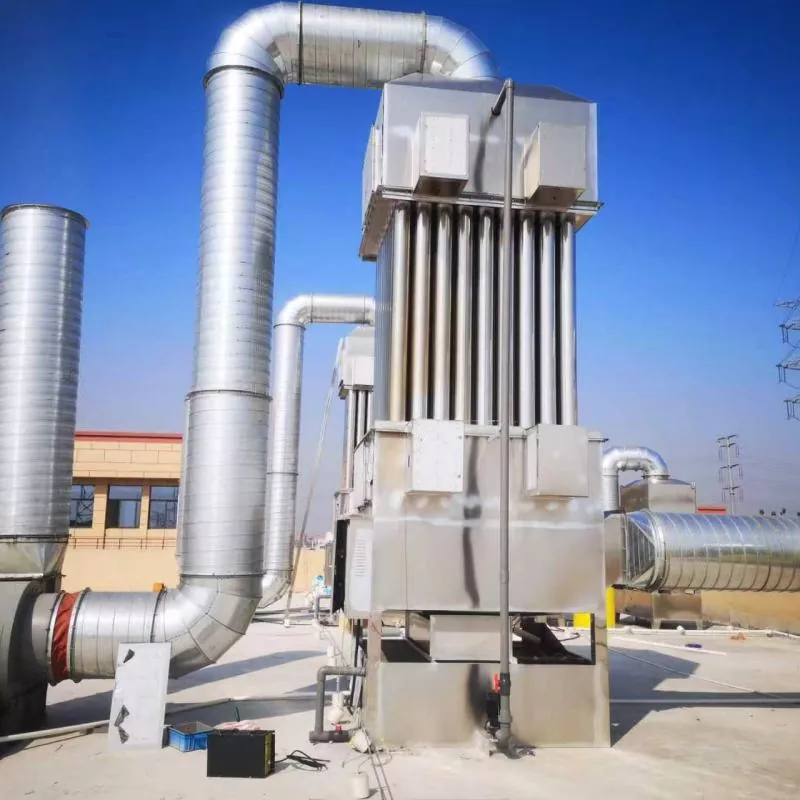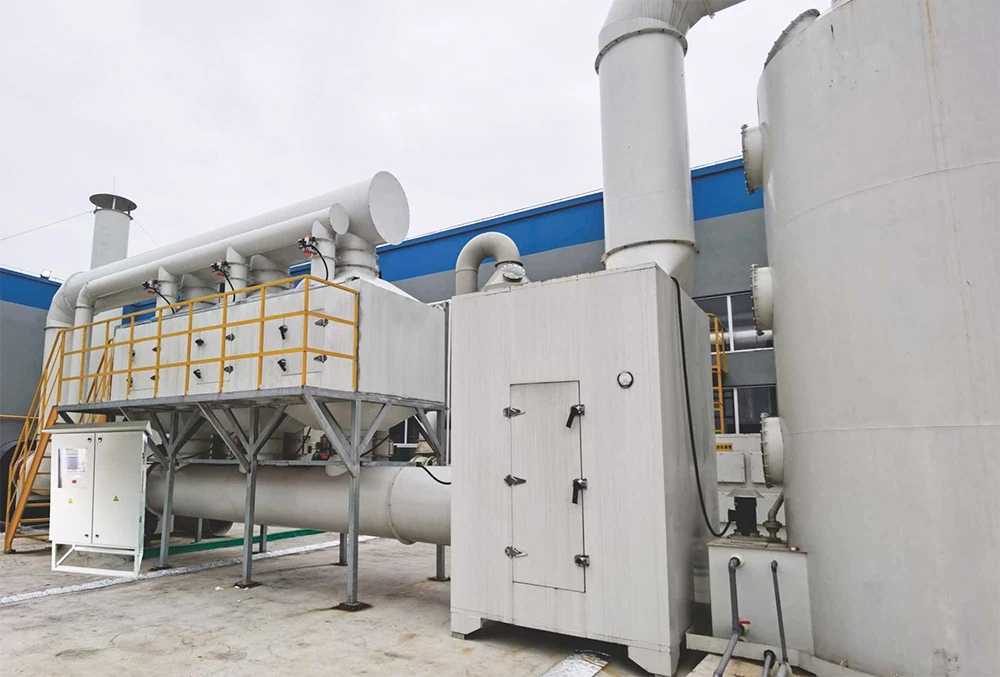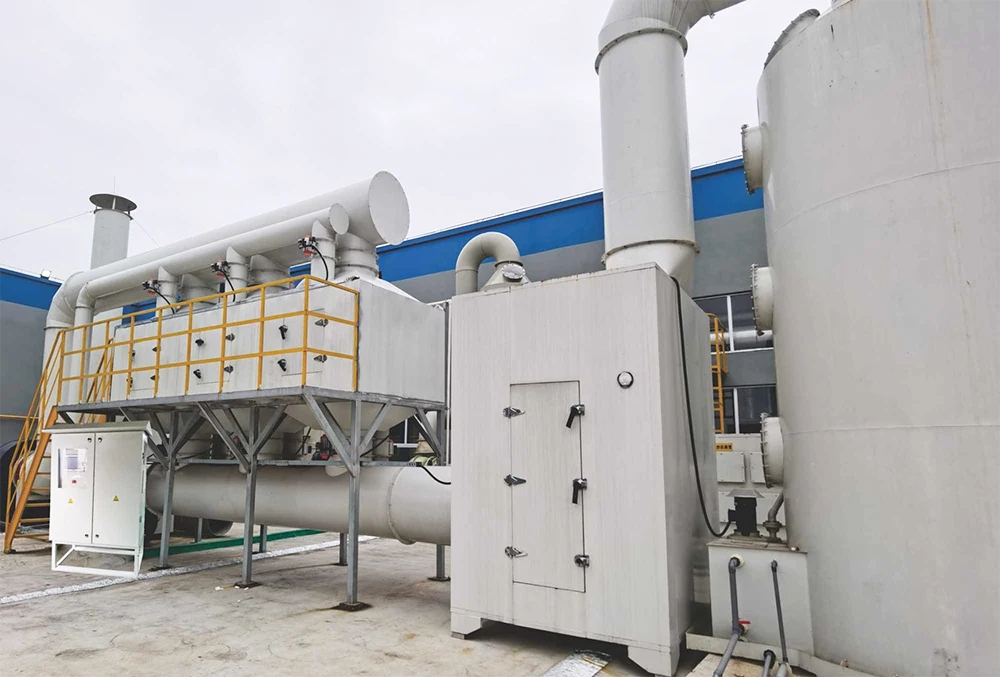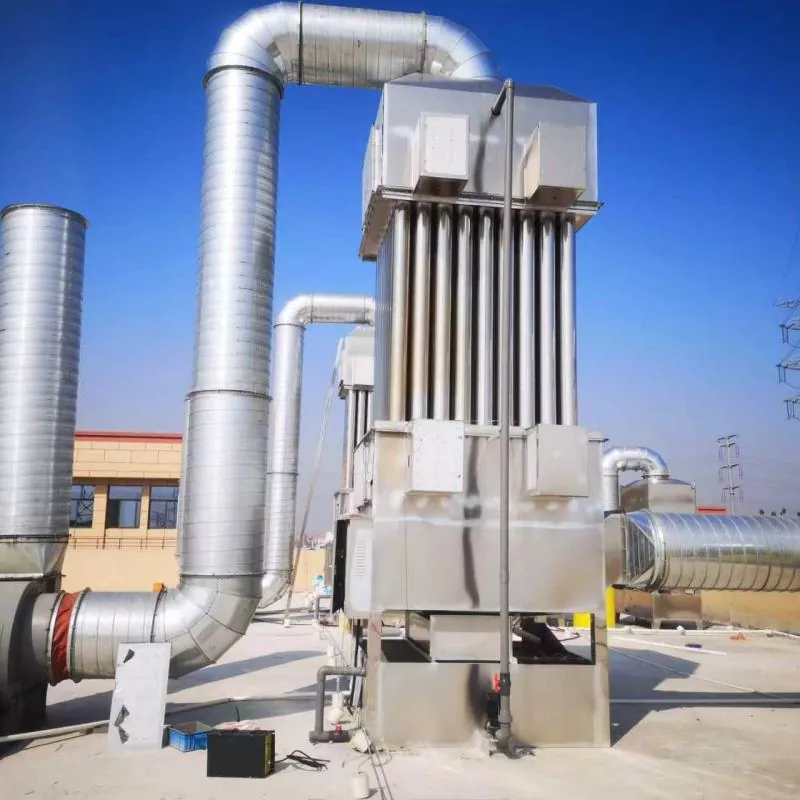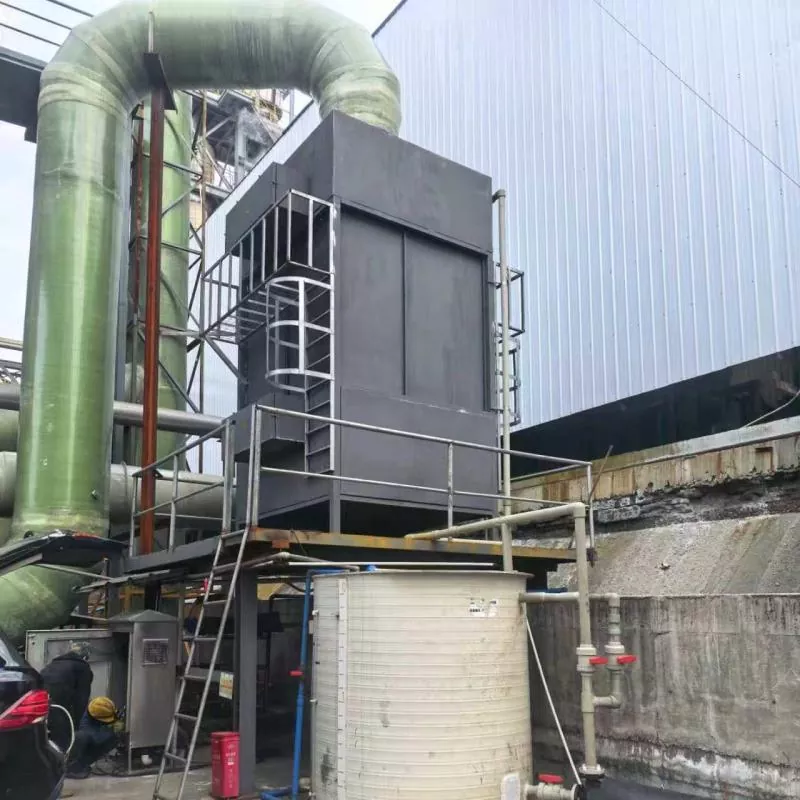
How Can an Acidic Waste Gas Treatment System Improve Industrial Safety and Emission Control
Article Summary: An acidic waste gas treatment system helps industrial facilities control corrosive acid gases, reduce air pollution, and protect equipment and personnel. DeFa provides customized treatment solutions using multi-stage wet scrubbing, chemical neutralization, and corrosion-resistant materials to address emissions from lithium battery manufacturing, electroplating, metal pickling, and chemical processing. This guide explains how the system works, which components matter, how to select the right configuration, and what to consider for long-term operation.
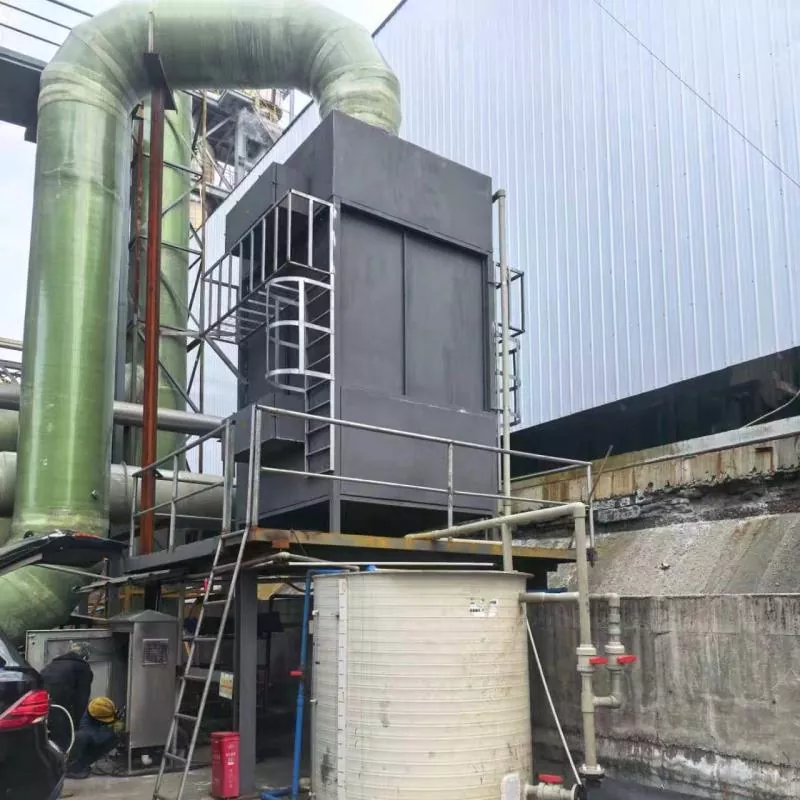
Table of Contents
- What Is an Acidic Waste Gas Treatment System?
- How Does the Treatment Process Work?
- What Are the Main System Components?
- Which Industries Need Acidic Waste Gas Treatment?
- Which Technical Factors Affect System Performance?
- How Should Corrosion-Resistant Materials Be Selected?
- How Can Operators Maintain Stable Performance?
- How Do You Choose the Right Treatment System?
- Frequently Asked Questions
- Conclusion: Building a More Reliable Emission Control Strategy
What Is an Acidic Waste Gas Treatment System?
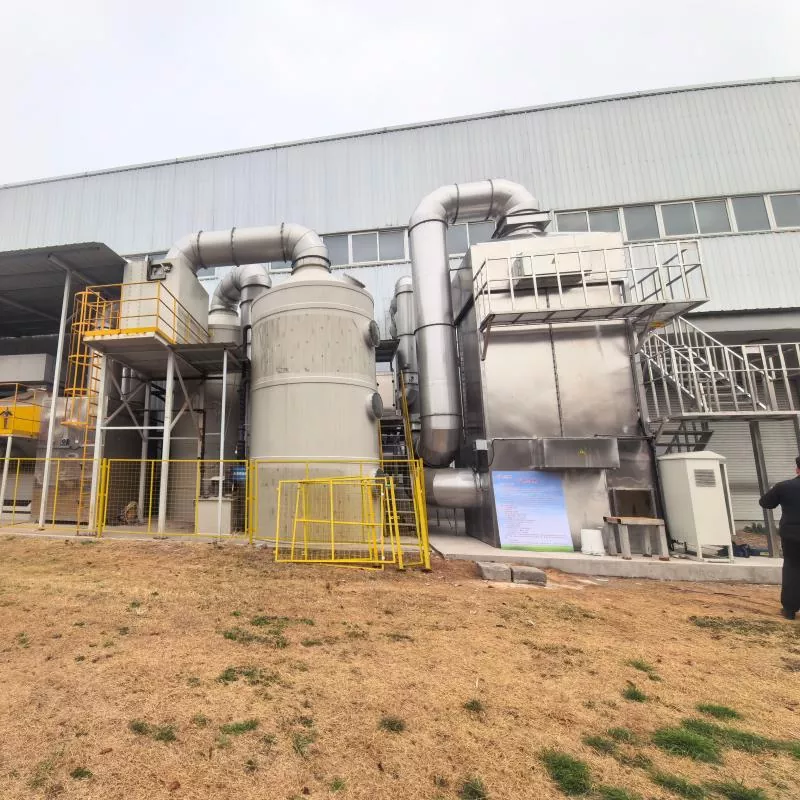
An Acidic Waste Gas Treatment System is an industrial air pollution control solution designed to capture and remove acidic gases and acid mist before exhaust is discharged into the atmosphere. These pollutants can be generated during chemical reactions, metal surface treatment, battery material production, and other industrial operations.
Common contaminants include hydrogen chloride (HCl), hydrofluoric acid (HF), sulfuric acid mist (H₂SO₄), and nitric acid mist (HNO₃). Depending on the production process, exhaust may also contain sulfur dioxide (SO₂), nitrogen oxides (NOₓ), dust, or other substances requiring additional treatment.
DeFa, the environmental purification equipment brand of Shengyuan Technology, offers customized acidic waste gas treatment solutions designed around pollutant composition, exhaust volume, operating temperature, and emission requirements. Its multi-stage wet scrubbing approach supports applications where effective gas absorption and corrosion resistance are essential.
Rather than relying on a single universal configuration, a properly engineered system matches its treatment stages and construction materials to the actual exhaust conditions. This helps industrial operators manage environmental risks while maintaining reliable production.
How Does the Treatment Process Work?
Most acidic waste gas treatment systems use wet absorption and chemical neutralization as their primary treatment mechanisms. Acidic pollutants transfer from the gas phase into a circulating liquid, where suitable alkaline reagents react with the absorbed compounds.
For example, hydrogen chloride reacts with sodium hydroxide to form sodium chloride and water:
HCl + NaOH → NaCl + H₂O
Sulfuric acid also reacts with sodium hydroxide:
H₂SO₄ + 2NaOH → Na₂SO₄ + 2H₂O
A typical multi-stage treatment process follows these steps:
- Exhaust collection: Ductwork and local exhaust hoods capture acidic emissions close to their source.
- Pre-treatment: A quench tower, cyclone, or Venturi scrubber may reduce temperature or remove dust and fine mist when necessary.
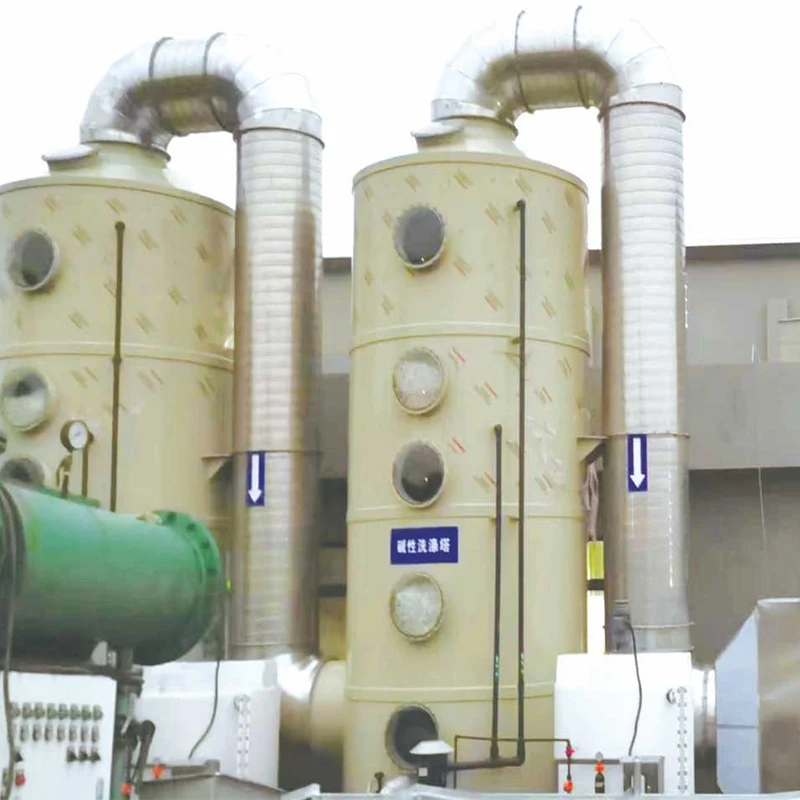
- Primary absorption: Exhaust contacts an alkaline solution in a spray chamber or packed tower, allowing major acidic components to be absorbed and neutralized.
- Secondary purification: Additional scrubbing stages reduce residual pollutants and improve treatment consistency.
- Demisting: A mist eliminator captures entrained liquid droplets before the gas reaches the exhaust fan and discharge stack.
- Liquid management: Circulating liquid is monitored, replenished, and partially discharged when dissolved salts or other contaminants accumulate.
Multi-stage treatment is especially useful when exhaust contains several acidic compounds or when inlet concentrations fluctuate. Oxidation or reduction stages may be required for particular contaminants, such as certain nitrogen oxide streams, depending on their chemistry and the selected process.
What Are the Main System Components?
Each component contributes to the overall performance of an acidic waste gas treatment system. Proper coordination between gas collection, absorption, liquid circulation, and exhaust handling is necessary to achieve consistent results.
| Component | Primary Function | Important Design Consideration |
|---|---|---|
| Pre-treatment unit | Reduces excess heat, dust, or coarse mist | Must match the inlet gas characteristics |
| Scrubbing tower | Provides gas-liquid contact for pollutant absorption | Tower dimensions, packing, and contact efficiency |
| Spray nozzles and packing | Distribute liquid and increase contact area | Resistance to corrosion, clogging, and fouling |
| Circulation pump | Returns scrubbing liquid to the spray system | Flow rate, chemical compatibility, and reliability |
| Reagent dosing system | Maintains the required scrubbing-liquid chemistry | Accurate dosing and appropriate pH monitoring |
| Mist eliminator | Removes entrained droplets from treated gas | Droplet removal efficiency and pressure drop |
| Exhaust fan and stack | Moves gas through the system and discharges treated exhaust | Airflow, system resistance, and corrosion protection |
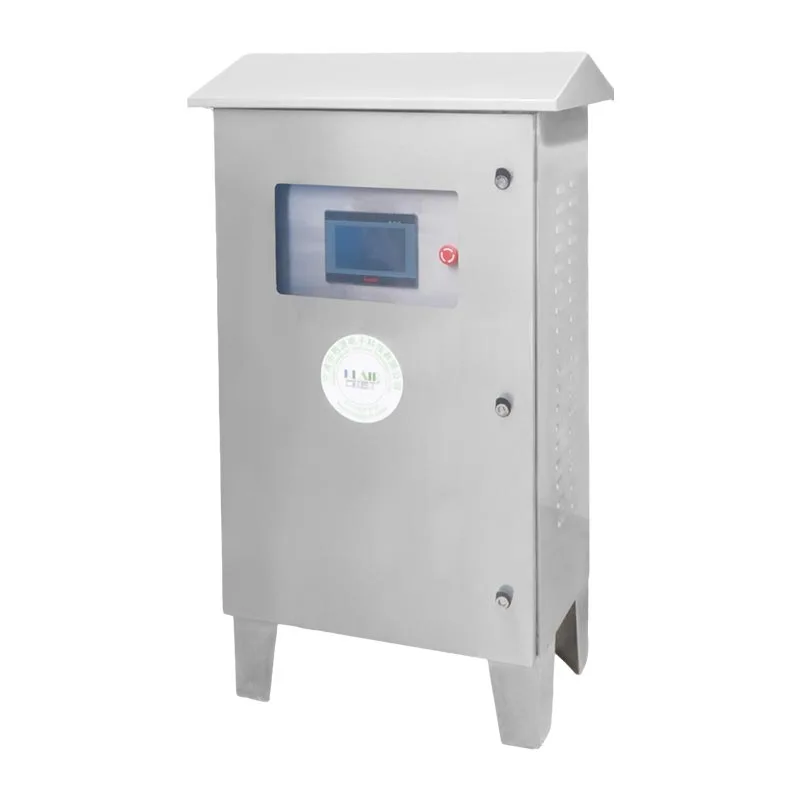
| Control system | Monitors operating conditions and coordinates equipment | Alarm logic, interlocks, and automatic control functions |
Depending on the project, a DeFa solution can incorporate multiple scrubbing stages, suitable corrosion-resistant construction, and automated control features. The final equipment arrangement should be determined through engineering assessment rather than selecting components solely by nominal capacity.
Which Industries Need Acidic Waste Gas Treatment?
Acidic emissions arise in different forms across industrial sectors. Their concentration, moisture content, temperature, and chemical composition determine which treatment configuration is appropriate.
- Lithium battery manufacturing: Cathode material processing and related thermal or chemical operations may release acidic gases, including HF under certain process conditions.
- Electroplating: Plating baths and surface preparation processes can generate acid mist that requires effective collection and scrubbing.
- Metal pickling and steel processing: Hydrochloric acid and sulfuric acid operations can produce corrosive vapors and droplets along treatment lines.
- Chemical manufacturing: Reactors, transfer operations, and chemical handling equipment may release mixed acidic exhaust streams.
- Pharmaceutical production and laboratories: Selected processes and fume hood exhaust may require dedicated treatment based on the chemicals being handled.
- Semiconductor and electronic materials production: Certain wet-processing operations generate acid-containing exhaust that requires application-specific purification.
For facilities handling mixed acids, the treatment system should account for interactions between pollutants, potential by-products, and material compatibility. For example, an exhaust stream containing HF requires particular attention because hydrofluoric acid attacks glass-containing materials.
Which Technical Factors Affect System Performance?
The performance of an acidic waste gas treatment system depends on more than the number of scrubbing stages. Engineers must evaluate the full operating envelope before selecting equipment.
| Design Parameter | Why It Matters | Information Required |
|---|---|---|
| Gas flow rate | Determines tower size and required fan capacity | Normal and peak exhaust volume |
| Pollutant composition | Determines absorption chemistry and material compatibility | Identified acids, mixtures, and relevant contaminants |
| Inlet concentration | Affects reagent demand and treatment-stage requirements | Measured or estimated concentration range |
| Gas temperature | Influences absorption conditions and equipment selection | Normal, maximum, and transient temperatures |
| Required outlet quality | Defines the necessary treatment performance | Applicable local emission limits |
| Pressure drop | Affects fan selection and operating energy | Allowable resistance across the complete system |
| Wastewater characteristics | Influences blowdown handling and disposal costs | Expected salts, dissolved contaminants, and discharge limits |
These parameters should be evaluated together. Increasing gas flow without adjusting tower dimensions, liquid distribution, and fan capacity can compromise performance. Likewise, a high removal target may require additional stages, improved gas-liquid contact, or a different treatment method.
Any quoted removal efficiency should be interpreted in the context of the inlet conditions, operating range, target pollutant, and measurement method. Actual discharge compliance must be confirmed against the requirements applicable to the installation site.
How Should Corrosion-Resistant Materials Be Selected?
Material selection is a major factor in the durability of an acidic waste gas treatment system. Acidic condensate and circulating chemical solutions can attack tower walls, pumps, piping, fasteners, and fan components if the materials are unsuitable.
Common construction options include:
- Polypropylene (PP): Frequently used for wet scrubber towers, piping, and internal components where its chemical and temperature compatibility is suitable.
- Polyvinylidene fluoride (PVDF): Considered for demanding chemical environments, including selected HF-containing applications.
- Fiberglass-reinforced plastic (FRP): Can provide corrosion resistance and structural strength for compatible acid services. Standard FRP should not be selected for HF-wetted applications without specific material validation.
- PVC: May be suitable for certain lower-temperature, chemically compatible piping and components.
- Coated stainless steel: Can be considered in selected services when the alloy, coating, temperature, and chemical exposure have been properly evaluated.
There is no single material that is ideal for every acidic gas. For example, the presence of fluoride can change the suitability of tower linings, packing, and fan materials. Engineers should assess chemical concentration, operating temperature, exposure duration, and the possibility of condensation before confirming the specification.
DeFa's acidic waste gas treatment solutions can be configured with materials such as PP, PVDF, or FRP according to project conditions. Buyers can review the Acidic Waste Gas Treatment System product page for further information about the equipment and its intended applications.
How Can Operators Maintain Stable Performance?
Routine inspection helps prevent avoidable shutdowns, excessive chemical consumption, and deterioration in pollutant removal. A maintenance program should reflect the exhaust composition, operating hours, and manufacturer's recommendations.
Key maintenance activities include:
- Check scrubbing-liquid pH: Calibrate probes and verify that the control setpoint matches the selected neutralization chemistry.
- Inspect pumps and pipelines: Look for leakage, vibration, abnormal noise, and changes in liquid flow.
- Clean spray nozzles: Remove deposits that may cause uneven liquid distribution.
- Examine tower packing: Check for fouling, channeling, damage, or blockages that can reduce gas-liquid contact.
- Maintain the mist eliminator: Clean accumulated deposits and monitor pressure drop.
- Inspect fans and ducts: Check for corrosion, liquid accumulation, loose connections, and abnormal vibration.
- Manage wastewater: Monitor blowdown quality and route spent scrubbing liquid to an appropriate treatment process.
- Review operating records: Track pressure drop, pH, reagent use, airflow, alarms, and outlet monitoring results where available.
Maintenance intervals should be established from actual operating conditions rather than treated as universal fixed schedules. Facilities with high dust loads or aggressive mixed acids may require more frequent inspections.
It is equally important to manage the secondary waste generated during scrubbing. Neutralization transfers acidic pollutants into the liquid phase; it does not make the resulting wastewater automatically suitable for direct discharge. Wastewater treatment and disposal must comply with applicable requirements.
How Do You Choose the Right Treatment System?
Industrial buyers should evaluate a proposed system based on process suitability, lifecycle cost, maintainability, and verifiable performance. A lower purchase price may not represent the best long-term value if the equipment is poorly matched to the exhaust conditions.
Before requesting a quotation, prepare the following information:
- Document the exhaust source: Identify the production process and the locations where gas collection is required.
- Characterize the pollutants: Provide the acid species, concentrations, moisture content, and any relevant co-contaminants.
- Confirm the operating conditions: Specify normal and peak airflow, temperature, operating hours, and process fluctuations.
- Define the emission targets: Identify the applicable discharge limits and the required monitoring or testing method.
- Assess installation constraints: Confirm available floor space, foundation requirements, duct routing, utilities, and maintenance access.
- Review material compatibility: Verify that wetted components and downstream equipment can withstand the actual chemical exposure.
- Evaluate operating costs: Consider reagent consumption, electricity, wastewater treatment, replacement parts, inspections, and downtime.
- Confirm commissioning and support: Establish acceptance criteria, testing arrangements, documentation, and after-sales service responsibilities.
For procurement teams comparing suppliers, it is useful to request a documented process proposal that explains the treatment stages, expected operating conditions, material specifications, control strategy, and wastewater management requirements.
Explore DeFa's industrial waste gas treatment equipment to review related treatment approaches. Where exhaust contains both acidic and non-acidic pollutants, the complete treatment train should be assessed to determine whether additional filtration, mist removal, or specialized treatment is necessary.
Frequently Asked Questions
1. What pollutants can an acidic waste gas treatment system remove?
Depending on its design, a system can treat hydrogen chloride, hydrofluoric acid, sulfuric acid mist, nitric acid mist, and selected other acid-containing exhaust streams. Pollutants such as NOₓ may require additional reagents or specialized treatment stages. The final configuration depends on gas composition and the required outlet limits.
2. Why is multi-stage wet scrubbing used?
Multiple stages provide additional gas-liquid contact and help reduce residual pollutants after primary absorption. They can be particularly useful for mixed-acid exhaust, variable inlet concentrations, and demanding emission targets. The required number of stages must be determined through engineering calculations and, where appropriate, performance testing.
3. Which materials are suitable for acidic waste gas treatment equipment?
PP, PVDF, FRP, PVC, and appropriately specified coated metals may be suitable in different applications. Selection depends on the acid species, concentration, temperature, and exposure conditions. HF service requires particular caution because it attacks glass-containing materials, making ordinary FRP unsuitable for relevant wetted components.
4. Does wet scrubbing generate wastewater?
Yes. Acidic pollutants react with or dissolve into the circulating liquid, causing dissolved salts and other contaminants to accumulate. A controlled blowdown stream is therefore usually required. It must be evaluated and treated appropriately before reuse or discharge.
5. How can chemical consumption be controlled?
Proper pH monitoring, calibrated dosing pumps, appropriate control setpoints, and regular checks of the inlet pollutant load help prevent excessive reagent use. The system should maintain sufficient neutralization capacity without unnecessary chemical addition. Actual consumption depends on acid loading, operating conditions, and blowdown losses.
6. Can the system handle high-temperature exhaust?
Potentially, but the permissible inlet temperature depends on the selected equipment and materials. A pre-cooling or quenching stage may be necessary for hotter exhaust streams. Temperature limits and cooling requirements should be confirmed during the design stage.
7. What information should I provide when requesting a quotation?
Provide the gas flow rate, pollutant composition and concentration, inlet temperature, required outlet limits, operating schedule, site constraints, and wastewater handling arrangements. If available, include gas analysis reports and existing system performance data. These details help the supplier develop a more appropriate technical proposal.
Conclusion: Building a More Reliable Emission Control Strategy
An effective acidic waste gas treatment system combines suitable absorption chemistry, carefully selected materials, reliable gas-liquid contact, and consistent operating control. For industries such as lithium battery production, electroplating, metal pickling, and chemical manufacturing, the right configuration can help control corrosive emissions, protect downstream equipment, and support environmental compliance.
DeFa provides customized acidic waste gas treatment solutions based on process conditions and project requirements. Whether you are planning a new installation or upgrading an existing exhaust treatment line, a detailed assessment of pollutants, airflow, temperature, materials, and wastewater management is the foundation of a dependable solution.
Looking for a suitable acidic waste gas treatment solution for your facility? Visit the DeFa Acidic Waste Gas Treatment System page to learn more about the product, or contact us with your exhaust parameters and project requirements. Our team can help assess your application and discuss a customized treatment configuration for your industrial emission control needs.
Related News
- How Can a Rectangular Air Volume Control Damper Improve HVAC Efficiency and Airflow Precision
- Industrial VOC Removal: How Pretreatment Protects Activated Carbon, Zeolite Rotors and RTO Systems
- How Can a Quenching Furnace Oil Fume Purification System Improve Industrial Air Quality and Production Efficiency
- How Can High-Viscosity Oil Fume Purification Equipment Improve Industrial Air Quality and Production Efficiency
- Can a Wet Scrubber Remove VOCs? A Practical Selection and Troubleshooting Guide
- How Can an Intelligent Purification Power Supply and Control System Assembly Transform Industrial Air Pollution Control
Leave me a message