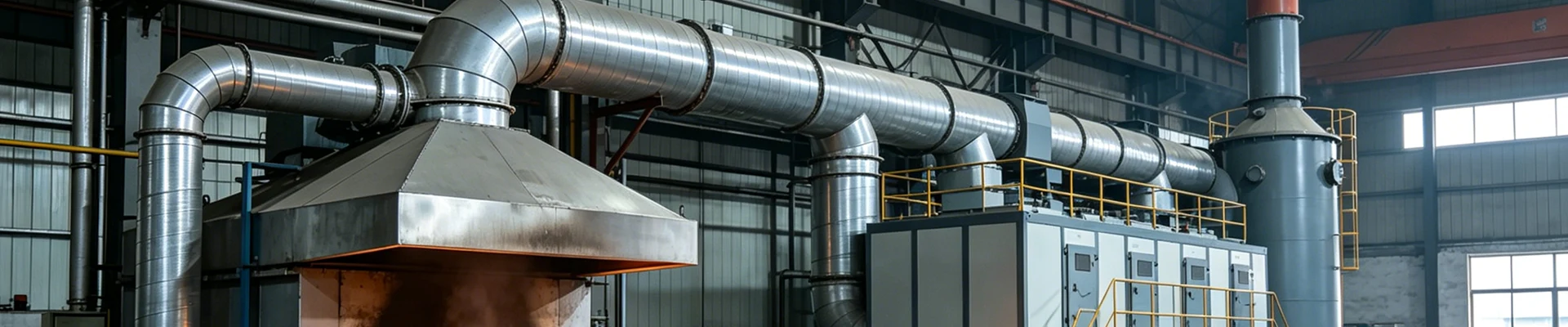
High-Viscosity Oil Fume Purification Equipment
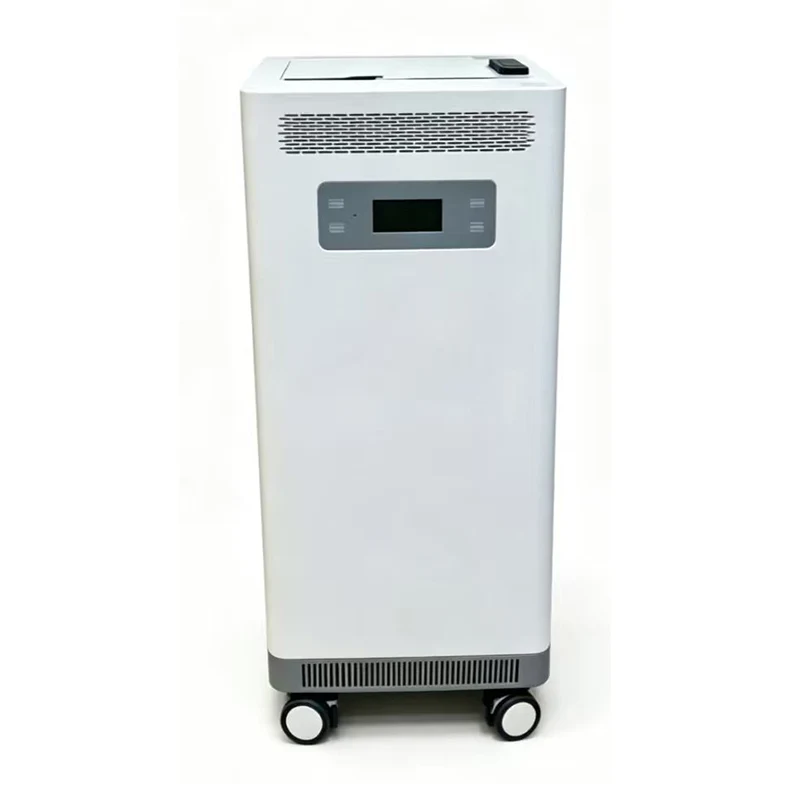
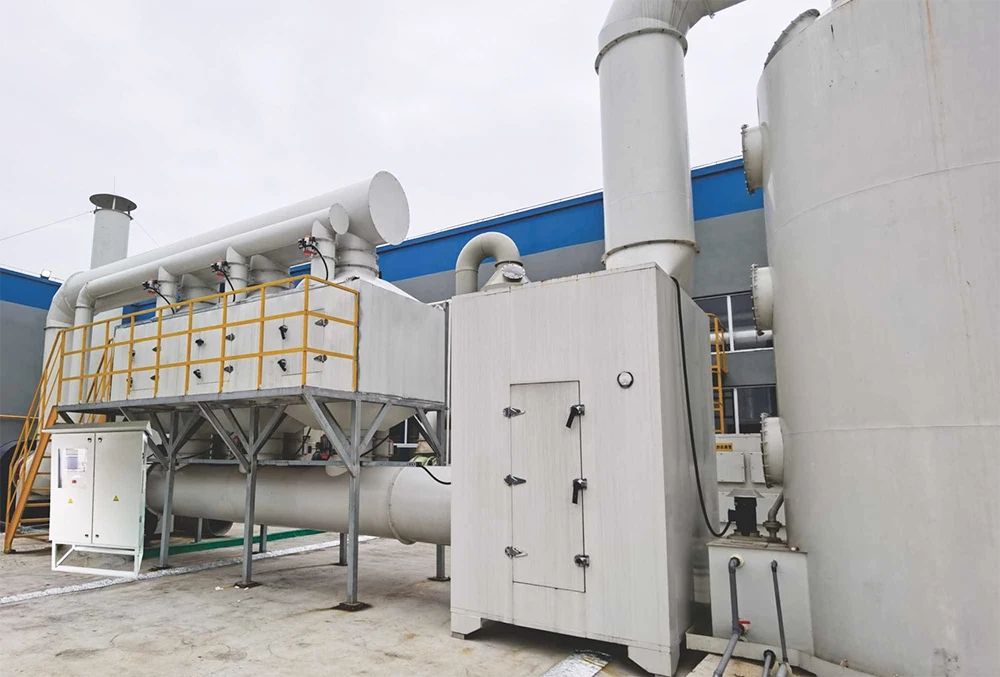
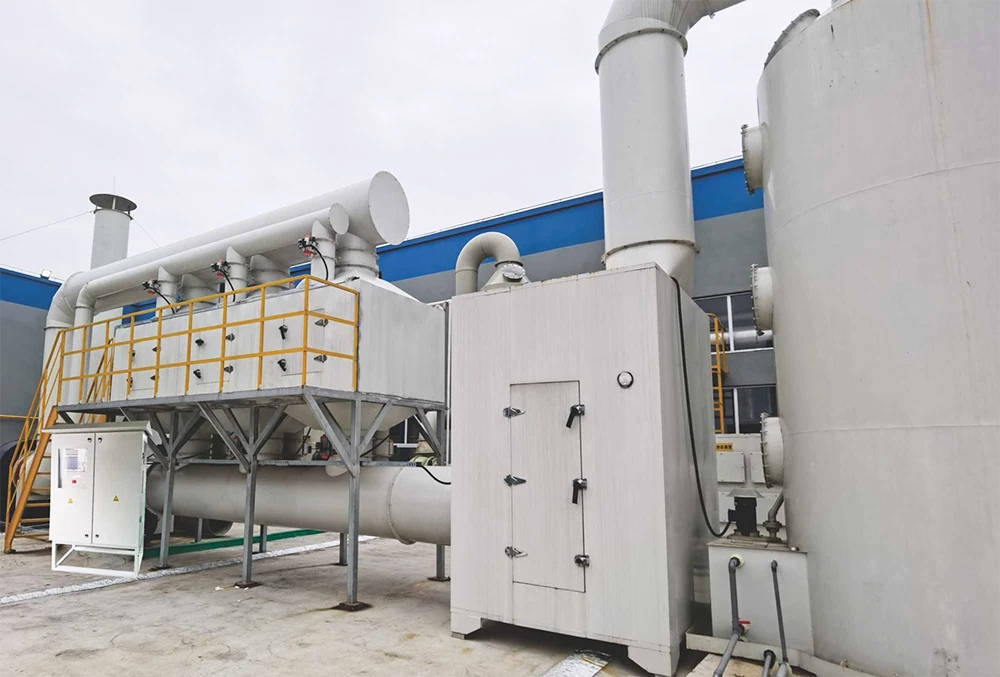
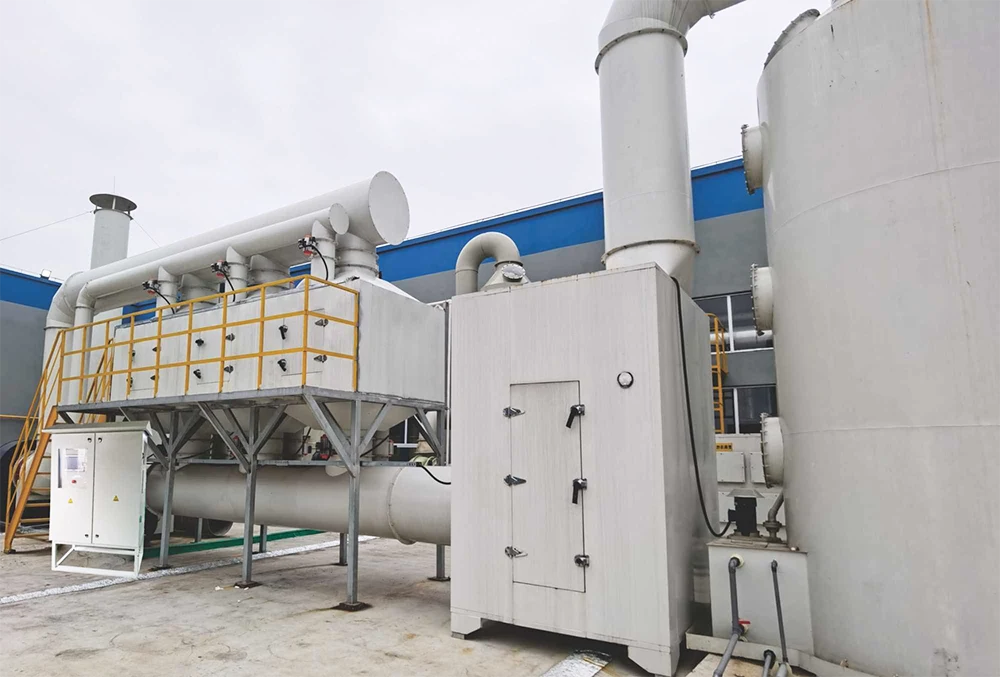
DeFa High-Viscosity Oil Fume Purification Equipment is designed for sticky oil mist from quenching, cold heading, wire drawing, and heavy-duty machining. Its staged pre-separation and coalescing filtration reduce oil loading, with optional electrostatic capture. Buy, source, or order customized systems from DeFa.
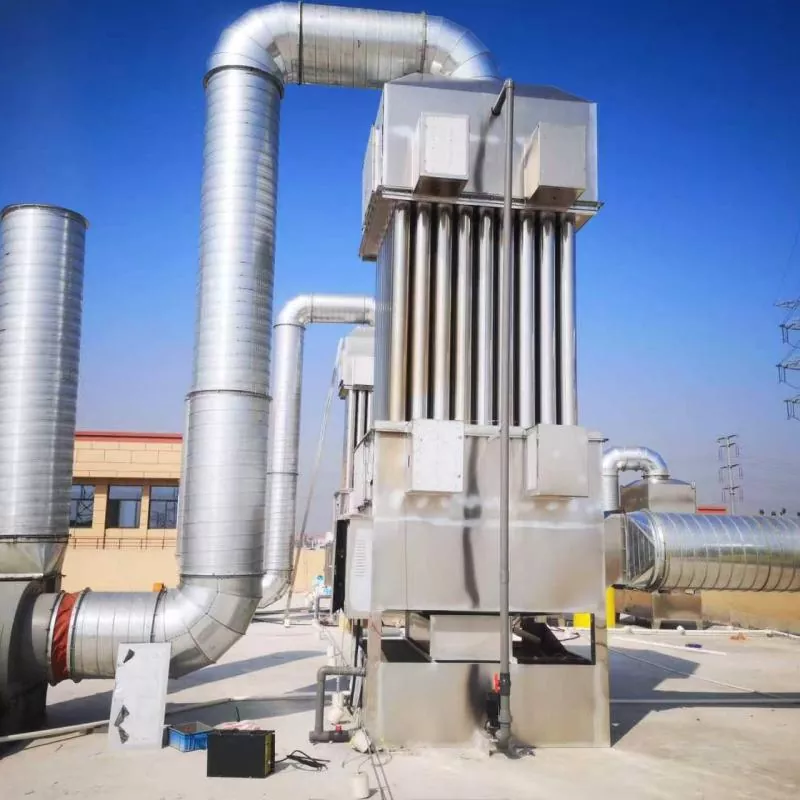
High-viscosity oil mist is common in quenching, cold heading, wire drawing, and heavy-duty machining. The mist has a wide particle size distribution and strong adhesion, which allows it to form stubborn oil deposits on duct walls and filter surfaces. The DeFa High-Viscosity Oil Fume Purification Equipment is designed for these conditions. It uses a staged process: mechanical pre-separation, coalescing filtration, and optional electrostatic capture. This approach reduces oil mist loading and tackiness step by step, preventing any single stage from saturating too quickly. The equipment is manufactured by Shengyuan Technology under the DeFa brand, a company with more than 20 years of experience in high-voltage power supplies and industrial air purification.
The system is suitable for quenching oil tanks, cold heading machines, wire drawing lines, and heavy-duty CNC machining centers. It can be configured as a single-unit local exhaust system or as a central ducted system, depending on the workshop layout. The following sections cover the working principle, technical data, selection points, installation, maintenance, and frequently asked questions.
Working Principle and Treatment Stages
The difficulty of purifying high-viscosity oil mist comes from two main factors: the oil particles are sticky and tend to coat filter media, and the mist often carries metal chips and carbides that worsen clogging. The system therefore uses a staged approach to reduce both the load and the stickiness before fine capture.
Mechanical Pre-Separation
The oil-laden air first enters a cyclone or baffle-type pre-separation chamber. Large oil droplets and metal chips are separated by centrifugal force and inertia, then flow along the wall into the oil collection tank. This stage reduces the load on downstream filter media and removes solid particles that could damage electrodes or block filter pores. The pre-separation stage is effective for droplets and chips larger than 10 μm.
Coalescing Filtration
After pre-separation, the air passes through a coalescing filter bed. The media uses multiple layers with graded density. Fine oil mist particles collide and merge as they pass through, growing from submicron size into flowable droplets. The droplets sink along the fiber surfaces under gravity and collect in the tank at the bottom of the unit. The coalescing stage typically captures more than 95% of particles larger than 0.3 μm. Unlike ordinary filter screens, the purpose of coalescing media is to let oil drain away rather than hold it. This allows the system to remain effective for longer periods under high-viscosity conditions.
Electrostatic Capture (Optional)
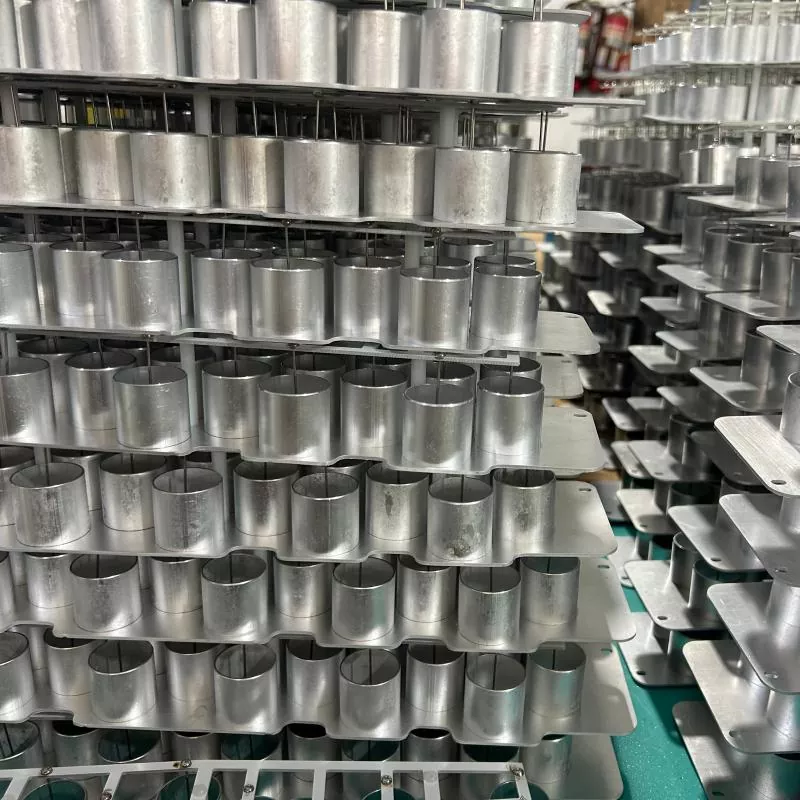
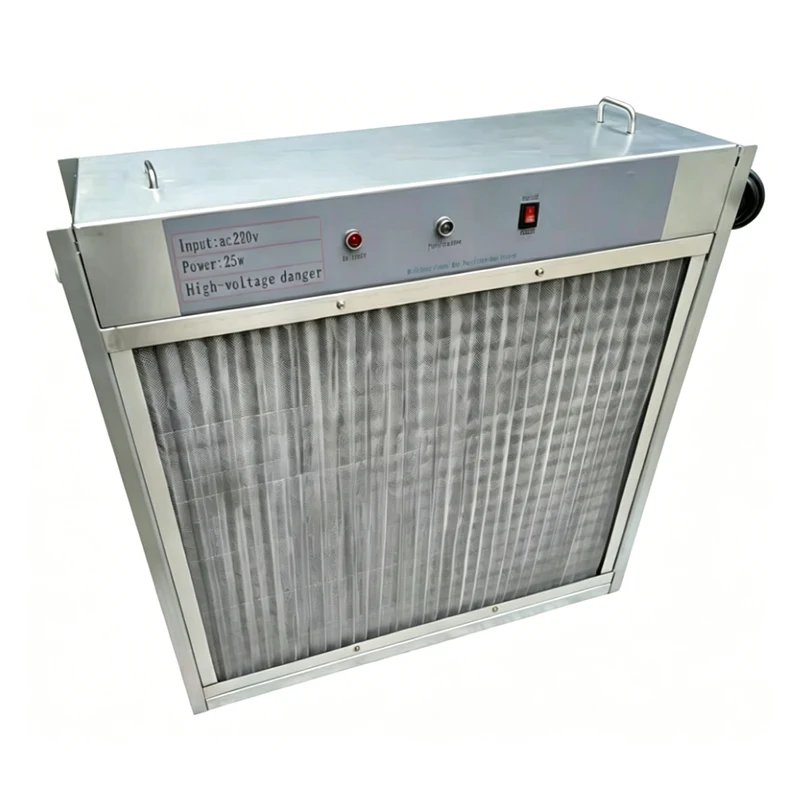
For projects with stricter emission requirements or residual fine aerosols, an electrostatic capture unit can be added after the coalescing stage. A high-voltage field charges the remaining oil mist particles. Charged particles deposit on collection plates and form an oil film that drains down the plates. The electrostatic stage has low energy consumption and low airflow resistance, making it suitable as a final polishing step. Note that the electrostatic stage is not suitable for oil mist containing aluminum or magnesium dust, because these dusts present a combustion risk in a high-voltage field.
Oil Drain and Reuse
Oil separated in each stage collects in the bottom tank and is discharged through a manual ball valve or automatic drain device. For oils such as quenching oil or wire drawing oil, the discharged oil can be filtered to remove solid impurities and returned to the production process, reducing oil consumption.
Technical Specifications
| Parameter | Standard Range |
| Airflow per unit | 500 m³/h to 20,000 m³/h, combined configurations available |
| Oil mist types | Quenching oil mist, cold heading mist, wire drawing mist, heavy-duty cutting mist, high-viscosity synthetic fluid mist |
| Inlet oil mist concentration | Recommended ≤500 mg/m³; higher concentrations require larger pre-separation or pre-cooling |
| Particle removal efficiency | Mechanical + coalescing stage ≥95%; with electrostatic stage ≥99% |
| Outlet emission concentration | Down to ≤10 mg/m³; further reduction with optional activated carbon stage |
| System pressure drop | Pre-separation + coalescing: 300–800 Pa; with electrostatic stage: ≤1000 Pa total |
| Power supply | 380V/50Hz three-phase for fan; 6–12 kV DC high-voltage power supply for electrostatic stage |
| Fan power | 0.55 kW to 15 kW, matched to airflow and system resistance |
| Noise level | ≤70 dB(A) at 1 m; optional acoustic section for lower noise |
| Working temperature | Inlet ≤80°C standard; high-temperature gas requires pre-cooling |
| Explosion-proof option | Optional ExdIIBT4 fan and electrical components for flammable oil mist |
| Body material | Carbon steel with powder coating standard; 304/316 stainless steel optional for corrosive mist |
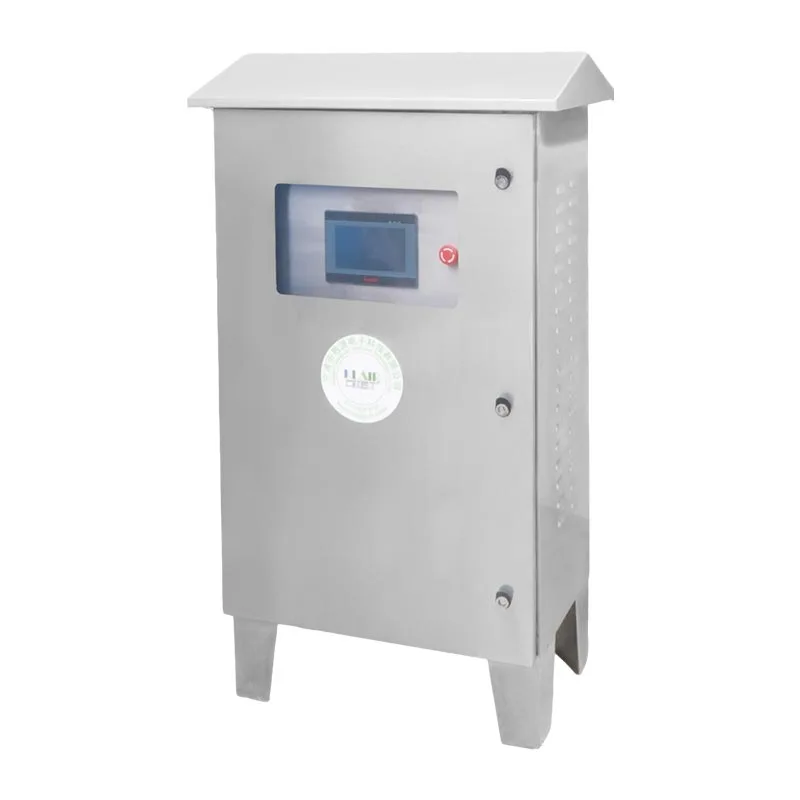
| Control mode | Manual start/stop standard; optional PLC interlock, differential pressure alarm, remote monitoring |
Design Features for High-Viscosity Oil Mist
Enlarged Pre-Separation Capacity
Conventional oil mist purifiers often size the pre-separation stage for normal mist concentrations. With high-viscosity oil mist, the oil tank can overflow quickly or the baffles can become coated. DeFa units increase the oil collection tank volume and the spacing between baffles. This gives the sticky oil enough time to flow down the wall instead of accumulating and hardening on the baffles.
Cleanable Coalescing Media
Under high-viscosity conditions, coalescing media require periodic cleaning or replacement. The unit uses a drawer-type or side-access structure. The coalescing module can be pulled out as a whole, soaked in an alkaline cleaning solution to remove oil, dried, and reinstalled. Compared with disposable filter elements, this reduces long-term operating costs.
Adaptive High-Voltage Control for Electrostatic Stage
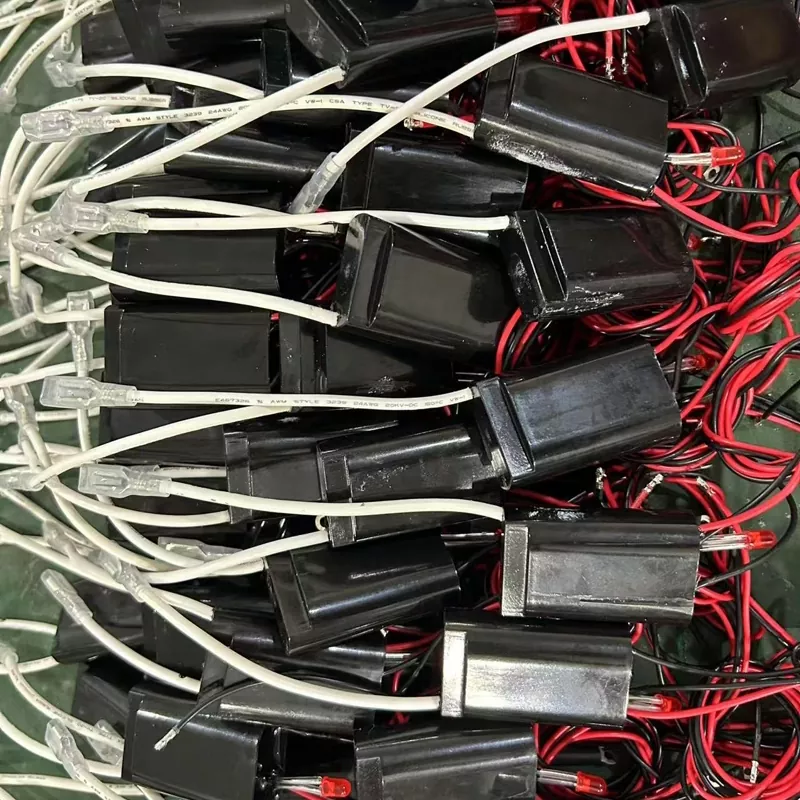
The high-voltage power supply for the electrostatic stage uses constant-current and limited-voltage output. It automatically adjusts output parameters as the plates accumulate oil and the field impedance changes, reducing frequent shutdowns caused by arcing. The power supply includes short-circuit, overcurrent, and undervoltage protection. When arcing occurs, the output is briefly cut off and then automatically restored. If the accumulated arc count exceeds a set value, the unit locks out and alarms until manual confirmation.
Duct Design to Prevent Oil Accumulation
Connecting ducts are installed with a slope of 3° to 5° toward the equipment, so that condensed oil inside the duct can flow back to the collection tank. Main duct velocity is kept at 8–12 m/s, and branch ducts at 6–8 m/s. This avoids low velocity zones where oil droplets can settle on the duct wall. Low points in the duct are fitted with drain ports for periodic oil removal.
Applications and Project Reference
Heat Treatment Quenching
Quenching oil tanks produce a large amount of high-viscosity oil mist when workpieces enter the oil, along with oil fumes and carbides. The purification system is usually installed above or beside the quenching tank, with a closed capture hood under negative pressure. Because the mist temperature is high, a cooling section is required before the inlet to reduce the gas temperature below 80°C.
Cold Heading and Cold Extrusion
When cold heading machines use high-viscosity lubricants, oil mist is released intensively around the die area and often carries fine metal chips. The pre-separation stage is particularly important for removing these chips, preventing irreversible clogging of the coalescing layer.
Wire Drawing and Tube Processing
Wire drawing lubricants are highly viscous, and oil mist is continuously released at the die exit. Because mist generation points are scattered, a multi-point capture hood with central purification is often used. Main duct velocity must remain stable to avoid uneven airflow distribution that could leave some branches with insufficient velocity.
Heavy-Duty CNC Machining
Heavy turning, milling, and deep-hole drilling with high-viscosity cutting oil generate large amounts of sticky oil mist. The DeFa system can be configured as a single-machine unit or as a central system for the whole workshop, depending on machine layout.
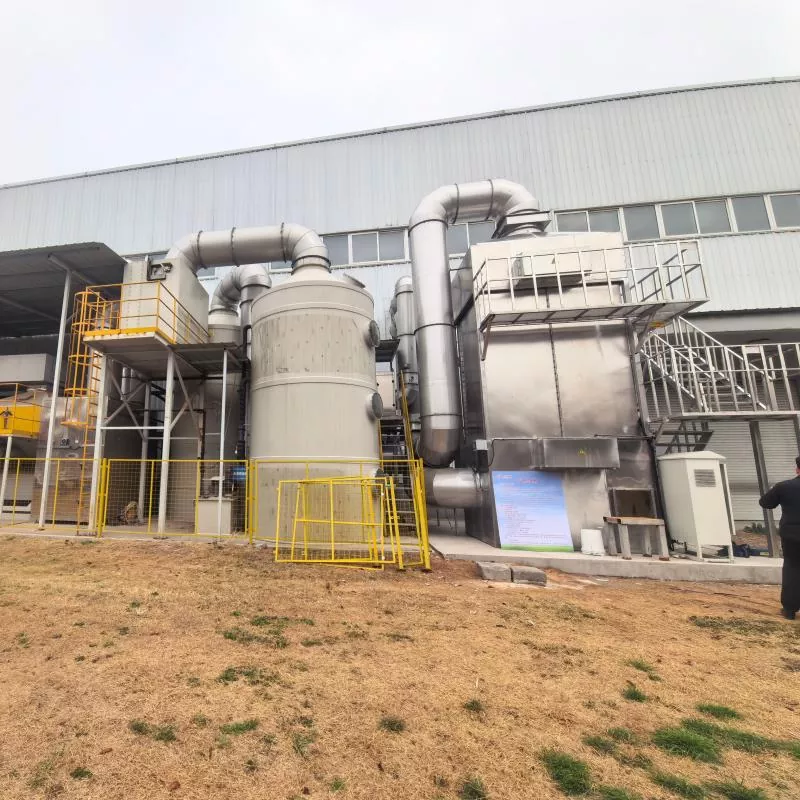
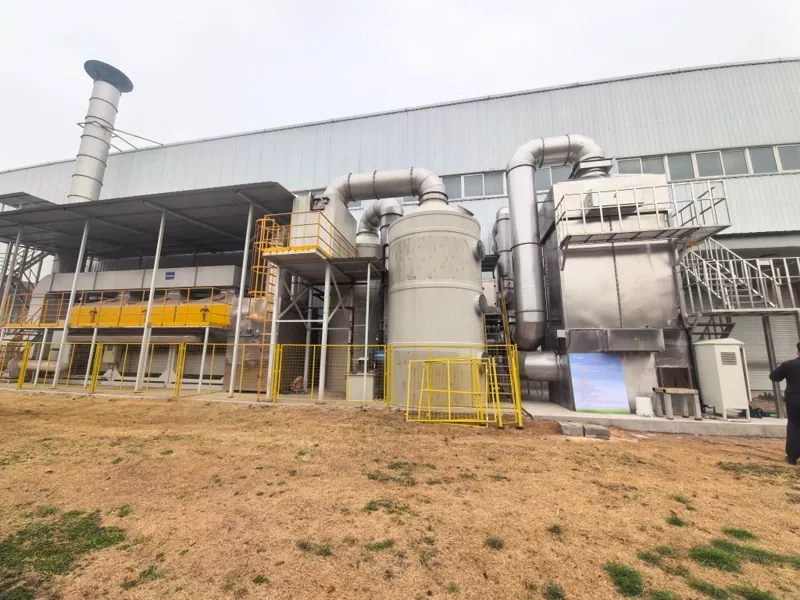
Project Case: Zhengzhou Guichuan Machinery (Japanese-owned enterprise)
Zhengzhou Guichuan Machinery is a Japanese-owned machining company located in Zhengzhou, Henan Province. The company performs precision part machining and heat treatment. Its workshop generates high-viscosity oil mist during quenching, tempering, and CNC machining. The original ventilation method could not effectively control the oil mist or prevent oil accumulation in the ducts.
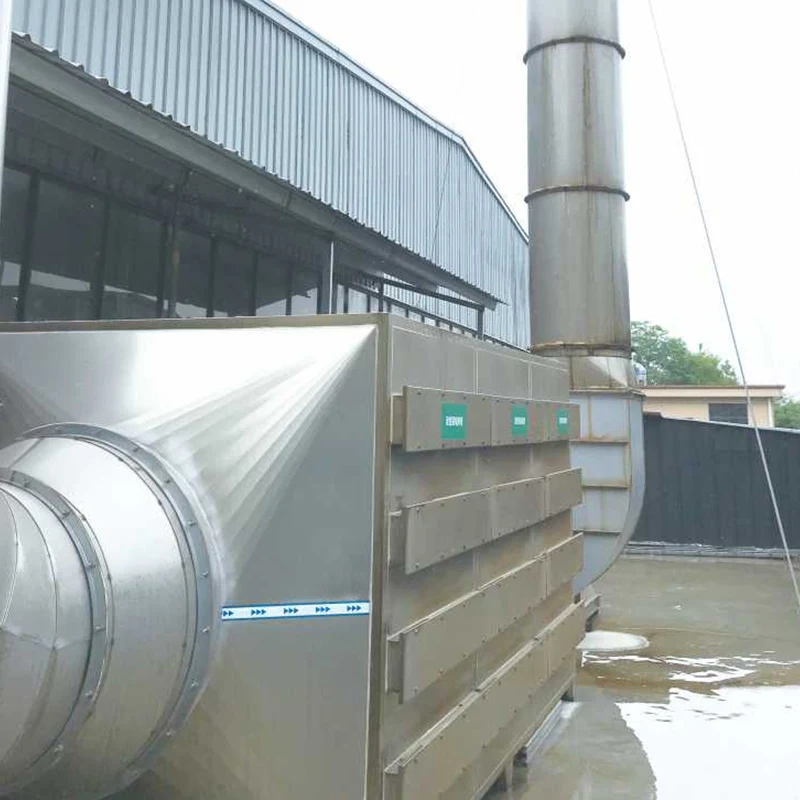
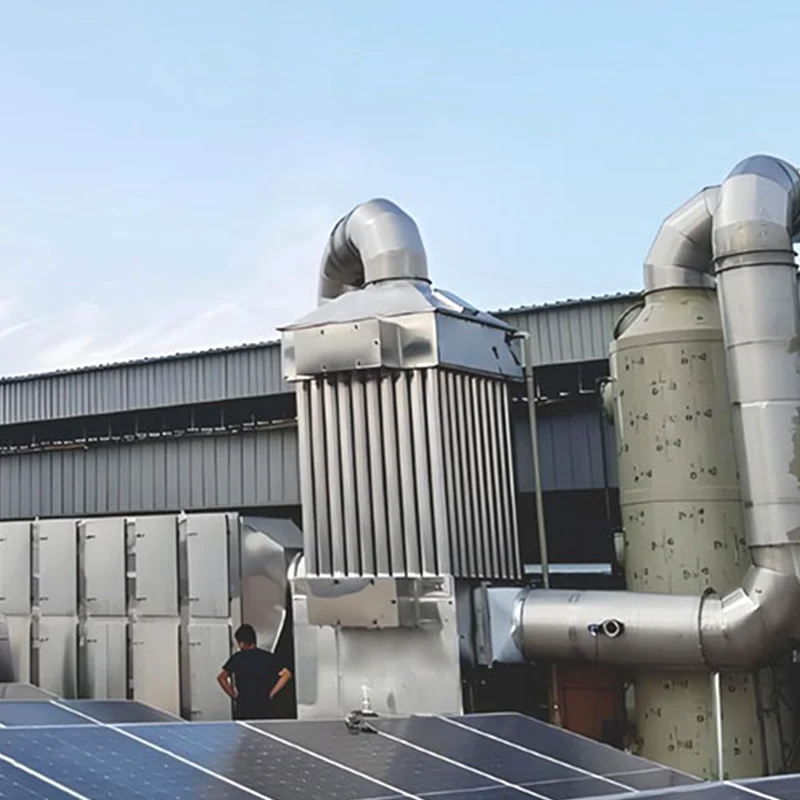
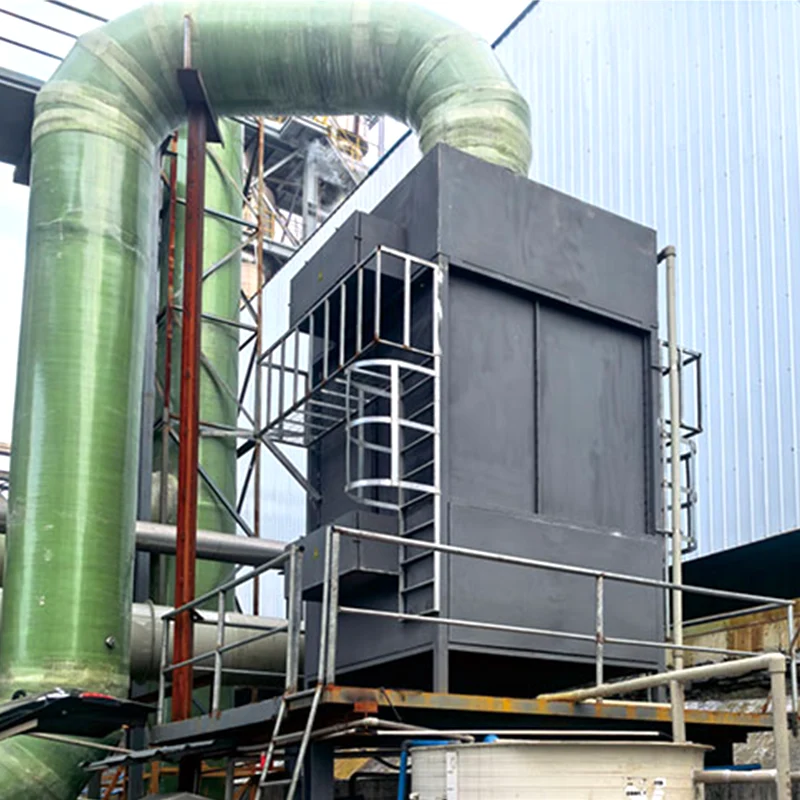
The project adopted a DeFa high-viscosity oil mist purification system with a combined process of pre-separation, coalescing filtration, and electrostatic capture. The system collects and treats oil mist from the quenching tank and machining centers. After commissioning, oil mist concentration in the workshop was significantly reduced, duct oil accumulation was brought under control, and the exhaust gas met local emission standards in testing. This project has become one of DeFa's reference cases in Henan Province for the machining industry.
Installation and Commissioning
Location
Install the unit as close as possible to the oil mist source. Keep duct length within 3 m where feasible to reduce oil accumulation and pressure loss. For explosion-proof units, install in a separate room or a well-ventilated area. Leave at least 30 cm of maintenance space below the unit for tank cleaning and filter replacement.
Capture Hood and Airflow Matching
The capture hood should be placed close to the oil mist release point. The hood opening area should be at least 1.2 times the projected area of the pollution source. System airflow should be at least 1.2 times the total mist generation volume to prevent mist from escaping around the hood edges. During commissioning, a smoke test can be used to verify uniform negative pressure at the hood opening.
Electrical and Interlock
The fan and high-voltage power supply should be connected to separate circuits. The electrostatic stage requires reliable grounding with resistance less than 4 Ω. An interlock with the production equipment is recommended: the purification system starts a few seconds after the production equipment starts, and continues to run for a period after the production equipment stops to purge residual oil mist from the duct.
Maintenance Schedule
| Component | Recommended Interval | Action |
| Oil collection tank | Daily or每 shift | Check oil level and drain; verify drain valve is clear |
| Pre-separation baffles or cyclone | Weekly | Remove sticky oil deposits and check for metal chip accumulation |
| Coalescing filter module | Every 1–2 months | Pull out module, soak in alkaline cleaner, dry, and reinstall; replace if damaged |
| Electrostatic collection plates | Every 1–2 months | Power off and discharge, remove plates, soak in warm water with neutral degreaser, check for deformation |
| High-voltage power supply and insulators | Quarterly | Check insulators for tracking, clean dust, test output voltage stability |
| Fan impeller | Quarterly | Remove oil deposits, check dynamic balance, inspect vibration dampers |
| Ductwork | Every 6 months | Verify slope is maintained, drain ports are clear, and flange connections do not leak oil |
Frequently Asked Questions
What is the difference between this system and a standard oil mist purifier?
The main differences are the pre-separation capacity and the coalescing media selection. High-viscosity oil mist tends to form an oil film on filter surfaces. In standard units, the pre-separation tank can overflow quickly or the media can become blocked. DeFa units use a larger collection tank and graded-density coalescing media so that oil mist coalesces into flowable droplets and drains away instead of hardening inside the filter bed.
Can the electrostatic stage be used for all high-viscosity oil mist?
No. It is not suitable for oil mist containing aluminum or magnesium dust. These dusts present a combustion risk in a high-voltage field. For such applications, only mechanical and coalescing stages should be used, with explosion-proof fan and electrical components. For quenching oil mist or cutting oil mist without aluminum or magnesium dust, the electrostatic stage can be used as a final polishing step to improve fine mist capture.
Can the oil drained from the collection tank be reused?
Quenching oil, wire drawing oil, and similar oils in good condition can be filtered to remove solid impurities and returned to production. Oil that contains a large amount of metal chips or has oxidized should not be reused and should be handled as hazardous waste.
What usually causes a drop in purification efficiency during operation?
The most common causes are saturated coalescing modules or oil accumulation on electrostatic plates. A saturated coalescing module increases airflow resistance, which can be seen on a differential pressure gauge. Oil on electrostatic plates reduces field strength and may cause lower efficiency or frequent power supply alarms. Regular cleaning according to the maintenance schedule restores performance. Another possible cause is insufficient capture hood negative pressure, which requires checking fan airflow or duct leakage.
How should abnormal noise or vibration be handled?
Oil accumulation on the fan impeller is a common cause of vibration and noise because it disturbs dynamic balance. Stop the unit, open the fan housing, and remove oil deposits from the impeller. Check for impeller deformation or damage. Worn vibration dampers can also transmit vibration and should be inspected at the same time. If noise remains after cleaning, check the motor bearings.
Can the system meet local emission requirements?
The mechanical and coalescing stages typically achieve more than 95% particle removal. With the electrostatic stage, efficiency can exceed 99%. Outlet particle concentration can be controlled below 10 mg/m³. Actual compliance depends on local emission standards and inlet concentration. If the project also requires control of non-methane total hydrocarbons, an activated carbon adsorption stage can be added. We recommend providing the emission limits from the local environmental impact assessment before selection so that the appropriate configuration can be matched.
Are there similar application references in Zhengzhou or nearby areas?
Yes. Zhengzhou Guichuan Machinery (Japanese-owned enterprise) is one of the actual installation sites for the DeFa high-viscosity oil mist purification system. The company uses DeFa equipment to treat high-viscosity oil mist from heat treatment and CNC machining. The project has operated stably, and exhaust emissions meet local environmental requirements. For similar applications, we can provide additional configuration references upon request.
About DeFa
DeFa is the environmental purification equipment brand of Shengyuan Technology. The company has more than 20 years of experience in high-voltage power supplies, plasma applications, and industrial exhaust gas treatment. Its products serve customers in machining, heat treatment, and automotive parts manufacturing. The high-viscosity oil mist purification system draws on the company's technical experience in high-voltage power control and purification system integration. Projects such as Zhengzhou Guichuan Machinery (Japanese-owned enterprise) have provided practical experience with high-viscosity oil mist. Each unit is tested for airflow, insulation, and operation before shipment. Third-party test reports and material certificates are available.
Hot Tags: High-Viscosity Oil Fume Purification Equipment, Manufacturer, Supplier, Factory
Send Inquiry
Contact Info
-
Address
No. 661 Cangchu Road, Jiangbei District, Ningbo City,ZHEJIANG PROVINCE,CHINA
-
Tel
-
Email
For inquiries about our products or pricelist, please leave your email to us and we will be in touch within 24 hours.