Electrostatic Air Purification Module
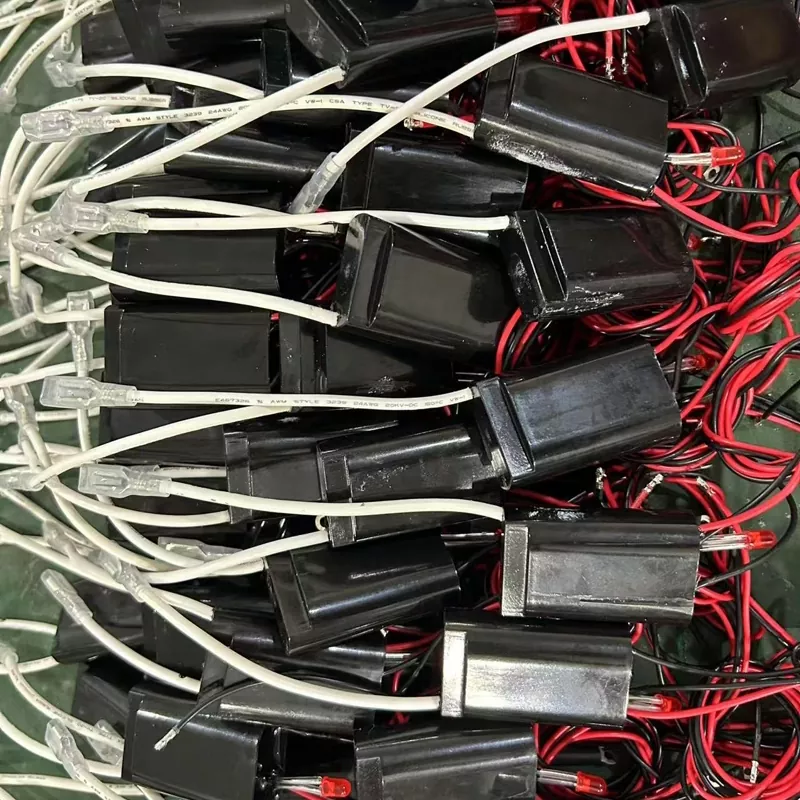
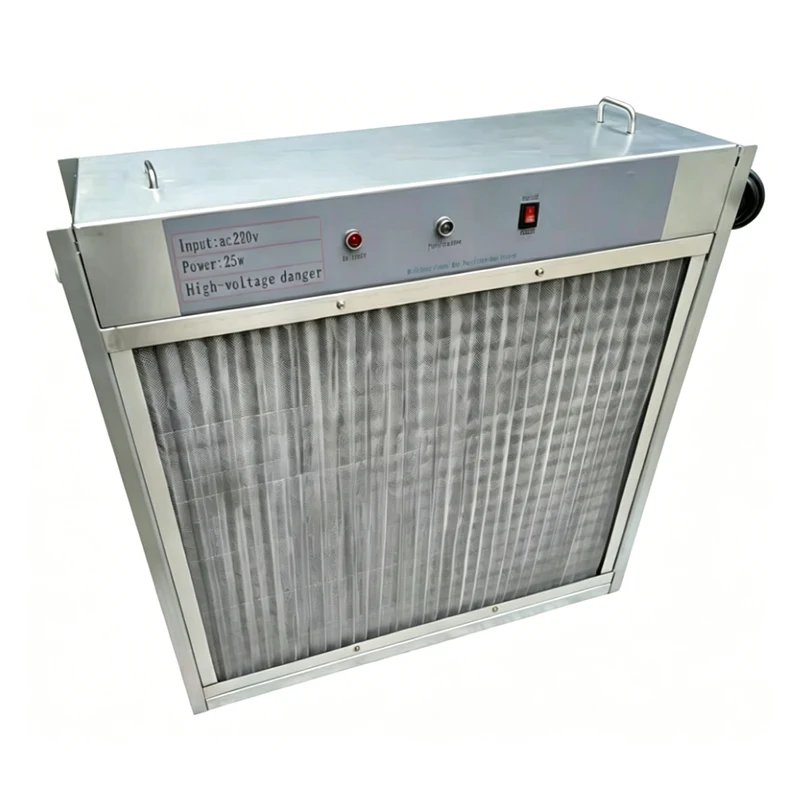
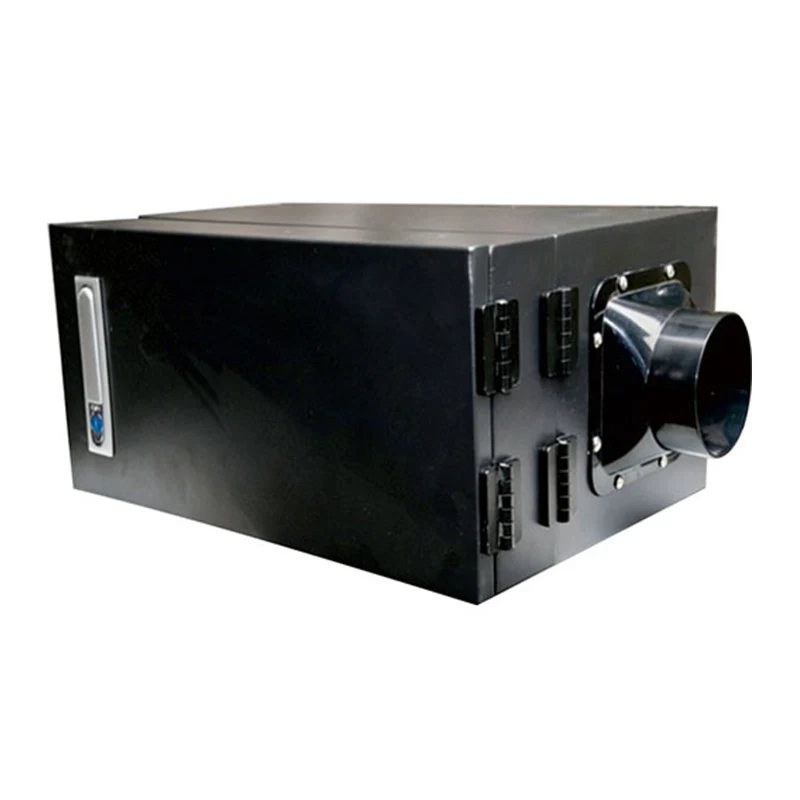
DeFa Electrostatic Air Purification Module is a compact ESP module for OEM air purifiers, fresh air systems and HVAC equipment. It captures dust, PM2.5 and airborne microorganisms with low airflow resistance and washable collectors. DC or AC input, airflow, dimensions and interfaces can be customized for specific equipment integration.
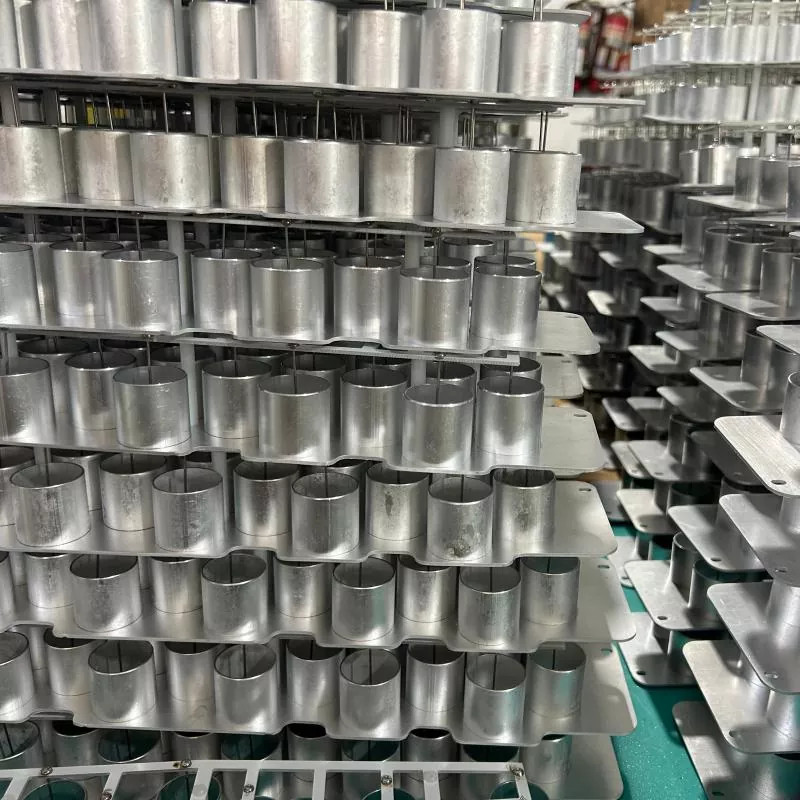
The DeFa Electrostatic Air Purification Module (also called ESP module) is a compact, high-voltage electrostatic precipitation unit designed for integration into air handling systems, household appliances, and custom air purification equipment. It removes airborne dust, PM2.5, bacteria, and attached microorganisms by charging particles in an electric field and collecting them on oppositely charged plates. The module is supplied by Shengyuan Technology (DeFa brand), a manufacturer with over 20 years of experience in high-voltage power supplies and plasma systems.
The module is intended as an OEM component or as a retrofit solution. Its mechanical dimensions, electrical input, and airflow interface can be adapted to specific project requirements. Typical applications include residential air purifiers, fresh air systems, commercial HVAC units, and specialized industrial air cleaning devices. Because the core technology does not rely on dense mechanical filters, the module operates with low airflow resistance and low energy consumption.
Key Technical Parameters
| Item | Specification |
| Power Supply | DC 12V / 24V or AC 100–240V depending on configuration |
| Power Consumption | 5–50W per module, adjustable by size and operating mode |
| Recommended Airflow | 100–1000 m³/h per module, customized |
| PM2.5 Removal Efficiency | ≥90% at rated airflow |
| Bacterial Removal Efficiency | ≥99% in active mode |
| Noise Level | ≤40 dB(A) at 1 m for integrated fan versions |
| Operating Temperature | -10°C to +50°C standard; wider range available on request |
| Dimensions | Customizable; typical thickness 40–100 mm |
| Weight | ≤12 kg/m² of module face area |
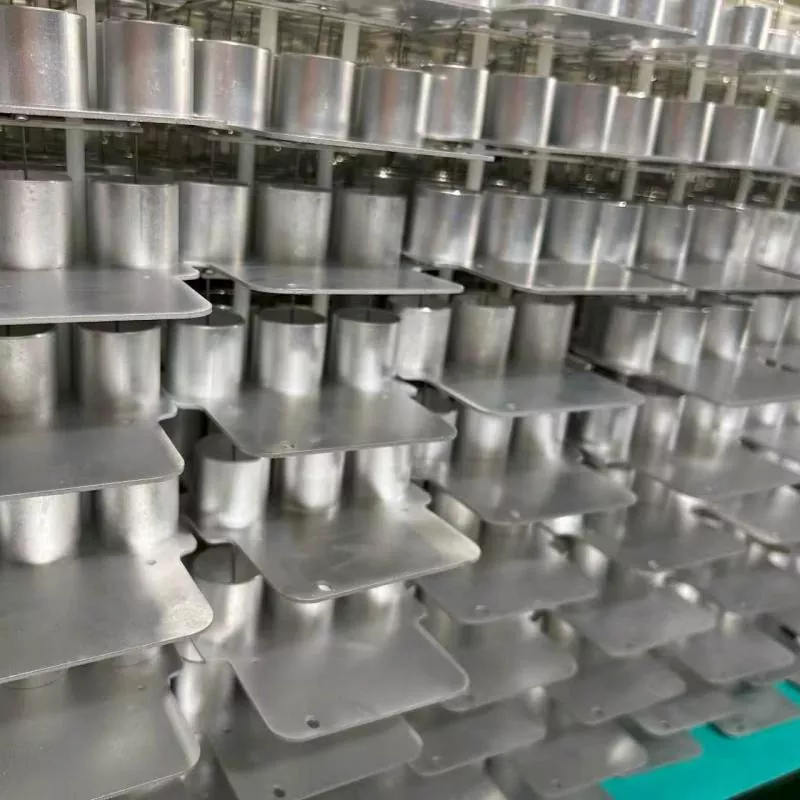
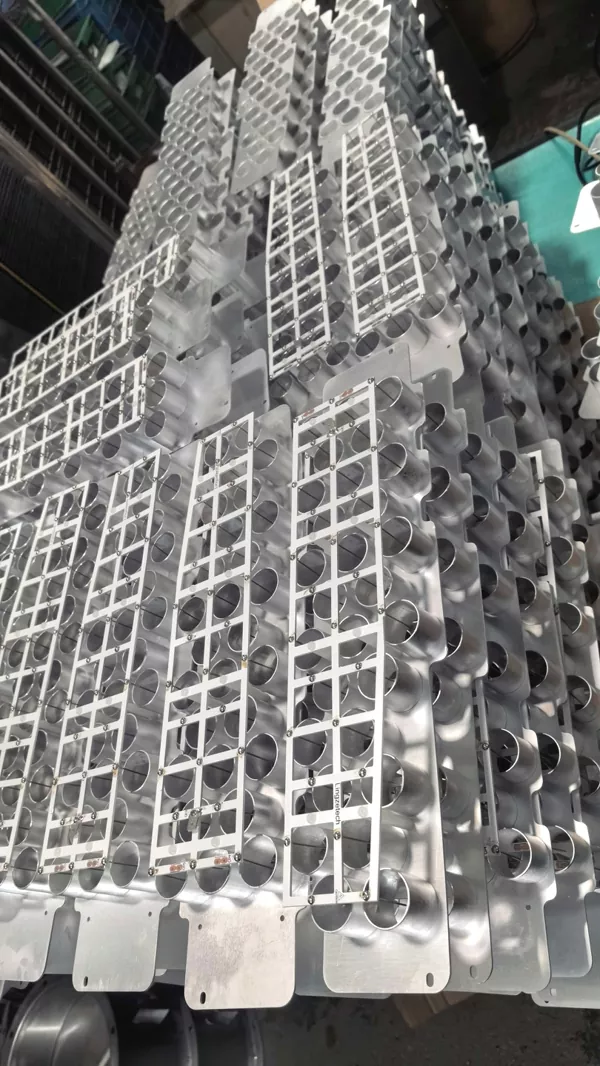
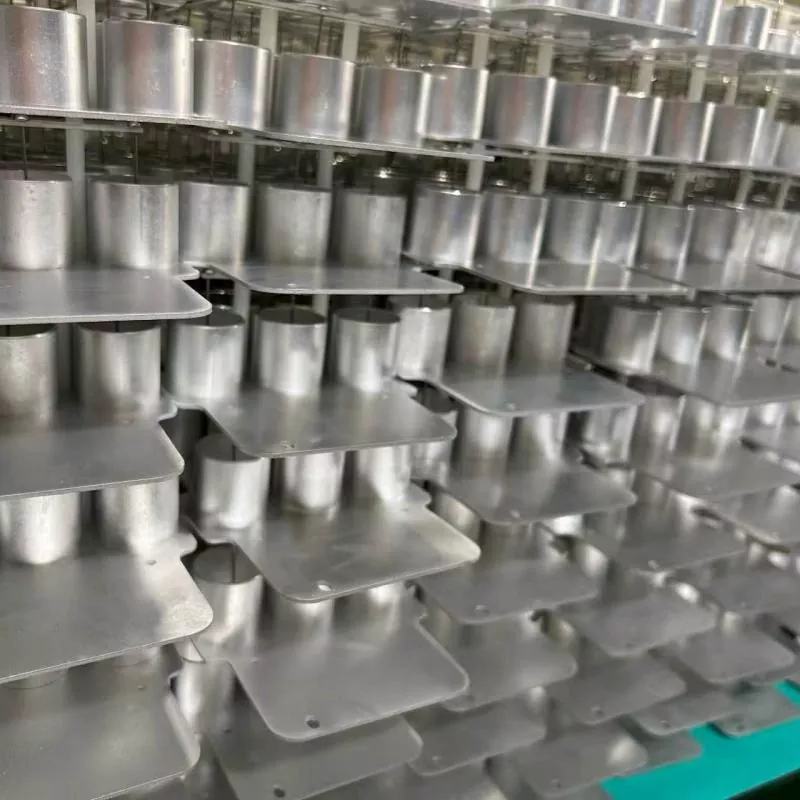
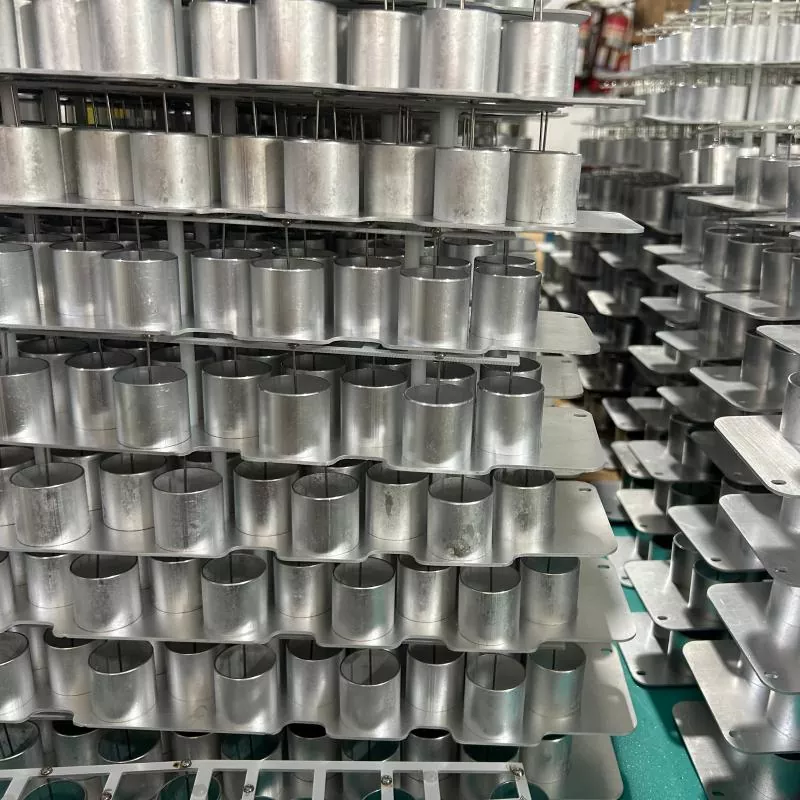
| Collector Type | Aluminum or stainless steel plate/honeycomb, washable |
| Control | Standalone high-voltage power supply with optional sensor interface |
Working Principle
The module applies a high-voltage DC field between discharge electrodes and collector plates. Airborne particles entering the field become electrically charged and are then attracted to the collector surface. This mechanism removes fine dust, smoke, pollen, and microorganisms without the high pressure drop associated with dense HEPA media. The collector plates can be washed and reused, which reduces consumable costs over the product lifetime.
The high-voltage supply is designed for stable output even when input voltage fluctuates. This is important for residential applications where line voltage may vary, and for mobile or solar-powered installations where the power source is not always constant. The power level can be set to balance purification efficiency with ozone production, keeping residual ozone within common indoor air limits.
Module Design and Integration Flexibility
Compact and Customizable Construction
The module can be manufactured in rectangular, square, or circular form factors to match the host equipment. Mounting holes, electrical connectors, and airflow direction are defined during the design phase. This allows the ESP module to be installed inside air purifiers, range hoods, HVAC ducts, ceiling cassettes, or portable devices.
Wide Voltage Input
Two main power supply versions are available. The low-voltage DC version operates from 12V or 24V and is suitable for vehicles, solar systems, or battery-powered equipment. The AC version accepts standard mains voltage and includes an isolated high-voltage transformer. Both versions include overcurrent and short-circuit protection.
Optional Sensor and Control Interface
The module can be supplied with a simple on/off control, or with an interface for PM2.5 sensors, fan speed signals, or a system controller. This allows the host device to adjust purification intensity based on real-time air quality. A maintenance signal can also be provided to indicate when collector washing is recommended.
Typical Application Scope
The ESP module is not limited to a single industry or installation type. Common uses include:
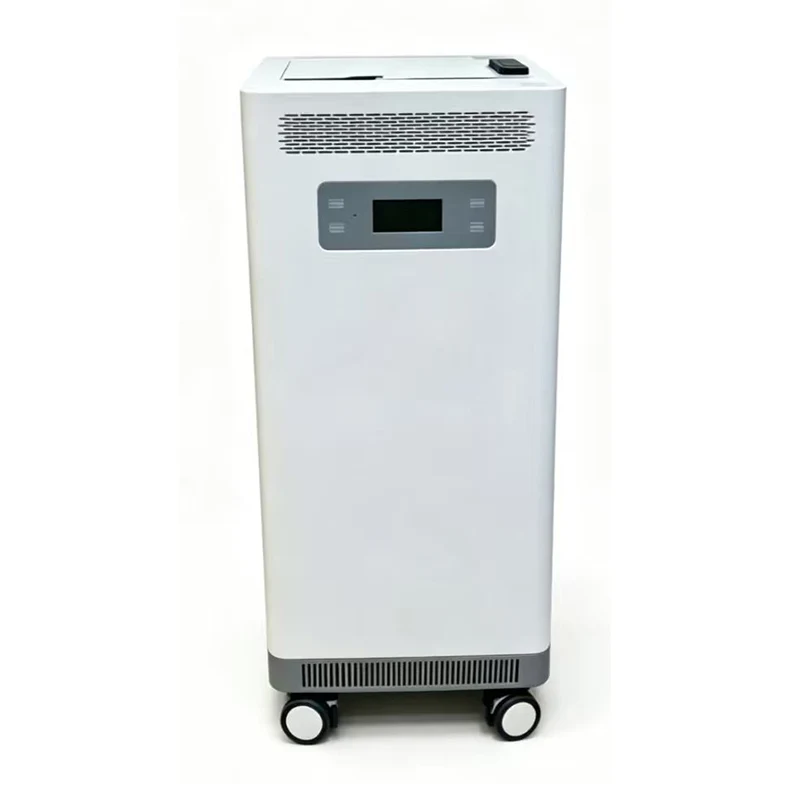
- Residential air purifiers: Integration into tower or desktop units for bedrooms, living rooms, and children's rooms.
- Fresh air systems: Installed in supply or return ducts for whole-home ventilation.
- Commercial HVAC: Retrofitted into fan coil units, ceiling cassettes, or air handling units in offices, hotels, and retail spaces.
- Public transport: Adapted for bus, coach, and subway cabin air purification with DC power input and vibration-resistant design.
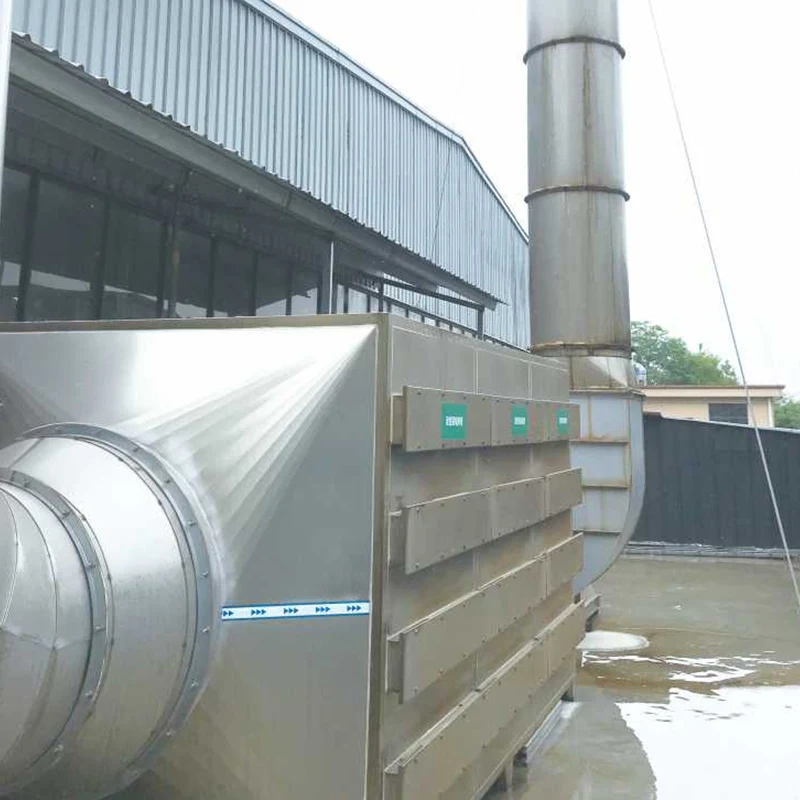
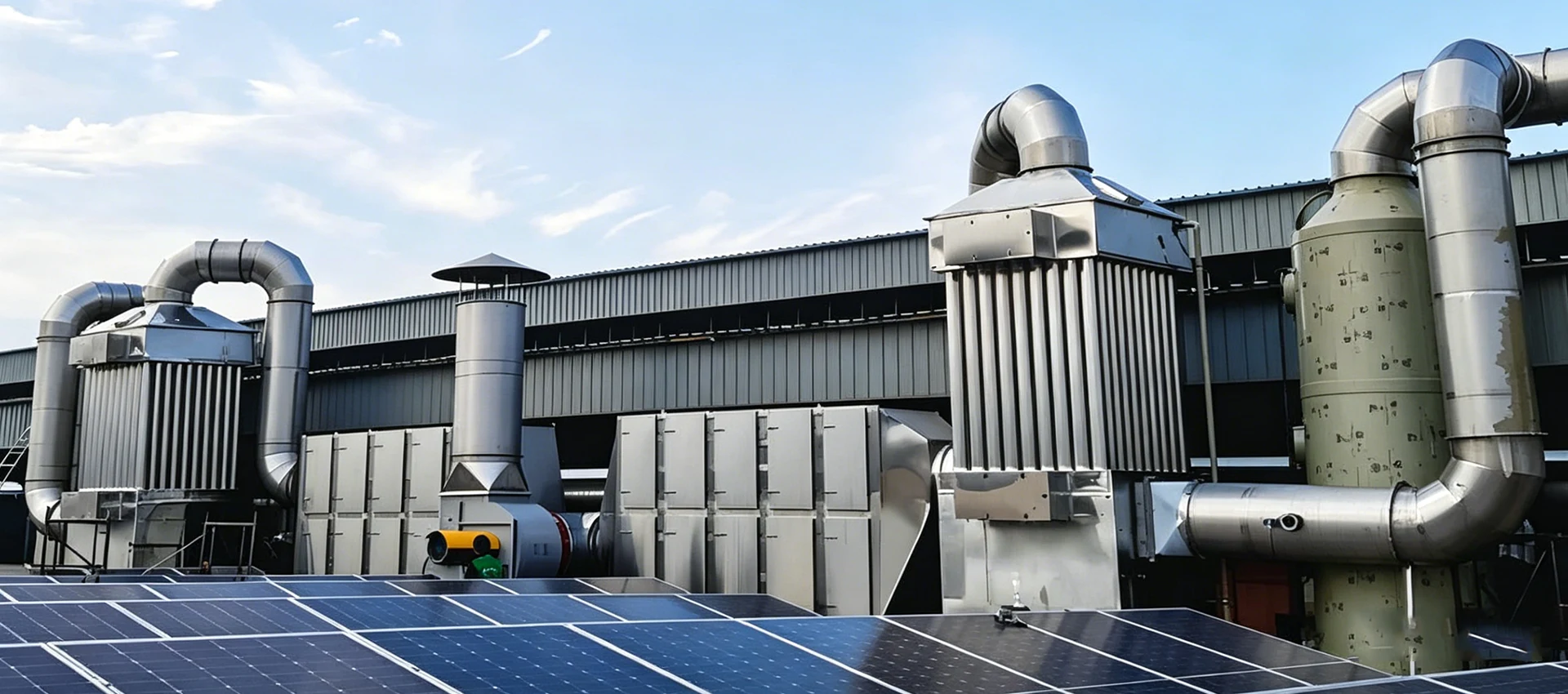
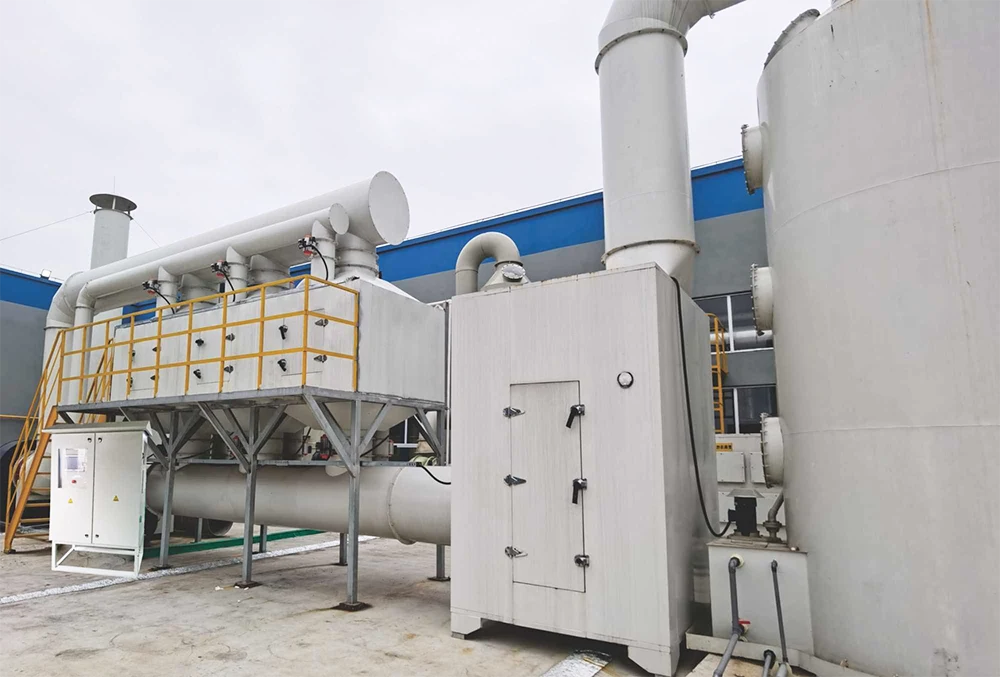
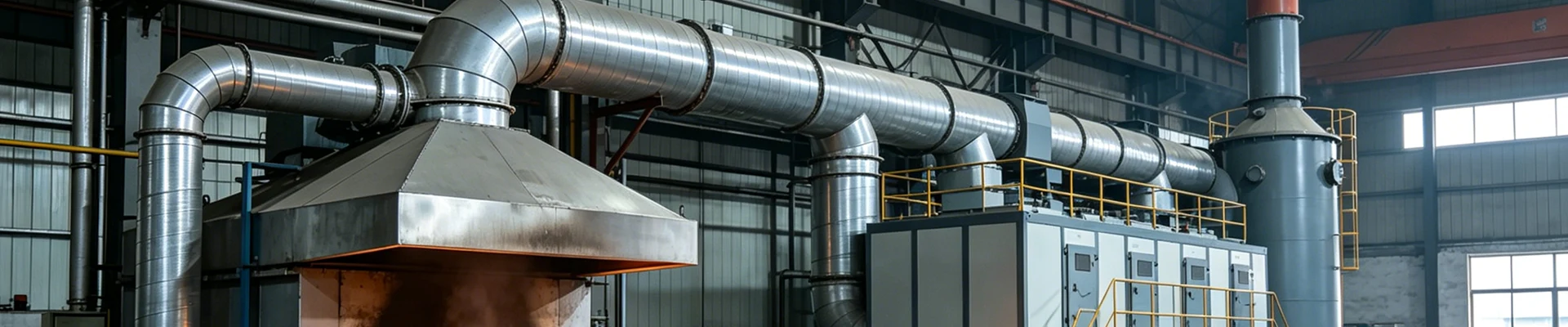
- Industrial and specialty equipment: Used in welding fume extraction, laser cutting exhaust, or electronic cleanroom air handling.
- Custom OEM/ODM projects: Module size, voltage, connector type, and collector material can be specified by the customer.
For home installation, the module is typically embedded in a finished appliance rather than installed as a standalone exposed unit. DeFa can supply either the bare module for OEM use or a complete kit with housing and fan for direct integration.
Installation and Maintenance
Integration Guidelines
- Provide an airflow path through the module with adequate even distribution across the collector face.
- Ensure the high-voltage section is enclosed and inaccessible during operation.
- Use the specified mounting orientation to allow dust to settle on collector plates without falling into other components.
- Connect the power supply according to the wiring diagram, and verify grounding if a metal housing is used.
Collector Cleaning
Collector plates should be inspected periodically depending on pollutant load. In typical indoor use, cleaning every 1 to 3 months is sufficient. The collector can be removed and washed with warm water and mild detergent, then dried completely before reinstallation. The ionizing wires or needles may need replacement after long-term use, depending on operating conditions.
Frequently Asked Questions
Can the module be used in a household air purifier?
Yes. The module can be integrated into a residential air purifier or fresh air system. It removes dust, PM2.5, and bacteria with low power consumption and low noise. For home use, the module is normally built into a complete device with a safety enclosure and fan.
What is the difference between ESP and HEPA filtration?
ESP modules use an electric field to capture particles on washable plates, while HEPA filters use dense fibers to trap particles. ESP systems have lower airflow resistance and lower replacement costs because the collector is reusable. HEPA filters can achieve higher single-pass efficiency for very fine particles, so some designs combine both technologies for maximum performance.
Does the module generate ozone?
During normal operation, the high-voltage discharge can produce a small amount of ozone. DeFa power supplies are tuned to keep ozone output below commonly accepted indoor limits. If stricter ozone control is required, an ozone-reducing catalyst or lower power setting can be applied.
Can the module be customized for a specific product?
Yes. Dimensions, airflow rating, supply voltage, collector material, and connector type can all be customized. DeFa provides technical support for integration, including airflow simulation and electrical compatibility testing.
Is the module safe for use in occupied spaces?
The high-voltage section is fully insulated and enclosed. When integrated into a finished appliance, all accessible parts are isolated from the high-voltage circuit. The low-voltage input also includes protection against overcurrent and short circuit.
What is the typical service life of the module?
With regular collector cleaning, the module can operate for 8 to 10 years or longer. The high-voltage power supply is designed for continuous operation and is tested for insulation performance before shipment.
Manufacturer Engineering Background
Shengyuan Technology (DeFa brand) specializes in high-voltage power supplies, plasma generation, and environmental purification equipment. The company has supplied components and systems to customers in North America, Europe, and Asia. For electrostatic modules, Shengyuan applies the same high-voltage control technology used in industrial exhaust treatment, with modifications for residential and commercial product integration. In-house testing includes continuous operation, insulation resistance, and performance verification under variable input voltage.
Hot Tags: Electrostatic Air Purification Module Manufacturer, Electrostatic Precipitator Module Supplier, ESP Air Purifier Module Wholesale
Send Inquiry
Contact Info
-
Address
No. 661 Cangchu Road, Jiangbei District, Ningbo City,ZHEJIANG PROVINCE,CHINA
-
Tel
-
E-mail
For inquiries about our products or pricelist, please leave your email to us and we will be in touch within 24 hours.