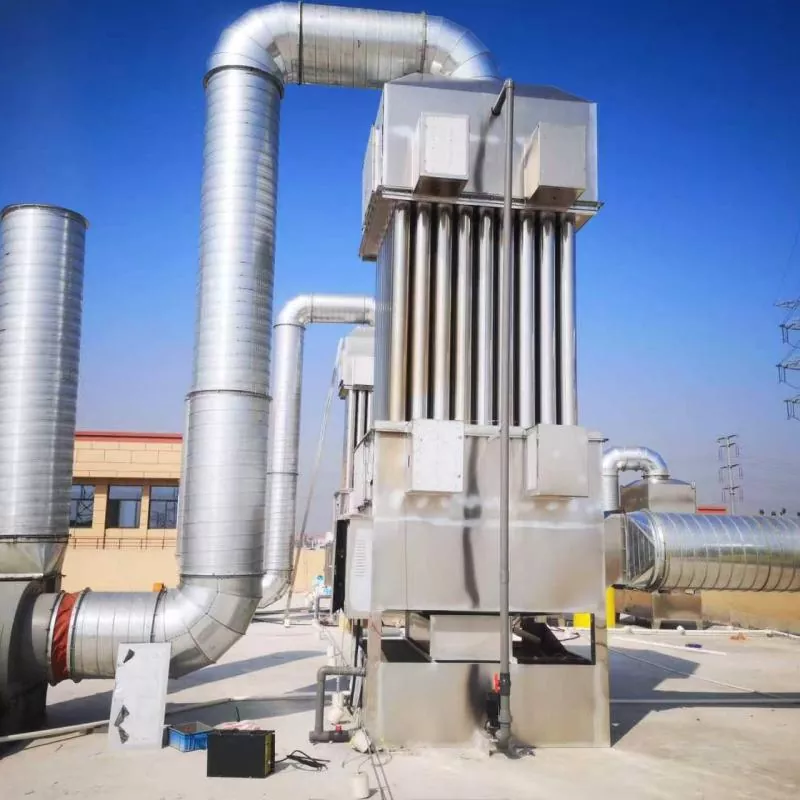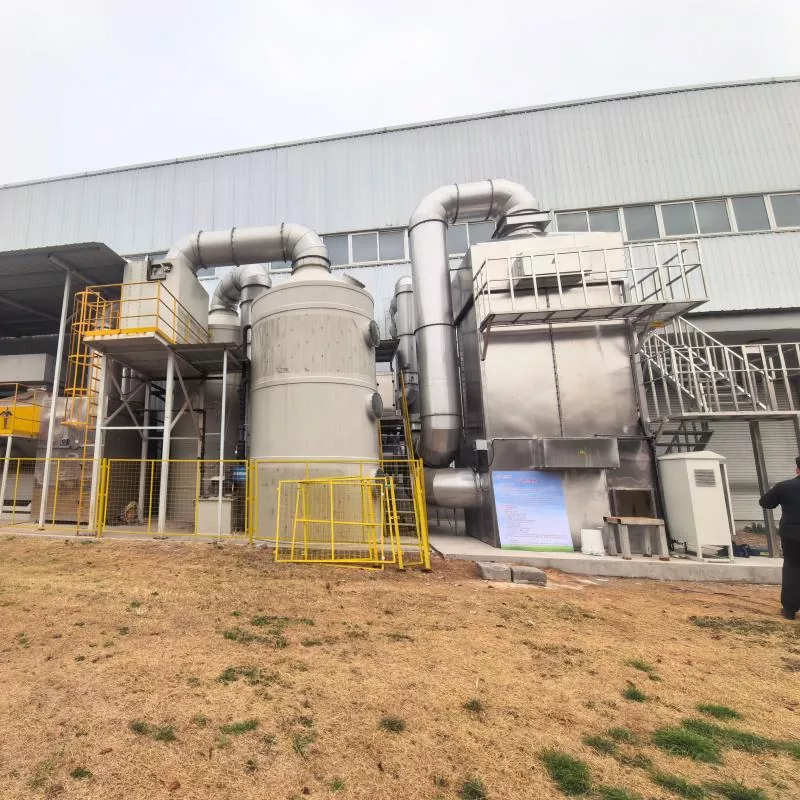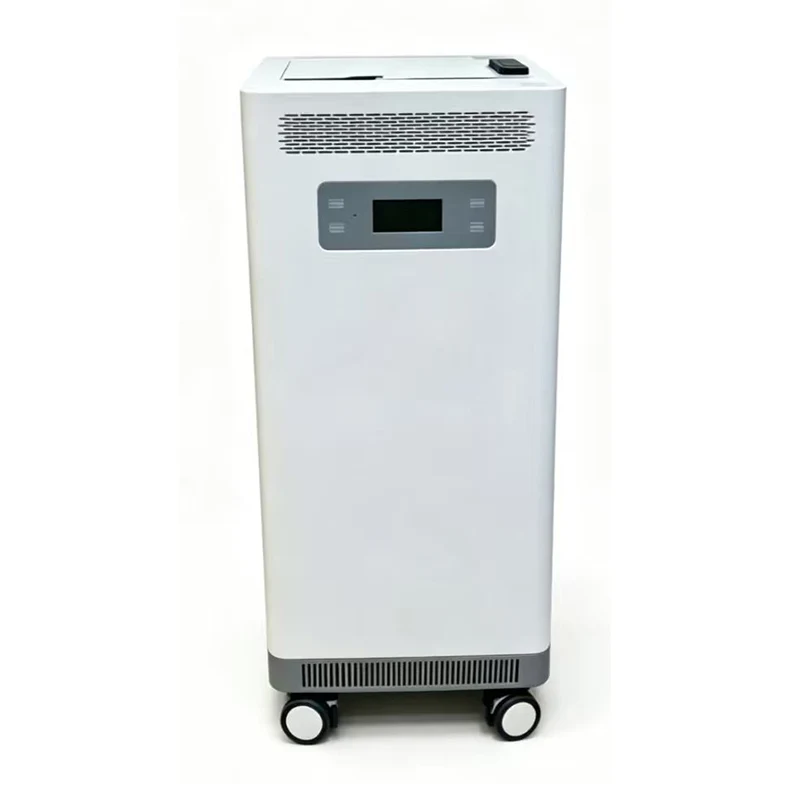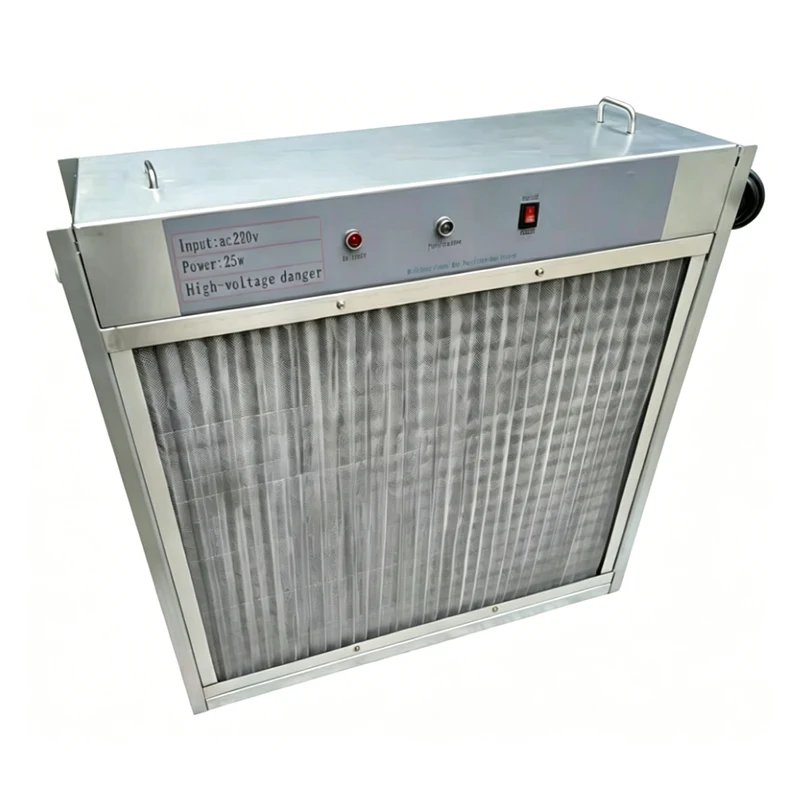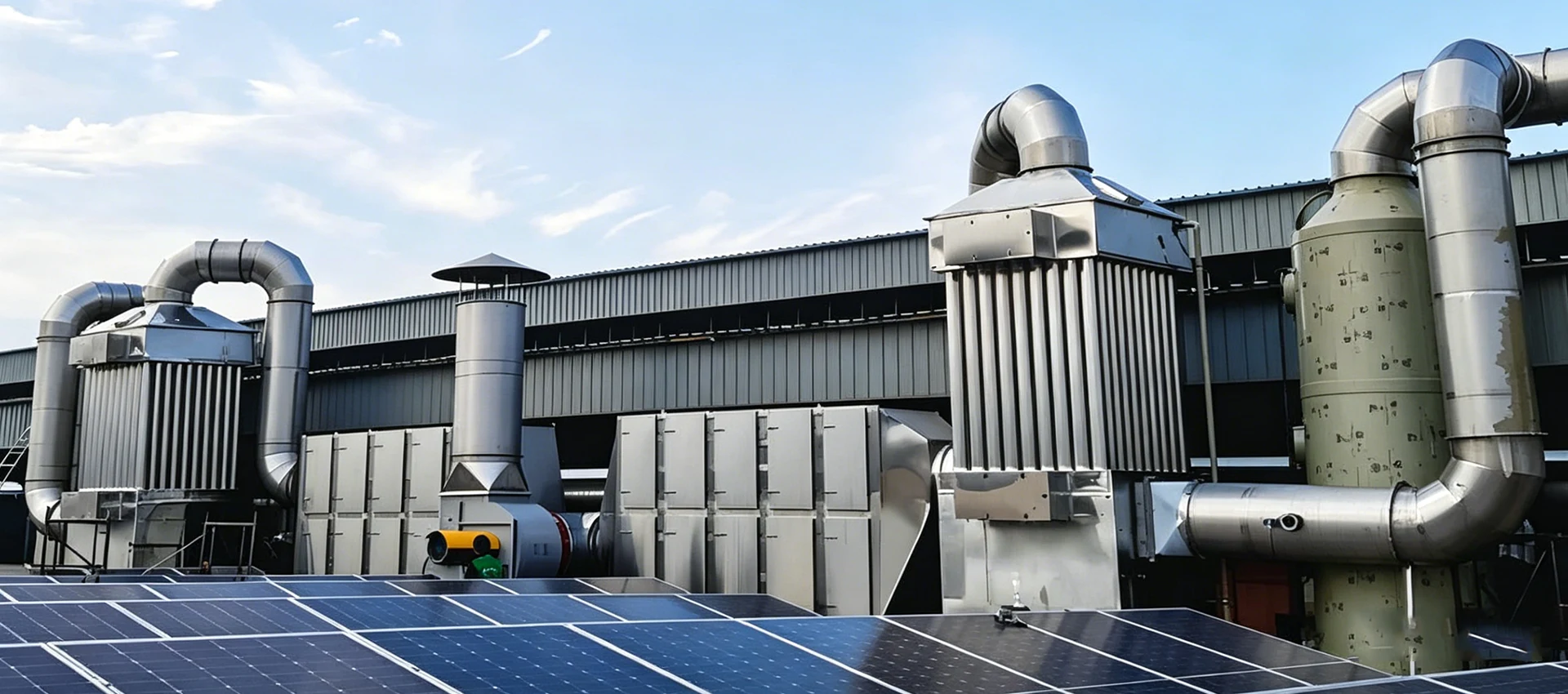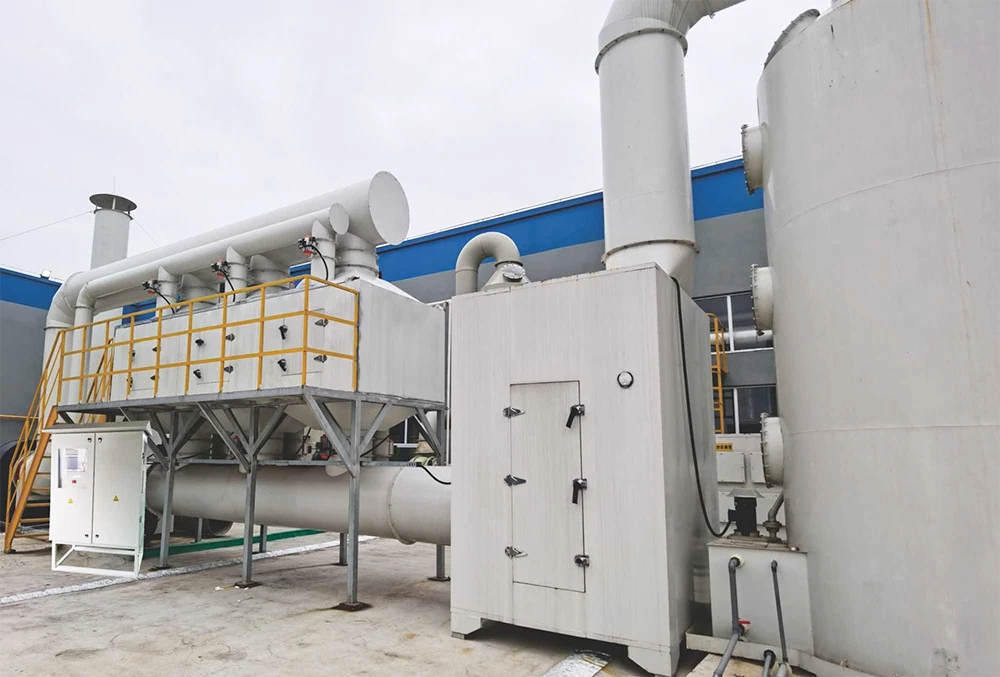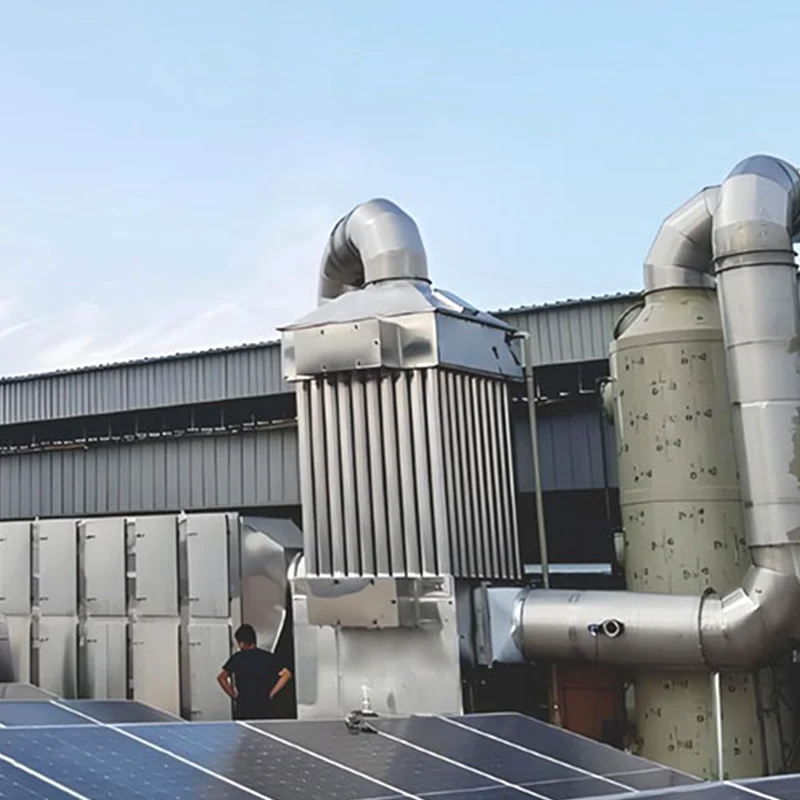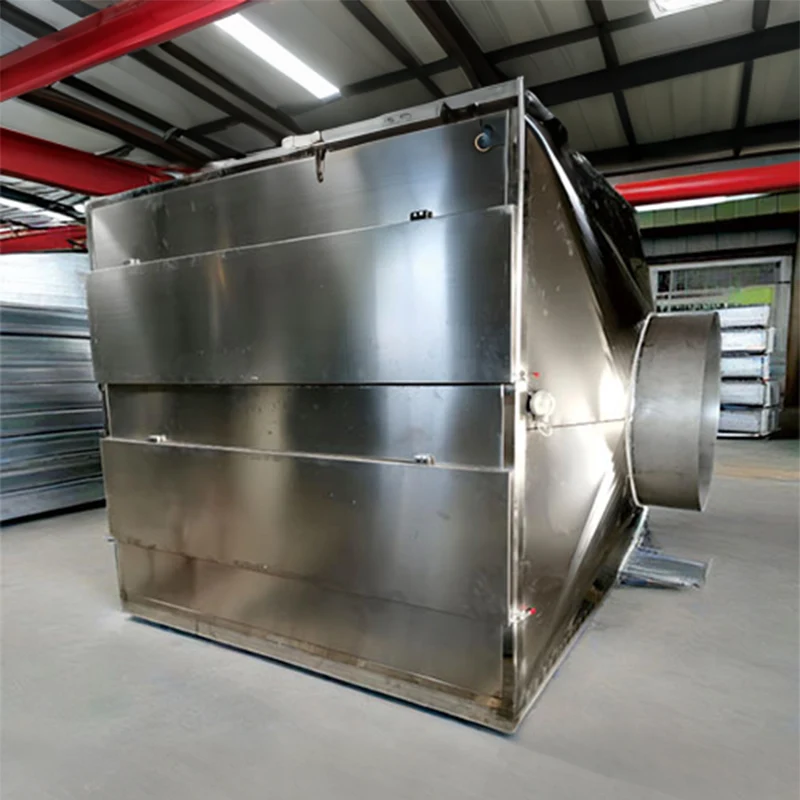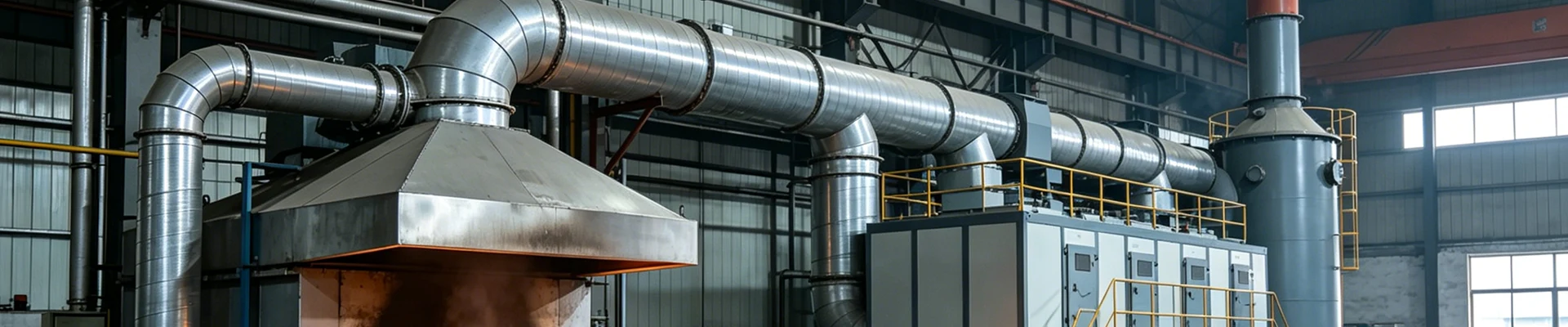
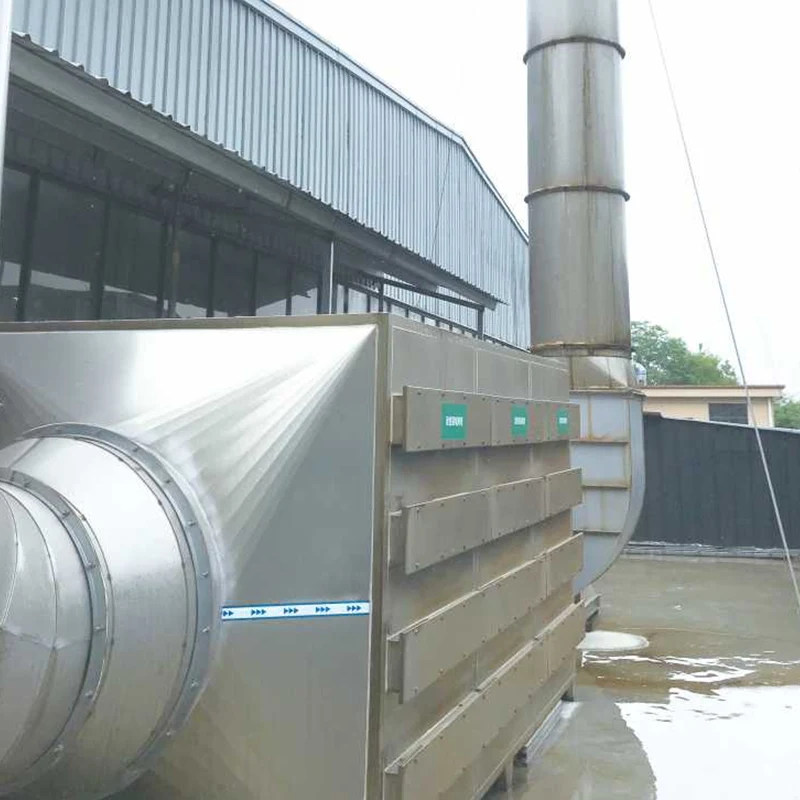
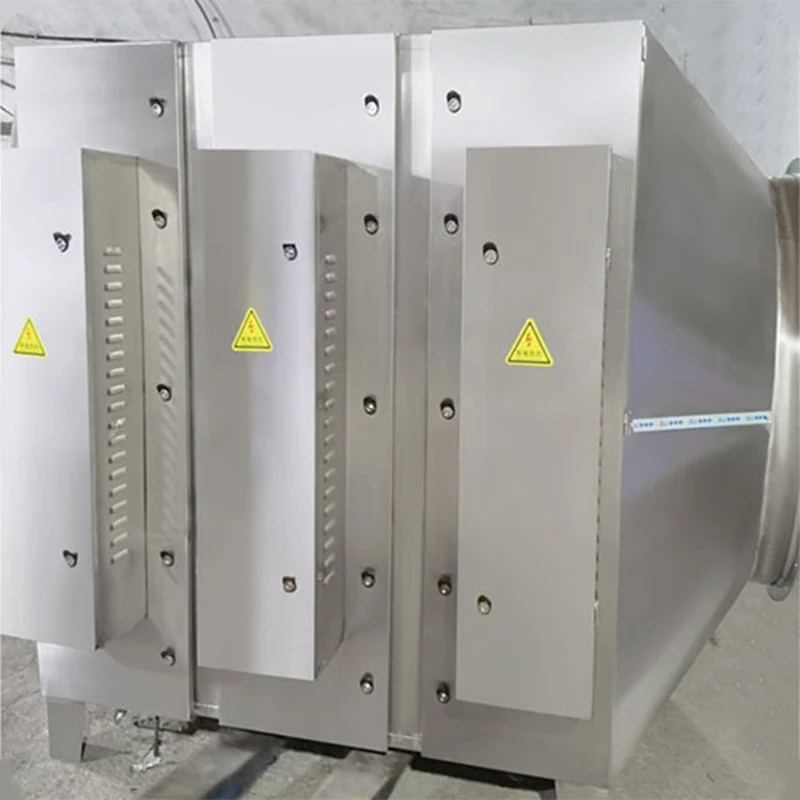
Industrial Oil Mist Purification System
Defaee provides reliable oil mist solutions with high oil recovery rates and durable industrial-grade construction. As a leading manufacturer and supplier, it offers the Industrial Oil Mist Purification Systems. They remove 99.9% of fine oil mist particles, recover 85-95% of cutting fluids for reuse, protect workers and precision equipment, and help manufacturing enterprises meet environmental and safety standards.
In modern machining, precision manufacturing, heat treatment, and die-casting processes, operations such as CNC cutting, high-speed grinding, hydraulic transmission, and high-temperature lubrication continuously generate large quantities of fine oil mist, oil fumes, and emulsion aerosols. These industrial oil mist pollutants typically range from 0.1μm to 10μm in diameter, remaining suspended in workshop air for extended periods and resisting natural settling.
Accumulated oil mist contaminates production environments, corrodes precision equipment, impairs visibility, and poses significant health risks to workers through respiratory and skin exposure. It also violates national industrial environmental emission standards and workplace safety regulations.
Industrial Oil Mist Purification Systems are specialized environmental protection devices engineered to address these challenges. They efficiently capture, separate, and filter oil mist particles, achieving air purification, oil recovery, safe production, and environmental compliance simultaneously. These systems have become essential infrastructure for modern precision manufacturing workshops.
Core Purification Technologies
Industrial oil mist purification systems utilize three mature technology platforms, each with distinct advantages and optimal applications:
1. Mechanical Filtration (Physical Interception)
Mechanical systems rely on fluid dynamics principles to separate oil mist through inertial collision, interception, and gravitational settling. They feature multi-layered filtration media including glass fiber and polyester cartridges arranged in progressive efficiency stages.
· Process: Contaminated air is drawn through pre-filters (large particles), intermediate filters (medium particles), and high-efficiency filters (fine particles). Oil droplets coalesce on filter fibers, grow in size, and drain into collection tanks under gravity.
· Advantages: Simple construction, low initial cost, no high-voltage electrical hazards, reliable operation
· Limitations: Filter elements require replacement every 3-6 months; susceptible to clogging in high-concentration applications
· Efficiency: 90-95% for particles ≥1μm
· Best for: Conventional lathes, mills, drills, and general machining with low-to-medium oil mist concentrations
2. Electrostatic Precipitation (High-Voltage Adsorption)
Electrostatic systems use high-voltage electric fields to charge and collect oil mist particles with exceptional precision.
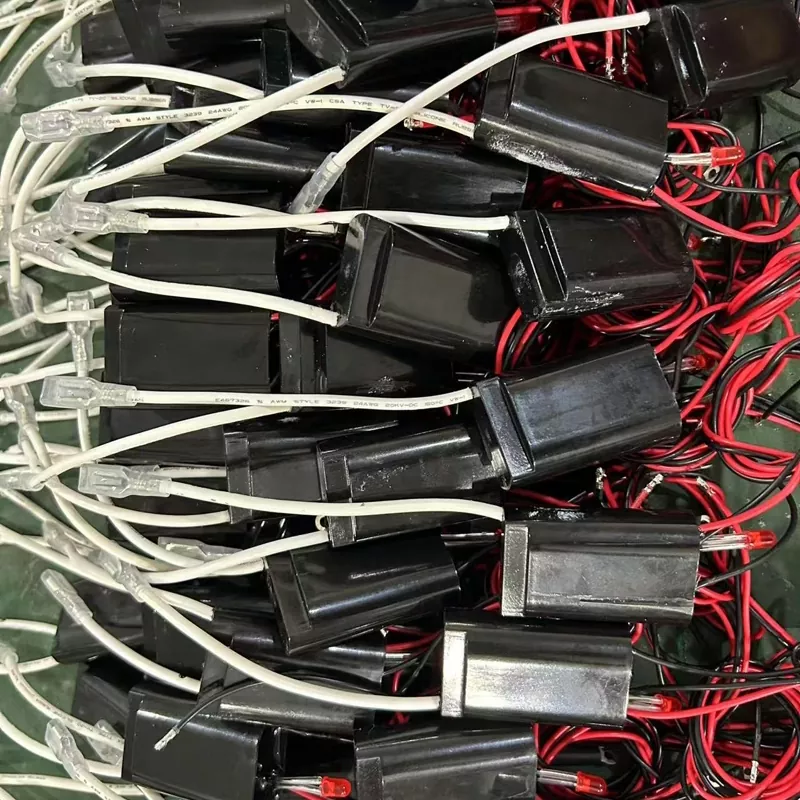
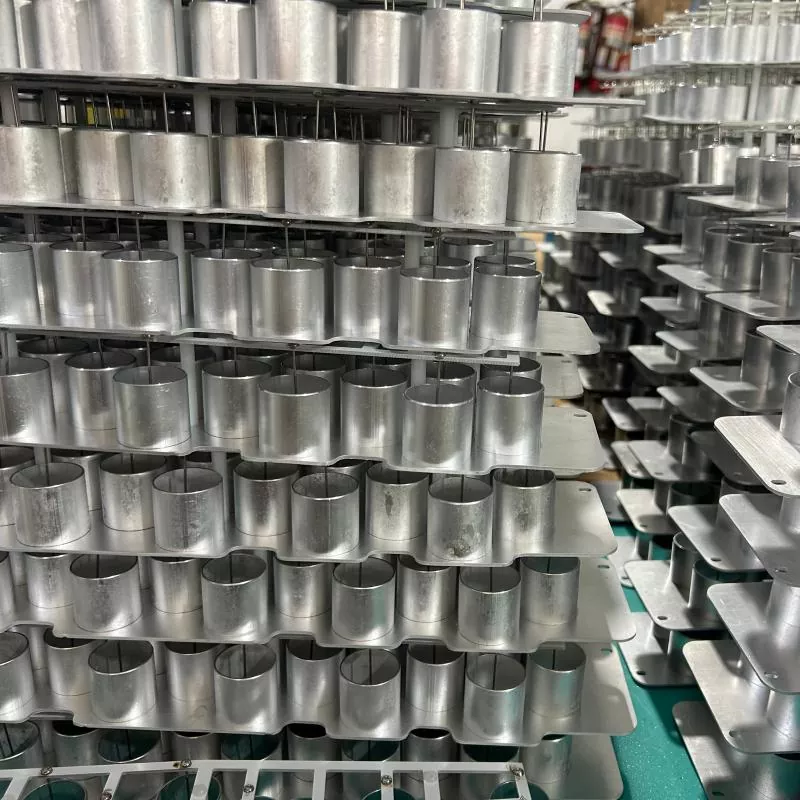
· Process: Air passes through an ionization zone where an 8,000-12,000V DC electric field charges oil mist particles. Charged particles then enter a collection zone with alternating positive and negative plates, where they are attracted to grounded surfaces. Collected oil liquefies and drains into storage tanks.
· Advantages: 99.9%+ efficiency for particles as small as 0.1μm; no disposable filters (collector plates are washable and reusable); 6,000+ hour service life; low long-term operating costs
· Limitations: Higher initial investment
· Best for: Precision grinders, high-speed CNC centers, and Minimum Quantity Lubrication (MQL) processes generating ultra-fine oil mist
3. Hybrid Technology (Mechanical + Electrostatic)
Hybrid systems combine the strengths of both technologies to deliver optimal performance across all operating conditions.
· Process: Air first passes through mechanical pre-filters that remove large oil droplets, metal shavings, and debris. This protects the downstream electrostatic module from contamination and arcing. The pre-treated air then enters the electrostatic section for ultra-fine particle removal.
· Advantages: 99.5%+ consistent efficiency; eliminates weaknesses of both standalone technologies; handles mixed oil mist, emulsion, and oil fume contaminants
· Best for: Medium-to-large precision manufacturing facilities and multi-process production lines with variable pollution loads
System Configurations
Industrial oil mist purification systems are available in two primary configurations to suit different workshop layouts and production scales:
1. Standalone Units
Compact, self-contained systems designed for individual machine tools. They can be floor-mounted, wall-mounted, or directly mounted on machine enclosures.
· Features: Quick installation, independent operation, easy relocation
· Capacity: 100-10,000 m³/h per unit
· Best for: Workshops with dispersed equipment, short production lines, or variable production schedules
2. Centralized Systems
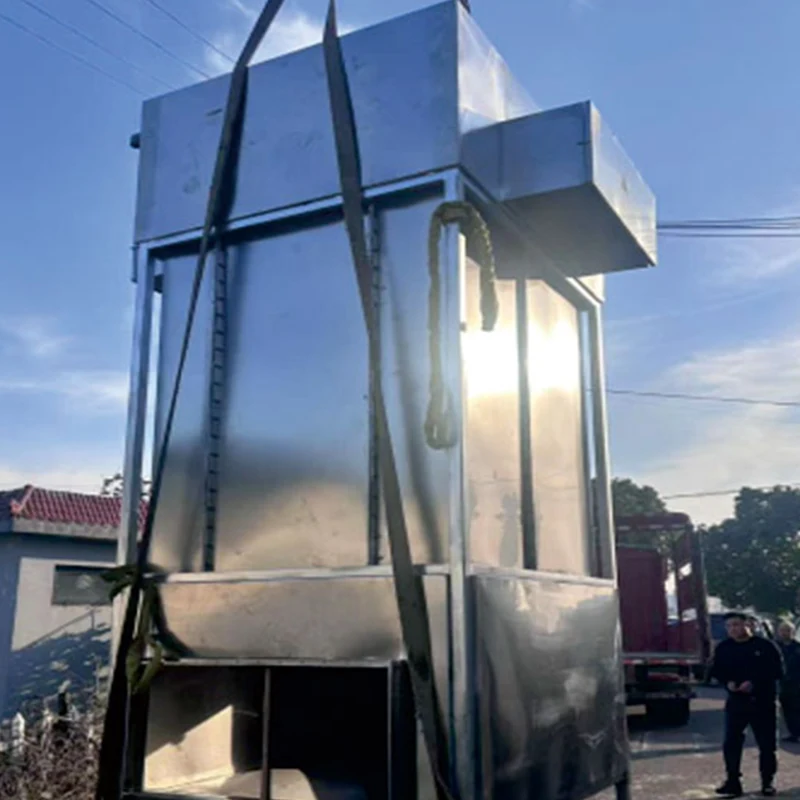
Large-scale integrated systems consisting of a main purification unit, ductwork network, air valves, collection hoods, and central controls. They connect to multiple machines throughout a facility for comprehensive air quality management.
· Features: Whole-facility coverage, consistent air quality standards, centralized maintenance
· Capacity: Up to 70,000 m³/h per system
· Best for: Large standardized manufacturing plants, dense production lines, and facilities requiring uniform environmental control
Key Application Scenarios
Industrial oil mist purification systems are deployed across all manufacturing sectors where oil-based processes are used:
· Metalworking: CNC machining centers, grinders, lathes, mills, drills, boring machines
· Mechanical Manufacturing: Heat treatment furnaces, parts washers, die-casting machines, hydraulic presses
· Precision Engineering: Bearing manufacturing, gear production, mold making, medical device fabrication
· Automotive Industry: Engine component manufacturing, transmission assembly, metal stamping
· Other Applications: Food machinery production, aerospace manufacturing, hardware processing
Core Business Benefits
Investing in industrial oil mist purification systems delivers returns across five critical dimensions:
1. Worker Health Protection
· Removes 99.9% of respirable oil mist particles (≥0.1μm)
· Prevents occupational illnesses including bronchitis, asthma, dermatitis, and eye irritation
· Improves workplace air quality and employee comfort
· Reduces absenteeism and healthcare costs
2. Equipment Protection
· Prevents oil buildup on machine guides, servo motors, electrical cabinets, and control systems
· Eliminates corrosion, electrical shorts, and precision degradation
· Extends equipment service life by 30-50%
· Reduces maintenance costs and unplanned downtime
3. Safety Enhancement
· Eliminates slippery floors caused by oil mist settling
· Reduces fire and explosion hazards from flammable oil mist accumulations
· Improves workplace visibility and reduces accident risks
· Ensures compliance with occupational safety regulations
4. Cost Reduction
· Recovers 85-95% of cutting fluids and lubricants for reuse
· Significantly reduces consumable purchasing costs
· Lowers energy consumption compared to general ventilation systems
· Minimizes waste disposal expenses
5. Regulatory Compliance
· Meets all requirements of GBZ 1-2010 Occupational Health Standards for Industrial Enterprises
· Complies with GB 16297-1996 Comprehensive Emission Standard of Air Pollutants
· Enables successful environmental audits and safety inspections
· Avoids costly fines and production shutdowns
Selection Criteria
When specifying an industrial oil mist purification system, consider these critical parameters:
|
Parameter |
Mechanical |
Electrostatic |
Hybrid |
|
Airflow Capacity |
100-5,000 m³/h |
500-10,000 m³/h |
1,000-70,000 m³/h |
|
Purification Efficiency |
90-95% |
99.9%+ |
99.5%+ |
|
Particle Size Range |
≥1μm |
≥0.1μm |
≥0.01μm |
|
Compatible Contaminants |
Cutting oils, emulsions |
All oil types, MQL mist |
All oil types, fumes, mixed contaminants |
|
Initial Cost |
Low |
High |
Medium-High |
|
Operating Cost |
Medium (filter replacement) |
Low (washable components) |
Low-Medium |
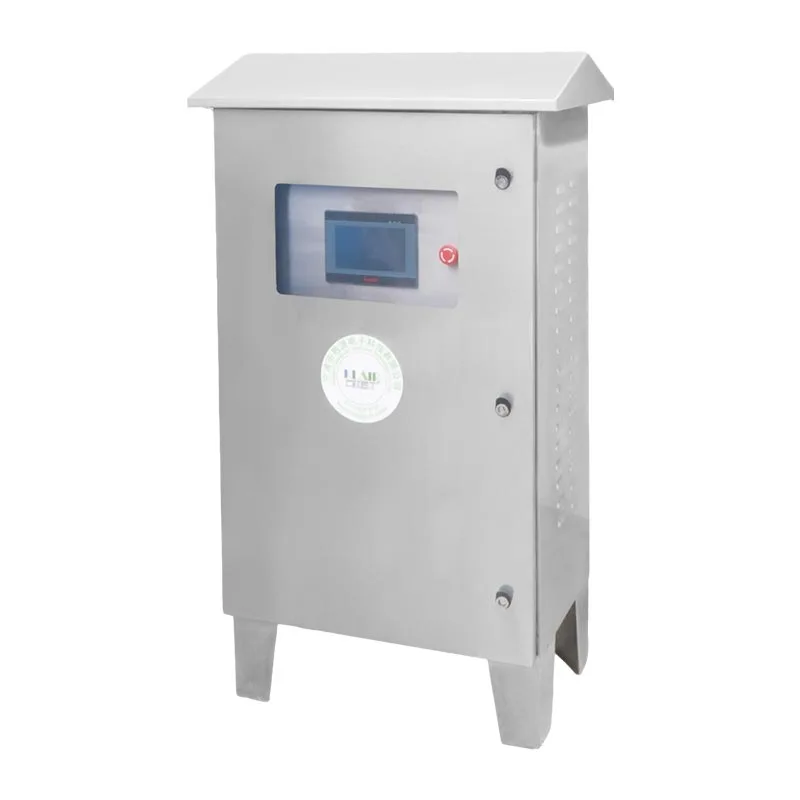
Modern systems feature intelligent controls including overload protection, clogging alarms, air pressure monitoring, and automatic start/stop functionality. They operate quietly (≤70dB) and are designed for 24/7 continuous production environments.
Industry Trends and Future Outlook
As environmental regulations tighten and manufacturing becomes increasingly precision-focused, industrial oil mist purification technology continues to evolve. Key development trends include:
· Energy Efficiency: Variable frequency drives and demand-based airflow control reduce power consumption by 30-40%
· Smart Technology: IoT integration enables remote monitoring, predictive maintenance, and data analytics
· Zero-Consumable Designs: Advanced electrostatic and centrifugal technologies eliminate disposable filters
· Integrated Systems: Combined oil mist, dust, and fume purification solutions for comprehensive air quality management
Conclusion
Industrial Oil Mist Purification Systems are critical investments for modern manufacturing facilities. They address the fundamental challenges of worker health, equipment protection, safety, cost control, and regulatory compliance.
By selecting the appropriate technology platform and system configuration for their specific operations, manufacturers can create cleaner, safer, more productive work environments while reducing operating costs and enhancing their competitive position. As manufacturing continues to advance toward greater precision and sustainability, these systems will remain essential infrastructure for responsible industrial production.
Hot Tags: Industrial Oil Mist Purification System Manufacturer, Oil Mist Collector Supplier, Oil Mist Separator Wholesale
Send Inquiry
Contact Info
-
Address
No. 661 Cangchu Road, Jiangbei District, Ningbo City,ZHEJIANG PROVINCE,CHINA
-
Tel
-
Email
For inquiries about our products or pricelist, please leave your email to us and we will be in touch within 24 hours.