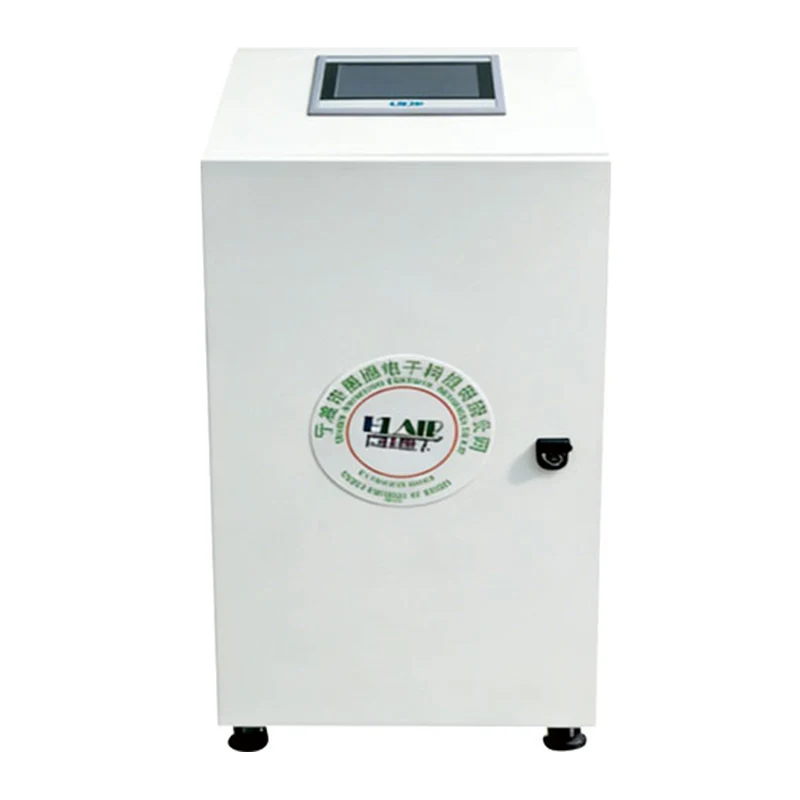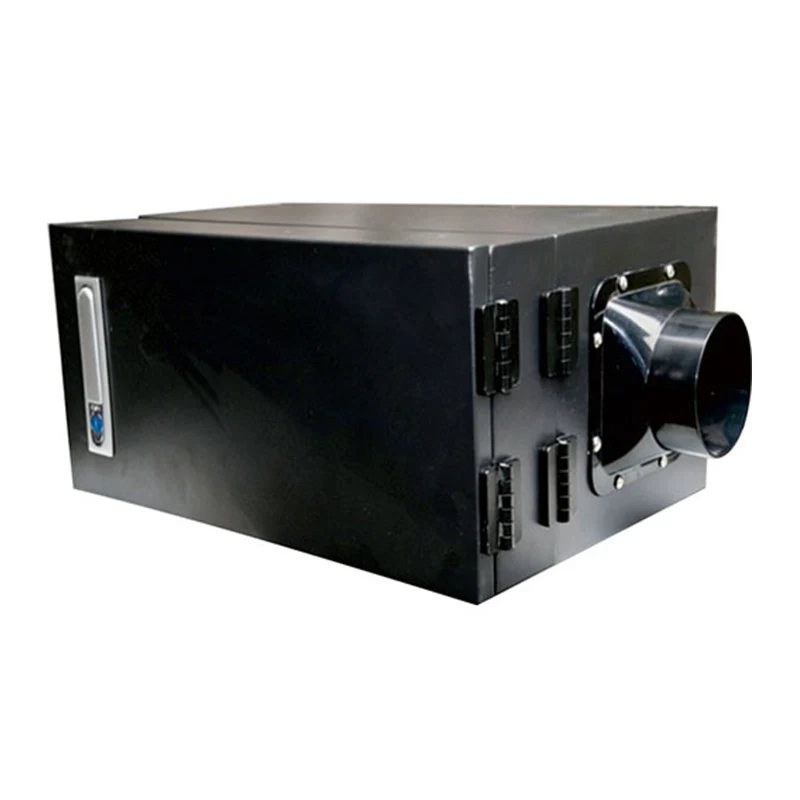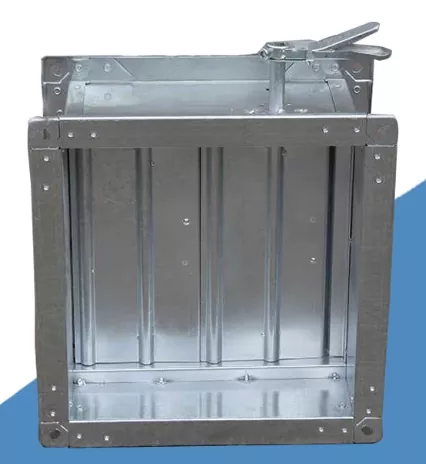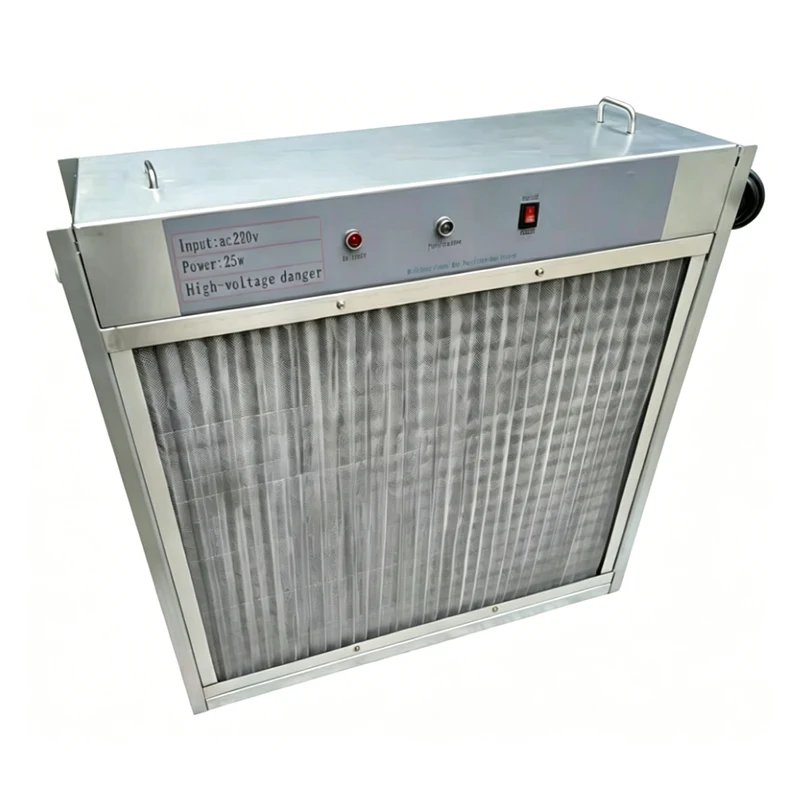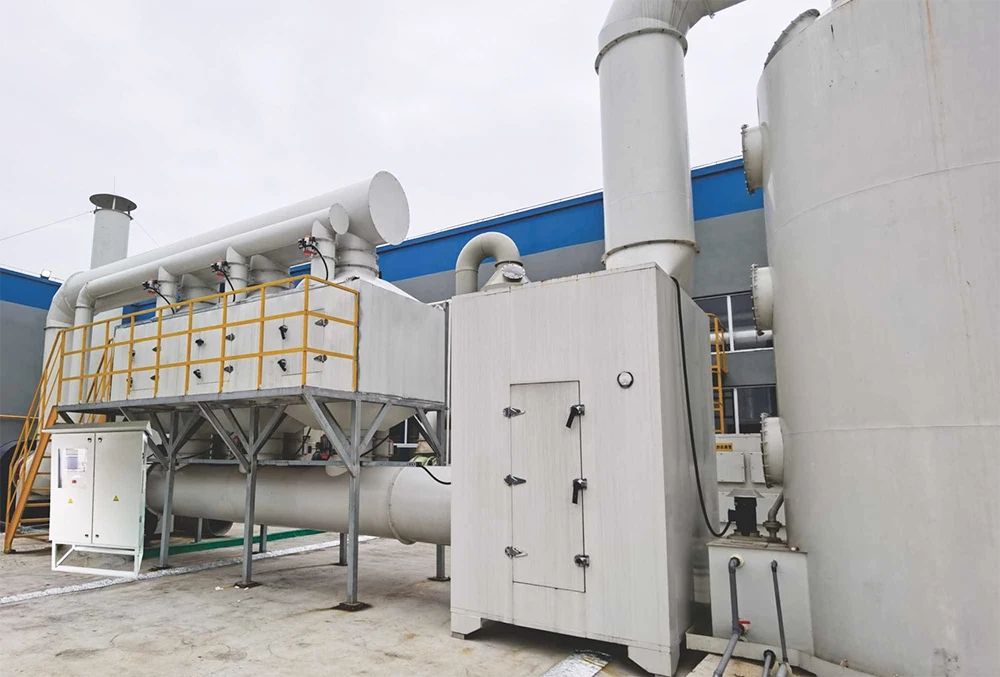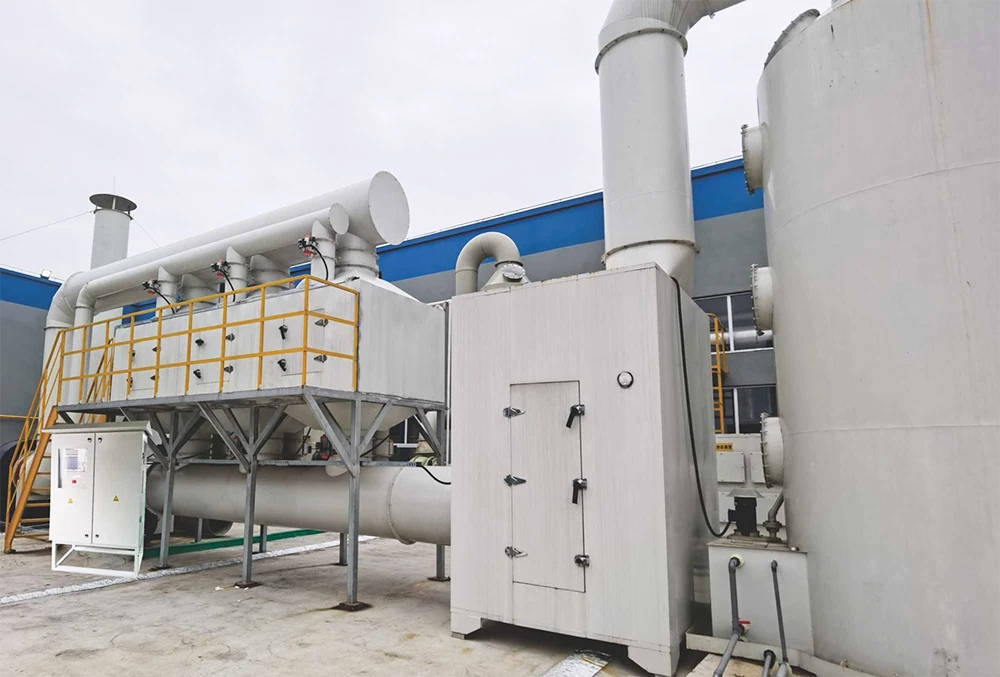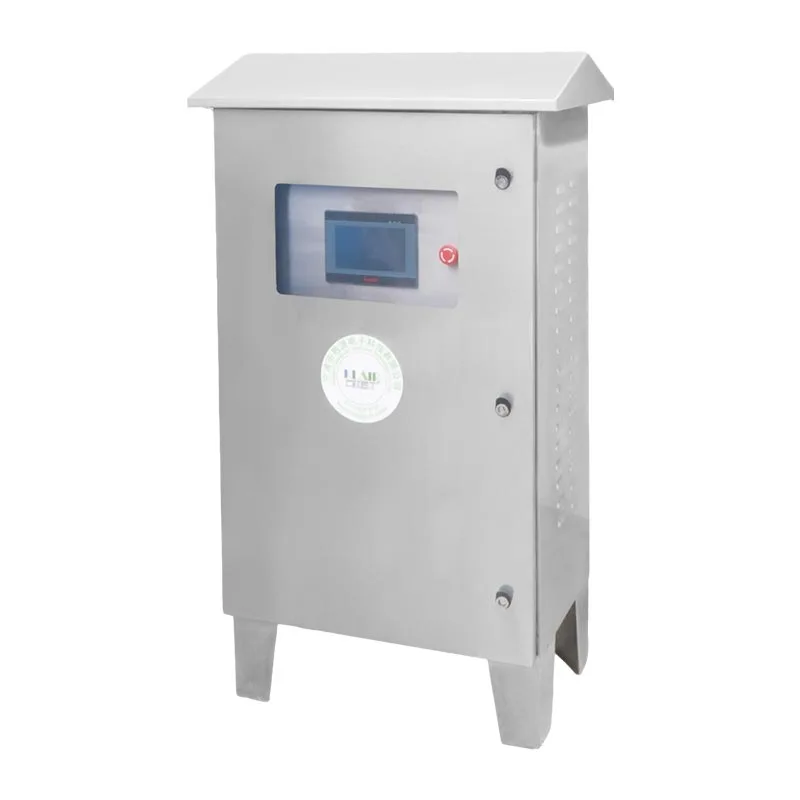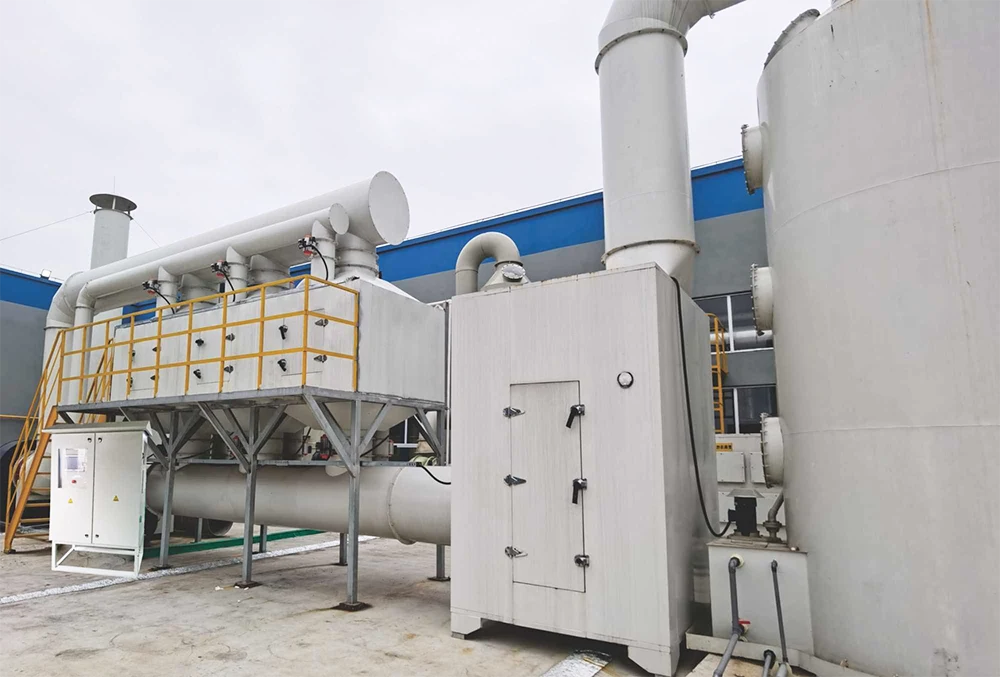
DeFa Intelligent Purification Power Supply and Control System Assembly integrates high-frequency high-voltage power generation, Siemens PLC control, safety protection, IoT communication, and auxiliary equipment management into one coordinated platform. Designed for industrial purification applications, this solution helps operators achieve more stable power delivery, automated operation, safer equipment management, and easier maintenance across electrostatic, plasma, VOC, and odor treatment systems.
An intelligent purification system is more than a power source or control cabinet. It acts as the operational core of modern environmental protection equipment by coordinating high-voltage output, purification processes, fans, cleaning systems, safety interlocks, alarms, and remote monitoring. DeFa's integrated approach combines these functions into a unified architecture, helping reduce complicated field commissioning and manual intervention while supporting centralized and remote management. With high-frequency high-voltage generation, Siemens PLC-based control, three-tier fire protection, IoT connectivity, and programmable auxiliary equipment control, the system is suitable for demanding industrial waste gas and air purification projects.
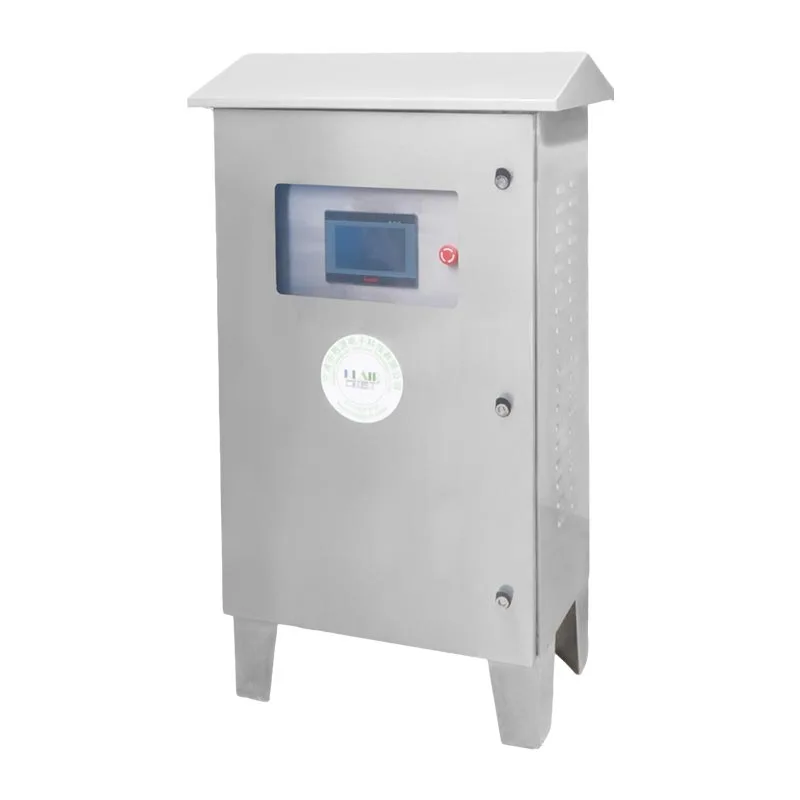
Table of Contents
- What Is an Intelligent Purification Power Supply and Control System Assembly?
- How Is the System Architected?
- What Are the Key Functional Features?
- How Does the System Improve Operational Safety?
- Where Can It Be Applied?
- What Benefits Can Industrial Users Expect?
- What Should Buyers Consider Before Selection?
- Frequently Asked Questions
- Conclusion
What Is an Intelligent Purification Power Supply and Control System Assembly?
An Intelligent Purification Power Supply and Control System Assembly is an integrated electrical and automation platform developed to operate and manage industrial purification equipment. Instead of requiring separate control units for the high-voltage generator, fans, cleaning pumps, safety functions, and monitoring interfaces, an integrated assembly brings these functions into coordinated control logic.
The system combines a high-frequency high-voltage generator with a Siemens PLC control core, safety interlocks, communication interfaces, and auxiliary equipment controls. The architecture is intended for electrostatic, plasma, VOC purification, odor control, and related environmental protection applications.
The main objective is to provide stable electrical power while allowing the purification process and supporting equipment to operate according to programmed conditions. This approach can simplify installation, operation, troubleshooting, and future system expansion.
How Is the System Architected?
A well-designed purification control assembly needs to coordinate several electrical and mechanical functions simultaneously. DeFa's architecture can be understood through several interconnected modules.
High-Frequency High-Voltage Generator
The integrated generator provides the electrical energy required by electrostatic or plasma purification processes. High-frequency operation can increase the number of effective discharge events compared with conventional line-frequency power supplies. The technology is designed to support efficient and stable purification performance under appropriate operating conditions.
Siemens PLC Control Core
The PLC serves as the central control unit. It coordinates high-voltage output, fan operation, cleaning sequences, safety interlocks, alarms, and other programmed functions. Automatic and manual operating modes allow the system to respond to changing process conditions while still giving maintenance personnel control when required.
IoT and Communication Interfaces
Remote communication enables operators to monitor operating status, receive fault notifications, and manage selected functions. Ethernet and fiber-optic interfaces can also support communication with DCS, SCADA, or centralized factory control systems.
Auxiliary Equipment Management
The assembly can integrate control functions for fans, cleaning pumps, spray towers, valves, and other associated equipment. This reduces the need for multiple independent control cabinets and creates a more coordinated purification workflow.
What Are the Key Functional Features?
The value of an integrated purification power and control platform lies in how its electrical, automation, and safety functions work together. The following table summarizes the main capabilities.
| Functional Module | Main Capability | Operational Value |
|---|---|---|
| High-frequency high-voltage generator | Stable and adjustable high-voltage output | Supports electrostatic and plasma purification |
| Siemens PLC control | Centralized logic and parameter management | Coordinates multiple equipment functions |
| Three-tier protection | Hazard detection, programmed protection, and generator self-monitoring | Helps improve operational safety |
| IoT communication | Remote monitoring and selected control functions | Supports more efficient equipment management |
| Central control interface | Ethernet and fiber-optic connectivity | Facilitates DCS and SCADA integration |
| Auxiliary equipment control | Fan, pump, spray tower, and valve linkage | Creates coordinated system operation |
| System logging | Records operating events and parameter changes | Supports diagnostics and traceability |
How Does the System Improve Operational Safety?
Safety is a critical consideration when industrial exhaust streams contain combustible compounds, oil mist, dust, or other potentially hazardous materials. A modern control system should therefore do more than shut equipment down after a fault occurs. It should identify abnormal conditions as early as possible and coordinate protective actions.
DeFa uses a three-tier protection concept:
- Front-end hazard detection: Spark or high-temperature particle detection can initiate shutdown actions before a hazard reaches downstream purification equipment.
- Programmed protection: PLC logic monitors parameters such as current, temperature, and pressure and can reduce output or disconnect high voltage when programmed thresholds are exceeded.
- Generator self-monitoring: The high-voltage generator checks conditions such as arcing, short circuits, and overloads and can interrupt output when abnormal conditions are detected.
This layered architecture separates different protection mechanisms rather than depending on one single safety function. Emergency and safety-critical logic can remain locally controlled even when remote communication is unavailable.
Where Can It Be Applied?
The integrated design makes this type of control assembly suitable for a variety of industrial environmental applications. Typical scenarios include:
- Industrial VOC purification systems
- Electrostatic purification equipment
- Plasma-based waste gas treatment
- Commercial kitchen fume purification
- Industrial odor control projects
- Exhaust streams containing oil mist, acid mist, or particulates
- Environmental protection equipment retrofits
- Medium- and large-scale purification system upgrades
For equipment integrators, the integrated control architecture can also be useful when upgrading existing purification installations. Rather than designing several independent control panels, engineers can consolidate major functions into one coordinated platform.
What Benefits Can Industrial Users Expect?
1. Simplified System Integration
Combining power supply, PLC control, safety logic, communication, and auxiliary equipment interfaces can reduce the complexity associated with multi-cabinet installations.
2. More Consistent Operation
Preset control parameters and automatic adjustment functions can help the purification system respond to changing exhaust conditions without requiring constant manual intervention.
3. Easier Maintenance
Operating records, fault codes, remote alarms, and centralized interfaces provide maintenance teams with more information when diagnosing abnormal conditions.
4. Reduced Manual Intervention
One-touch startup and shutdown sequences can coordinate the generator, fans, cleaning systems, and other equipment according to a predefined sequence.
5. Better Connectivity
IoT communication, Ethernet, and fiber-optic interfaces can connect purification equipment with factory-level monitoring and management systems.
6. Scalable Project Integration
Multi-point control and centralized management can be valuable for facilities operating several purification units or geographically distributed equipment.
What Should Buyers Consider Before Selection?
Choosing a purification power supply and control assembly should begin with the actual purification process rather than the control cabinet alone. Buyers and engineering teams should evaluate several technical factors:
- Purification technology: Confirm whether the application uses electrostatic, plasma, hybrid, or another purification process.
- Electrical requirements: Check input power, high-voltage requirements, load characteristics, and operating range.
- Exhaust conditions: Consider gas composition, temperature, humidity, particulate concentration, oil mist, and combustible components.
- Safety requirements: Determine whether spark detection, interlocks, overload protection, and emergency shutdown functions are necessary.
- Communication requirements: Confirm compatibility with existing DCS, SCADA, Ethernet, fiber-optic, or industrial communication networks.
- Auxiliary equipment: Identify fan, pump, spray tower, valve, and cleaning-control requirements before final configuration.
- Maintenance strategy: Review remote diagnostics, event logging, alarm management, and local manual-control capabilities.
Technical matching is especially important because high-voltage purification systems can have different electrical characteristics and control requirements. A supplier capable of parameter adaptation and engineering support can therefore be valuable during system integration.
Frequently Asked Questions
Can the system directly drive electrostatic or plasma purification equipment?
Yes. The integrated high-frequency high-voltage generator is designed for electrostatic precipitation and plasma-related applications. Output parameters can be programmed and adapted to the requirements of different purification electric fields or plasma reactors.
Does the high-voltage generator require extensive on-site commissioning?
The system is supplied with preset baseline parameters designed to reduce repeated manual adjustment during installation. Automatic operation can then adapt to changing operating conditions, while manual mode remains available for unusual conditions or engineering adjustments.
How does the three-tier fire protection mechanism work?
It combines external hazard detection, PLC-based threshold protection, and generator-level self-monitoring. These layers can respond to sparks, abnormal operating trends, arcing, short circuits, or overload conditions.
Can the system connect to an existing DCS or SCADA platform?
Yes. The system provides Ethernet and fiber-optic interfaces and supports industrial communication such as Modbus TCP. Specific integration requirements should be confirmed during technical evaluation.
Can operators monitor the equipment remotely?
Yes. IoT functionality can provide equipment-status monitoring, fault notifications, and selected remote operating functions. Safety-critical functions remain dependent on local protection logic rather than relying solely on remote communication.
Conclusion
An Intelligent Purification Power Supply and Control System Assembly brings high-voltage power generation, PLC automation, safety protection, remote monitoring, and auxiliary equipment management into a unified operating platform. For industrial VOC, electrostatic, plasma, odor, and complex exhaust treatment projects, this integrated architecture can simplify system management while supporting stable operation and more structured maintenance.
With engineering-oriented control logic, high-frequency power technology, layered safety protection, and connectivity for centralized management, DeFa provides an integrated approach for environmental equipment manufacturers, system integrators, and industrial end users seeking to modernize purification control. If you are planning a new purification project, retrofit, or control-system upgrade, learn more about the Intelligent Purification Power Supply and Control System Assembly and contact us to discuss your application requirements, electrical parameters, communication needs, and customized integration solution.