How Can a Quenching Furnace Oil Fume Purification System Improve Industrial Air Quality and Production Efficiency
DeFa, an industrial air purification equipment brand, provides the Quenching Furnace Oil Fume Purification System for heat treatment operations that need effective control of high-temperature oil mist, fine particles, and unpleasant odors. Its staged purification design helps manufacturers improve workshop air quality, support environmental compliance, and maintain reliable production.
Oil quenching is widely used in heat treatment to improve the hardness, strength, and wear resistance of metal components. However, the process releases oil fumes, carbon particles, and other airborne pollutants that can affect workplace conditions and surrounding air quality. A properly selected Quenching Furnace Oil Fume Purification System captures these emissions and treats them through a coordinated process involving pre-cooling, mechanical separation, electrostatic precipitation, and optional activated carbon adsorption. This guide explains the operating principle, major components, application scenarios, selection criteria, maintenance requirements, and purchasing considerations for industrial users.
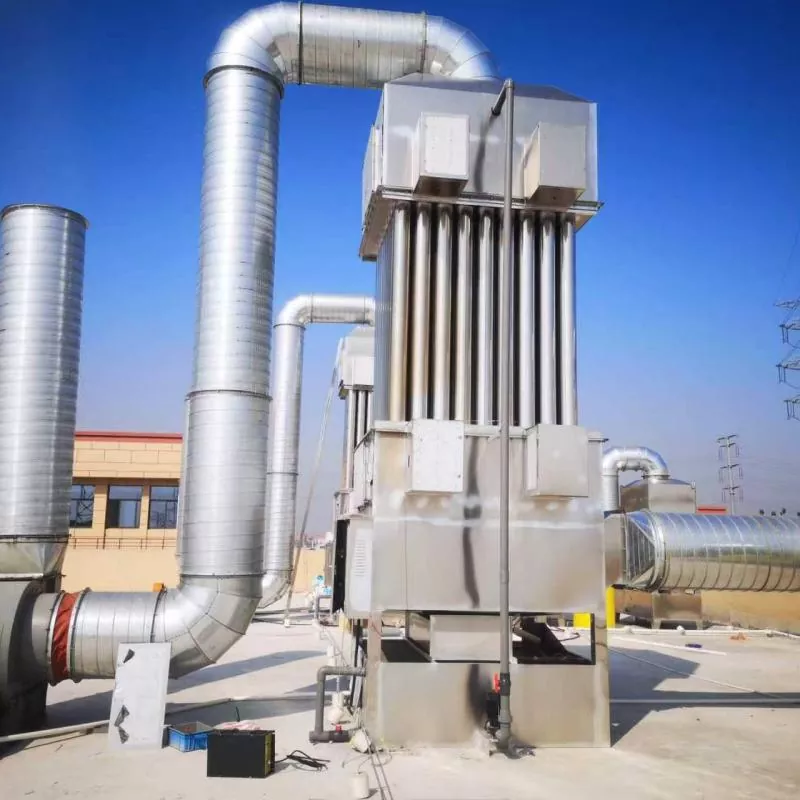
Table of Contents
- Why Does Quenching Generate Oil Fume?
- How Does the Purification System Work?
- What Are the Main System Components?
- Which Technical Factors Matter Most?
- Where Is the System Used?
- How Should Manufacturers Select a System?
- How Can Maintenance Improve Reliability?
- Frequently Asked Questions
- Conclusion
Why Does Quenching Generate Oil Fume?
During oil quenching, heated metal workpieces are immersed in quenching oil to achieve the required metallurgical properties. Contact between hot metal and oil generates vapor, suspended oil droplets, and fine carbonaceous particles. Depending on the oil formulation, operating temperature, and quenching cycle, the exhaust may also contain volatile organic compounds (VOCs) and odor-producing substances.
Unlike the relatively steady emissions from some machining operations, batch quenching can release a concentrated plume within a short period. This intermittent pattern creates several challenges for conventional ventilation and filtration equipment.
- Temperature fluctuations: Exhaust temperature can rise sharply during workpiece immersion, potentially exceeding the operating limits of downstream components.
- Oil accumulation: Sticky deposits can build up in ducts, filters, and collection chambers, increasing maintenance requirements.
- Fine particulate emissions: Small oil droplets and carbon particles may remain airborne even after larger contaminants have been separated.
- Odor concerns: Residual organic compounds can contribute to unpleasant odors around production facilities.
- Variable exhaust volume: Equipment must accommodate peak emissions rather than being sized only for average operating conditions.
These characteristics make source capture and staged treatment essential. A dedicated Quenching Furnace Oil Fume Purification System can be configured around the furnace layout, oil characteristics, batch cycle, and required discharge conditions.
How Does the Purification System Work?
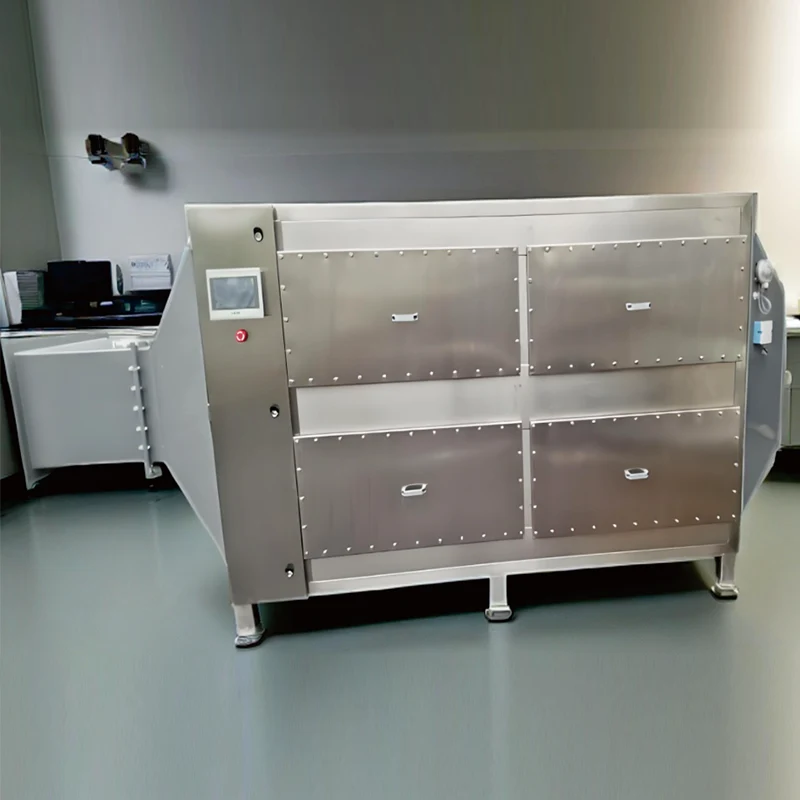
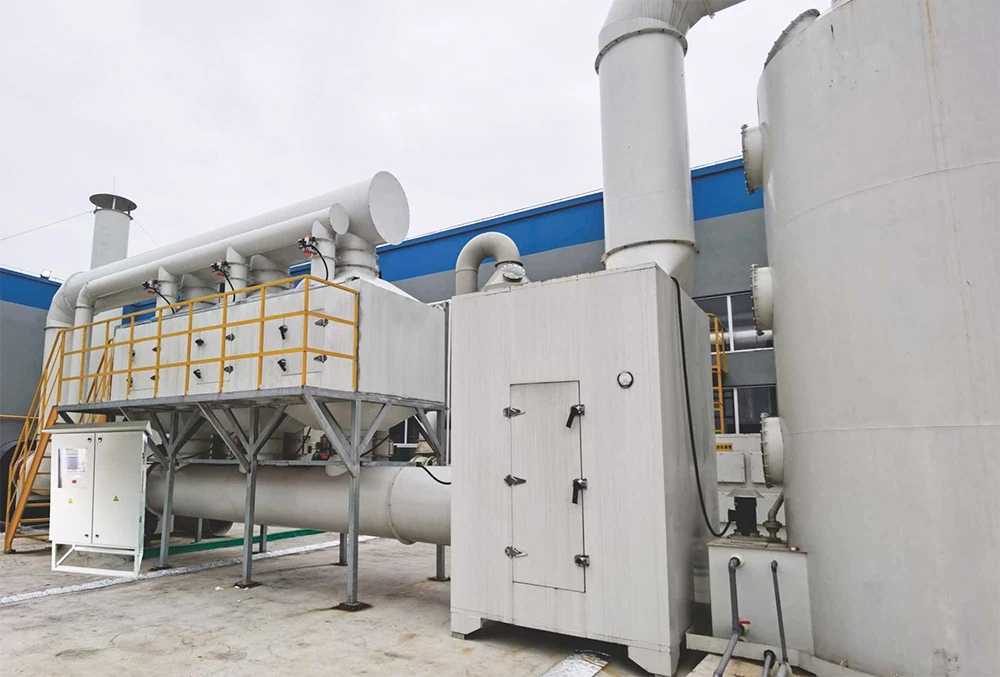
A practical purification solution uses multiple treatment stages, with each stage addressing a different part of the exhaust stream. DeFa's product configuration combines pre-cooling, mechanical separation, and electrostatic precipitation, with activated carbon adsorption available as an optional treatment stage when additional odor or organic-compound control is required.
1. Source Capture and Exhaust Collection
A capture hood is installed above or beside the quenching tank to collect emissions as close to the source as possible. The hood and ductwork must accommodate furnace doors, overhead cranes, manipulators, and workpiece transfer paths. Properly designed negative-pressure extraction helps reduce the escape of fumes into the workshop.
2. Pre-Cooling and Temperature Control
Hot exhaust passes through a cooling section before reaching temperature-sensitive purification components. Depending on the operating conditions, the design may use an air-to-air heat exchanger, water-spray cooling, or controlled dilution air. DeFa's product information describes cooling the exhaust to below 80°C before the electrostatic stage. The final operating temperature should be confirmed against the selected equipment specifications.
3. Mechanical Separation
A cyclone, baffle separator, or equivalent mechanical device removes larger oil droplets and coarse particles. Early separation reduces the pollutant load on downstream equipment and can facilitate the collection of recoverable oil. This stage is especially useful where the quenching process produces heavy oil mist or carbon deposits.
4. Electrostatic Precipitation
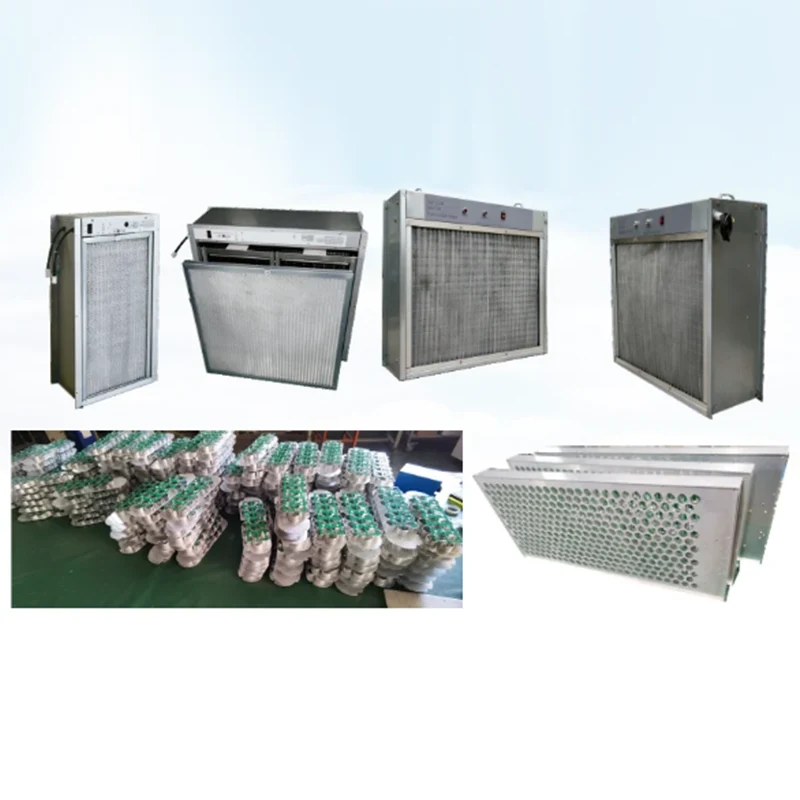
In the electrostatic section, high-voltage electrodes charge fine suspended particles. The charged particles migrate toward collection plates, where they accumulate and drain as liquid oil. Compared with relying exclusively on conventional filtration, electrostatic precipitation can provide an effective method for collecting fine oil mist when the equipment is correctly sized and maintained.
5. Optional Activated Carbon Adsorption
Some applications require additional odor control or treatment of residual organic compounds. An activated carbon bed can be installed after the electrostatic stage to adsorb selected contaminants. Its effectiveness depends on the exhaust composition, concentration, humidity, contact time, and carbon specification. Carbon adsorption should not be assumed to remove every VOC or replace treatment required for high pollutant concentrations.
6. Exhaust Discharge and Monitoring
A suitably selected fan moves the exhaust through the complete treatment train. Pressure, temperature, and equipment status monitoring help operators identify abnormal conditions. Treated gas should be discharged or recirculated only where permitted by the applicable environmental requirements and supported by appropriate performance verification.
What Are the Main System Components?
System performance depends on how the individual components work together. Selecting a high-efficiency purification unit without considering capture hoods, ductwork, cooling, or maintenance access can result in poor overall performance.
| Component | Primary Function | Key Selection Consideration |
|---|---|---|
| Capture hood | Collects fume at the source | Tank dimensions, crane movement, and peak emission rate |
| Cooling section | Reduces exhaust temperature | Inlet temperature, heat load, and cooling method |
| Mechanical separator | Removes larger droplets and particles | Oil loading, deposit characteristics, and drainage |
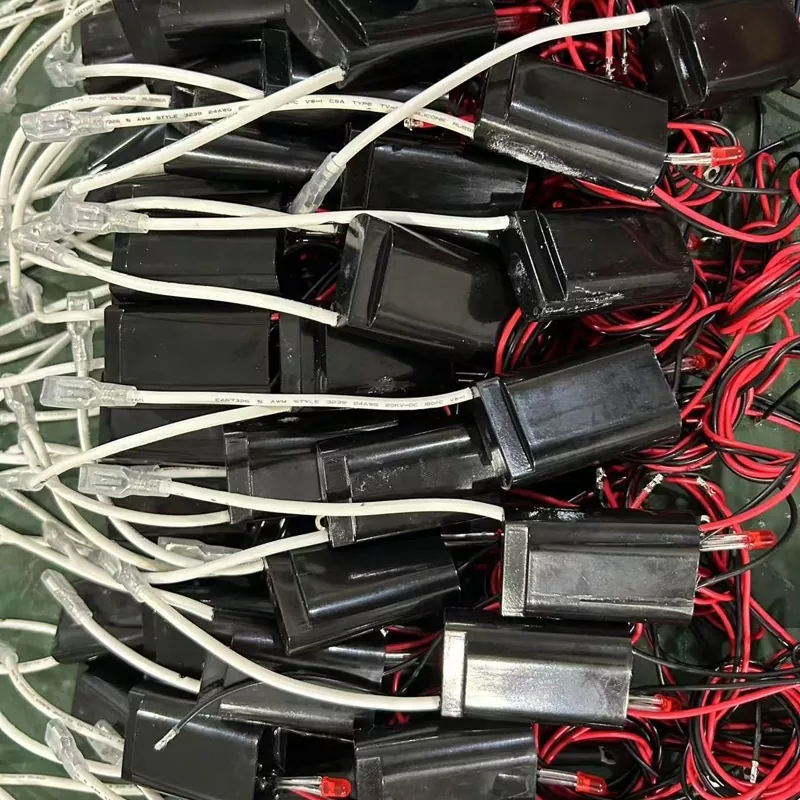
| Electrostatic precipitator | Collects fine oil mist and particles | Airflow, particle characteristics, electrode cleaning, and electrical safety |
| Activated carbon bed | Provides additional adsorption treatment | Contaminant type, adsorption capacity, and replacement interval |
| Exhaust fan | Maintains the required airflow | System resistance, peak airflow, and operating schedule |
| Control panel | Coordinates operation and protection | Interlocks, alarms, monitoring, and integration with furnace controls |
For industrial buyers, the most important consideration is the complete treatment train rather than any single component. Equipment layout, airflow balance, pollutant characteristics, and maintenance access should be evaluated together before the final configuration is approved.
Which Technical Factors Matter Most?
When comparing a Quenching Furnace Oil Fume Purification System from different suppliers, buyers should review the operating envelope and the evidence supporting the proposed treatment performance. The following table summarizes the main evaluation points.
| Evaluation Factor | What to Confirm | Why It Matters |
|---|---|---|
| Airflow capacity | Required flow during the peak quenching cycle | Insufficient airflow can allow fume to escape the capture hood. |
| Inlet temperature | Normal and maximum exhaust temperature | Protects downstream components and supports stable operation. |
| Pollutant loading | Oil mist, particulate matter, and relevant VOC concentrations | Determines the necessary pretreatment and purification stages. |
| Purification performance | Guaranteed outlet concentrations and testing conditions | Connects equipment selection to actual environmental requirements. |
| Pressure drop | Total resistance across the treatment train | Affects fan selection and electricity consumption. |
| Maintenance design | Access to electrodes, filters, drains, and carbon modules | Influences service time and long-term operating costs. |
| Safety controls | Temperature alarms, electrical protection, and fire-risk controls | Supports safe handling of hot, oil-containing exhaust. |
| Installation requirements | Available space, duct routing, power, and control interfaces | Reduces integration difficulties and production downtime. |
Actual performance figures must be assessed against the selected configuration and site conditions. A quoted removal efficiency is meaningful only when the target pollutant, sampling location, inlet concentration, operating airflow, and test method are clearly defined.
Where Is the System Used?
Quenching-related oil fume purification is relevant to manufacturers that use oil-based heat treatment or similar high-temperature processes. The configuration should reflect the specific emission source rather than assuming that every application requires the same equipment arrangement.
- Automotive parts manufacturing: Controls fumes generated when gears, shafts, bearings, and other metal components undergo oil quenching.
- Bearing and gear production: Supports cleaner work areas around batch heat treatment equipment.
- New energy battery component manufacturing: Helps manage emissions from heat treatment of metal casings and structural components.
- General machinery manufacturing: Provides localized exhaust treatment for industrial hardening and related processes.
- Continuous heat treatment lines: Can use adapted hood arrangements and coordinated airflow control to accommodate continuous production.
- Tempering and induction hardening: May share a treatment system when exhaust characteristics, airflow demand, and process scheduling have been evaluated.
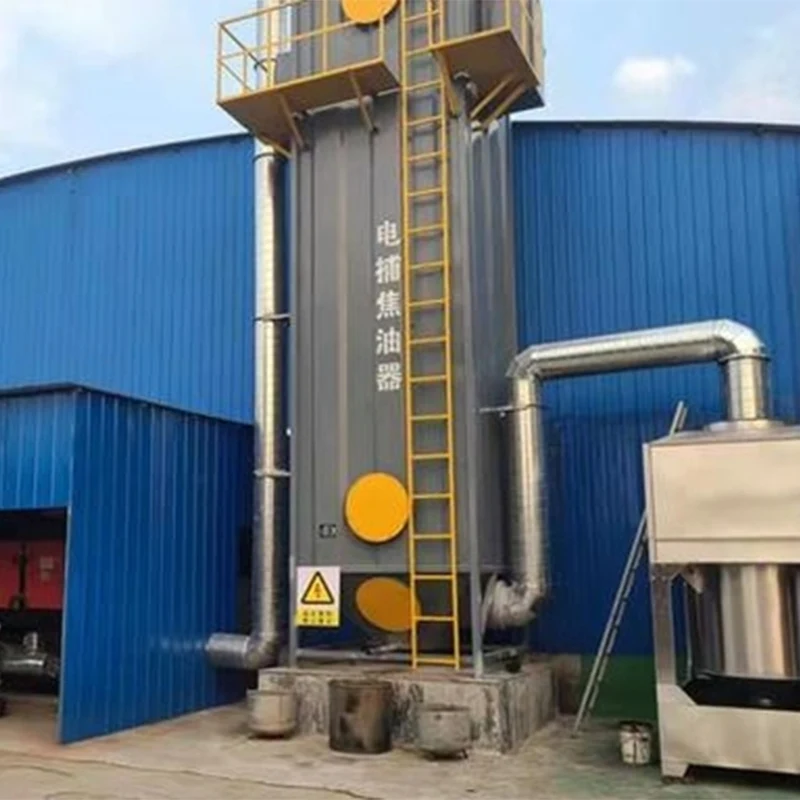
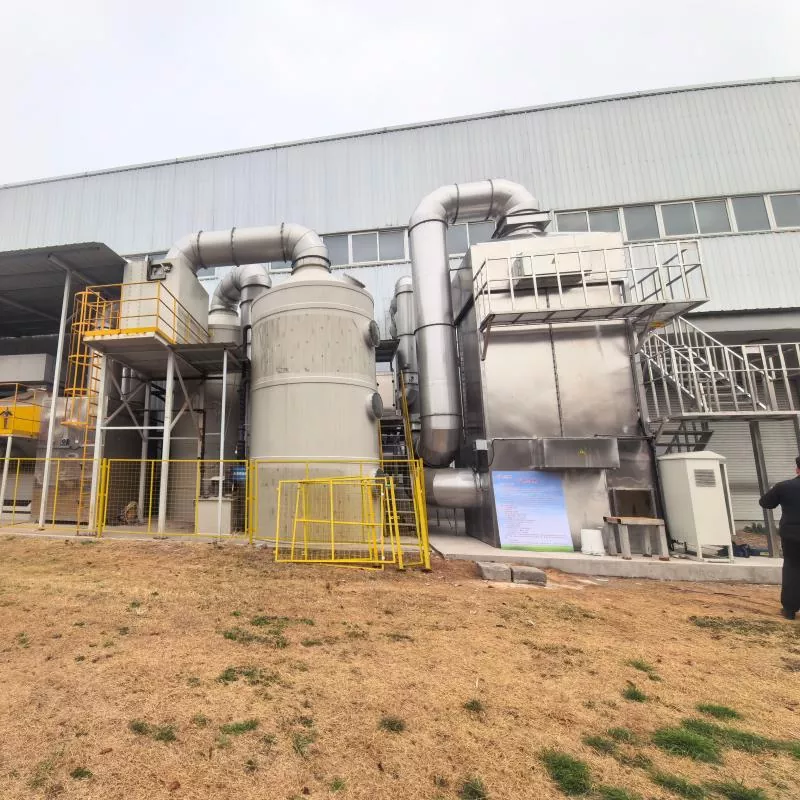
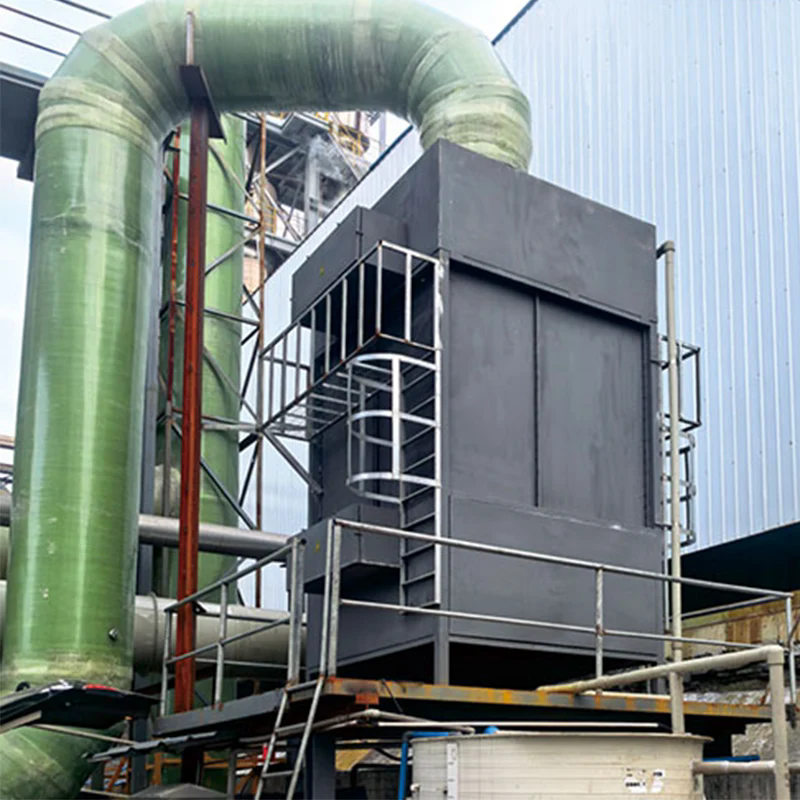
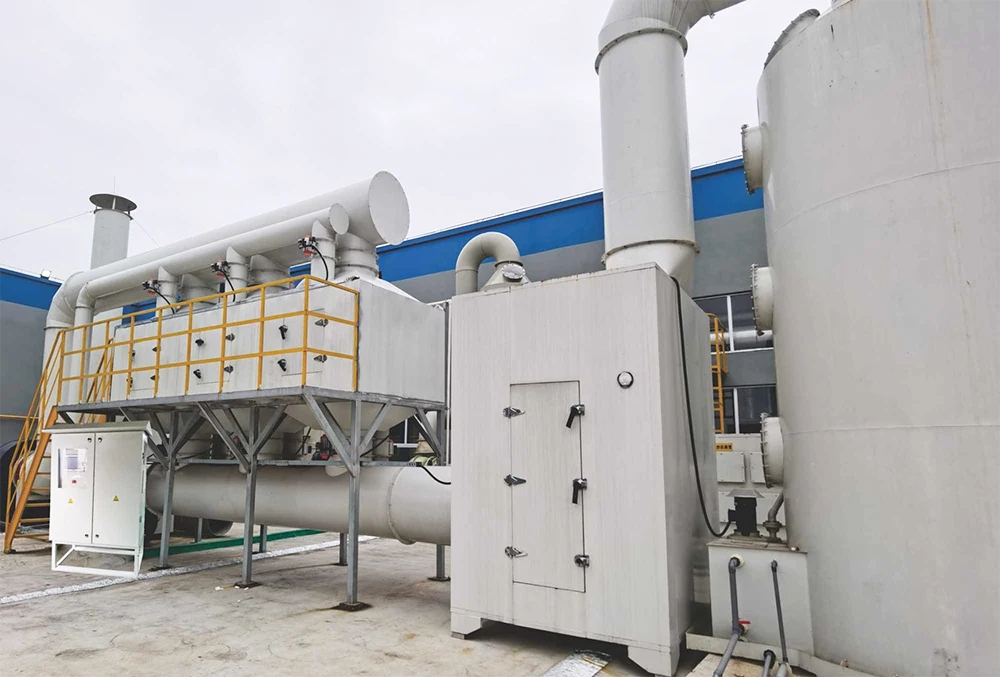
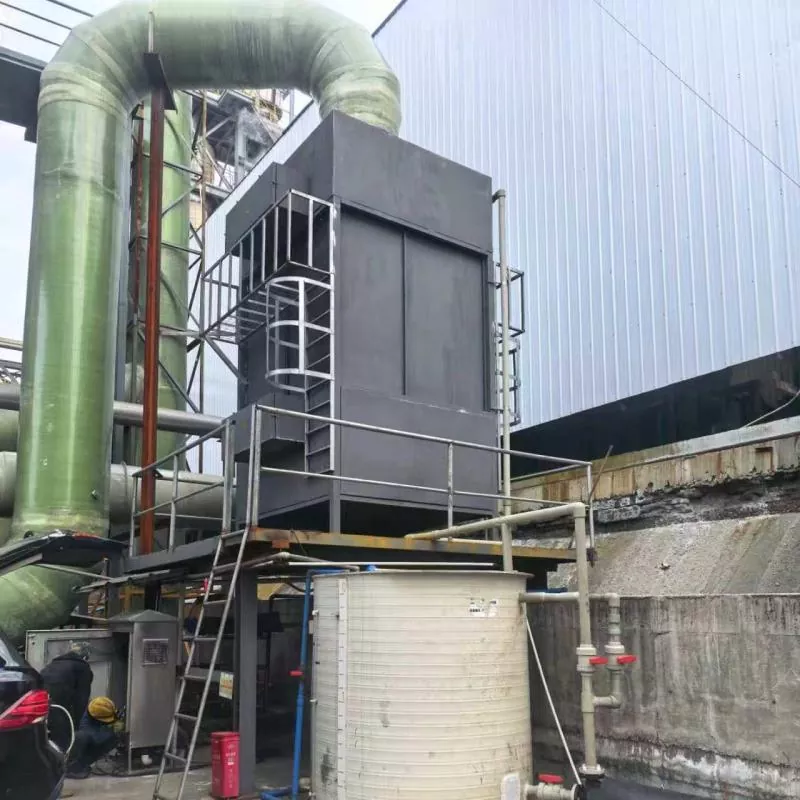
DeFa's product information describes a reference installation serving two batch-quenching lines at a new energy battery component manufacturer. The reported configuration included a capture hood, air-to-air pre-cooler, cyclone separator, electrostatic precipitator, and activated carbon stage. The supplier reports particulate concentrations below 8 mg/m³ and non-methane total hydrocarbons below 15 mg/m³ after commissioning. These are supplier-reported project results, not a guarantee for every installation; comparable performance must be verified under the buyer's actual operating conditions.
How Should Manufacturers Select a System?
Choosing the right purification equipment starts with an assessment of the process, not simply a comparison of purchase prices. The following steps help engineering teams prepare a practical specification.
- Document the quenching process. Record the furnace type, tank dimensions, oil type, workpiece size, batch duration, immersion speed, and production schedule.
- Estimate peak exhaust demand. Evaluate the maximum fume release during immersion and opening cycles. Do not size the fan using average emissions alone.
- Characterize the exhaust. Where possible, obtain measurements of temperature, oil mist, particulate matter, VOCs, and odor-related compounds.
- Define treatment objectives. Identify the pollutants that must be controlled and confirm applicable local emission limits and monitoring requirements.
- Choose the treatment stages. Select cooling, mechanical separation, electrostatic precipitation, and optional adsorption according to the measured conditions.
- Review plant integration. Check the available installation area, duct routes, electrical supply, drainage, maintenance clearance, and furnace control interfaces.
- Request documented guarantees. Ask the supplier to specify the design airflow, inlet conditions, outlet targets, testing procedure, and commissioning acceptance criteria.
For procurement teams, the total cost of ownership should include equipment purchase, installation, energy use, cleaning, replacement media, waste handling, and planned downtime. A configuration with a higher initial cost may be more economical if it reduces maintenance frequency or provides better control under peak operating conditions.
Buyers can also review DeFa's Quenching Furnace Oil Fume Purification System for product details and configuration discussions. Where organic gas treatment extends beyond oil mist and particulate control, the related waste gas treatment equipment for quenching processes may also be relevant for technical evaluation.
How Can Maintenance Improve Reliability?
Oil fume purification equipment requires planned maintenance because accumulated oil and carbon deposits can affect airflow, collection performance, electrical insulation, and fire safety. A maintenance schedule should be developed around the actual pollutant load and operating hours.
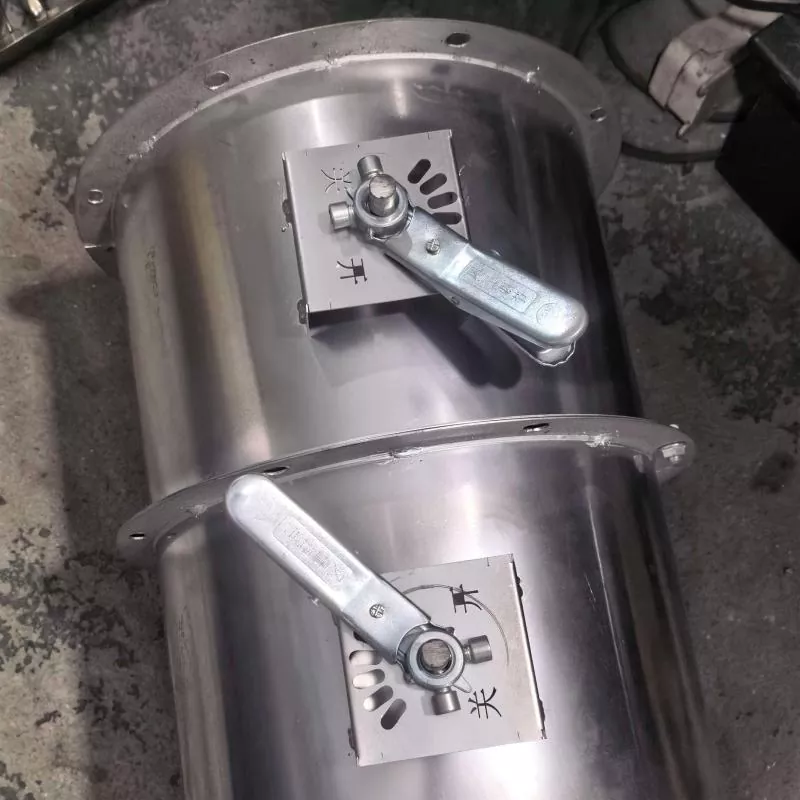
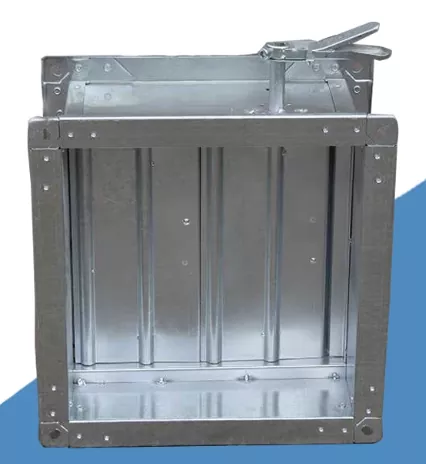
- Inspect capture hoods and dampers: Check for oil deposits, obstruction, and incorrect damper movement.
- Clean the cooling section: Remove deposits that reduce heat transfer or restrict airflow.
- Drain and inspect mechanical separators: Prevent excessive oil accumulation and verify that drainage paths remain clear.
- Clean electrostatic collection plates: Isolate the electrical supply and follow the manufacturer's discharge and cleaning procedures before maintenance.
- Check high-voltage components: Inspect insulators, electrodes, connections, and alarms for contamination or damage.
- Monitor activated carbon: Replace or regenerate the media according to measured performance, odor breakthrough, and pressure-drop trends.
- Inspect fans and ductwork: Check for deposits, vibration, corrosion, air leakage, and blocked drains.
- Manage cleaning wastewater: Treat oil-containing wash water through an appropriate oil-water separation or wastewater treatment process.
Operators should also keep records of airflow, pressure drop, temperature, cleaning dates, alarms, and outlet test results. These records help identify gradual performance changes before they develop into production or compliance problems. Maintenance intervals should be confirmed with the supplier and adjusted according to site conditions rather than treated as universal fixed periods.
Frequently Asked Questions
1. What does a Quenching Furnace Oil Fume Purification System remove?
Depending on its configuration, the system can collect oil mist, fine carbonaceous particles, and other suspended contaminants. An optional activated carbon stage can provide additional adsorption of selected odorous compounds and organic pollutants. The pollutants addressed and the expected removal performance should be confirmed for the specific installation.
2. Why is pre-cooling necessary before electrostatic purification?
Quenching exhaust can be significantly hotter than the preferred operating range of downstream components. Pre-cooling helps protect the electrostatic section, supports stable operation, and reduces the risk of heat-related damage. The cooling method and target outlet temperature must match the actual exhaust conditions and equipment requirements.
3. How is the required airflow determined?
Airflow selection depends on the quenching tank dimensions, hood design, fume generation rate, batch timing, and surrounding ventilation conditions. Peak emissions are especially important for intermittent processes. A site assessment and capture-velocity verification can help establish the appropriate design capacity.
4. Can the system be installed on an existing quenching furnace?
Yes, a retrofit may be possible. The supplier should evaluate the available space, furnace opening, crane movement, ductwork, electrical supply, exhaust route, and control-system interfaces. Installation planning should also account for the production shutdown needed to connect and commission the equipment.
5. Does electrostatic precipitation eliminate all VOCs and odors?
No. Electrostatic precipitation primarily collects charged particles and oil mist; it should not be assumed to remove all gaseous pollutants. If VOCs or odors remain a concern, additional treatment such as activated carbon adsorption or another suitable gas-treatment technology may be required after exhaust characterization.
6. What information should be provided when requesting a quotation?
Provide the furnace type, number of quenching tanks, tank dimensions, oil type, operating temperature, batch cycle, estimated airflow, available installation space, electrical requirements, and applicable emission targets. Existing exhaust measurements and photographs of the production area can help the supplier evaluate the proposed configuration more accurately.
Conclusion
A well-engineered Quenching Furnace Oil Fume Purification System helps manufacturers control oil mist and fine particles generated during heat treatment while improving workshop air quality and supporting environmental management. Effective results depend on capturing emissions at the source, selecting the right combination of cooling and purification stages, matching equipment capacity to peak production conditions, and maintaining the system consistently. For manufacturers evaluating an upgrade or a new installation, DeFa offers a dedicated solution that can be assessed against their process requirements, site constraints, and emission-control objectives.
Looking for a suitable oil fume purification solution for your quenching furnace? Contact DeFa to discuss your furnace configuration, exhaust characteristics, airflow requirements, and treatment targets. Share your project details to help the technical team evaluate a suitable system configuration, installation plan, and quotation. Visit the product page and contact us to take the next step toward cleaner and more reliable heat treatment operations.
Related News
- How Can a Rectangular Air Volume Control Damper Improve HVAC Efficiency and Airflow Precision
- Industrial VOC Removal: How Pretreatment Protects Activated Carbon, Zeolite Rotors and RTO Systems
- How Can an Acidic Waste Gas Treatment System Improve Industrial Safety and Emission Control
- How Can High-Viscosity Oil Fume Purification Equipment Improve Industrial Air Quality and Production Efficiency
- Can a Wet Scrubber Remove VOCs? A Practical Selection and Troubleshooting Guide
- How Can an Intelligent Purification Power Supply and Control System Assembly Transform Industrial Air Pollution Control
Leave me a message