High-Efficiency Waste Gas Treatment Equipment For Industrial Exhaust Gas Purification
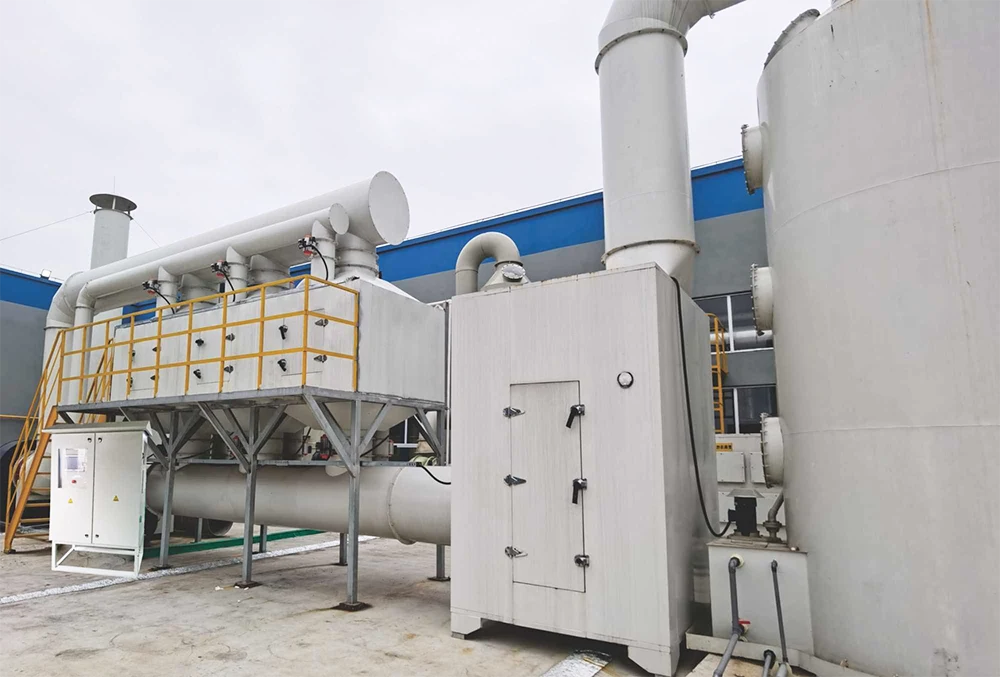
Waste gas treatment equipment is mainly used to treat four major categories of pollutants: dust particulate matter, volatile organic compounds (VOCs), acid-base inorganic waste gas and malodorous gas. It purifies flue gas and tail gas based on physical, chemical and biological principles, and is widely applied in industrial production, coating, chemical industry, electroplating, printing, boilers and other scenarios. Below is a detailed breakdown by equipment type, including working principles, advantages, disadvantages and applicable scenarios.
- View as
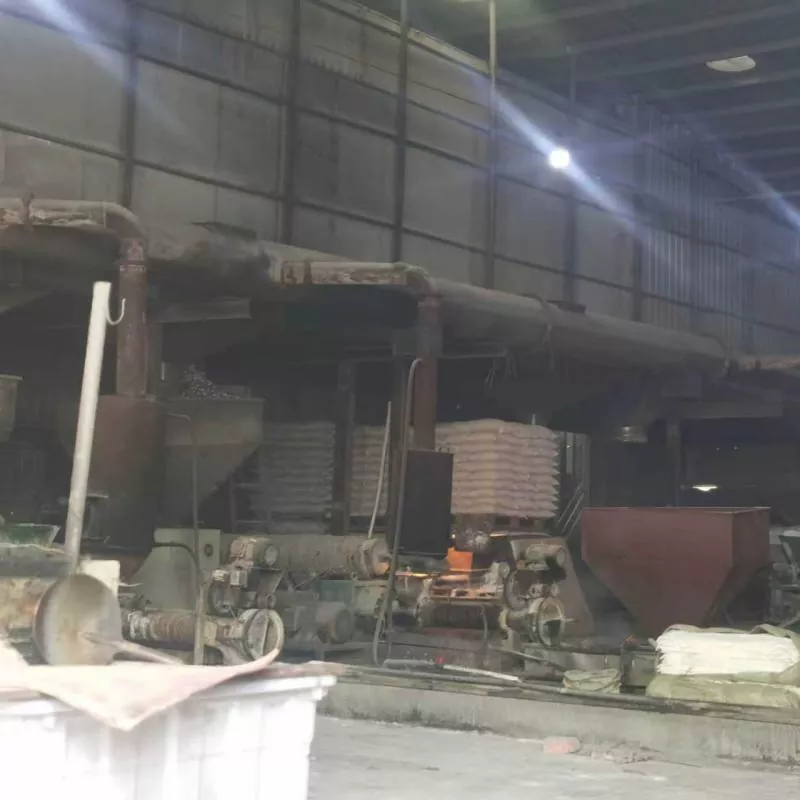
Plastic Pelletizing Exhaust Fume and Dust Control Equipment
DeFa (Shengyuan Technology) plastic pelletizing exhaust fume and dust control equipment removes dust, oil mist, VOCs and odor via cyclone, wet scrubber, electrostatic precipitator and activated carbon. For extrusion, compounding and recycling lines. Request a quote, contact supplier or get a custom solution.
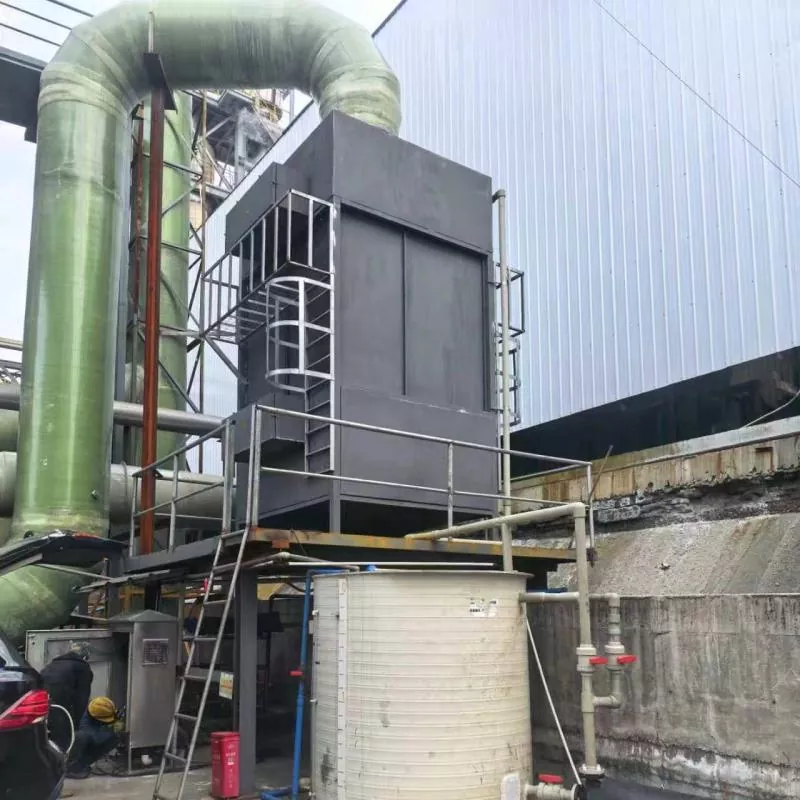
Acidic Waste Gas Treatment System
DeFa Acidic Waste Gas Treatment System uses multi-stage wet scrubbing to remove HCl, HF, sulfuric acid mist, and mixed acid vapors from lithium battery, electroplating, pickling, and chemical processes. **Buy, source, or order** customized systems with PP, PVDF, or FRP construction.
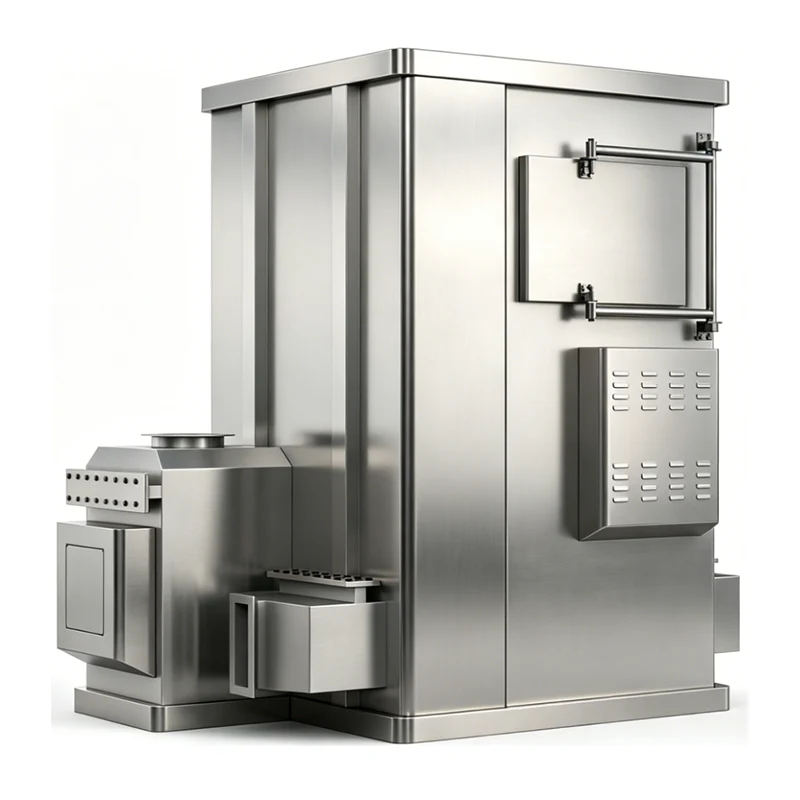
Two-Stage Heat Exchange CO Oxidation Furnace
Defaee is a professional manufacturer of industrial environmental protection equipment with rich experience in exhaust gas treatment and energy recovery. This two-stage heat exchange CO oxidation furnace features 99%+ CO conversion rate, efficient waste heat recovery and low operating cost. It is available for bulk order and custom solutions, ideal for metallurgy, chemical and building materials industries.
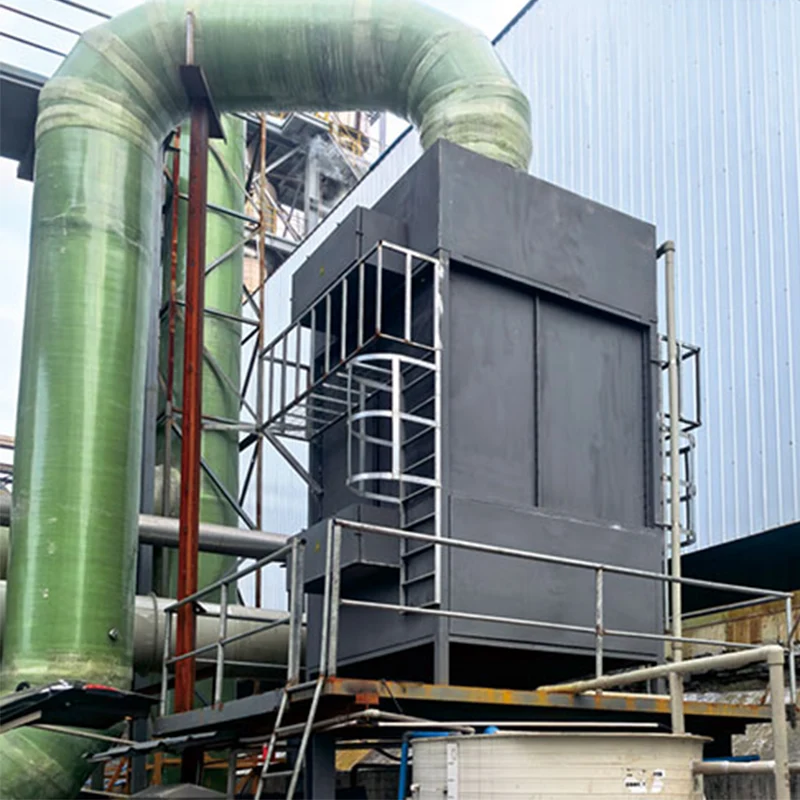
Three-Acid Waste Gas Treatment System
Defaee focuses on corrosion-resistant and cost-effective industrial acid gas treatment technologies for long-term stable operation. As a trusted manufacturer and supplier, it delivers the Three-Acid Waste Gas Treatment System. It neutralizes various acid mists with high purification rates, eliminates white fume, lowers maintenance costs, and helps electroplating and chemical factories achieve steady environmental compliance.
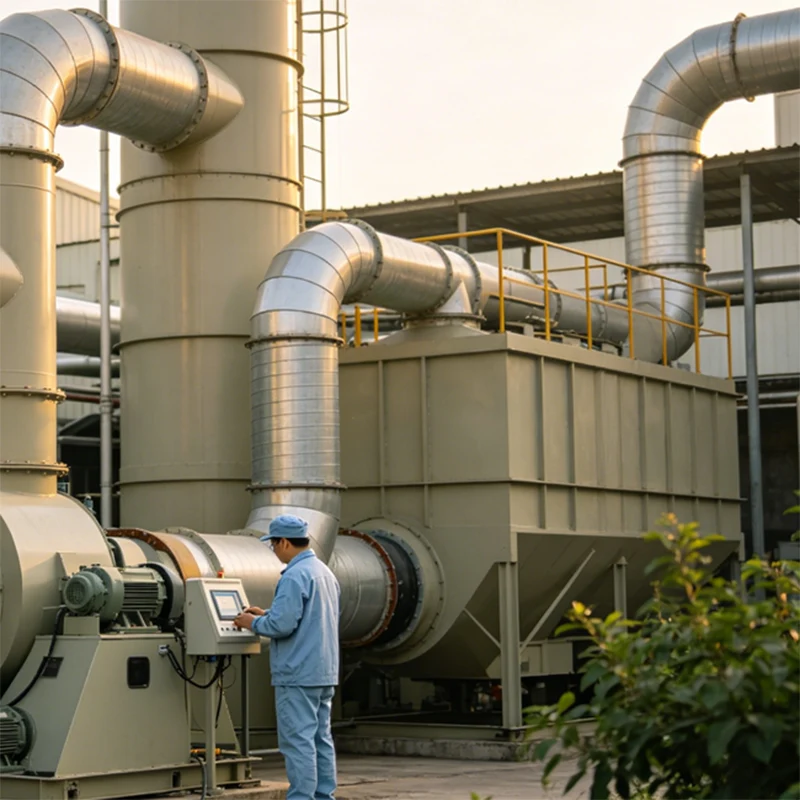
Organic Waste Gas Treatment for Hot Heading Machines
Defaee provides safe, comprehensive purification solutions for high-temperature hot forging exhaust containing sparks. As a professional manufacturer and supplier, Defaee specializes in Organic Waste Gas Treatment for Hot Heading Machines. The solution removes over 95% of oil mist and 90% of PM2.5, stabilizes VOC emissions, blocks open flames, reduces maintenance costs, and ensures full compliance with environmental standards for forging plants.
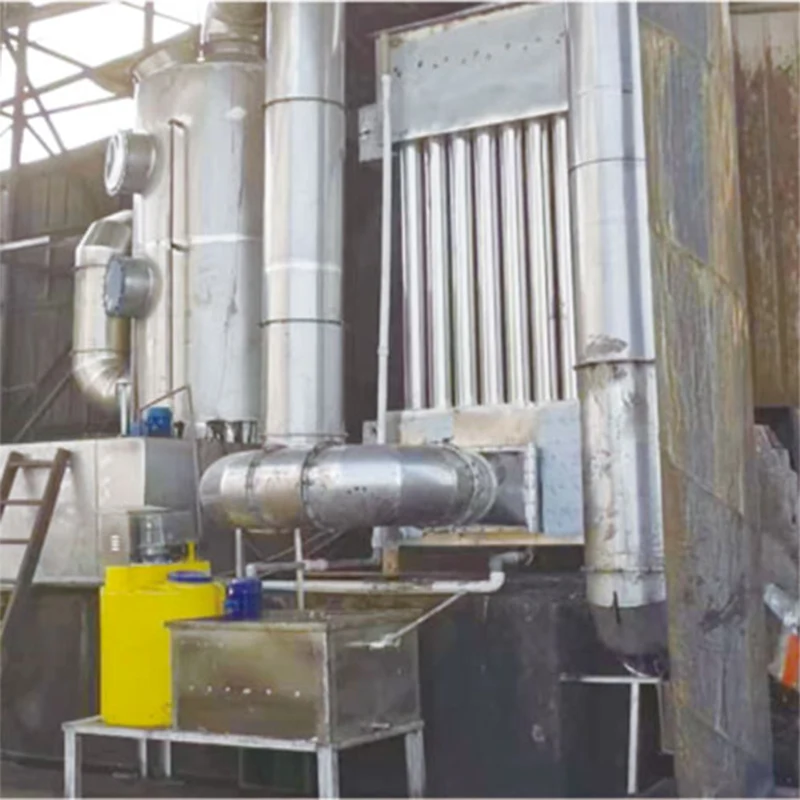
Biomass Boiler Waste Gas Treatment
Defaee offers targeted multi-pollutant flue gas treatment solutions tailored for complex biomass boiler working conditions. As a reliable manufacturer and supplier, it provides the Biomass Boiler Waste Gas Treatment. It removes dust, sulfur dioxide and nitrogen oxides efficiently, blocks sparks to avoid equipment damage, eliminates white fog, and maintains stable ultra-low emissions with low operational costs.
Dust Removal Equipment(for dust and smoke treatment)
1. Cyclone Dust Collector
Working Principle: Centrifugal force generated by rotating airflow throws coarse dust particles onto the cylinder wall for separation and collection.Advantages: Simple structure, low cost, no consumables, high temperature resistance.
Disadvantages: Only effective for coarse dust; poor purification performance for fine particles.
Application: Pre-treatment of large-particle dust from woodworking, sand and stone processing, grain processing, etc.
2. Baghouse Dust Collector
Working Principle: Dust-laden gas passes through filter bags to trap dust; pulse jet cleaning removes accumulated dust periodically.Advantages: Extremely high dust removal efficiency (over 99%), capable of capturing fine dust, stable operation.
Disadvantages: Filter bags are consumables; intolerant to high temperature, high humidity and corrosive gas.
Application: Most dust-containing working conditions such as cement, metallurgy, boilers, building materials and pharmaceutical industries.
3. Electrostatic Precipitator (ESP)
Working Principle: Dust particles are charged in a high-voltage electric field and adsorbed by positive and negative electrodes for separation.Advantages: Large air volume capacity, low air resistance, high temperature resistance, long service life.
Disadvantages: Bulky equipment, high initial investment; efficiency drops sharply under fluctuating working conditions.
Application: Large-scale industrial flue gas dust removal for thermal power plants, large kilns, sintering machines, etc.
4. Wet Dust Scrubber
Working Principle: Water or washing liquid is sprayed to contact gas and capture dust; partial harmful gas can be absorbed simultaneously.Advantages: Integrates dust removal, preliminary deodorization, cooling and explosion-proof functions.
Disadvantages: Generates wastewater requiring supporting sewage treatment; prone to freezing in winter.
Application: Metallurgy, chemical industry, mines with both dust and corrosive waste gas.
VOCs Treatment Equipment (for coating, printing, chemical, plastic industries, etc.)
1. Activated Carbon Adsorption Unit
Working Principle: Porous structure of activated carbon physically adsorbs organic substances in waste gas.Advantages: Compact footprint, easy installation, low cost, suitable for low-concentration and large-air-volume waste gas.
Disadvantages: Saturated carbon needs replacement and is classified as hazardous waste, leading to rising operation costs; fire risk with high-concentration gas.
Application: Paint booths, ink printing, small plastic processing workshops.
2. UV Photocatalytic Oxidation Equipment
Working Principle: UV lamps paired with catalysts produce strong oxidizing free radicals to decompose organics and odors.Advantages: Small footprint, no consumables, simple operation.
Disadvantages: Weak performance on high-concentration waste gas; prohibited for standalone use in most regions, only for auxiliary treatment.
Application: Low-concentration odor control, workshop deodorization, terminal auxiliary purification of waste gas.
3. Catalytic Combustion Equipment (CO/RCO)
Working Principle: VOCs are oxidized and decomposed into carbon dioxide and water at low temperature (200~400°C) with catalyst assistance.Advantages: High purification efficiency, low energy consumption, no secondary pollution, waste heat recoverable for reuse.
Disadvantages: Catalysts are vulnerable to poisoning by dust and heavy metals; unsuitable for high-dust waste gas.
Application: Medium-concentration continuous organic waste gas from coating, pharmaceutical, food and chemical industries.
4. Regenerative Thermal Oxidizer (RTO)
Working Principle: VOCs are decomposed via high-temperature incineration (above 800°C); ceramic regenerators recover heat with thermal efficiency exceeding 90%.Advantages: Ultra-high treatment efficiency, applicable to high-concentration waste gas with complex organic compositions.
Disadvantages: Oversized equipment, high capital cost, strict safety control requirements during operation.
Application: Petrochemical, coating, large-scale painting, fine chemical and other high-concentration, large-air-volume working conditions.
5. Zeolite Rotor + Combustion Integrated Machine
Working Principle: Zeolite molecular sieve concentrates low-concentration, large-volume waste gas first, then delivers concentrated gas to CO/RTO for incineration.Advantages: Solves bottlenecks of low-concentration VOCs treatment, far lower energy consumption than direct incineration.
Disadvantages: Complete set equipment, relatively high upfront investment.
Application: Mainstream low-concentration VOCs scenarios including automobile whole-vehicle coating, large-format printing, film production, etc.
Acid-Base / Inorganic Waste Gas Equipment (electroplating, pickling, chemical industry, flue gas desulfurization)
Spray Scrubber (Packed Tower / Purification Tower)
Working Principle: Packing materials are filled inside the tower; alkaline or acidic liquid is sprayed to neutralize and remove waste gas. Alkali liquid removes hydrogen chloride, sulfur dioxide and nitrogen oxides; acid liquid removes ammonia gas.Advantages: Mature technology, large treatment capacity, easy operation and maintenance, high cost performance.
Disadvantages: Only effective for water-soluble acid-base gas; produces circulating wastewater.
Application: Electroplating plants, pickling workshops, laboratories, boiler flue gas desulfurization, chemical acid-base tail gas.
Malodor & Biological Waste Gas Equipment
Biological Deodorization Box
Working Principle: Microbial flora decompose odorants and organic matter into harmless substances.Advantages: Extremely low operating cost, no secondary pollution, low noise.
Disadvantages: Large floor area; strict requirements on temperature, humidity and waste gas concentration.
Application: Deodorization for sewage treatment stations, garbage stations, livestock farms, septic tanks and other facilities.