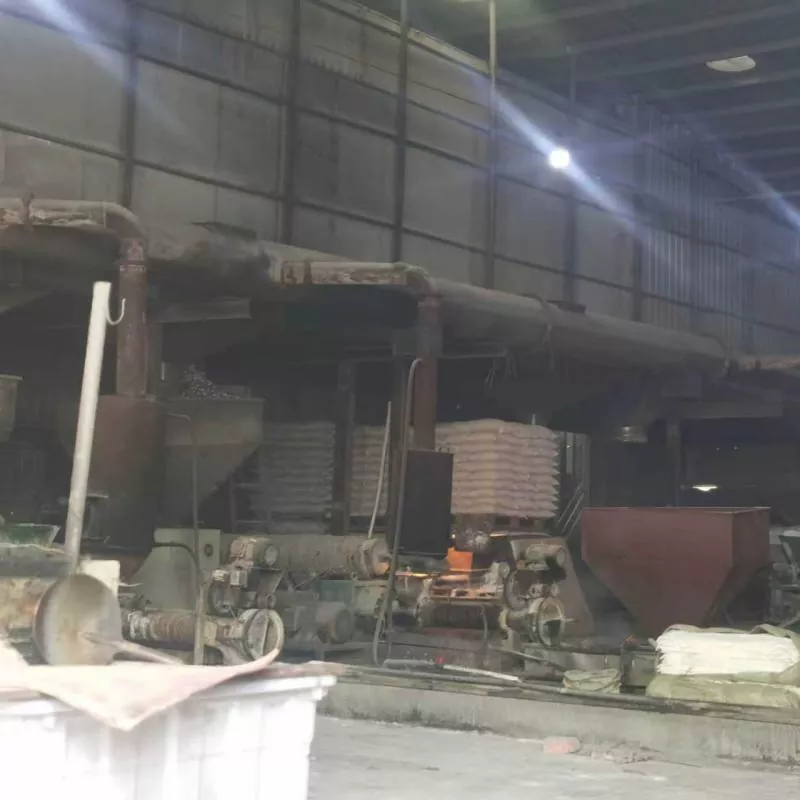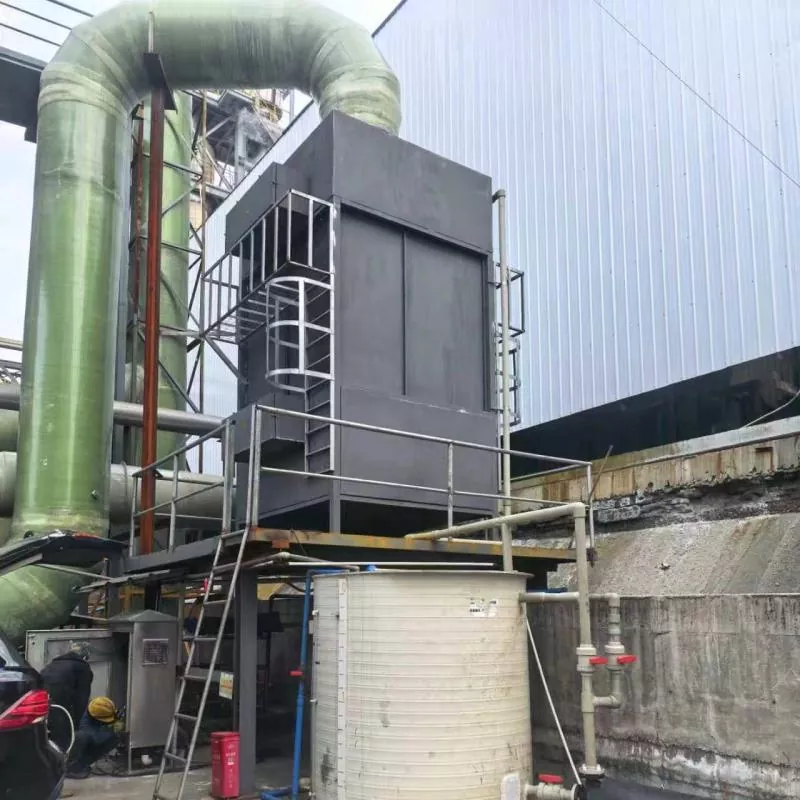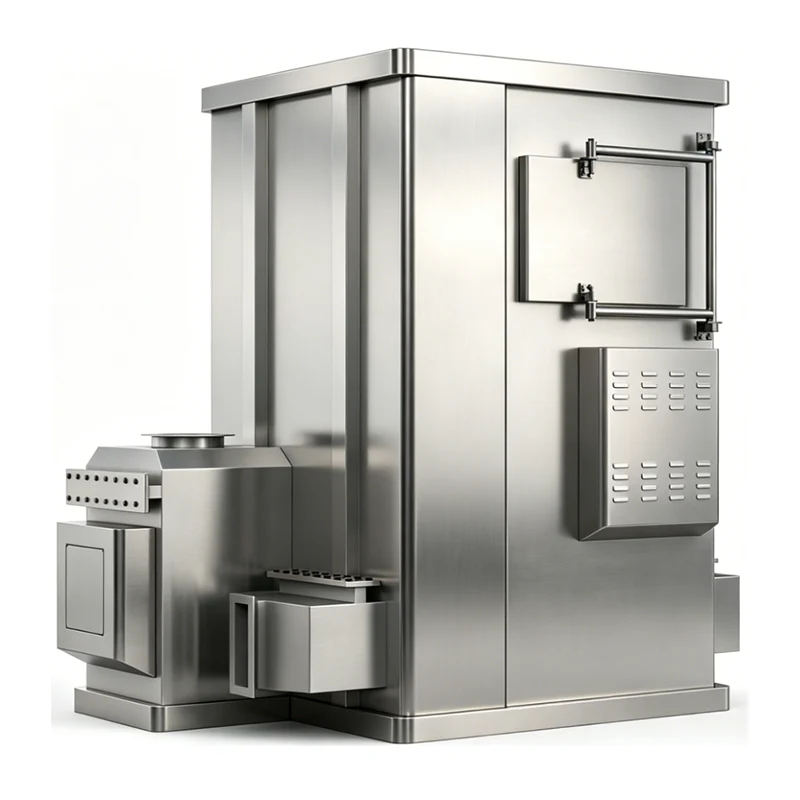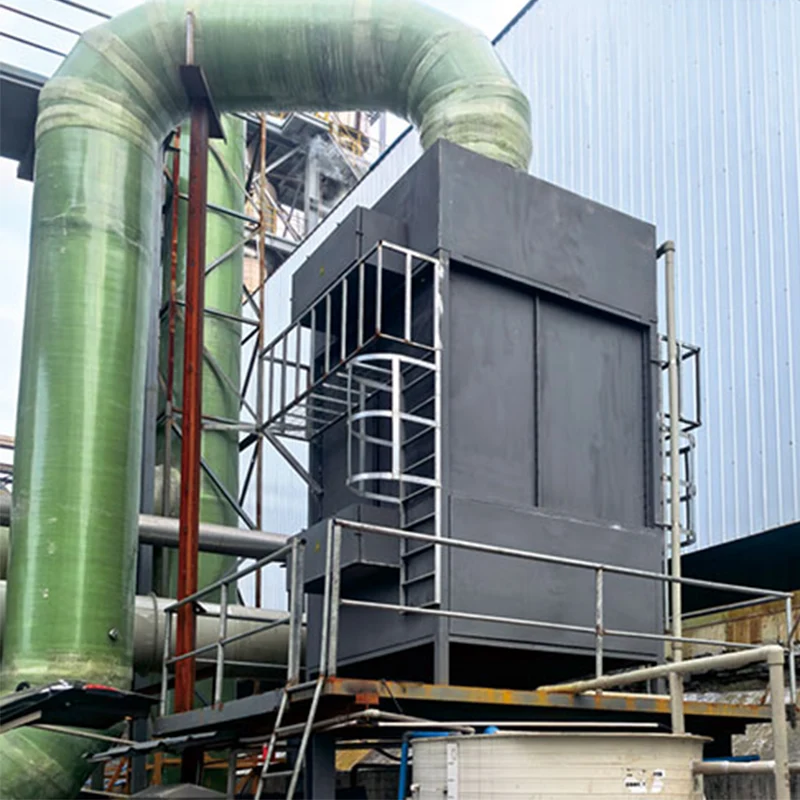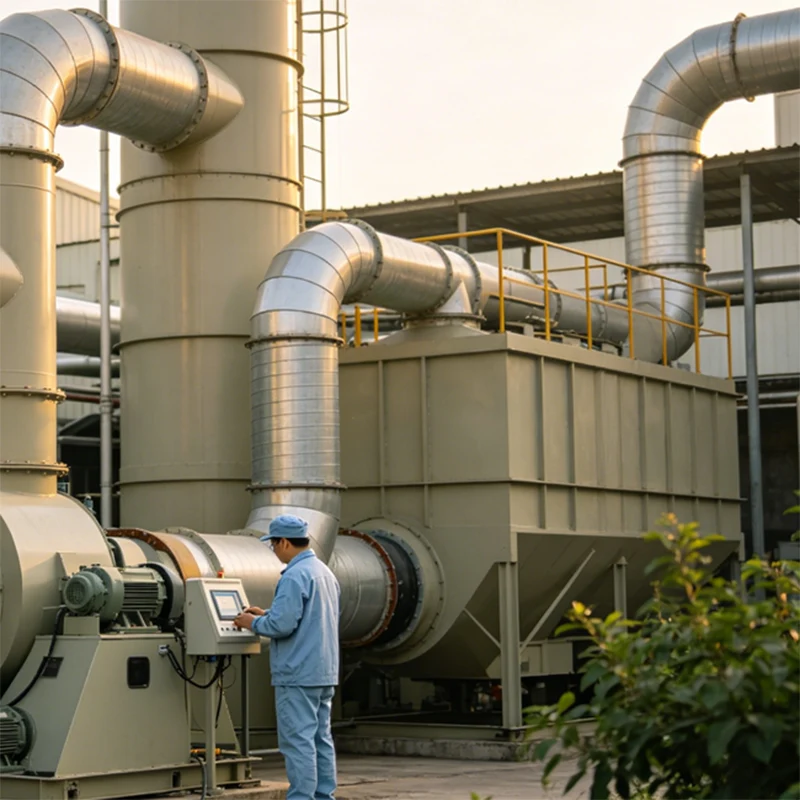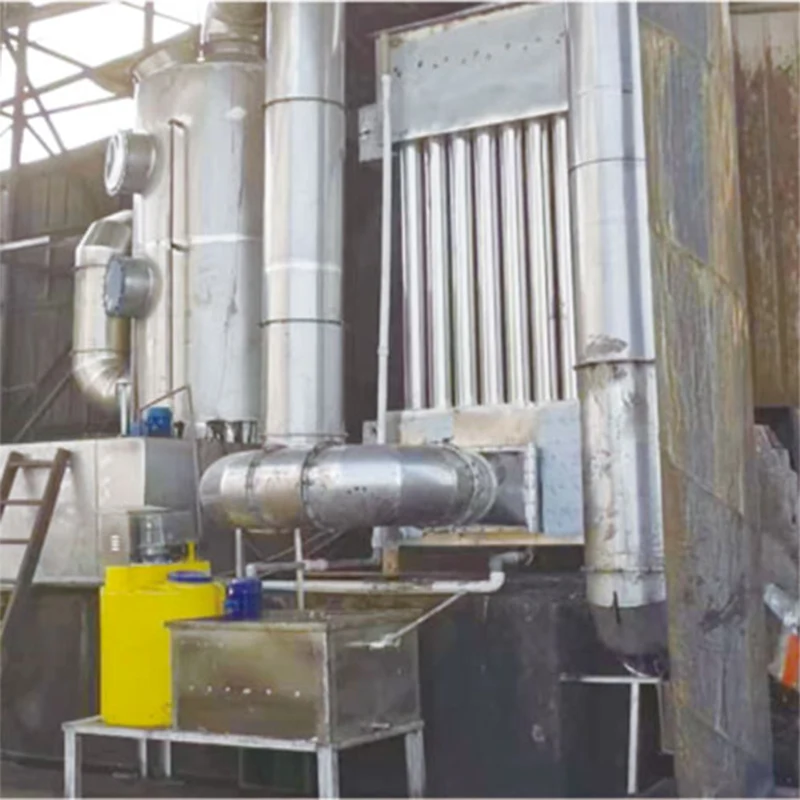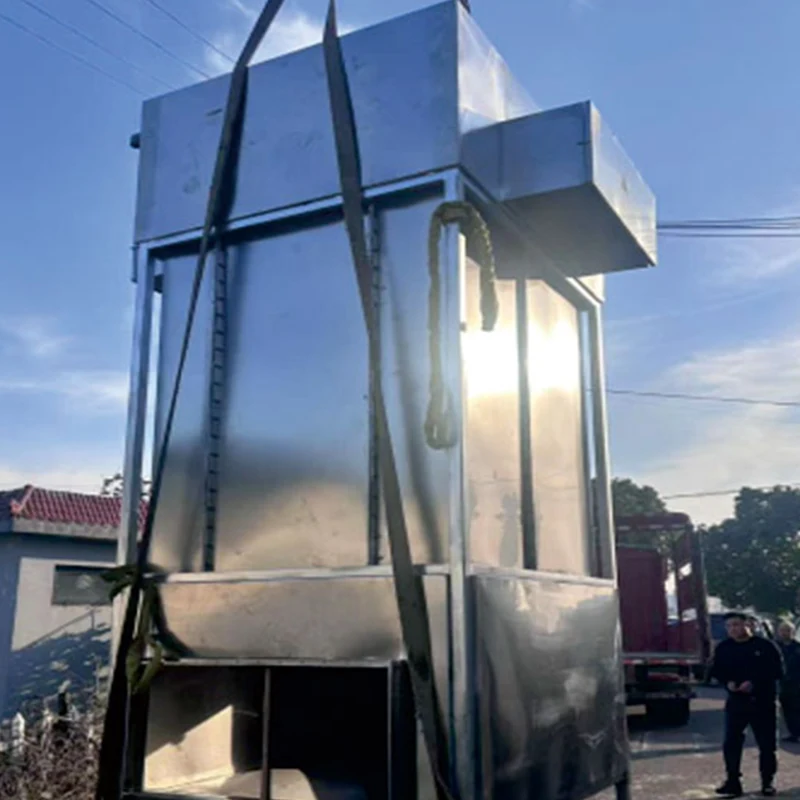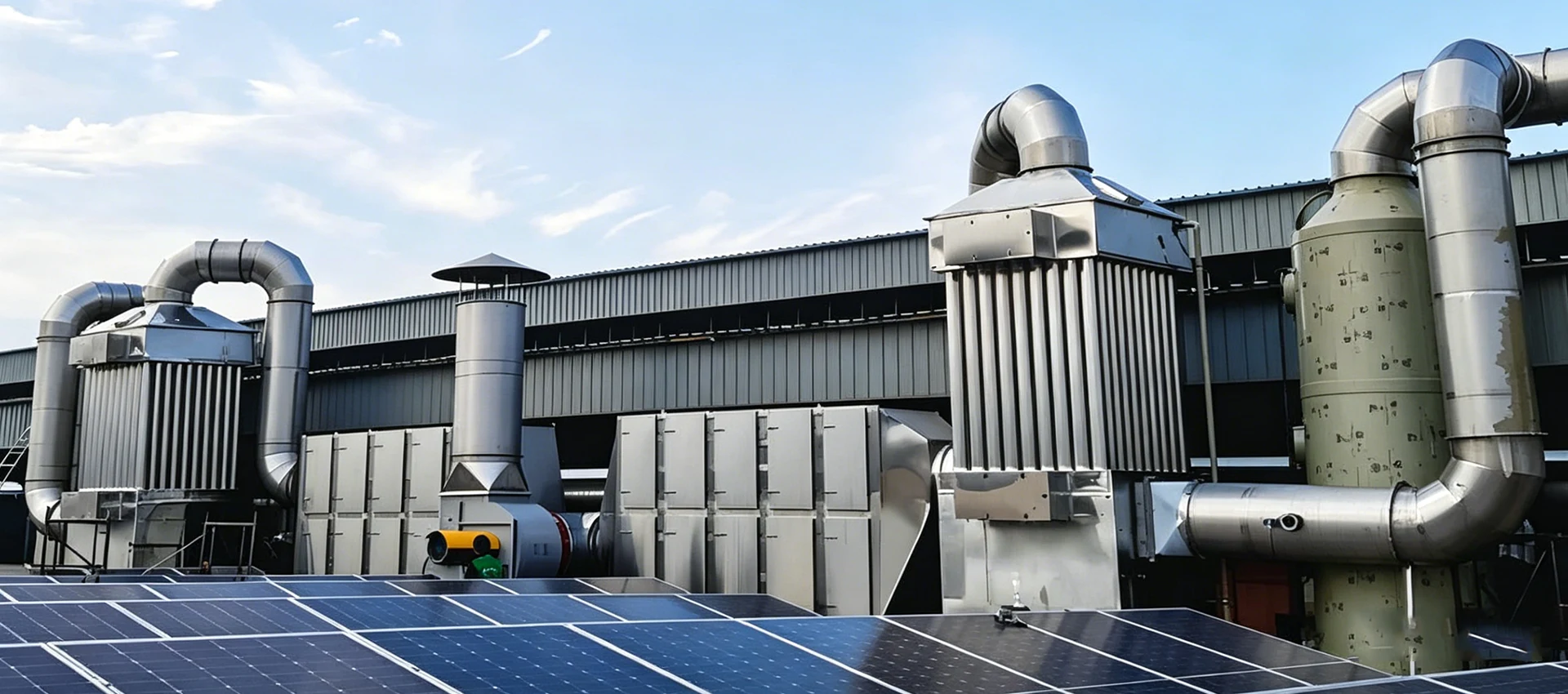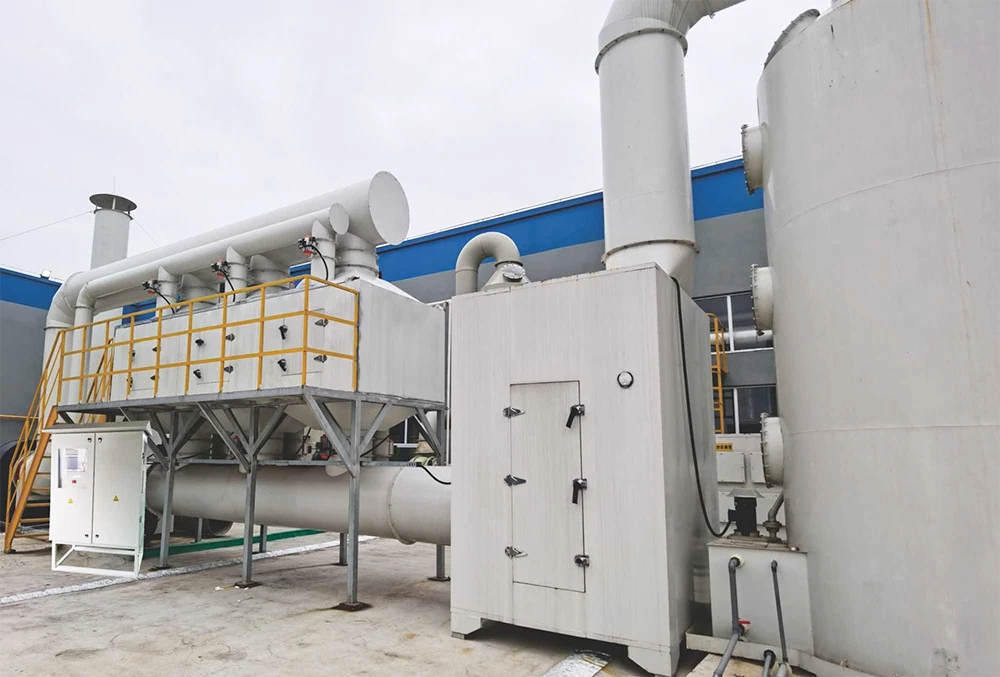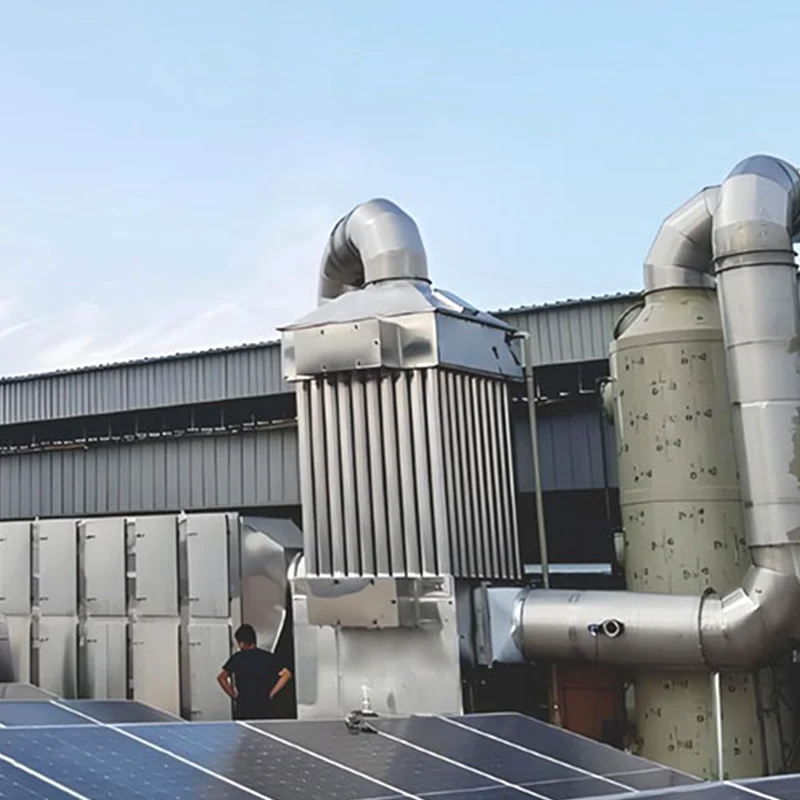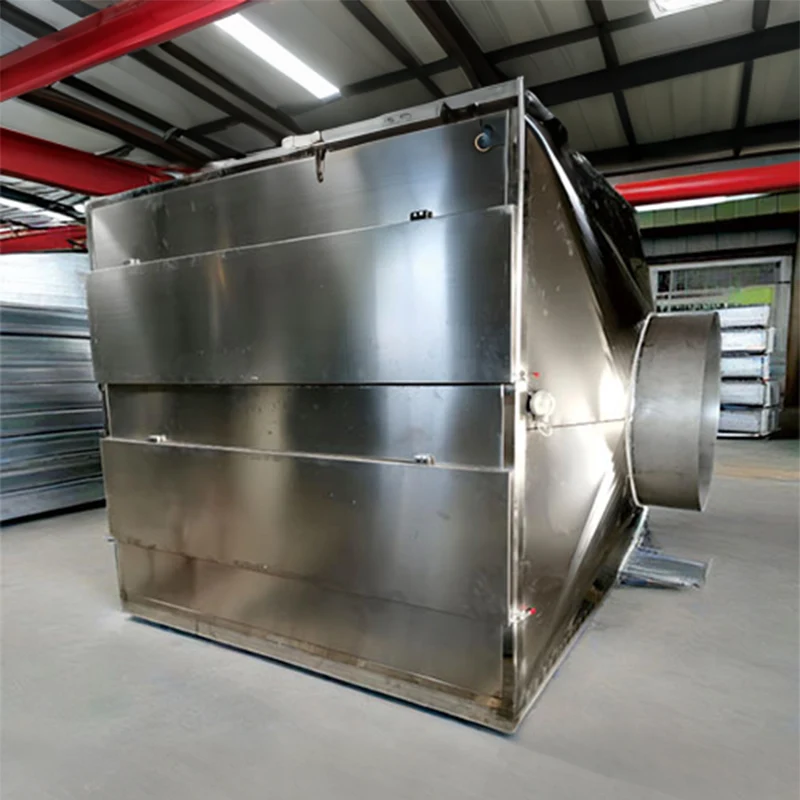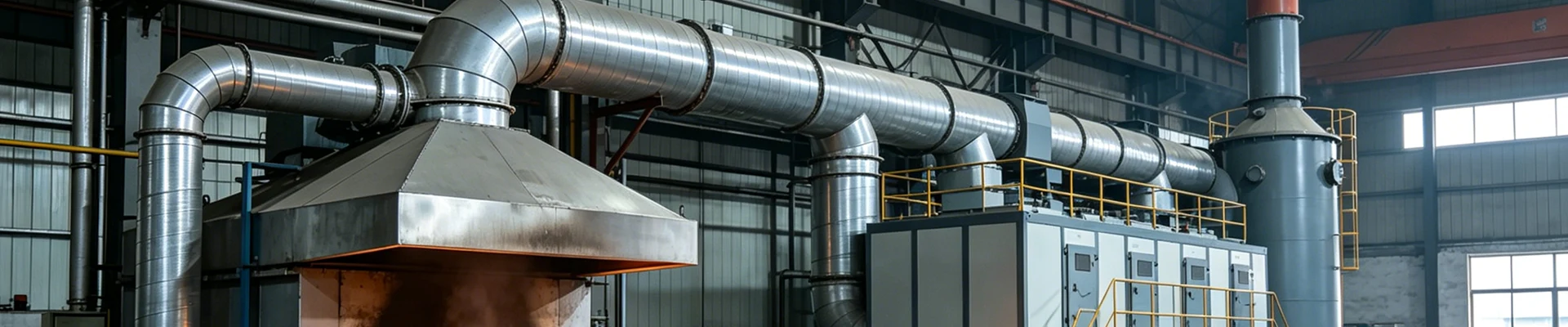
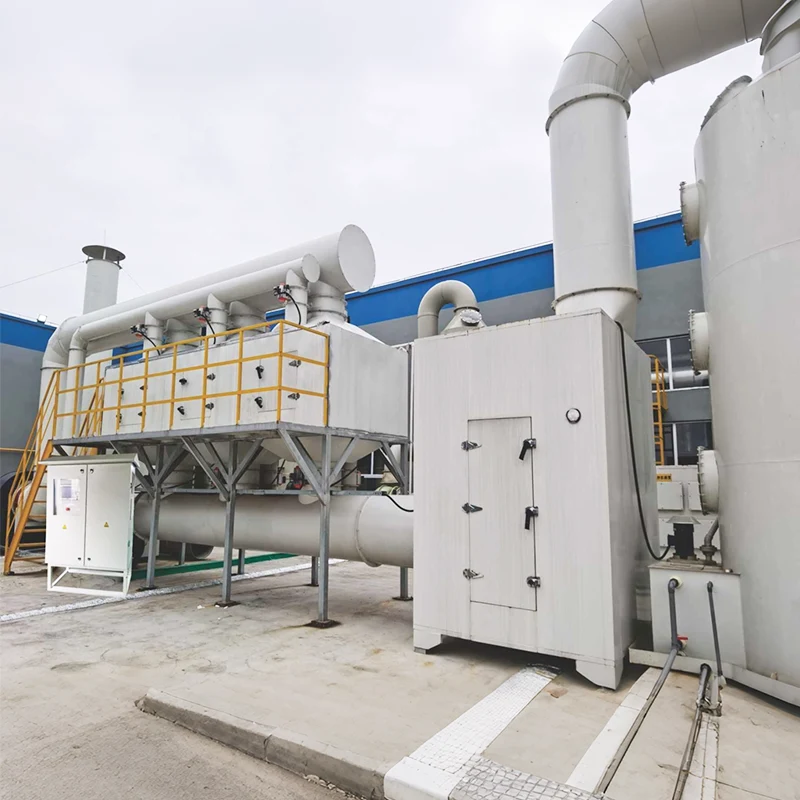
Regenerative Thermal Oxidizer Equipment
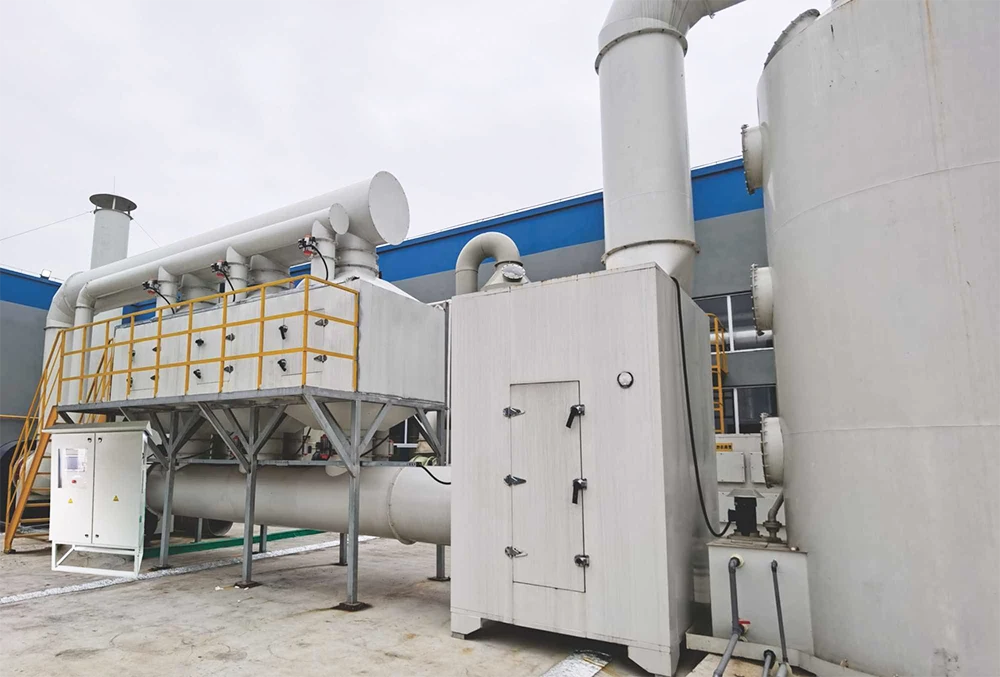
Defaee is a trusted professional environmental protection equipment supplier with solid technical strength and rich on-site experience in industrial VOCs treatment for manufacturing enterprises across multiple sectors.Our Regenerative Thermal Oxidizer Equipment (RTO), widely applicable to chemical, coating and pharmaceutical industries, delivers 99%+ VOCs removal rate and 95%+ heat recovery efficiency, helping manufacture meet strict global emission standards, cut long-term energy costs and achieve stable compliant production.
With the increasingly stringent global and China’s environmental protection regulations, industrial waste gas emission, especially volatile organic compounds (VOCs) pollution, has become a core compliance issue for manufacturing enterprises. VOCs not only cause severe atmospheric pollution, but also pose serious risks to human health, making VOCs treatment a top priority in the industrial environmental protection sector. Our Regenerative Thermal Oxidizer Equipment (RTO) is a high-efficiency, energy-saving waste gas treatment solution, widely used in chemical, coating, printing, pharmaceutical, electronics and other industries. As the mainstream equipment for industrial waste gas governance, it achieves the multiple goals of high temperature oxidation, waste heat recovery, high efficiency purification and standard discharge, fully complying with the global energy saving and environmental protection development concept.
Industry Pain Points & Compliance Requirements
In industrial production, VOCs-containing waste gas features complex components, wide concentration range and potential toxicity, while traditional treatment technologies have obvious limitations:
Direct-fired incinerators have huge energy consumption and excessive operating costs;
Adsorption methods require frequent replacement of consumables, generating hazardous solid waste and secondary pollution risks;
Catalytic combustion is prone to catalyst deactivation when treating halogen-containing and sulfur-containing waste gas, with unstable purification efficiency.
In China, the implementation of mandatory standards including GB 37822-2019 Control Standard for Unorganized Emission of Volatile Organic Compounds and GB 16297-1996 Integrated Emission Standard of Air Pollutants has set strict requirements on VOCs removal rate and emission concentration. Enterprises are in urgent need of a stable, efficient, energy-saving and fully compliant industrial waste gas treatment solution, which is the core application value of our Regenerative Thermal Oxidizer Equipment (RTO).
Core Working Principle
The core working principle of RTO is the combination of exhaust incineration and regenerative heat recovery, to achieve thorough degradation of VOCs in industrial waste gas. The core logic is as follows:
1.VOCs-containing industrial waste gas is fed into the equipment, and oxidized and decomposed under high-temperature environment, converting VOCs into harmless carbon dioxide (CO₂) and water (H₂O);
2.Regenerative ceramic recovers a large amount of waste heat generated during the oxidation process, which is used to preheat the incoming waste gas in the subsequent cycle;
3.This closed cycle greatly reduces the energy consumption of equipment operation, and realizes the dual benefits of environmental protection and energy saving.
Compared with traditional waste gas treatment equipment, the Regenerative Thermal Oxidizer (RTO) requires no frequent replacement of adsorption consumables, delivers more stable treatment efficiency, and can adapt to industrial waste gas with different concentrations and components, with an extremely wide application range.
Core Components & Key Technical Links
Regenerative Ceramic: Core Heat Storage Medium
Regenerative ceramic is the core component of RTO, equivalent to the "thermal energy storage warehouse" of the equipment, whose performance directly determines the waste heat recovery efficiency and operation stability.
The mainstream regenerative ceramic adopts honeycomb ceramic material, which has the advantages of large specific surface area, excellent thermal conductivity, high temperature resistance, corrosion resistance and long service life, and can repeatedly complete the heat absorption and release cycle under high temperature environment;
When high-temperature flue gas passes through, the regenerative ceramic quickly absorbs and stores heat; when low-temperature industrial waste gas enters, it releases the stored heat to preheat the waste gas, making the waste gas temperature rise rapidly, and greatly reducing the energy consumption required for subsequent high-temperature oxidation;
High-quality regenerative ceramic enables the equipment to achieve a heat recovery efficiency of over 95%, significantly reducing enterprise operating costs, and fully reflecting the core advantage of energy saving and environmental protection.
High Temperature Oxidation: Core Link for VOCs Removal
High temperature oxidation is the core link of RTO to realize VOCs treatment, and also the key step of exhaust incineration.
The combustion chamber of RTO usually maintains a temperature between 800℃ and 950℃. After preheated by the regenerative ceramic, industrial waste gas enters the combustion chamber and fully mixes with oxygen in the high-temperature environment. VOCs molecules in the waste gas are completely cracked and oxidized, finally converted into harmless CO₂ and H₂O, fundamentally eliminating VOCs pollution;
For common volatile organic pollutants such as benzene series, alcohols, esters and ketones, this temperature range can achieve almost complete mineralization and decomposition; for refractory substances, the decomposition efficiency can be further improved by appropriately raising the temperature to above 900℃ to ensure purification effect;
The stability of the high temperature oxidation process directly determines the purification efficiency of the equipment, and is the basic guarantee for high efficiency purification.
Waste Heat Recovery: Core Advantage of Energy Saving
Waste heat recovery is the core advantage that distinguishes RTO from traditional incinerators, and also the key means to realize energy saving and environmental protection.
A large amount of high-temperature flue gas generated during high temperature oxidation contains huge thermal energy. Direct emission will not only cause serious energy waste, but also lead to excessive flue gas temperature at the equipment outlet, causing secondary impact on the surrounding environment;
RTO fully recovers thermal energy from high-temperature flue gas through periodic heat absorption and release of regenerative ceramic, which is used to preheat incoming industrial waste gas, making the waste gas temperature reach above 700℃ before entering the combustion chamber, greatly reducing the consumption of auxiliary fuel required for combustion chamber heating;
When the VOCs concentration in the waste gas reaches a certain value, the heat generated by the oxidation reaction can meet the needs of its own preheating and high temperature oxidation, realizing "self-sustaining combustion" without additional auxiliary fuel consumption, further reducing enterprise energy costs;
In addition to preheating waste gas, the recovered waste heat can also be converted into steam through a waste heat boiler, or into hot water through a heat exchanger for workshop heating, process heating and other purposes, realizing cascade utilization of energy and maximizing energy saving benefits.
Complete Closed-Loop Operation Process
The Regenerative Thermal Oxidizer (RTO) adopts a multi-chamber structure (mainstream 3-chamber design), and realizes continuous and stable operation through precise valve switching sequence control. The core operation process is divided into three stages:
1.Preheating & Heat Recovery Stage: Industrial waste gas enters the first regenerative chamber through the induced draft fan, and is preheated to near the oxidation temperature by the regenerative ceramic, completing the first step of waste heat recovery;
2.High Temperature Oxidation Stage: The preheated waste gas enters the combustion chamber, completes high temperature oxidation and exhaust incineration at 800℃-950℃, and VOCs are completely decomposed into harmless substances; 3.Heat Storage & Standard Discharge Stage: The purified high-temperature flue gas enters the second regenerative chamber, transfers heat to the regenerative ceramic for storage, and then the cooled clean flue gas is discharged through the chimney up to the standard.
After the cycle, the equipment changes the air flow direction through valve switching, and the two regenerative chambers alternately realize heat storage and preheating functions. A dedicated purge chamber is equipped to avoid the escape of unreacted waste gas during valve switching, ensuring continuous and stable operation of the equipment, and sustainable VOCs treatment and high efficiency purification.
Core Performance & Compliance Advantages
High efficiency purification and standard discharge are the core performance indicators of RTO, and also the core demand for enterprises to select this equipment.
Ultra-High Purification Efficiency: With the thoroughness of high temperature oxidation and stable operation of regenerative ceramic, RTO can achieve a VOCs removal rate of over 99%, which is much higher than national and local environmental protection emission standards;
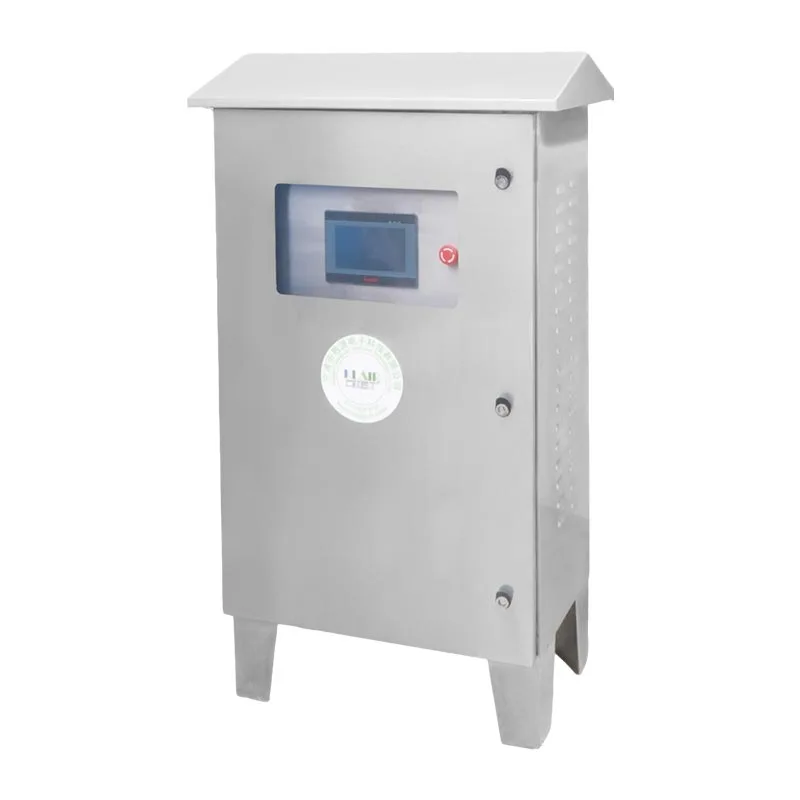
Stable Compliance Guarantee: The equipment is equipped with a complete online monitoring system, which can real-time monitor key parameters such as inlet and outlet waste gas concentration, combustion chamber temperature, and regenerative ceramic temperature. When parameters fluctuate, the system automatically adjusts the operating state to ensure the equipment is always in the optimal working condition, and stable standard discharge of treated waste gas, helping enterprises avoid environmental compliance risks;
Strong Adaptability: RTO can treat organic waste gas containing sulfur, halogen and other substances that are easy to deactivate catalysts, with a wider application range than other waste gas treatment technologies such as catalytic combustion. It can adapt to waste gas with large air volume, medium and high concentration, and different components.
Wide Application Scenarios
Our Regenerative Thermal Oxidizer (RTO) is widely used in various industrial sectors with VOCs emission, especially suitable for the following scenarios:
Coating Industry: Waste gas containing benzene series and esters generated in automobile and furniture spraying processes. After RTO treatment, the VOCs removal rate can reach over 99%, and the recovered waste heat can be used in the drying process, with an energy saving rate of over 40%;
Printing Industry: Toluene, ethyl acetate and other waste gas generated by gravure printing. After RTO treatment, it not only achieves standard discharge, but also the recovered waste heat can be used for ink drying, greatly reducing enterprise operating costs;
Chemical & Pharmaceutical Industry: Organic waste gas generated in chemical synthesis, pharmaceutical intermediate production and API manufacturing processes;
Electronics, Furniture & Other Industries: VOCs waste gas generated in electronics manufacturing, furniture production, packaging and printing and other production processes.
Energy Saving & Sustainable Development Value
Under the background of "dual carbon" goal and increasingly stringent environmental protection regulations, the Regenerative Thermal Oxidizer Equipment (RTO) has outstanding advantages in energy saving and environmental protection: Compared with traditional direct-fired incinerators, RTO has a heat recovery efficiency of over 95%, which can greatly reduce the consumption of auxiliary energy such as natural gas and electricity, and save a lot of energy costs for enterprises every year;
The equipment completely decomposes VOCs through high temperature oxidation, avoiding solid waste pollution caused by consumable replacement in traditional adsorption methods, realizing harmless treatment of pollutants, protecting the environment and reducing enterprise environmental treatment costs;
It not only helps enterprises achieve standard discharge of industrial waste gas, but also helps enterprises reduce carbon emissions, and promotes the green and low-carbon transformation of enterprises.
With the continuous upgrading of environmental protection technology, our Regenerative Thermal Oxidizer Equipment (RTO) is developing towards intelligence and modularization, which will further improve treatment efficiency, reduce operating costs, provide stronger support for the green development of industrial enterprises, and help the continuous improvement of atmospheric environment quality.
Hot Tags: Regenerative Thermal Oxidizer Equipment, Manufacturer, Supplier, Factory
Send Inquiry
Contact Info
-
Address
No. 661 Cangchu Road, Jiangbei District, Ningbo City,ZHEJIANG PROVINCE,CHINA
-
Tel
-
Email
For inquiries about our products or pricelist, please leave your email to us and we will be in touch within 24 hours.