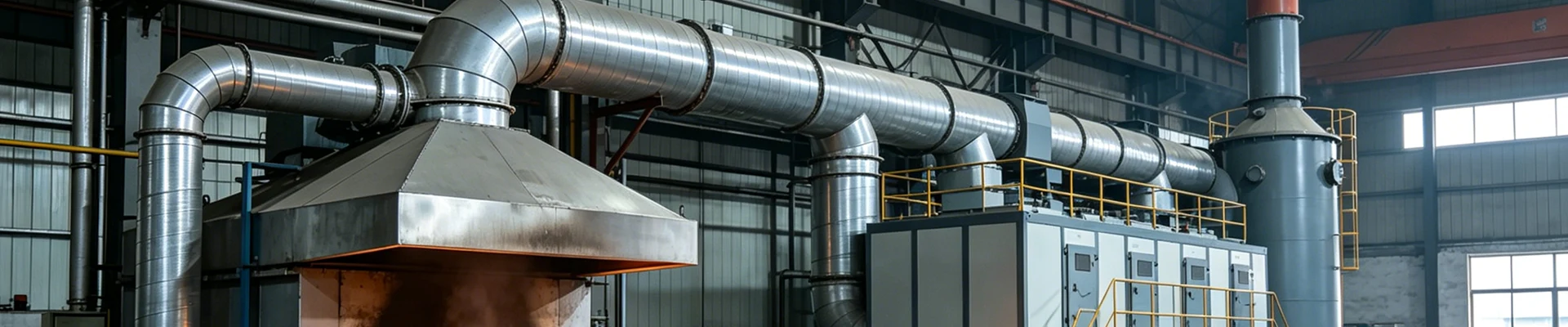
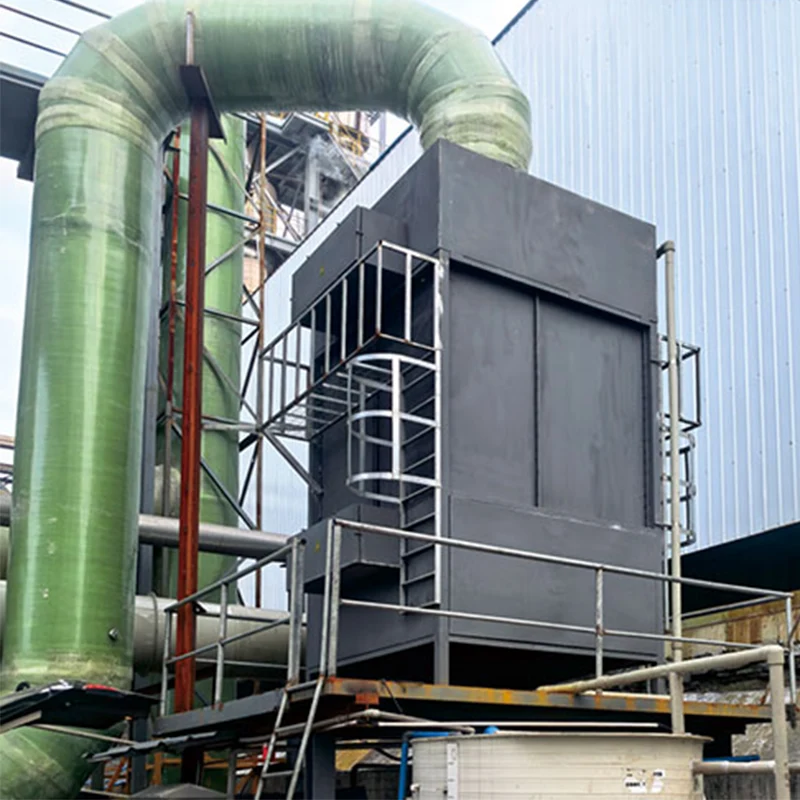
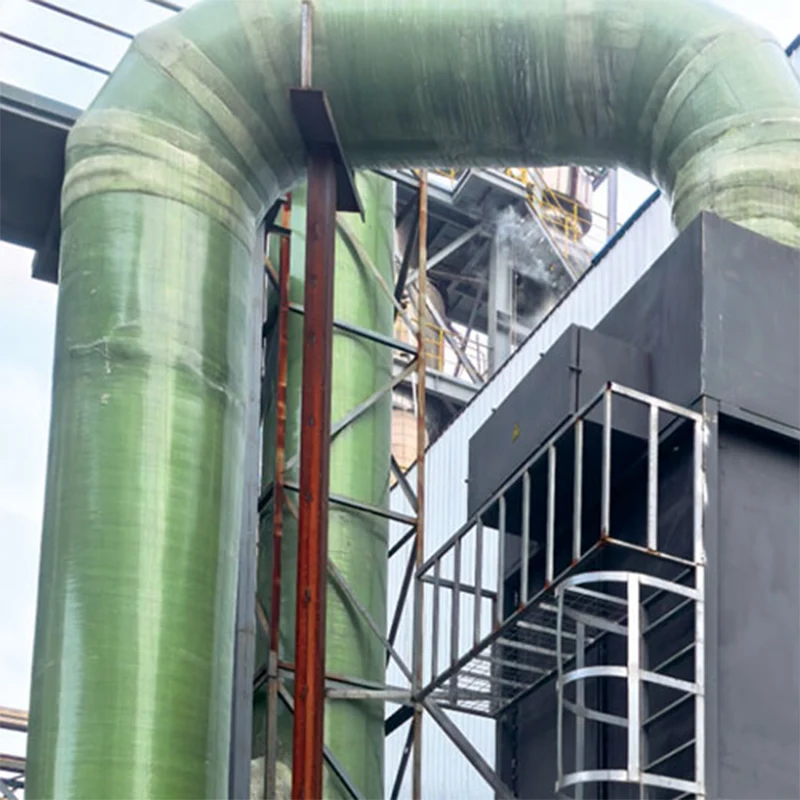
Three-Acid Waste Gas Treatment System
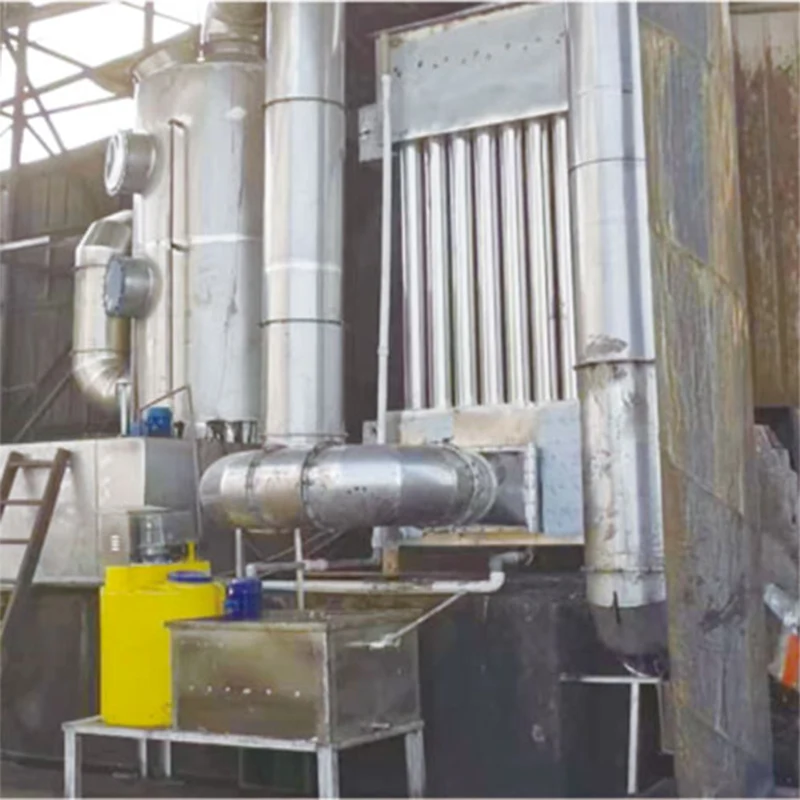
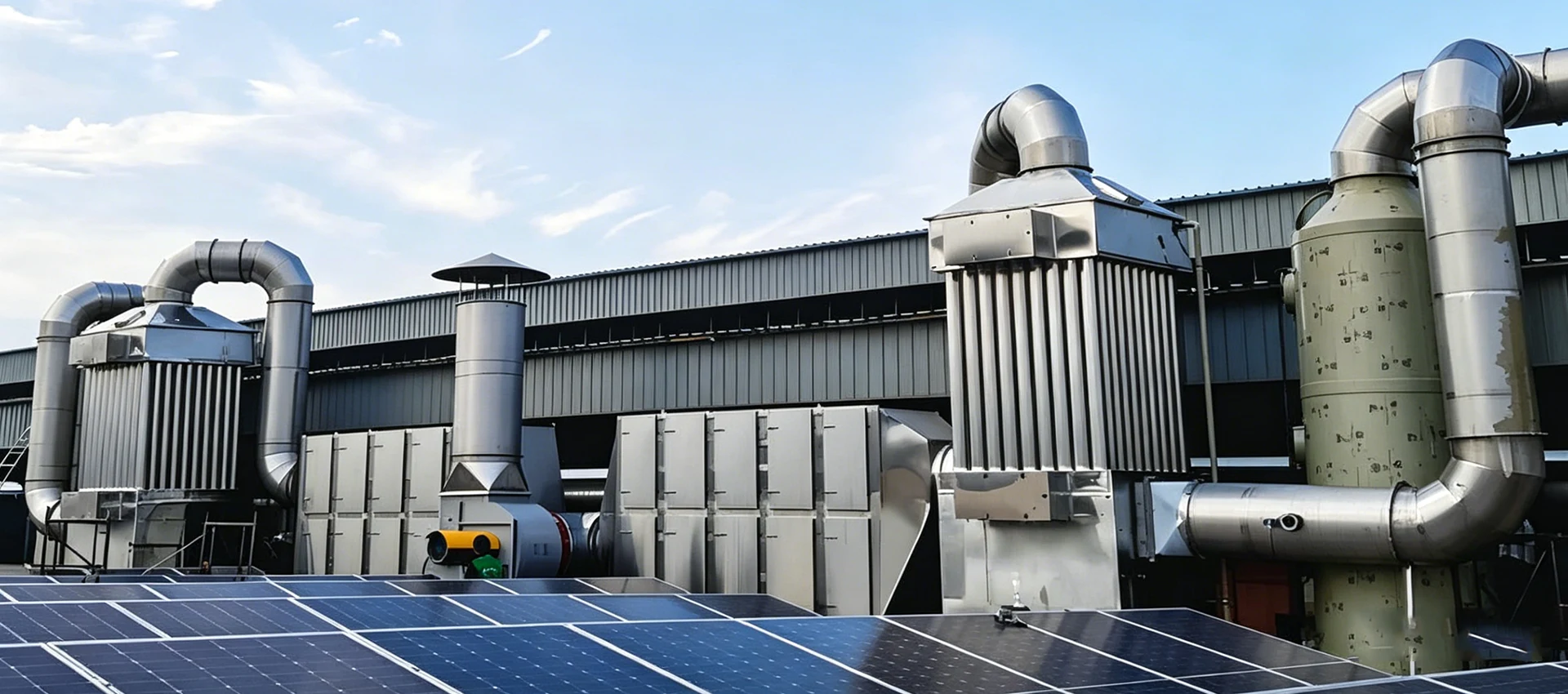
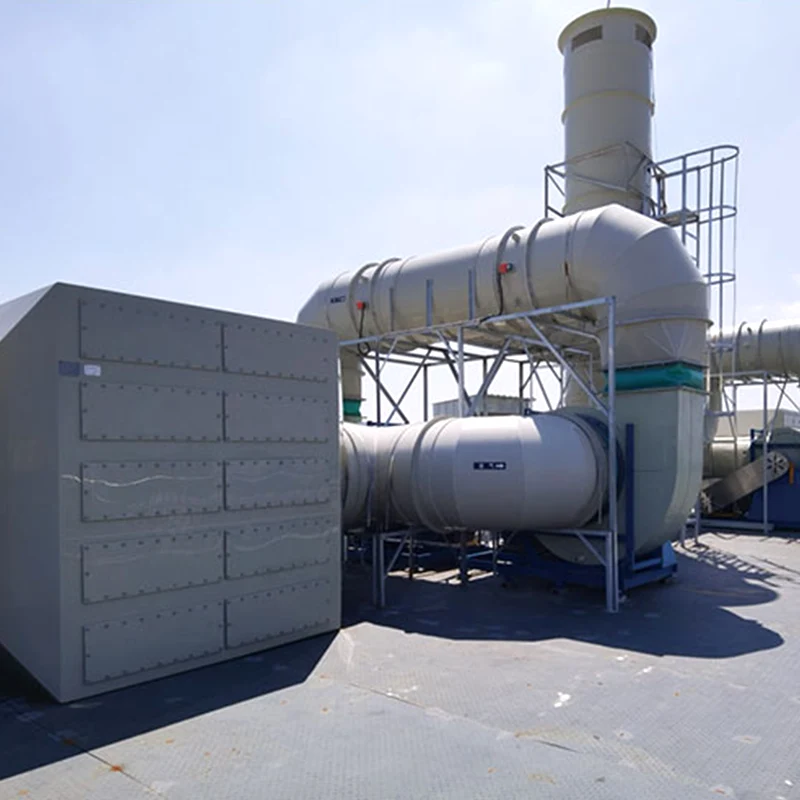
Defaee focuses on corrosion-resistant and cost-effective industrial acid gas treatment technologies for long-term stable operation. As a trusted manufacturer and supplier, it delivers the Three-Acid Waste Gas Treatment System. It neutralizes various acid mists with high purification rates, eliminates white fume, lowers maintenance costs, and helps electroplating and chemical factories achieve steady environmental compliance.
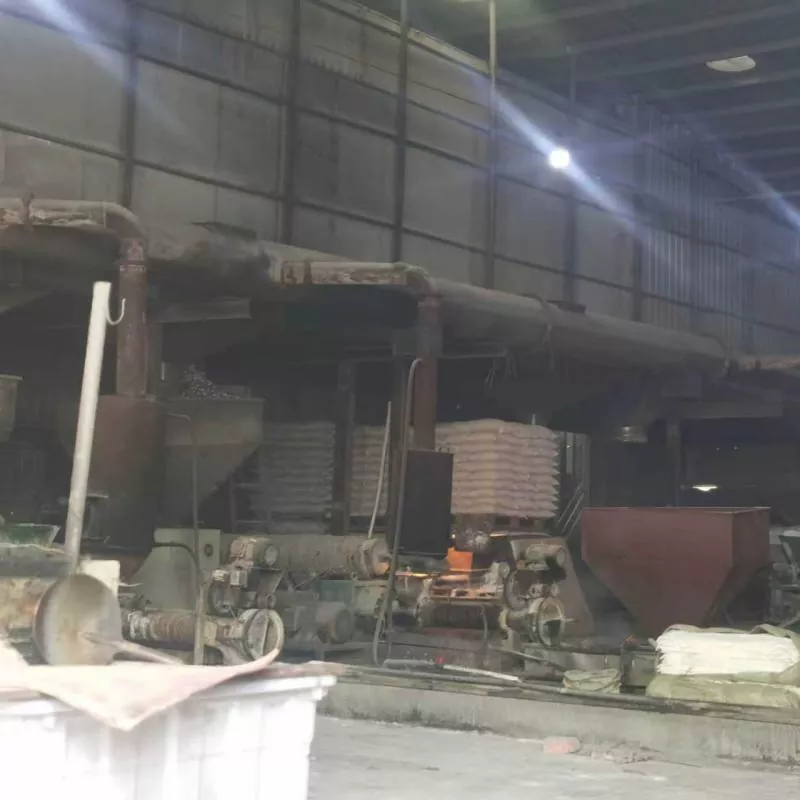
Mixed acid waste gas mainly consists of sulfuric acid mist (H2SO4), hydrochloric acid mist (HCl) and nitric acid mist (NOx/NO2). It is widely generated from electroplating, pickling, chemical processing, metallurgy, aluminum anodizing and metal polishing. Featuring strong corrosiveness, high toxicity and intense irritation, the acid gas easily forms white fume aerosols, which damages production equipment and endangers human health.
Adopting alkaline spray neutralization, mist removal and deep purification technologies, this system is mature, reliable and cost-effective, serving as the standard solution for industrial acid mist abatement.
Core Principle & System Composition
1 Working Principle
The whole process relies on acid-base neutralization, gas-liquid mass transfer and mist elimination
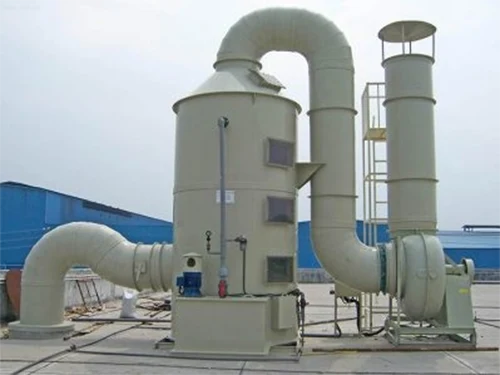
Acid waste gas enters from the tower bottom and contacts counter-currently with alkaline solution (sodium hydroxide / sodium carbonate) sprayed from the top for neutralization reactions:
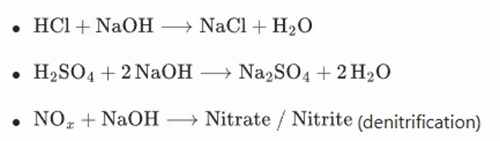
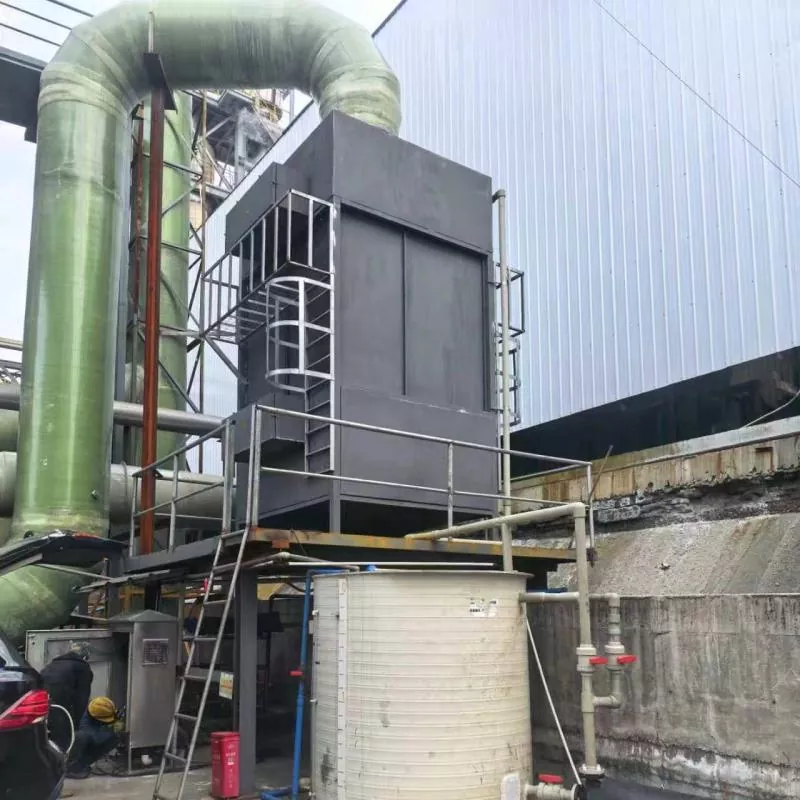
Packing layers (PP Pall rings / Heilex rings) expand gas-liquid contact area to boost purification efficiency. A top-mounted mist eliminator captures entrained liquid droplets and eliminates white fume.
2 Standard 5-Unit System
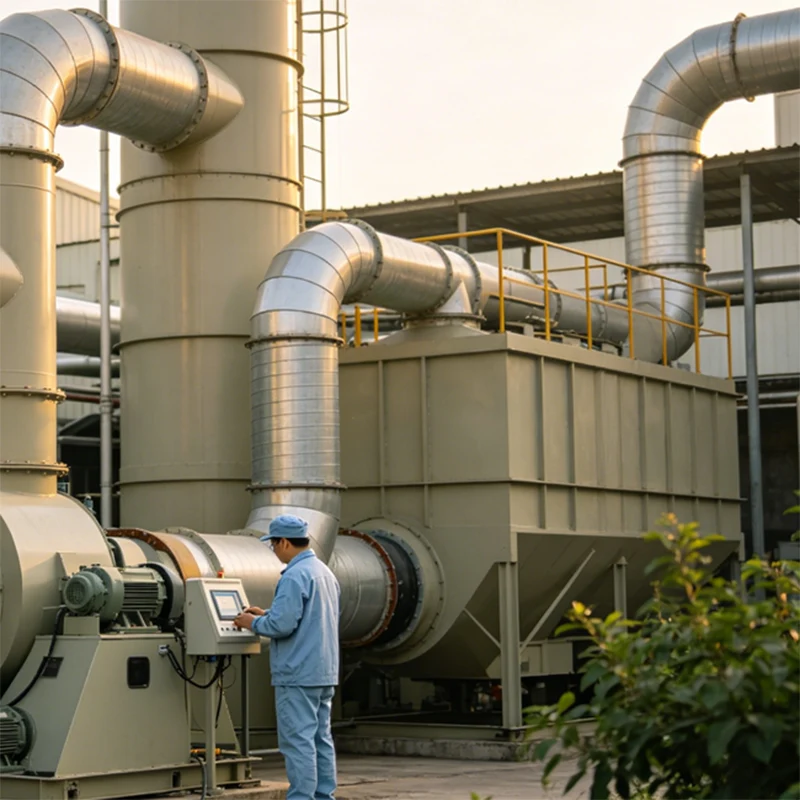
1. Gas Collection Unit: Enclosed hoods and corrosion-resistant ducts, collection efficiency ≥95% to control fugitive emissions.
2. Pre-treatment Unit: Mechanical mist eliminators and pre-filters remove large acid droplets and dust to protect the main tower.
3. Main Purification Unit: Two-stage alkaline spray packed tower; the first stage for primary neutralization, the second for fine purification.
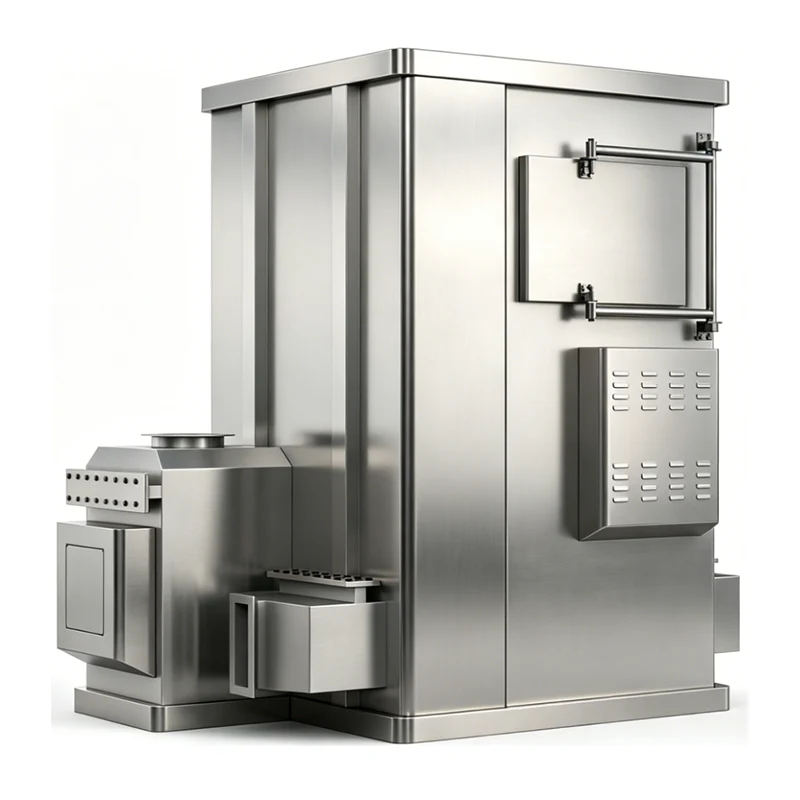
4. Deep Mist Removal Unit: Baffle / cyclone mist eliminator (electric mist eliminator optional), mist removal efficiency ≥99%.
5. Exhaust & Automatic Control Unit: FRP/PP corrosion-resistant fan, 15m exhaust stack, PLC automatic chemical dosing and pH interlock control.
Core Advantages (For Proposals & Bidding)
High-efficiency purification for full compliance
● Hydrochloric acid mist removal ≥98%, outlet concentration ≤5 mg/m³
● Sulfuric acid mist removal ≥95%, outlet concentration ≤10 mg/m³
● Nitric acid mist removal ≥90%, outlet concentration ≤35 mg/m³Fully complies with GB 16297 and local ultra-low emission standards to avoid penalties.
Super corrosion resistance & low maintenance
Tower body, pipelines and packings adopt FRP, PP and PVC materials, resistant to strong acid and alkali. Service life reaches 8–15 years, far longer than carbon steel (1–2 years). With few wearing parts, it only requires regular alkaline solution refilling and packing cleaning. Closed circulating water design also saves water consumption.
Safe operation & white fume elimination
Fully enclosed structure with anti-static grounding prevents gas leakage and workshop equipment corrosion. Equipped with high-performance mist eliminators (and optional electric mist eliminators) to completely remove white fume aerosols and avoid public complaints.
Wide adaptability for diverse working conditions
Handles single or mixed acid gas, applicable to high concentration, large airflow, intermittent and continuous production. Modular design features small footprint (1/3 of traditional wet systems) and fast installation, suitable for new and renovated production lines.
Improved workshop environment & occupational health
Eliminates pungent acid odor and corrosive fume, improves visibility and prevents acid burns and respiratory diseases. No dripping acid liquid reduces work injuries and staff turnover.
Protects downstream equipment & cuts repair costs
Front-end mist removal prevents corrosion and blockage of fans, ducts and stacks. It also protects subsequent activated carbon and catalytic units from acid erosion, extending their service life by 2–3 times.
Smooth regulatory approval
Designed in accordance with GB 16297 and GB 21900. Matched with online monitoring devices for HCl, , temperature and remote data transmission to environmental platforms, ensuring smooth EIA, discharge permit application and inspections.
High return on investment
Low initial investment (only 1/5 of RTO systems). Operation only consumes a small amount of alkaline agent and electricity, with no frequent consumable replacement. It avoids heavy fines, production halts and order losses, and the investment can be recovered within 1–2 years.
Necessity of Installation
Comply with environmental regulations
Mixed acid waste gas is listed as highly toxic and hazardous pollutants. Direct discharge or excessive emissions will lead to fines of 100,000–1,000,000 RMB, production suspension or even revocation of discharge permits. This system is mandatory for project approval and operation. Early installation avoids costly retrofits as policies tighten.
Guarantee normal production
Strong acid corrosion rapidly damages steel structures, motors and electrical components. Unprocessed acid gas causes frequent pipeline blockage and leakage, leading to regular shutdowns and huge output losses. Acid fume and slippery ground also hinder work and increase staff turnover.
Meet customer audit requirements
Environmental compliance is a basic requirement for orders from auto parts, electronics, hardware and foreign trade clients. Standard waste gas treatment helps maintain corporate image and market competitiveness.
Protect employee health & legal risks
Inhalation of acid mist may cause respiratory burns, pulmonary edema and other serious illnesses. Long-term exposure triggers occupational disease disputes and high compensation risks. Installing the system fulfills corporate social responsibility.
Adapt to increasingly stringent standards
More regions have issued stricter ultra-low emission limits for acid mist. One-time complete renovation prevents repeated investment and equipment scrapping in the future.
Professional Terminology (For Documents & Promotion)
Equipment Terms
Three-Acid Waste Gas Treatment System, acid mist spray tower, packed scrubber, FRP purification tower, PP spray tower, electric mist eliminator, SDG dry adsorption box, activated carbon adsorber, corrosion-resistant fan, PLC automatic dosing system, online pH monitor, gas collection hood, acid-resistant duct, exhaust stack
Process Terms
Acid-base neutralization, gas-liquid counterflow, packing mass transfer, acid mist purification, mist removal & white fume elimination, denitrification, corrosion-resistant design, closed circulation, automatic dosing, pH interlock, fugitive emission collection, organized discharge, modular integration
Application Terms
Electroplating acid mist, pickling waste gas, aluminum anodizing exhaust, metal polishing mixed acid fume, chemical acid gas, metallurgical pickling flue gas, high-corrosion waste gas, toxic and harmful gas
Compliance & Value Terms
Integrated Emission Standard of Air Pollutants, EIA acceptance, discharge permit, environmental inspection, reduction, green factory, cleaner production, occupational health, anti-corrosion, cost reduction & efficiency improvement
Recommended Configurations by Working Condition
1. Small Unit / Single Machine (Small electroplating & pickling tanks)
Enclosed gas collection → Pre-mist removal → Single-stage PP spray tower → Mist eliminator → FRP fan → 15m stack
Features: Low cost, simple maintenance, stable compliance for small airflow and low concentration gas.
2. Medium Scale / Multiple Tanks (Aluminum anodizing, hardware pickling lines)
Enclosed gas collection → Mechanical mist removal → Two-stage FRP spray tower (alkaline solution + reducing agent) → Electric mist eliminator → Activated carbon adsorption → Fan → Stack
Features: Full compliance for all types of acid mist, complete white fume elimination, suitable for medium-to-large airflow and medium-to-high concentration gas.
3. Large Continuous Production Line (Chemical, metallurgy & large pickling workshops)
Gas collection → Cooling pre-treatment → Two-stage spray tower → Electric mist eliminator → RCO (denitrification + VOCs removal) → Online monitoring → Stack
Features: Ultra-low emission, no secondary pollution; the preferred solution for enterprises under key environmental supervision.
Hot Tags: Three-Acid Waste Gas Treatment System, Manufacturer, Supplier, Factory
Related Category
Product Tag
Send Inquiry
Contact Info
-
Address
No. 661 Cangchu Road, Jiangbei District, Ningbo City,ZHEJIANG PROVINCE,CHINA
-
Tel
-
Email
For inquiries about our products or pricelist, please leave your email to us and we will be in touch within 24 hours.