Reliable Air Pollution Control Equipment For Industrial Emission Reduction
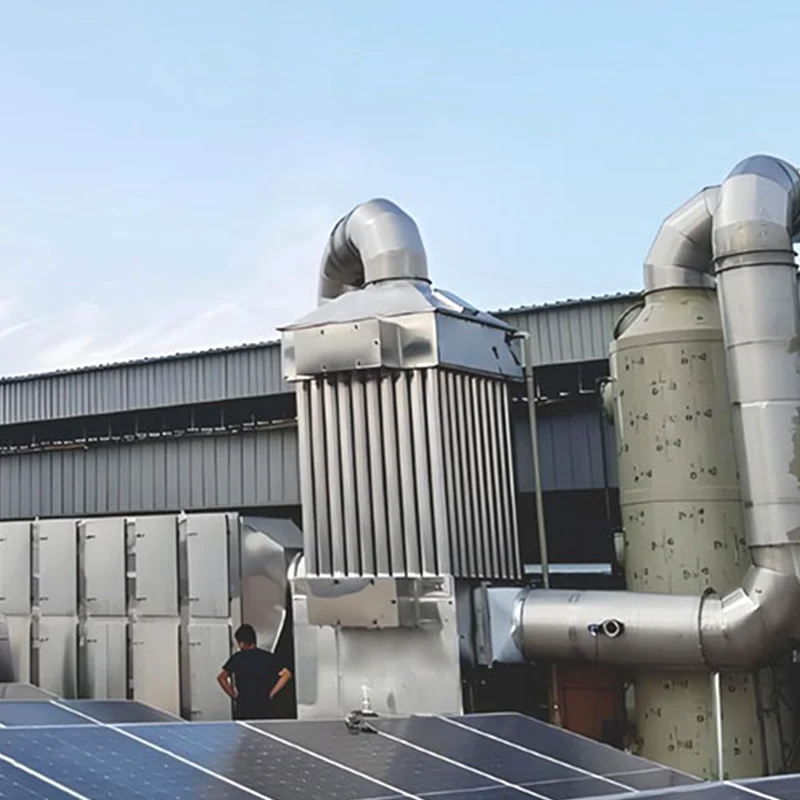
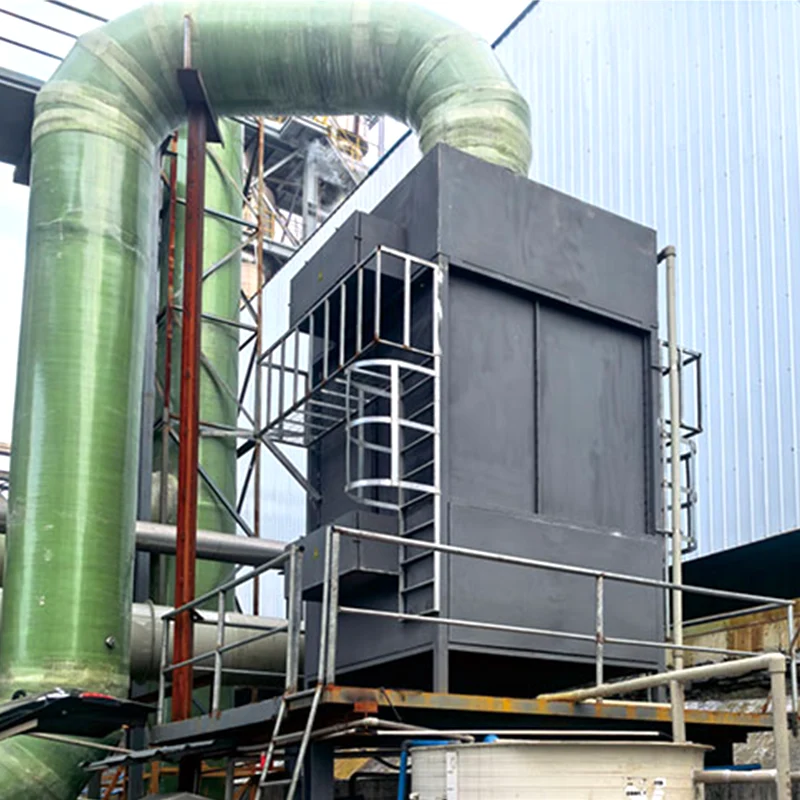
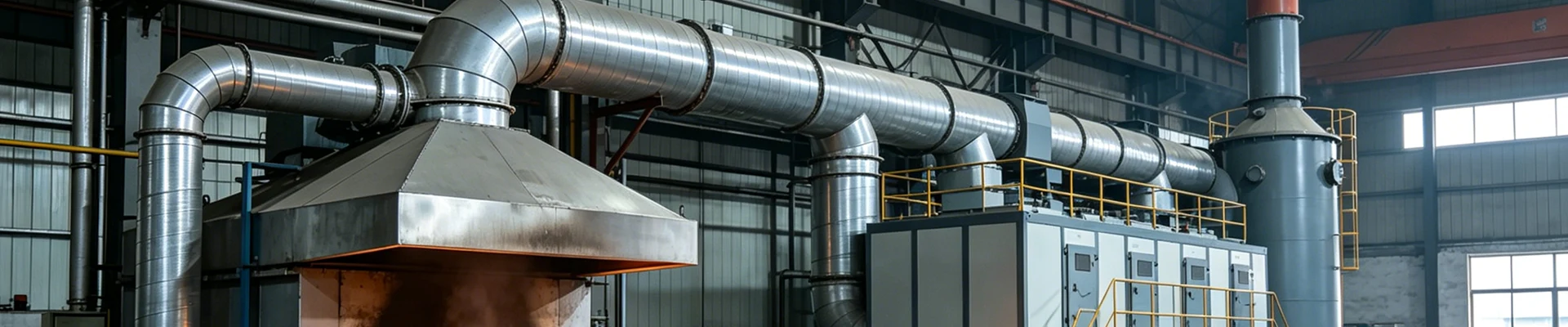
Air pollution control equipment targets various atmospheric pollutants such as industrial waste gas, soot and odor. According to treatment objects, it is divided into five categories: dust removal equipment, VOCs organic waste gas treatment equipment, flue gas desulfurization and denitrification equipment, acid-base inorganic waste gas treatment equipment, and deodorization and odor removal equipment. The introduction covers working principles, classifications, advantages and disadvantages, applicable scenarios, as well as mainstream processes and application selection.
- View as
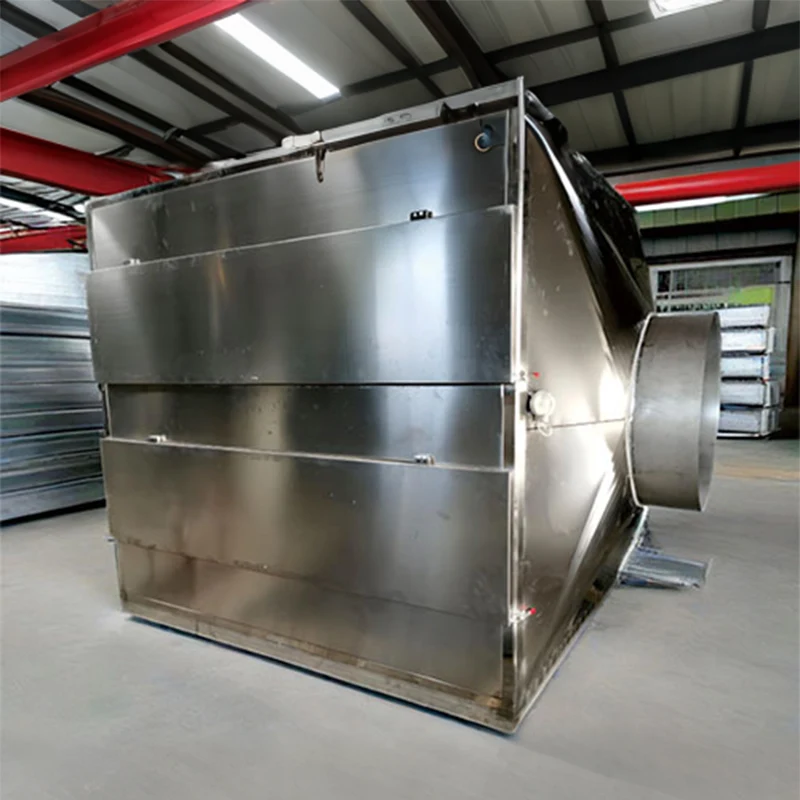
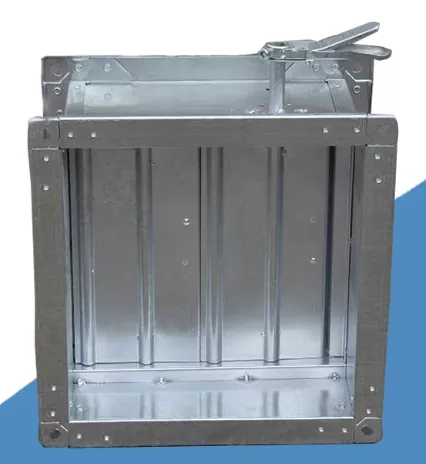
Activated Carbon Box Equipment
Defaee utilizes high-quality activated carbon and a scientifically engineered airflow design to reliably remove gaseous pollutants. As a trusted manufacturer and supplier, Defaee offers Activated Carbon Box Equipment. These units efficiently adsorb volatile organic compounds (VOCs) and various odors; they feature low airflow resistance, compatibility with standard ductwork, and ease of maintenance. Suitable for both commercial and industrial applications, they can also operate in conjunction with other purification equipment.
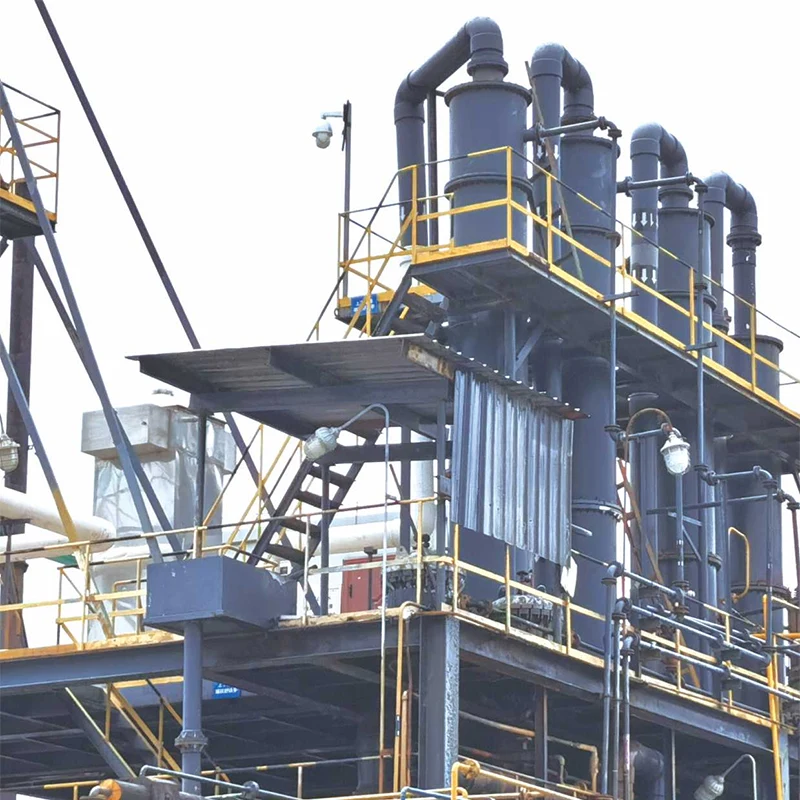
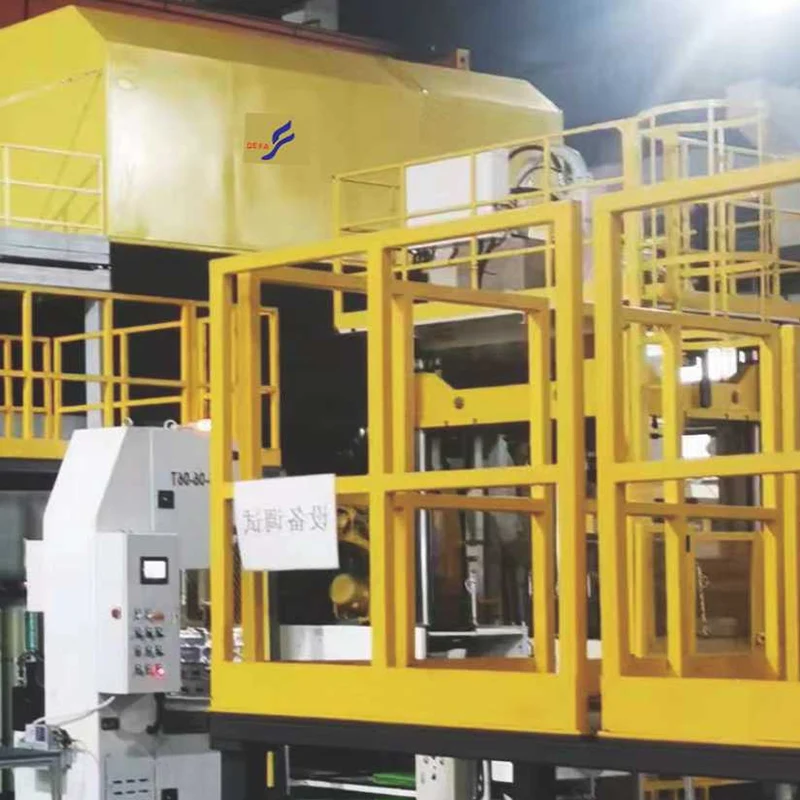
White Fog Water Mist Removal and Water Vapor Purification System
Defaee excels in the field of industrial flue gas treatment solutions, leveraging highly efficient waste heat recovery technology and durable, corrosion-resistant components. As a specialized manufacturer and supplier, Defaee offers a White Fog Water Mist Removal and Water Vapor Purification System. This system eliminates over 95% of white smoke, recovers water and thermal energy, and reduces energy consumption by 30% to 50%, helping diverse industrial enterprises meet environmental compliance standards and achieve carbon reduction goals.
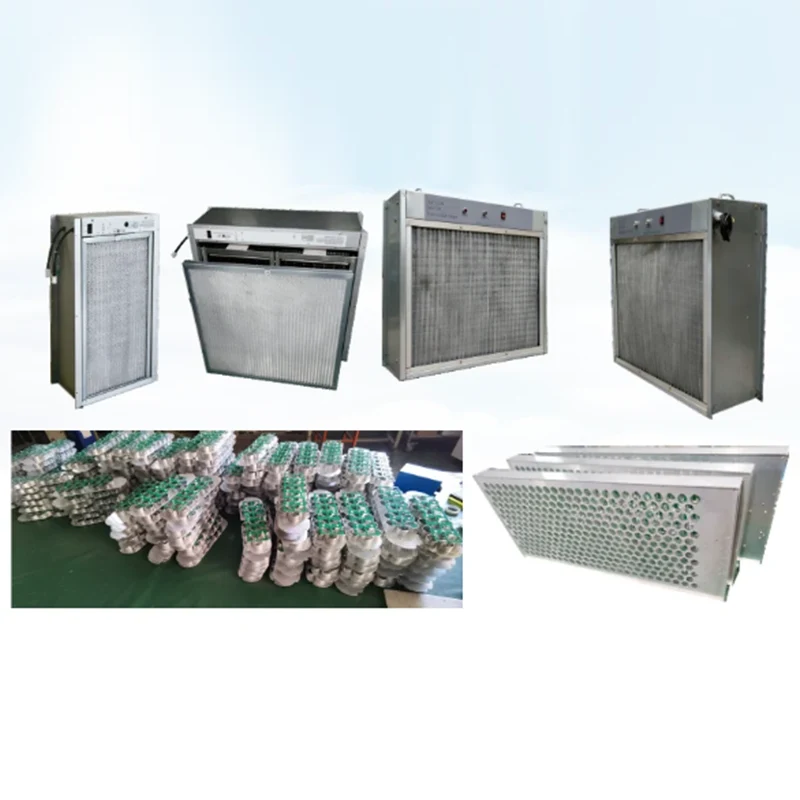
Air Sterilizer Deodorizer Fresh Air Purifier
Defaee, a professional and reliable indoor air treatment equipment supplier, specializes in manufacturing high-quality air solutions for household, office and commercial users across a wide range of application scenarios.Its Air Sterilizer Deodorizer Fresh Air Purifier integrates purification, fresh air ventilation and sterilization, delivers 99.97% fine particle filtration, efficiently removes formaldehyde and odors, and helps users maintain a safe, healthy indoor breathing environment all year round.
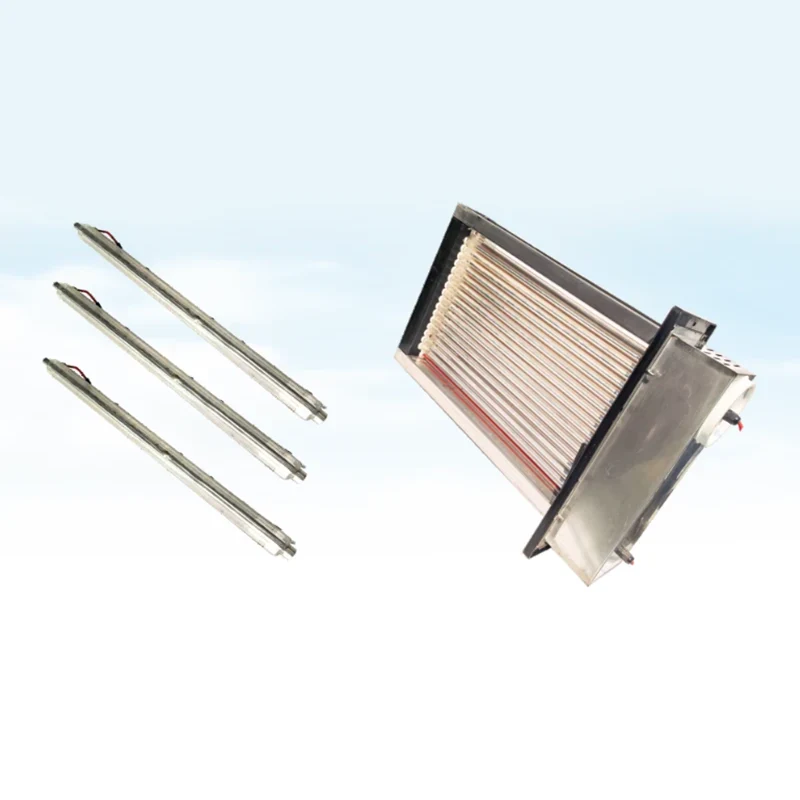
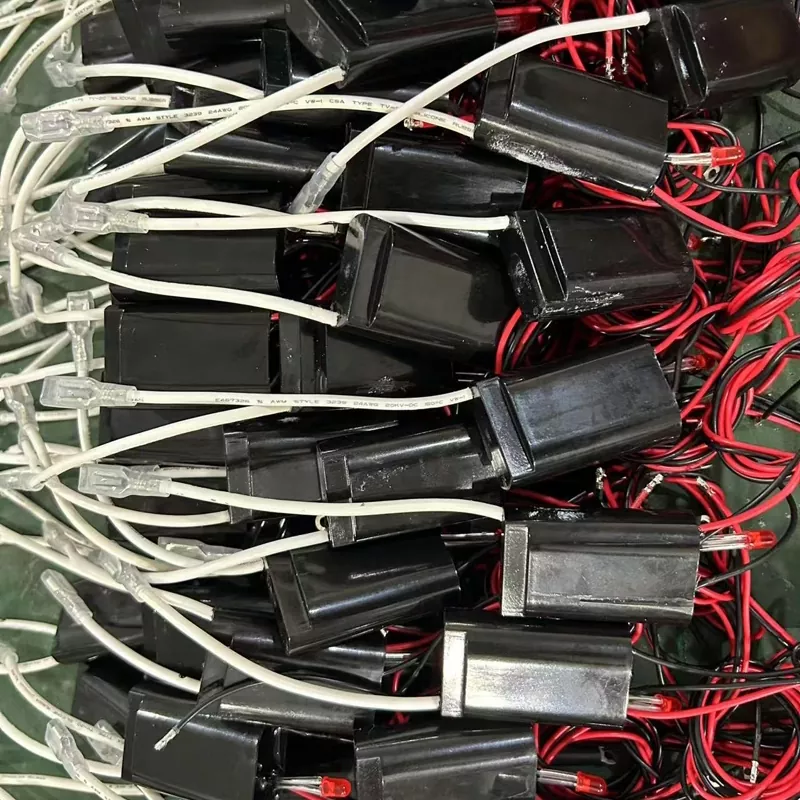
Plasma Deodorization Module
Defaee is a reliable professional environmental protection equipment supplier with rich on-site experience in solving odor and harmful waste gas treatment problems for industrial manufacture and public service facilities. Its Plasma Deodorization Module adopts low-temperature plasma technology, delivers over 95% purification efficiency with ultra-low energy consumption, adapts to diverse scenarios, helps factories meet strict emission standards, cut operating costs and eliminate secondary pollution risks.
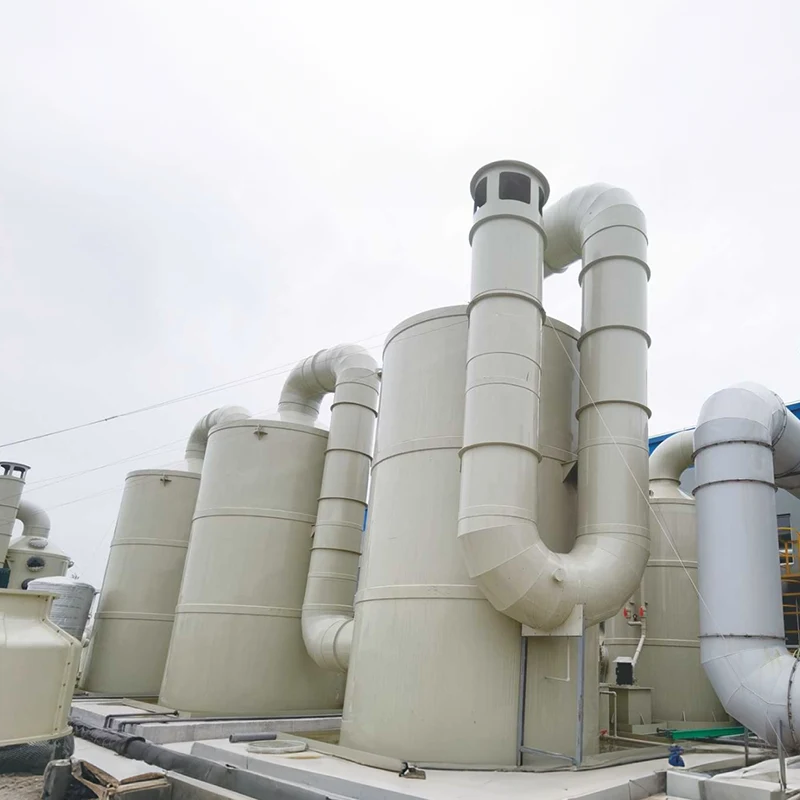
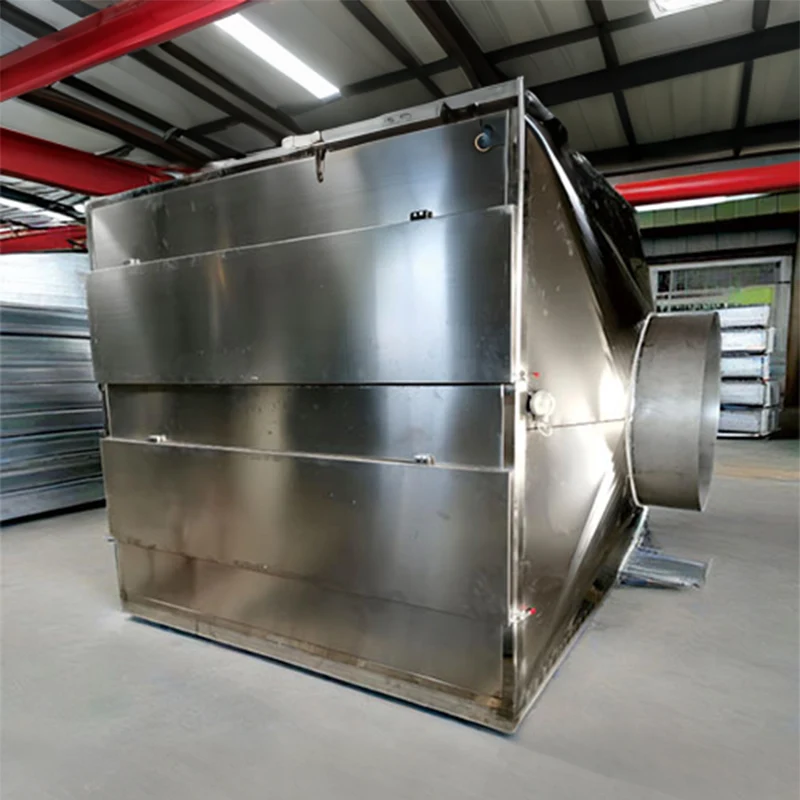
PP Biological Deodorization Tower and Air Duct
Defaee is a professional manufacturer and supplier of corrosion-resistant, eco-friendly equipment, boasting strong technical expertise and reliable end-to-end service capabilities in the field of waste gas treatment for the chemical and biopharmaceutical industries. Constructed from corrosion-resistant PP material and utilizing a multi-stage purification process, this PP Biological Deodorization Tower and Air Duct effectively removes acidic and alkaline pollutants as well as odors; it ensures stable compliance with emission standards, reduces maintenance costs, and meets diverse industrial procurement needs.
Dust Removal Equipment (for particulate matter, dust and soot treatment)
Mainly used to remove solid particulate matter in the air, it is a basic type of industrial treatment equipment.
1. Cartridge Dust Collector
- Principle: Pleated filter cartridges intercept and capture dust, with pulse compressed air applied for dust cleaning.
- Features: Compact size, high filtration precision and flexible installation; filter cartridges are consumables and not resistant to high-concentration coarse dust.
- Applications: Workshop grinding, welding fume, laser cutting, machine tool station dust removal, and small production lines.
2. Baghouse Dust Collector (Bag Filter)
- Principle: Filter bags intercept dust, with pulse or plenum pulse jet cleaning, achieving a dust removal efficiency of ≥99.5%.
- Features: Stable purification effect, suitable for fine dust; filter bags are vulnerable to high temperature, oil stains and strong corrosion.
- Applications: Most industrial dusty conditions such as cement, building materials, metallurgy, boilers, woodworking and spraying.
3. Cyclone Dust Collector
- Principle: Separates large-particle dust by centrifugal force.
- Features: Low cost, no consumables and high temperature resistance; can only treat coarse particles above 10μm, with poor performance on fine dust.
- Applications: Dust from sand and gravel, grain and material conveying, mostly used as front-end pretreatment equipment.
4. Electrostatic Precipitator (ESP)
- Principle: A high-voltage electric field charges dust particles, which are then adsorbed to collecting plates and removed by rapping.
- Features: Large air volume, low resistance, high temperature resistance and long service life; high initial cost, and the physical properties of dust affect treatment efficiency.
- Applications: Dust removal for super-large flue gas from thermal power plants, large kilns, iron and steel sintering, etc.
5. Wet Dust Collector
- Principle: Gas comes into contact with liquid, and dust is wetted and captured by water or chemical solution.
- Features: Capable of dust removal, cooling and explosion protection, suitable for flammable and explosive dust; generates wastewater and is prone to freezing in winter.
- Applications: Mines, chemical industry, and high-temperature corrosive dusty waste gas.
VOCs Organic Waste Gas Treatment Equipment (for coating, printing, chemical, plastic industries, etc.)
Targeting volatile organic compounds such as benzene, aldehydes and hydrocarbons, it is a key category of industrial environmental protection equipment at present.
1. Activated Carbon Adsorption Device
- Principle: The porous structure of activated carbon physically adsorbs organic waste gas.
- Features: Low cost and simple installation, suitable for low-concentration and large-air-volume waste gas; saturated activated carbon is classified as hazardous waste and requires regular replacement.
- Applications: Small spray booths, printing, plastic processing, and workshop exhaust gas.
2. Catalytic Combustion Equipment (CO/RCO)
- Principle: Under the action of catalysts, VOCs are oxidized and decomposed into carbon dioxide and water at a low temperature of 200~400℃.
- Features: High purification efficiency, low energy consumption and recyclable waste heat; catalysts are prone to poisoning by dust and heavy metals.
- Applications: Medium-concentration continuous working conditions, including coating, pharmaceutical, food and fine chemical industries.
3. Regenerative Thermal Oxidizer (RTO)
- Principle: Waste gas is incinerated and decomposed at a high temperature above 800℃, with ceramic regenerators recovering heat, achieving a heat utilization rate of over 90%.
- Features: Extremely high efficiency in treating high-concentration and complex-component VOCs; large equipment size, high investment and strict safety control requirements.
- Applications: High-concentration and large-air-volume waste gas from petrochemical, coating, large-scale painting and pharmaceutical industries.
4. Zeolite Rotor Concentration + Incineration Integrated System
- Principle: Zeolite molecular sieve first concentrates low-concentration waste gas, which is then delivered to CO/RTO for treatment.
- Features: Specially designed for large-air-volume and low-concentration VOCs, with much lower energy consumption than direct incineration.
- Applications: Mainstream industries such as automobile painting, large-scale printing and film manufacturing.
5. UV Photo-Oxidation Catalytic Equipment
- Principle: Ultraviolet light combined with catalysts generates strong oxidizing groups to decompose organic matter and odor.
- Features: Small footprint and simple operation and maintenance; weak capacity for high-concentration waste gas, prohibited for independent use in many regions and only applied as auxiliary treatment.
- Applications: Low-concentration odor and auxiliary terminal purification of waste gas.
Flue Gas Desulfurization and Denitrification Equipment (for boiler, kiln and power plant flue gas)
Specially designed to treat sulfur dioxide (SO₂) and nitrogen oxides (NOₓ) in flue gas, mostly used in heating, thermal power generation and iron and steel industries.
1. Wet Desulfurization Equipment (mainly limestone-gypsum process)
- Principle: Limestone or lime slurry undergoes neutralization reaction with SO₂ to remove sulfides.
- Features: Mature technology, high desulfurization efficiency and stable operation; flue gas carries water mist, requiring matching demisting devices, and produces by-product gypsum.
- Applications: Coal-fired boilers, thermal power plants and large kilns. It is the most widely used desulfurization process at present.
2. Semi-Dry/Dry Desulfurization Equipment
- Principle: Dry powder absorbent reacts directly with flue gas without generating wastewater.
- Features: Simple system and no sewage discharge; desulfurization efficiency is slightly lower than the wet process.
- Applications: Small and medium-sized boilers, sites with limited space, and water-scarce areas.
3. SCR/SNCR Denitrification Equipment
- SCR (Selective Catalytic Reduction): Operates at medium-high temperature with catalysts, and injects ammonia water or urea to reduce NOₓ. It has high denitrification efficiency and is the preferred solution for mainstream large-scale units.
- SNCR (Selective Non-Catalytic Reduction): Reductant is injected into the high-temperature zone without catalysts. It features simple equipment and low investment, and is mostly used for small and medium-sized boilers.
Acid-Base Waste Gas Treatment Equipment (for electroplating, pickling, chemical industry, laboratories)
Treats water-soluble acid-base harmful gases such as hydrogen chloride, sulfuric acid mist, ammonia and fluoride.
Spray Scrubber (Packed Purification Tower)
- Principle: Neutralizing chemical solution is sprayed inside the tower, and gas and liquid contact countercurrently to trigger chemical reactions and remove pollutants. Alkaline solution removes acidic gases, while acidic solution removes alkaline gases such as ammonia.
- Features: Simple structure, large treatment capacity and low operation and maintenance cost; only effective for water-soluble gases and generates circulating wastewater.
- Applications: Electroplating, pickling, chemical workshops, laboratories and waste gas pretreatment.
Deodorization / Malodor Treatment Equipment (for odor, hydrogen sulfide, ammonia, etc.)
Mostly used in municipal, environmental sanitation and light industry to remove malodorous gases.
1. Biological Deodorization Equipment
- Principle: Uses microbial flora to metabolize and decompose malodorous substances into harmless inorganic substances.
- Features: Extremely low operating cost and no secondary pollution; large footprint, with strict requirements for temperature, humidity and waste gas concentration.
- Applications: Sewage treatment plants, waste transfer stations, livestock farms and septic tanks.
2. Low-Temperature Plasma Deodorization Equipment
- Principle: A high-voltage electric field generates high-energy particles to oxidize and decompose odor molecules.
- Features: Fast start-up, small footprint, and capable of treating multi-component odor; relatively high energy consumption.
- Applications: Garbage stations, catering fumes, and odor in chemical workshops.