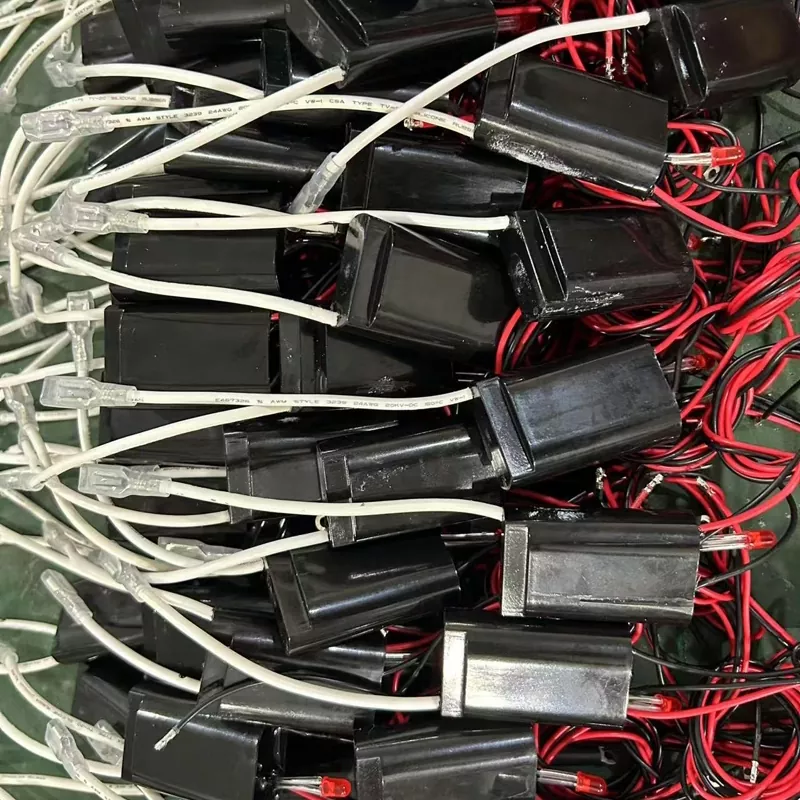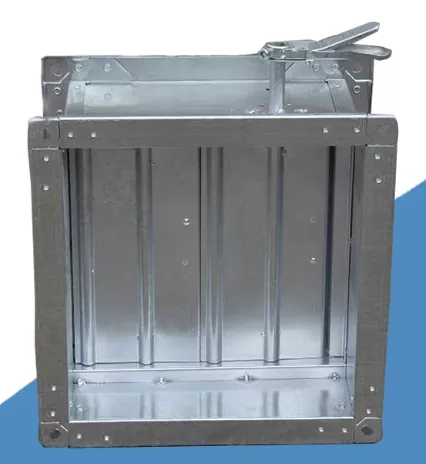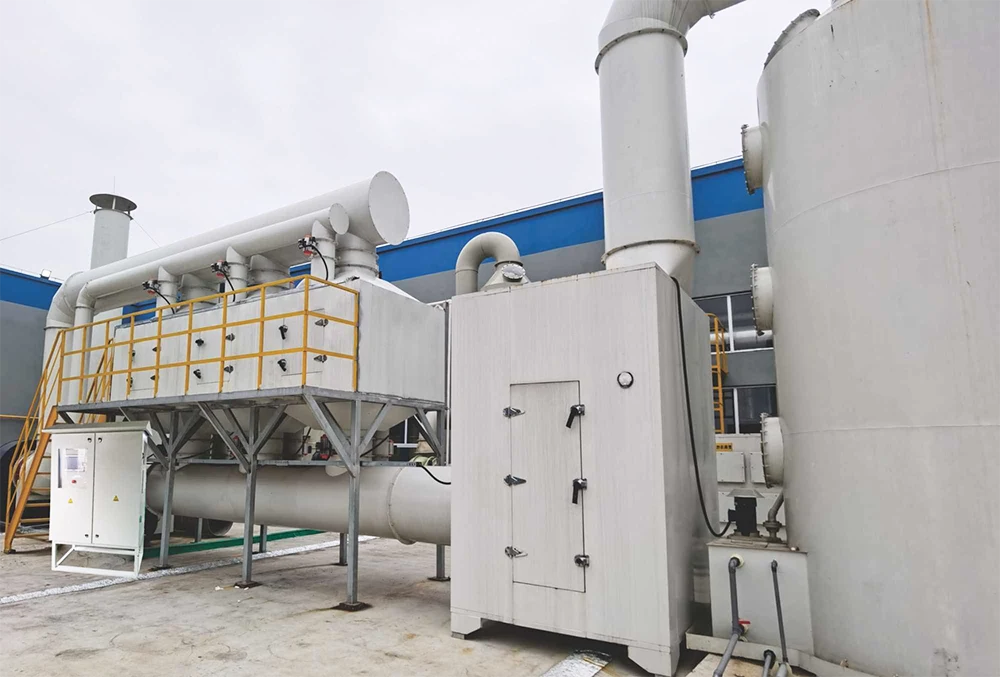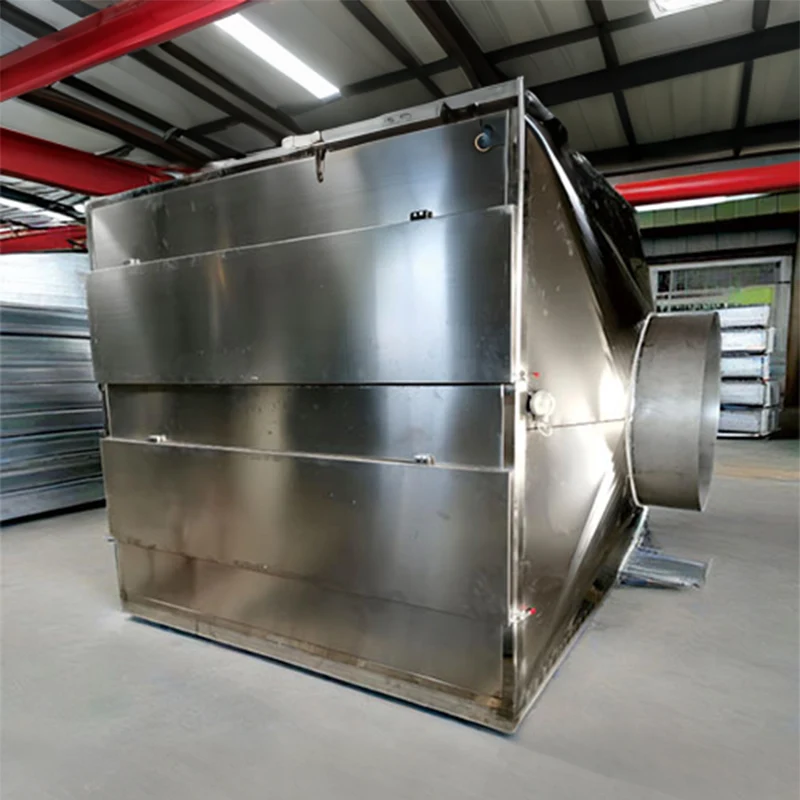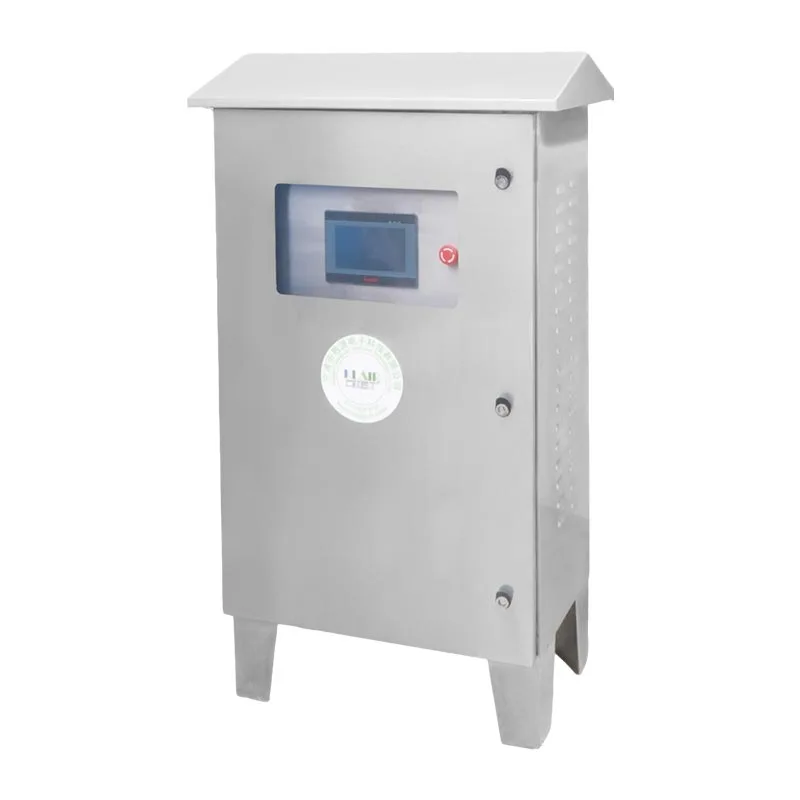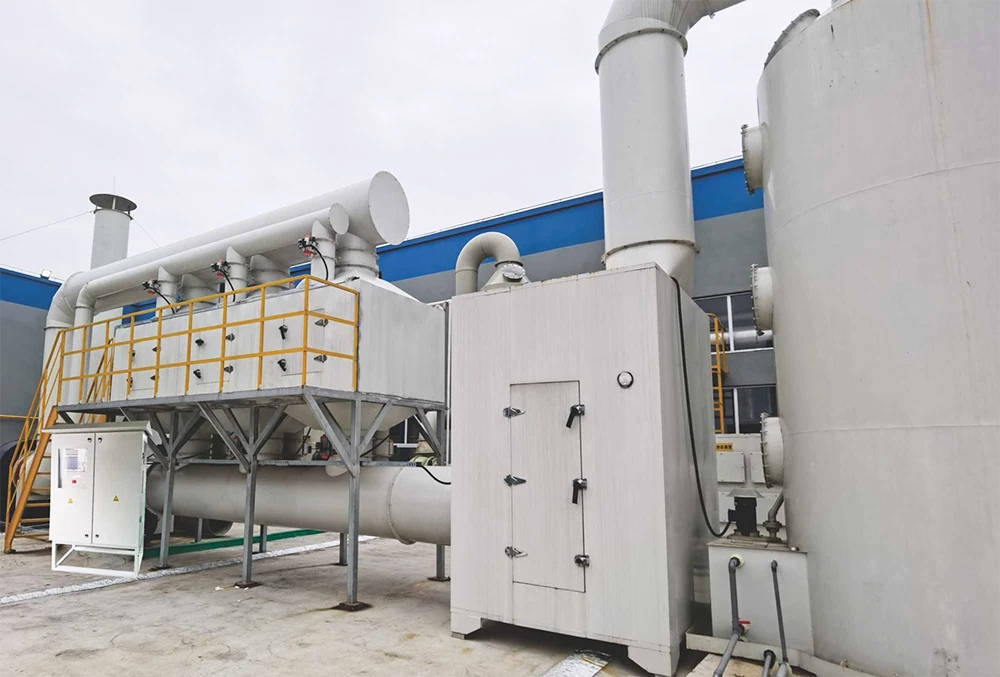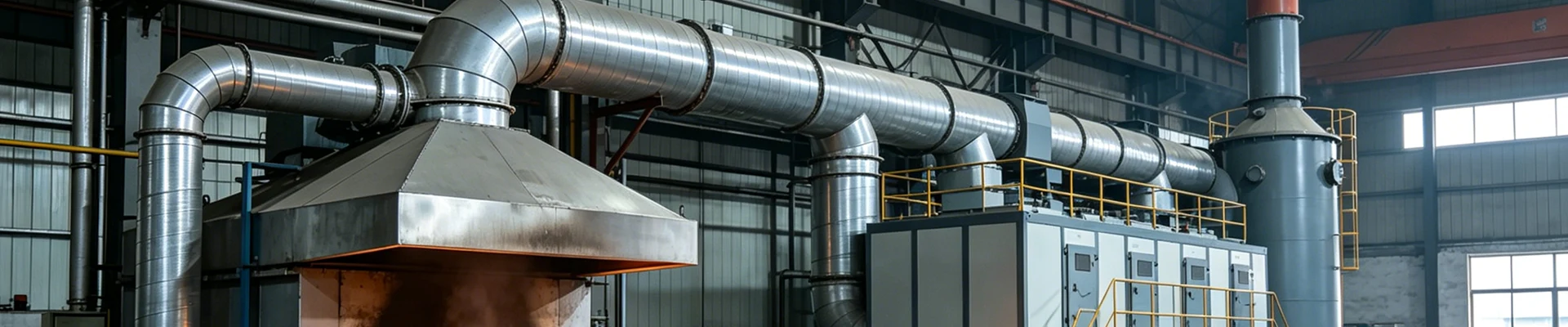
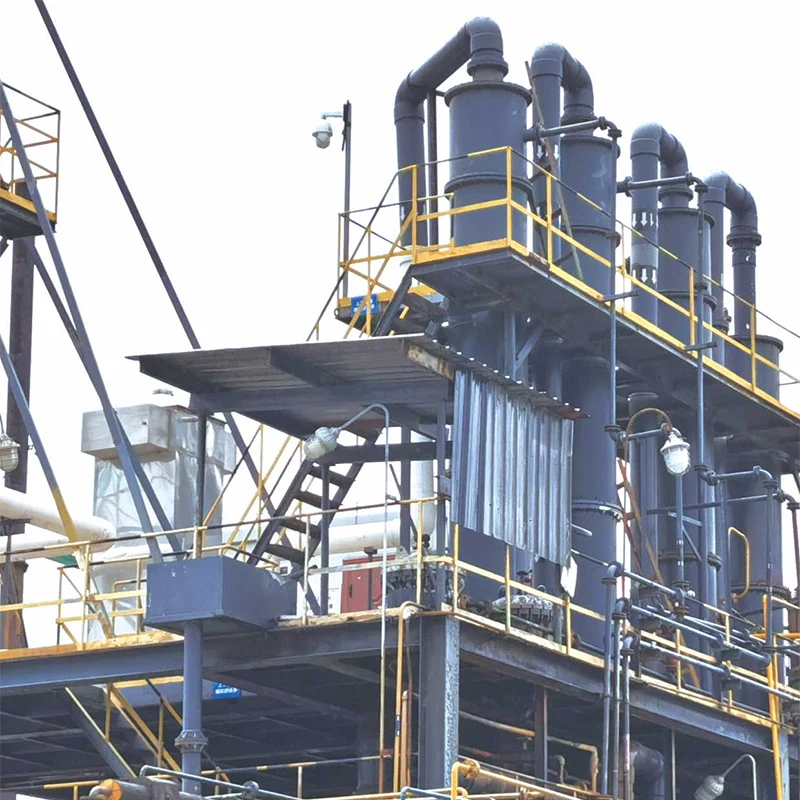
White Fog Water Mist Removal and Water Vapor Purification System
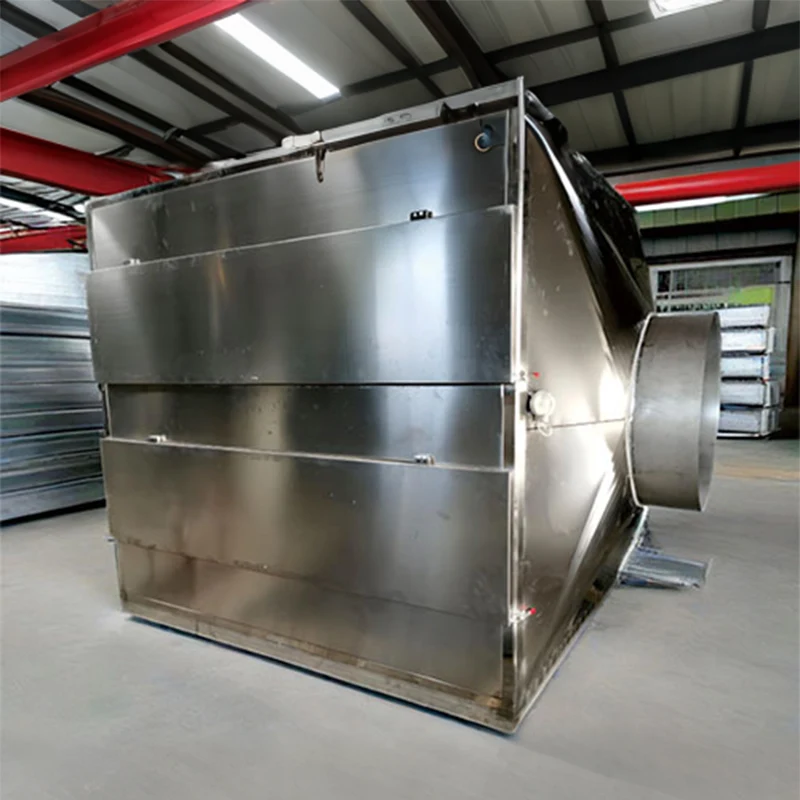
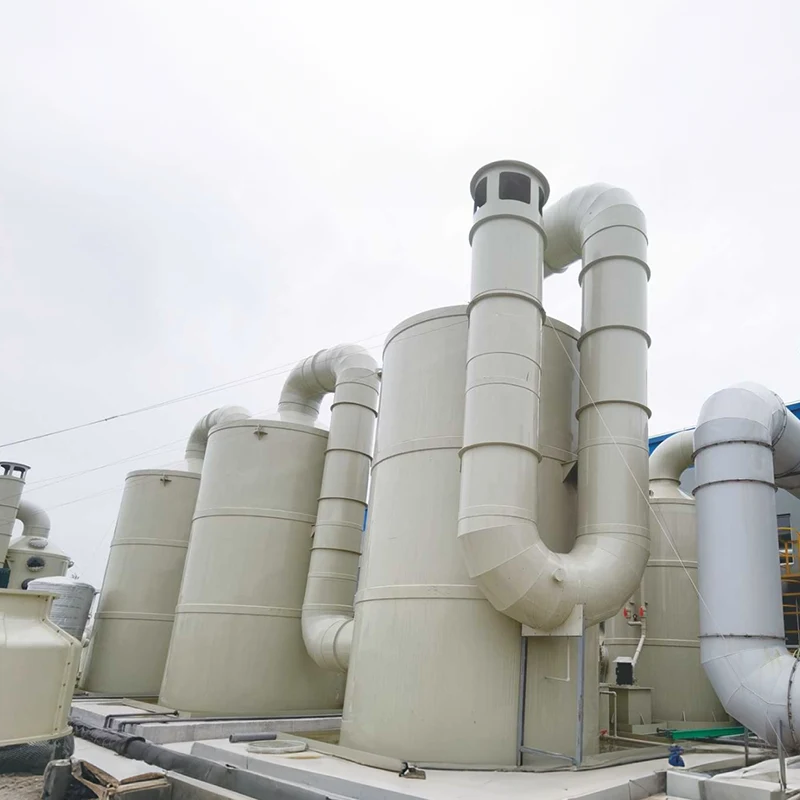
Defaee excels in the field of industrial flue gas treatment solutions, leveraging highly efficient waste heat recovery technology and durable, corrosion-resistant components. As a specialized manufacturer and supplier, Defaee offers a White Fog Water Mist Removal and Water Vapor Purification System. This system eliminates over 95% of white smoke, recovers water and thermal energy, and reduces energy consumption by 30% to 50%, helping diverse industrial enterprises meet environmental compliance standards and achieve carbon reduction goals.
Against the backdrop of the "dual carbon" goals and the continuous deepening of ultra-low emission environmental policies, industrial flue gas "white fog/white steam" treatment has evolved from visual pollution remediation to a core necessity for coordinated pollution reduction and carbon reduction. The White Fog Water Mist Removal and Water Vapor Purification System has emerged and rapidly developed to address three major pain points in industrial high-humidity exhaust and flue gas emissions: pervasive white fog, drifting water mist, and excessive water vapor. Integrating condensation phase change, high-efficiency demisting, waste heat recovery, and intelligent control technologies, it achieves integrated treatment of "fog elimination, mist removal, water vapor purification, and waste heat utilization", becoming a critical equipment in the industrial environmental protection field.
Market Scale and Growth
The industry is experiencing rapid growth. In 2025, China's market size for fog elimination and water vapor purification equipment reached 7.86 billion yuan, a year-on-year increase of 21.3%. It is projected to exceed 13 billion yuan by 2028, maintaining a compound annual growth rate of 18%-22%. On the demand side, both retrofitting of existing facilities and new construction projects in power, chemical, metallurgical, building materials, drying, and waste incineration industries are driving growth simultaneously. Wet desulfurization flue gas fog elimination accounts for over 45% of the market, serving as the core growth engine. On the supply side, the industry is accelerating differentiation, with leading enterprises capturing 62% of industry profits through technological accumulation, customized services, and full industrial chain advantages, while small and medium-sized enterprises face shrinking profit margins due to weak technology and price competition, leading to steadily increasing industry concentration.
Technological Evolution
The industry has transitioned from single "visual fog elimination" to deep purification combined with energy conservation and carbon reduction. Early fog elimination equipment only alleviated white fog through simple heating, resulting in high energy consumption and unstable performance. Current mainstream technologies center on the condensation phase change method, complemented by low-power ion beam, fluoroplastic heat exchange, and AI intelligent control technologies, achieving fog elimination rates above 95% while enabling waste heat recovery and water vapor resource utilization, aligning with green and low-carbon development trends. Additionally, industry standardization is accelerating, with quantitative standards based on dew point temperature, moisture content, and particulate concentration gradually replacing subjective acceptance criteria such as "white smoke visual disappearance" for non-electric industries, promoting standardized industry development.
Policy Drivers
Policy is the core driving force for industry development. At the national level, the Air Pollution Prevention and Control Law and the 14th Five-Year Plan for Air Pollution Prevention and Control in Key Regions explicitly require strict control of industrial flue gas humidity and visible plume emissions. At the local level, major industrial provinces such as Zhejiang, Jiangsu, and Shandong have issued special policies incorporating fog elimination into core environmental supervision indicators, with significantly increased inspection frequency during low-temperature seasons (winter and rainy days). Meanwhile, "dual carbon" policies have driven enterprises to shift from "end-of-pipe treatment" to "source reduction + waste heat utilization". The White Fog & Water Mist Removal System, with its dual value of environmental compliance and energy conservation, has become standard equipment for enterprise green transformation.
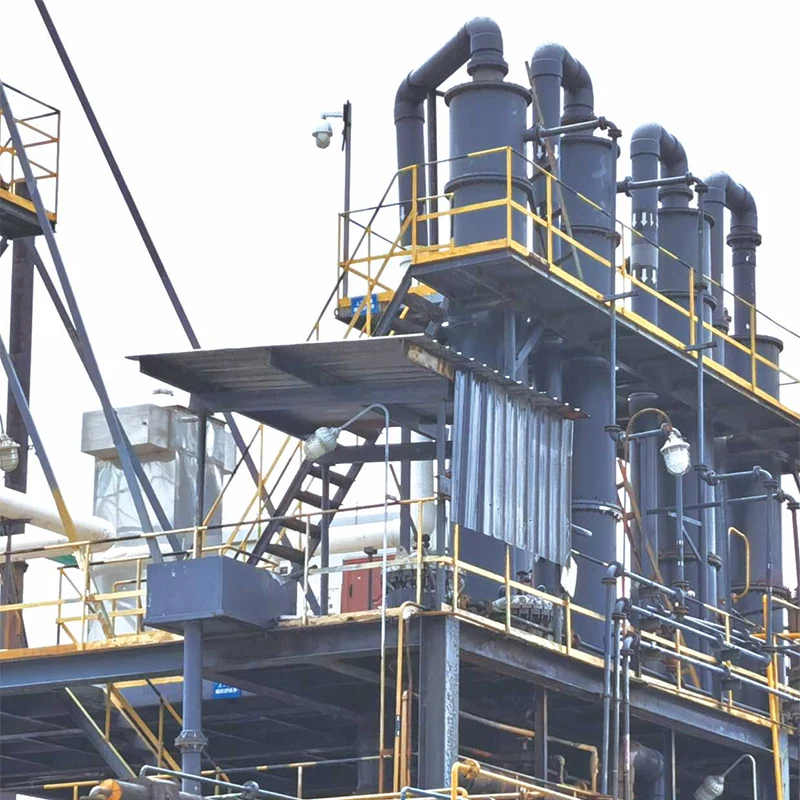
Core Operating Principle
The system follows a four-stage process:
Condensation Dehumidification → Demisting Purification → Waste Heat Reheating → Stable Emission, with differentiated technical routes adapted to different working conditions:
Condensation Phase Change Dehumidification (Core Stage):
High-temperature, high-humidity flue gas/exhaust enters the system and is cooled below the dew point temperature through dedicated heat exchangers (fluoroplastic/stainless steel). This causes over 90% of water vapor in the flue gas to condense into liquid water, simultaneously entraining soluble salts, fine dust, acid mist, and other pollutants in the water mist, fundamentally reducing the basis for white fog formation.
High-Efficiency Demisting Purification:
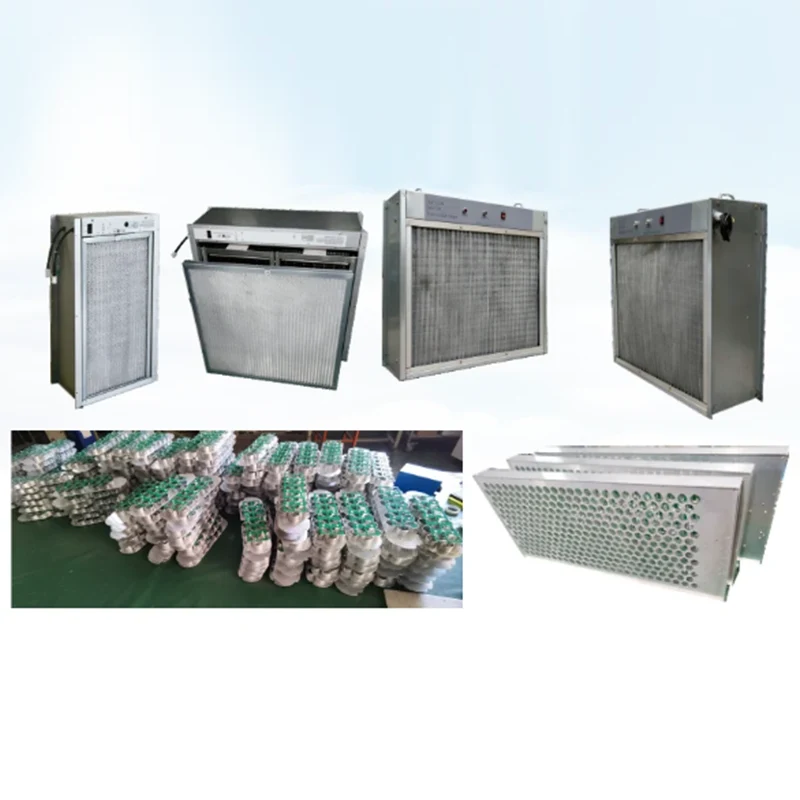
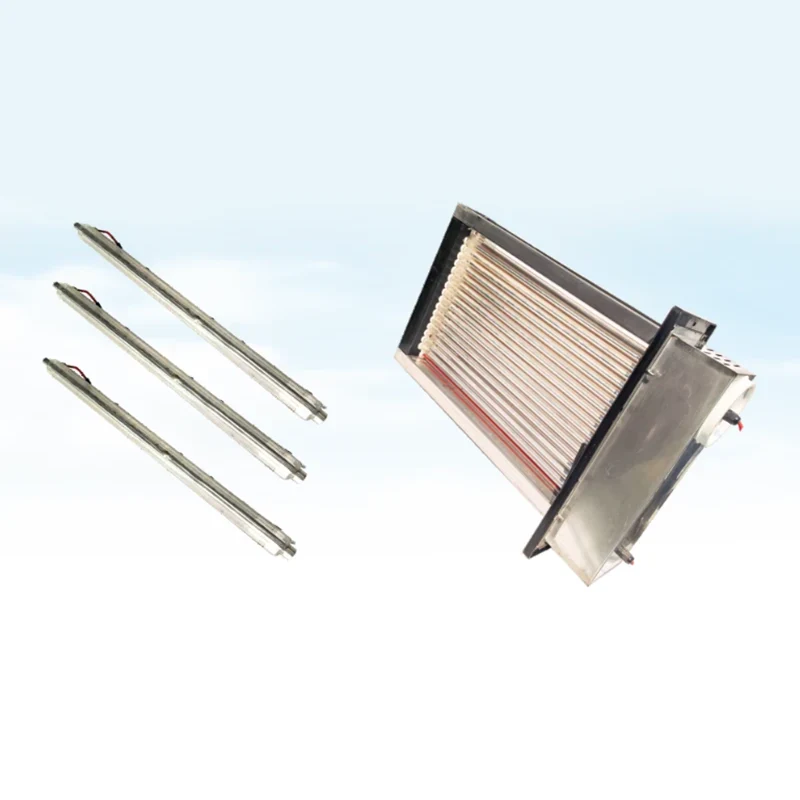
The condensed airflow passes through wire mesh demisters, cyclone separators, or ion beam electric fields to capture remaining micro-droplets (≥5μm), achieving demisting efficiency above 99.5%. This completely eliminates water mist drift while intercepting PM2.5, heavy metals, and other pollutants for deep water vapor purification.
Waste Heat Recovery and Reheating:
Using recovered flue gas waste heat (or production line waste heat), the dehumidified and purified low-temperature flue gas is heated to 40-60°C, raising its temperature and reducing relative humidity. This ensures no re-condensation into white fog after emission in low-temperature environments, achieving stable year-round compliance.
Intelligent Stable Emission:
Equipped with an AI intelligent control system, it monitors flue gas temperature, humidity, dust content, and other parameters in real time, automatically adjusting heat exchange power and airflow speed to adapt to working condition fluctuations. No dedicated personnel are required, ensuring long-term stable system operation.
Wide Range of Application Scenarios
The system adapts to all industrial high-humidity exhaust/flue gas emission scenarios, covering industrial production, energy power, building materials, chemical, food drying, and environmental incineration fields:
Power Industry
· Thermal Power Plants: Wet desulfurization flue gas at 50-60°C with over 90% humidity causes severe white fog in winter, leading to resident complaints and environmental penalties. The system achieves deep dehumidification and demisting with ≥95% fog elimination rate, while recovering waste heat for plant heating.
· Gas/Oil-Fired Boiler Rooms: Boiler exhaust contains large amounts of water vapor, forming thick white fog in cold weather. The system adapts to small-airflow, high-humidity conditions with small footprint, convenient installation, and low operation costs.
Chemical and New Materials Industry
· Phosphorus Chemical, Titanium Dioxide, Lithium Battery Materials: Roasting and pickling processes produce high-humidity acid-containing flue gas with white fog and acid mist corrosion. The system uses corrosion-resistant materials (titanium alloy/fluoroplastic) for simultaneous acid mist removal, fog elimination, and dust removal, adapting to complex corrosive conditions.
· Fertilizer, Coking, Graphite Carbon: Kiln and coke oven flue gas contains high humidity and fine dust, forming persistent white fog after emission. The system adopts low-power ion beam technology for multi-effect synergy of "fog elimination + desulfurization + denitrification", adapting to high-sulfur, high-dust flue gas.
Building Materials and Metallurgical Industry
· Glass, Ceramic, Brick Kilns: Kiln exhaust has high temperature and humidity, with significant white fog after emission, especially in winter. The system adapts to high-temperature flue gas (80-120°C) with high heat exchange efficiency, recovering waste heat for raw material preheating.
· Steel and Non-Ferrous Smelting: Smelting furnace and sintering machine flue gas contains large amounts of water vapor and heavy metal dust, with pollutants entrained in white fog. The system deeply purifies water vapor and intercepts heavy metal particles, meeting ultra-low emission requirements.
Drying and Food Processing Industry
· Grain, Wood, Tobacco Drying: Drying exhaust at 40-70°C with over 85% humidity causes pervasive white fog after emission. The system adopts integrated "condensation dehumidification + waste heat reheating" process, reducing energy consumption by over 40% compared to traditional heating methods. Condensed water can be recycled for drying processes.
· Food and Medicinal Materials Drying: Exhaust contains trace odors and water vapor. The system uses 304 stainless steel for safety and corrosion resistance, simultaneously removing odors and purifying water vapor, meeting food-grade environmental requirements.
Environmental Incineration and Solid Waste Treatment Industry
· Waste and Hazardous Waste Incineration Plants: Incineration flue gas after wet desulfurization is high-humidity and low-temperature with prominent white fog problems, containing dioxins, heavy metals, and other pollutants. The system adapts to complex flue gas conditions with 98% fog elimination rate, simultaneously removing acid mist and dust.
· Sludge Drying and Solid Waste Disposal: Drying exhaust contains large amounts of water vapor and malodorous gases. The system condenses water vapor while adsorbing and decomposing malodorous components, improving surrounding air quality.
Other Special Scenarios
· Industrial Cooling Towers: Traditional cooling tower water mist evaporation loss accounts for 15%-20%, causing water waste and equipment corrosion. The system achieves over 90% water recovery rate through water mist separation and recycling.
· Spray Tower Exhaust and Laboratory High-Humidity Exhaust: Chemical and pharmaceutical industry spray tower exhaust still contains high humidity after dehumidification. The system can be miniaturized and customized for small-airflow, intermittent exhaust scenarios.
Core Competitive Advantages
1. High-Efficiency Fog Elimination with Year-Round Stable Compliance
· Outstanding Fog Elimination Effect: Adopting core condensation phase change + waste heat reheating technology, it achieves ≥95% fog elimination rate with no white fog recurrence even in extreme low-temperature (-5°C) and high-humidity (>90%) environments, completely solving pervasive white fog problems in winter and rainy days.
· Thorough Demisting Purification: Equipped with high-efficiency demisters or ion beam electric fields, it achieves over 99.5% water mist removal rate, simultaneously intercepting PM2.5, acid mist, heavy metals, and other pollutants. Outlet moisture content is stably controlled below 8%, meeting ultra-low emission requirements.
2. Energy Conservation and Carbon Reduction with High Resource Utilization
· Waste Heat Recovery: The system recovers flue gas waste heat for plant heating, raw material preheating, or drying processes, achieving 20%-40% comprehensive energy savings and reducing enterprise energy costs.
· Water Vapor Recycling: Condensed clean water can be recycled for production make-up water and cooling water, with over 90% water saving rate in industrial cooling tower scenarios, aligning with water resource conservation policies.
· Low-Energy Operation: Core energy consumption is only fan power, combined with frequency conversion control technology, reducing energy consumption by 30%-50% compared to traditional heating fog elimination processes. Low-power ion beam technology saves an additional 30% on electricity bills, providing high long-term cost-effectiveness.
3. Strong Adaptability with Wide Working Condition Compatibility
· Customized Design: Equipment specifications, materials (stainless steel/fluoroplastic/titanium alloy), and process routes can be customized based on enterprise flue gas airflow, temperature, humidity, corrosivity, and other parameters, adapting to full airflow ranges from 1,000 m³/h to 100,000 m³/h.
· Corrosion Resistance and Durability: Core heat exchange components are made of fluoroplastic or titanium alloy, resistant to high-temperature, high-acid, and high-alkali flue gas erosion, with a service life of over 10 years and no corrosion or clogging issues during long-term operation.
· Convenient Retrofit: The equipment has a small footprint and compact structure, can be directly connected to existing chimneys and flues with short transformation cycles, not affecting normal enterprise production operations, and adapting to both new and old plant retrofitting needs.
4. Intelligent Operation and Maintenance with Reduced Management Costs
· AI Intelligent Control: Equipped with a fully automatic control system, it monitors flue gas parameters in real time and automatically adjusts operating power without on-site personnel. It supports mobile APP remote monitoring and automatic fault alarms for convenient operation and maintenance.
· Maintenance-Free Design: Core components have no wearing parts, and demisters can be automatically cleaned, requiring no frequent maintenance during long-term operation. Operation and maintenance costs are only 1/3 of traditional equipment.
· Stable and Reliable: The system adopts a modular design with stable operation and an average mean time between failures (MTBF) of over 8,000 hours, adapting to continuous production conditions and avoiding production losses due to equipment failures.
5. Environmental Compliance with Enhanced Corporate Image
· Avoid Environmental Risks: Completely eliminating white fog visual pollution meets local environmental supervision requirements, avoiding fines, production suspension, and rectification penalties due to white fog issues, helping enterprises achieve environmental compliance.
· Improve Environmental Quality: Simultaneously removing water mist, dust, acid mist, odors, and other pollutants reduces pollutant emission concentrations, improves air quality in and around the plant, and practices green development concepts.
· Enhance Brand Image: A plant environment without white fog emissions demonstrates corporate environmental responsibility and technical strength, enhancing recognition from customers, partners, and the public.
Conclusion
As core equipment in the industrial environmental protection field, the White Fog Water Mist Removal and Water Vapor Purification System closely addresses three core demands: environmental compliance, energy conservation and carbon reduction, and resource utilization. With its advantages of high-efficiency fog elimination, energy conservation and durability, intelligent operation and maintenance, and wide adaptability, it has become a standard solution for power, chemical, building materials, drying, and incineration industries. As environmental policies continue to tighten and the "dual carbon" goals advance, the industry will further develop toward technological refinement, coordinated treatment, and integrated services, with enormous market potential. It will provide critical support for industrial green transformation and ecological environmental protection.
Hot Tags: White Fog Water Mist Removal and Water Vapor Purification System, Manufacturer, Supplier, Factory
Send Inquiry
Contact Info
-
Address
No. 661 Cangchu Road, Jiangbei District, Ningbo City,ZHEJIANG PROVINCE,CHINA
-
Tel
-
Email
For inquiries about our products or pricelist, please leave your email to us and we will be in touch within 24 hours.