Automated Food Waste Treatment System For Organic Waste Degradation
Food Waste Treatment System targets perishable organic solid waste such as leftover food, fruit and vegetable scraps, meat and bone crumbs, tea residues and eggshells generated by canteens, hotels, government agencies and communities. Such waste features high moisture content, high organic matter content, easy rotting and odor emission, and tendency to breed mosquitoes and pathogens. The traditional treatment mode relies on centralized sanitation transportation, which has pain points such as leakage during transfer, odor diffusion, secondary pollution, high transportation costs and occupation of landfill capacity.
- View as
Kitchen Waste Project Treatment Equipment
Defaee is a reliable environmental engineering provider with extensive industry experience, dedicated to creating customized, full-chain food waste management solutions for municipal and corporate clients. Its Kitchen Waste Project Treatment Equipment establish a closed-loop process—spanning everything from source segregation to resource recovery—that ensures 100% harmless treatment, thereby helping cities reduce pollution, achieve "dual carbon" goals, and enhance their environmental governance capabilities.
This integrated kitchen waste treatment equipment is equipped with a 10-inch Kunlun Tongtai touch screen and Siemens PLC fully intelligent integrated control system. It belongs to distributed on-site resource disposal equipment, which can complete reduction, harmless treatment and resource utilization at the source of waste generation without long-distance transportation. Suitable for commercial scenarios with a daily treatment capacity of 500kg to 5 tons, it is widely used in government and enterprise canteens, campuses, large supermarkets, industrial parks and concentrated residential communities, meeting the domestic policy requirements of waste classification and solid waste resource utilization. The full text totals 2012 words.
Overall Equipment Structure and Core Hardware Configuration
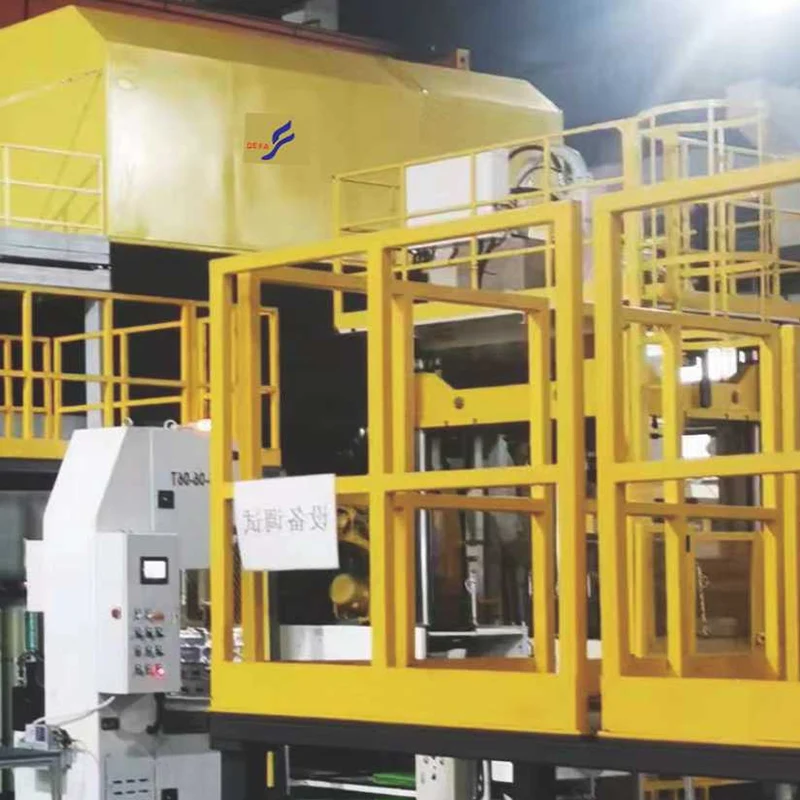
The equipment adopts a closed integrated skid-mounted structure, and the whole machine is welded with 304 food-grade stainless steel plates, which is resistant to organic acid corrosion, oil stain and easy to clean. The whole machine is divided into six integrated units: pretreatment module, oil-water separation module, aerobic microbial degradation module, waste gas deodorization module, residue discharge module and intelligent electric control unit. It requires no civil engineering support and can be put into use directly after power and water supply.
Different from simple crushing and dehydration equipment on the market, this machine cancels the external split pipeline design. All pipelines, fans and heat exchange components are built in the cabinet, with a neat appearance and a floor area of only 12-22 ㎡, suitable for indoor and outdoor equipment room installation.
The core electric control hardware adopts the previously matched industrial control scheme:
- Human-machine interaction terminal: 10-inch Kunlun Tongtai industrial touch screen, with oil stain resistance, water vapor resistance and industrial-grade wide temperature operation capability, can operate stably in the humid back kitchen environment of -10℃ ~ 60℃.
- Logic control core: Siemens S7-200 SMART series PLC, equipped with Shengyuan self-developed high-frequency high-voltage constant current source for auxiliary deodorization power supply, forming a full logic closed-loop control architecture.
Auxiliary hardware components include fully automatic screw crusher, two-stage screw extrusion dehydrator, three-phase oil-water separator, constant temperature aeration stirring tank, UV photolysis + biological spray combined deodorization unit, condensed wastewater collection tank and high-temperature sterilization auxiliary heating module. All actuating components are connected to the PLC bus to realize linkage start-stop and interlock protection, eliminating equipment jamming and overflow failures caused by manual misoperation.
Fully Intelligent Integrated Control Logic (Detailed Explanation of Supporting Industrial Control System)
The equipment adopts Siemens PLC full logic independent programming control, abandoning the traditional single timing control, and is equipped with closed-loop sensor feedback logic, which is the core of the intelligent operation of the whole machine.
The system is built with five types of sensors for material moisture content, chamber temperature, oxygen concentration, waste gas concentration and equipment current, which collect operating parameters in real time and transmit them back to the Kunlun Tongtai touch screen. Operators do not need professional industrial control knowledge, and can complete parameter modification, mode switching and data viewing only through the touch screen. The screen interface is divided into five sections: manual debugging, automatic operation, fault alarm, data ledger and remote communication, which can display feeding weight, dehydration rate, fermentation temperature in the chamber, emission concentration of ammonia and hydrogen sulfide, and cumulative energy consumption of the equipment in real time.
The core advantage of full logic control technology is reflected in adaptive adjustment:
- The system automatically adjusts the crushing speed and extrusion dehydration pressure according to the moisture content of the feed.
- It automatically starts and stops the aeration fan according to the oxygen concentration in the chamber, avoiding anaerobic odor caused by oxygen deficiency in aerobic fermentation.
- It links with Shengyuan high-frequency high-voltage constant current source according to the waste gas concentration to adjust the high-voltage output power of UV photolysis. It operates at low power for low-concentration waste gas to save 30% electricity, and operates at full power to degrade odor for high-concentration waste gas.
At the same time, the system is set with multi-level safety interlock logic: the crusher is prohibited from starting when the feeding chamber is not closed; the dehydration chamber automatically reverses to remove blockage when overloaded; the spray cooling is automatically started when the temperature in the chamber is too high; the whole machine is forced to shut down when the waste gas fan fails, so as to avoid potential safety hazards at the program level.
In addition, the equipment supports 485 serial port IoT expansion, which can be connected to the factory's smart sanitation platform to realize remote start-stop, abnormal SMS alarm and automatic export of monthly treatment reports.
Standardized Process Flow and Treatment Indicators
The whole machine adopts a fully automatic closed-loop process of "feeding - crushing and impurity removal - oil-water separation - dehydration reduction - aerobic microbial fermentation - waste gas and wastewater treatment - residue discharge". The whole process is closed without exposure, and the single-batch treatment cycle is within 24 hours.
- Closed feeding: Manually or via conveyor belt, put kitchen waste sorted of large debris into the closed feeding hopper. The hopper automatically closes when sensing materials to block odor overflow.
- Crushing and impurity removal: The screw crusher crushes the mixture of fruits, vegetables, meat and bones into particles below 5mm, and removes non-degradable debris such as plastic and fabric.
- Three-phase oil-water separation: The material is separated into waste oil, organic sewage and solid residue by centrifugal separation technology. Waste oil is collected separately and can be recycled by qualified units to produce biodiesel, realizing oil resource utilization.
- Extrusion dehydration: Reduce the moisture content of solid residue from 80%-85% to below 45%, and the material volume is directly reduced by more than 70%.
- Constant temperature aerobic fermentation: Add special high-temperature resistant composite microbial strains. The PLC precisely controls the temperature in the chamber at 65-75℃. With intermittent aeration and stirring, microorganisms rapidly decompose organic matters such as starch, protein and fat, and kill pathogens such as salmonella and ascaris eggs to complete harmless sterilization.
- Terminal treatment: The waste gas generated by fermentation is degraded by high-frequency high-voltage UV photolysis and biological spray, removing more than 98% of ammonia and hydrogen sulfide, and meeting the standard for low-altitude emission. The separated wastewater is discharged into the factory sewage pretreatment tank, and then discharged into the pipe network after meeting the municipal pipe network admission standard.
Tested by a third-party environmental protection agency, the core treatment indicators of the equipment comply with the Technical Specification for Kitchen Waste Treatment:
- Overall material reduction rate ≥ 92%, residue output rate ≤ 8%.
- Waste gas emission meets the Class II standard of Emission Standard for Odor Pollutants.
- The organic matter maturity of the residue reaches Grade Ⅲ or above, which can be directly used as garden base fertilizer and soil conditioner without secondary solid waste.
Environmental Noise Reduction and Safety Protection Design
Aiming at the three major environmental pain points of high humidity, odor and noise in back kitchens, the equipment is optimized with all-round noise reduction, deodorization and anti-corrosion design.
Odor prevention and control adopts a dual scheme of source sealing + terminal degradation. All material transfer chambers are sealed with silica gel negative pressure, and the chamber maintains a micro-negative pressure state to prevent odor from leaking through gaps. Equipped with Shengyuan self-developed high-frequency fully intelligent high-voltage generation system, it cracks waste gas molecules through high-voltage ionization, making up for the defect of low degradation efficiency of traditional biological spray at low temperature, and ensuring stable deodorization effect in low temperature and rainy weather.
Noise reduction: The crusher and fans are all equipped with damping shock absorption bases and silencing pipelines. The operating noise of the whole machine is ≤ 58 dB, which is lower than the 60 dB noise limit of industrial plants, and will not interfere with surrounding office and living areas.
Safety protection is set with three layers of mechanical, electrical and fire protection:
- Mechanical end: Equipped with human body induction emergency stop device, which automatically cuts off the power supply when personnel enter the feeding area by mistake.
- Electrical end: Siemens PLC has built-in leakage, overload and phase loss protection, and the Kunlun Tongtai screen displays electrical fault codes in real time.
- Fire protection: The chamber is equipped with temperature-sensing fire extinguishing aerosol device to deal with the risk of abnormal fire caused by high-temperature fermentation.
The whole machine has passed IP54 waterproof and dustproof protection grade, adapts to the harsh working conditions of back kitchen floor washing and diffuse water vapor, and avoids circuit short circuit and plate corrosion problems.
Operation & Maintenance Cost and Economic Benefits of Application
Compared with the traditional outward transportation and landfill mode, on-site intelligent treatment has significant economic advantages.
Operation and maintenance costs mainly include three items: strain consumables, water and electricity, and labor:
- Microbial strains are effective for 6 months after a single addition, with extremely low daily consumable cost.
- Relying on PLC adaptive power-saving logic, the 500kg model only consumes 22 kWh of electricity per day, far lower than non-standard equipment of the same specification.
- Labor only requires one feeding per day and one residue removal per week. One person can manage 2-3 sets of equipment at the same time, and no full-time operation and maintenance personnel are needed.
In terms of cost comparison, the current outward transportation and disposal cost of urban kitchen waste is generally 280-350 yuan per ton, including transportation, landfill and environmental protection treatment costs. After using this machine, the outward transportation expenditure can be completely eliminated. At the same time, waste oil and decomposed residue can be sold as resources to generate income in reverse. Calculated based on the scenario of a canteen with a daily treatment capacity of 3 tons, it can save more than 300,000 yuan in outward transportation and disposal costs every year, and the annual income from resource-based by-products is 40,000-60,000 yuan.
The daily operation and maintenance process is extremely simple. Relying on the one-click self-inspection function of the touch screen, the equipment automatically detects the status of fans, sensors, high-voltage power supplies and stirring motors every day when starting up. In case of abnormality, the screen pops up to prompt the fault point and solution, no need to disassemble the equipment for inspection. Only one in-depth cleaning of the whole machine, bearing lubrication and high-voltage constant current source calibration are required every year, and the routine maintenance time is no more than 4 hours, with extremely low shutdown loss.
Application Limitations and Compliance Instructions
This equipment only treats pure kitchen organic waste. It is forbidden to put non-degradable debris such as large bones, shells, plastic, glass, metal and wet wipes, so as to avoid cutter head wear and pipeline blockage.
In terms of compliance, the equipment has obtained environmental protection product certification, odor emission test report and electrical safety test report. The produced organic fertilizer residue meets the standard of garden soil, and no hazardous waste disposal qualification is required. It can be put into use only after completing the local environmental protection filing.
Compared with large-scale centralized anaerobic digestion treatment stations, this machine does not require large-scale civil engineering and biogas explosion-proof support. The investment cost is only 1/8 of centralized equipment, with short construction period and low landing threshold. It is the mainstream choice for current distributed kitchen waste treatment.
Summary
This kitchen waste treatment equipment integrates three self-developed supporting technologies: mechanical integrated process, Siemens PLC + Kunlun Tongtai touch screen intelligent control, and Shengyuan high-frequency high-voltage power supply waste gas treatment. It solves four major industry pain points of traditional kitchen waste treatment: transportation pollution, high energy consumption, complex operation and maintenance, and excessive odor.
It realizes source reduction, harmless sterilization, and dual resource utilization of oil and water of kitchen waste. At the same time, relying on full logic closed-loop control, it ensures long-term stable and low-fault operation of the equipment. Under the background of normalized domestic waste classification and the "double carbon" policy of solid waste emission reduction, this equipment can help government and enterprise units complete solid waste emission reduction assessment and reduce sanitation outsourcing costs, with environmental, economic and social benefits.