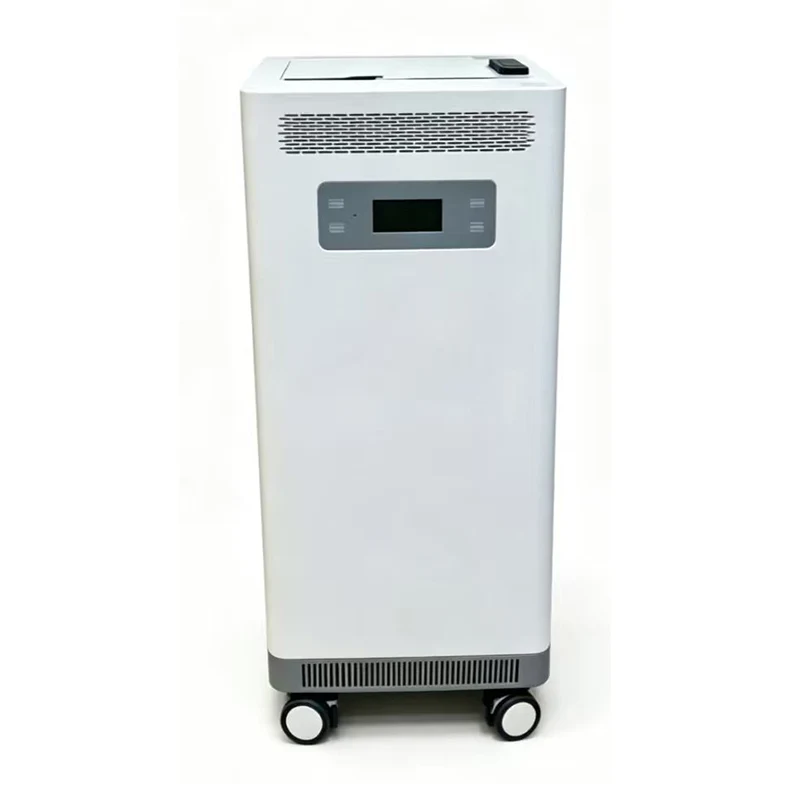
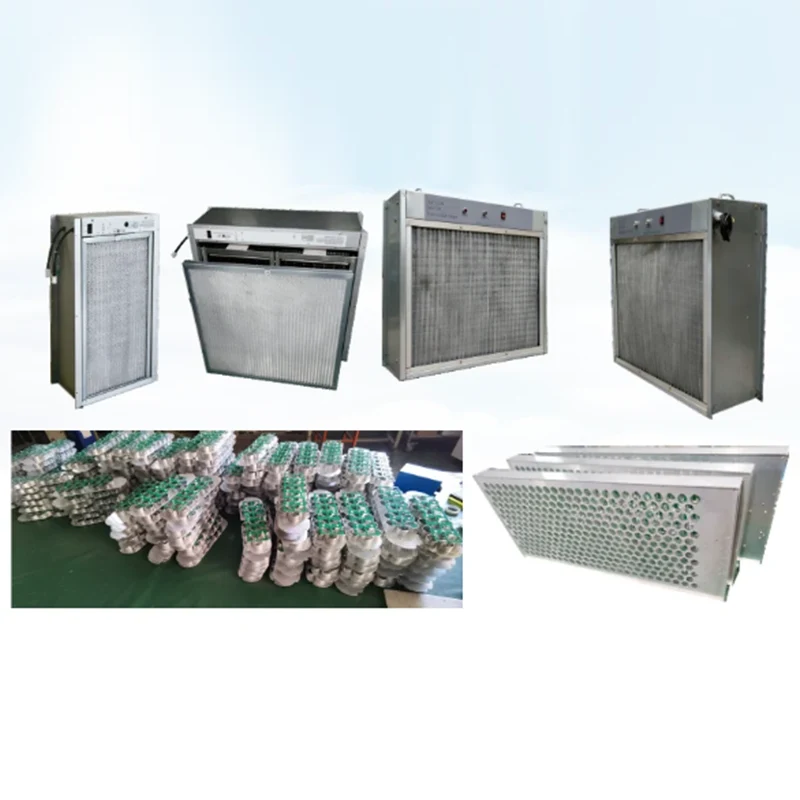
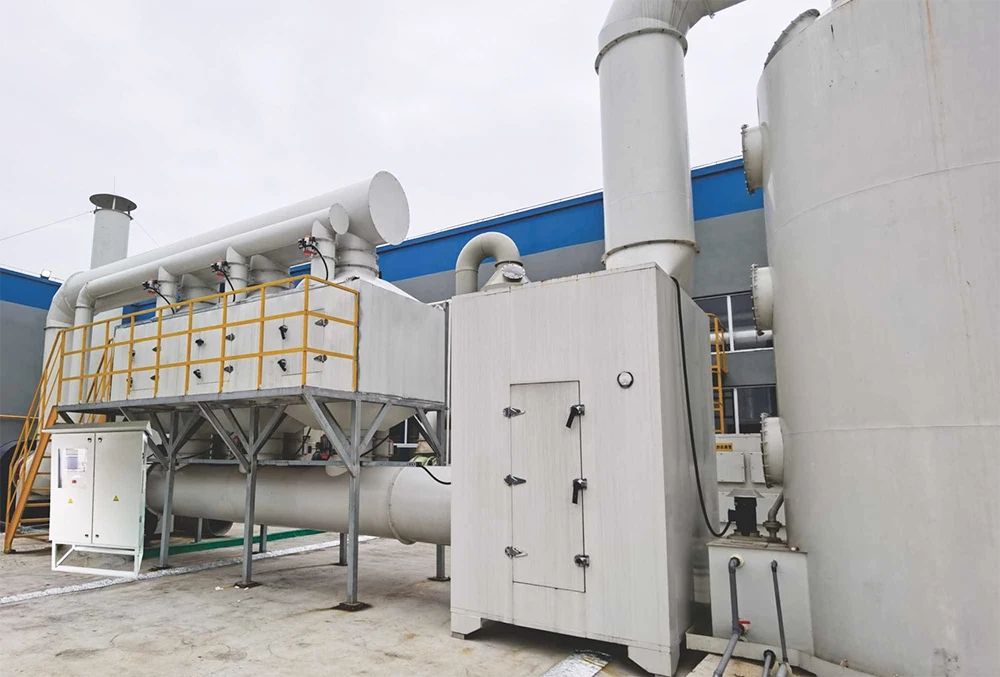
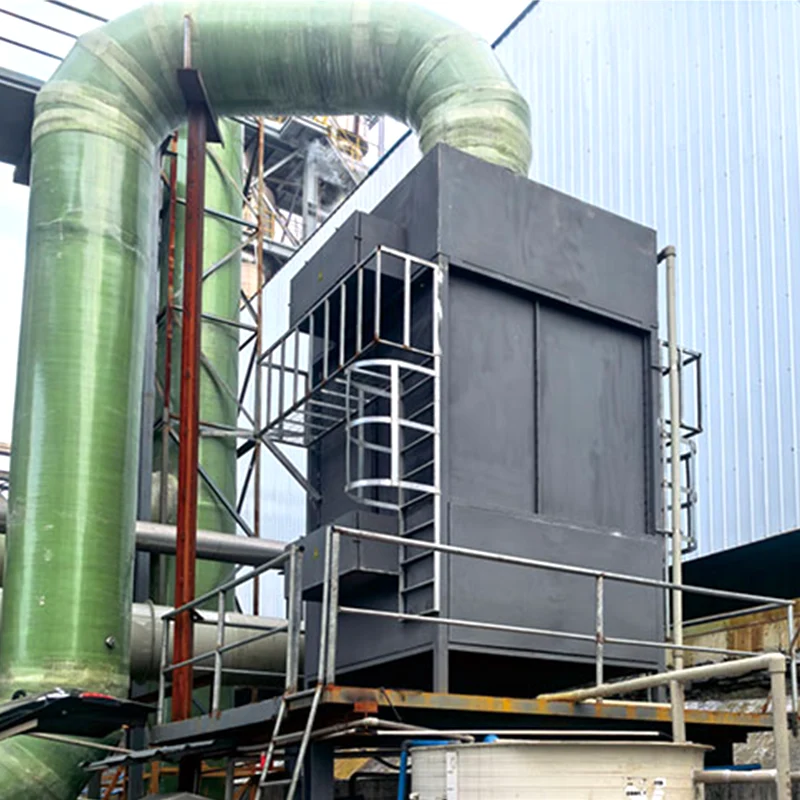
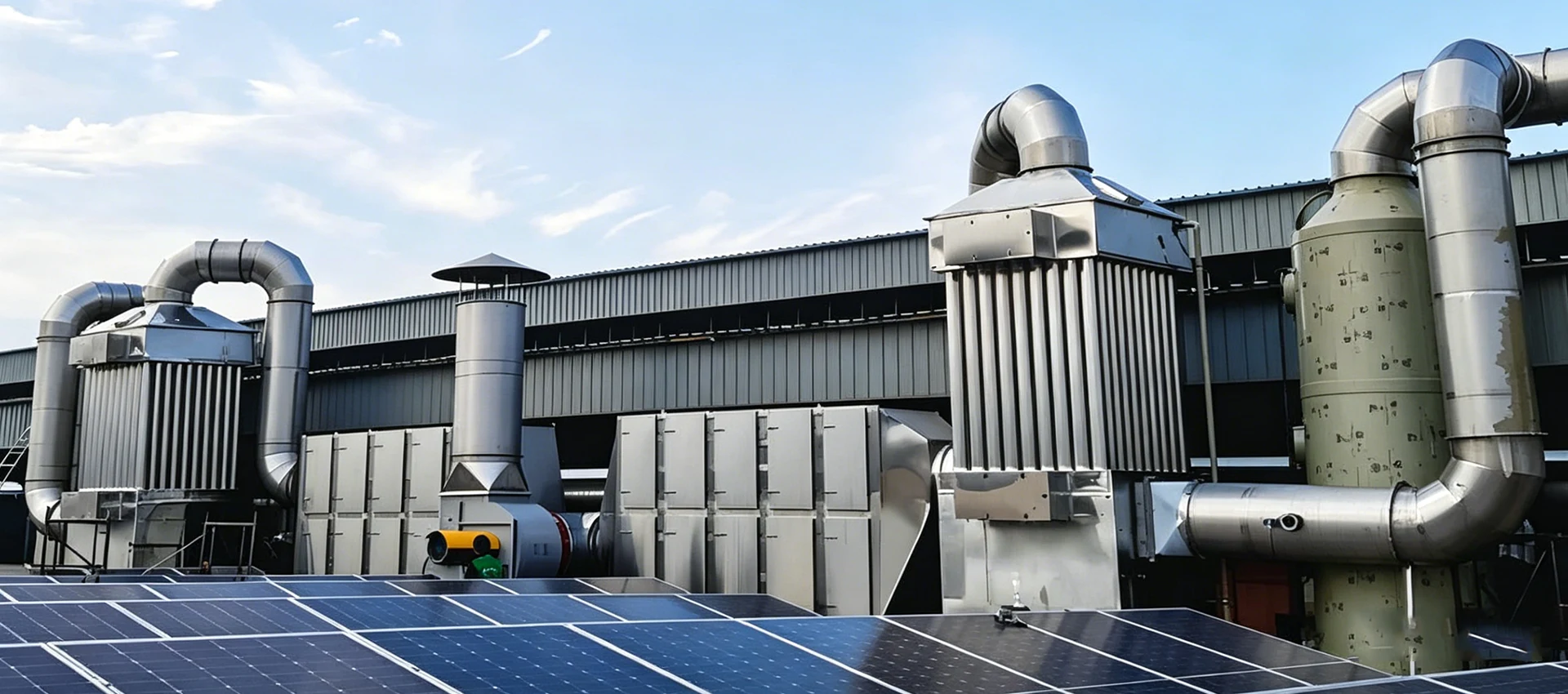
The treatment of photovoltaic organic waste gas mainly adopts the combination process of "adsorption concentration+catalytic combustion" or "zeolite wheel+RTO" to efficiently remove VOCs pollutants such as non methane total hydrocarbons and organic solvent volatiles produced by EVA pyrolysis.
Sources and characteristics of photovoltaic organic waste gas
Main sources: Heating decomposition of EVA (ethylene vinyl acetate copolymer) in the component lamination process, and organic solvent volatilization (such as isopropanol, acetone, benzene derivatives, etc.) in the screen printing process.
Typical features:
High air volume and low concentration: The workshop has a large ventilation volume, and the VOCs concentration is usually between 100-800mg/m ³.
Complex composition: containing various volatile organic compounds, some of which are carcinogenic (such as benzene and toluene).
Intermittent emissions: fluctuate with the production rhythm and require high equipment stability.
high air volume, low concentration organic waste gas (such as lamination and coating processes).
Working principle:
The zeolite wheel adsorbs VOCs through molecular sieves and concentrates the exhaust gas 10-20 times;
High concentration gas enters the RTO (Regenerative Thermal Oxidizer) and is completely oxidized to CO ₂ and H ₂ O at high temperatures above 850 ℃.
Advantages:
The heat recovery rate is ≥ 95%, and the system can sustain operation with significant energy savings;
The removal efficiency is over 99%, meeting the ultra-low emission standards.
Case application: After adopting this technology, a leading photovoltaic enterprise achieved a removal rate of over 99% for non methane total hydrocarbons and reduced operating costs by 40% compared to traditional catalytic combustion.
Enterprises with small to medium air volume, low to medium concentration exhaust gas, and limited investment budget.
Working principle:
Activated carbon adsorbs organic matter, and after saturation, it is regenerated through hot air desorption;
The high concentration exhaust gas desorbed enters RCO and undergoes low-temperature catalytic oxidation at 280-320 ℃.
Advantages:
Low initial investment, suitable for small and medium-sized enterprises;
No open flame combustion, high safety, avoiding secondary pollution of NOx.
Upgrade direction: Using activated carbon fiber material, the adsorption capacity is increased by 20-40 times, and the regeneration time is shortened to 10-15 minutes.
Applicable scenarios: high boiling point, high-value organic solvent recovery (such as NMP, PGMEA).
Process: First, the liquid solvent is recovered through cryogenic condensation, and then the residual gas is adsorbed or burned.
Value point: Achieve resource reuse and reduce raw material costs.
Key points of system design
Front end preprocessing: Set up filters to remove dust and particulate matter, preventing clogging of adsorbent materials.
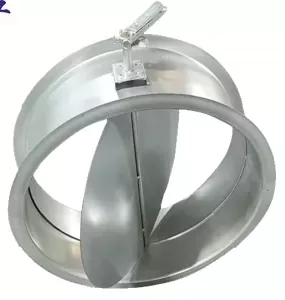
Safety protection: equipped with LEL concentration monitoring, explosion-proof fans, pressure relief valves, etc., to prevent the risk of combustion and explosion.
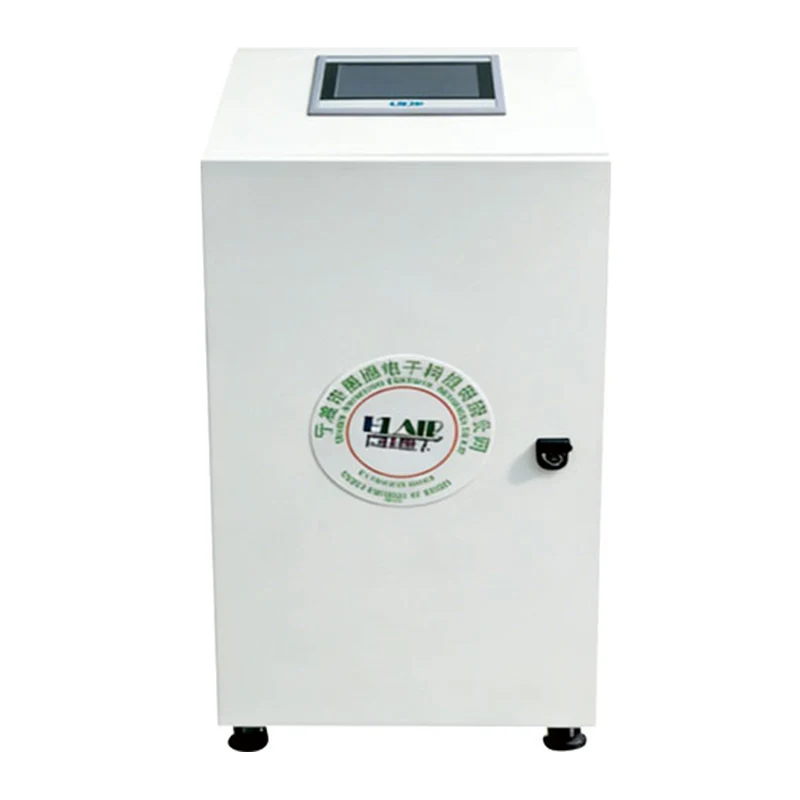
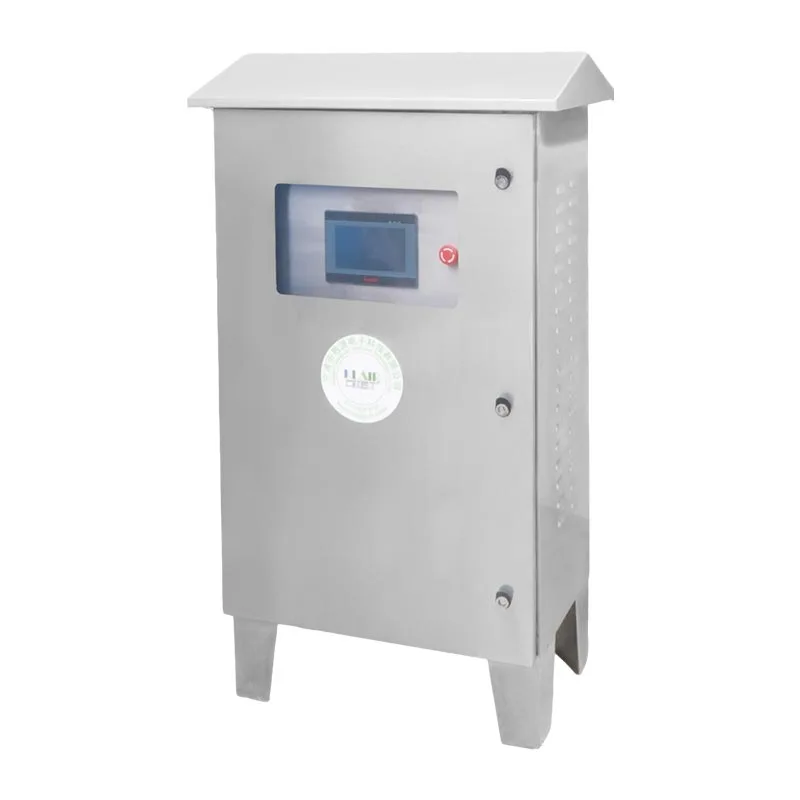
Intelligent control: Integrated PLC automatic control system, dynamically adjusts operating parameters based on exhaust gas concentration, saving energy and reducing consumption.
Compliant emissions: It must comply with the "Unorganized Emission Control Standards for Volatile Organic Compounds" (GB 37822-2019) and local special emission limit requirements.
We use cookies to offer you a better browsing experience, analyze site traffic and personalize content. By using this site, you agree to our use of cookies. Privacy Policy