How Does Air Pollution Control Equipment Improve Industrial Air Quality?
Article Summary
Industrial activities such as manufacturing, chemical processing, power generation, and material handling often release dust, fumes, gases, and other airborne pollutants. Without effective treatment solutions, these emissions can affect worker safety, production efficiency, equipment lifespan, and environmental compliance. Air Pollution Control Equipment provides a reliable approach to capturing, filtering, and treating harmful pollutants before they enter the atmosphere.
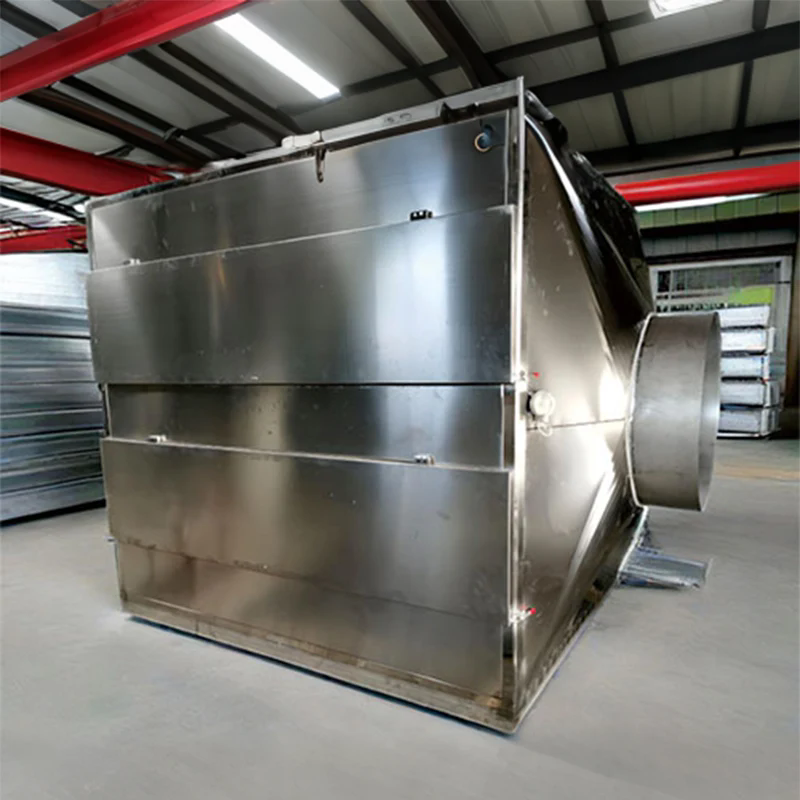
This article explains how Air Pollution Control Equipment works, why industries need advanced air treatment systems, what challenges companies face when controlling emissions, and how professional solutions from DeFa Environmental Equipment (Ningbo) Co., Ltd. help businesses achieve cleaner and safer industrial environments.
Table of Contents
- 1. What Is Air Pollution Control Equipment?
- 2. Why Do Industries Need Air Pollution Control Equipment?
- 3. How Does Air Pollution Control Equipment Work?
- 4. Main Types of Air Pollution Control Equipment
- 5. How to Choose the Right Air Pollution Control System
- 6. Key Benefits of Using Advanced Air Pollution Control Equipment
- 7. Why Choose DeFa Environmental Equipment (Ningbo) Co., Ltd.
- 8. Frequently Asked Questions
1. What Is Air Pollution Control Equipment?
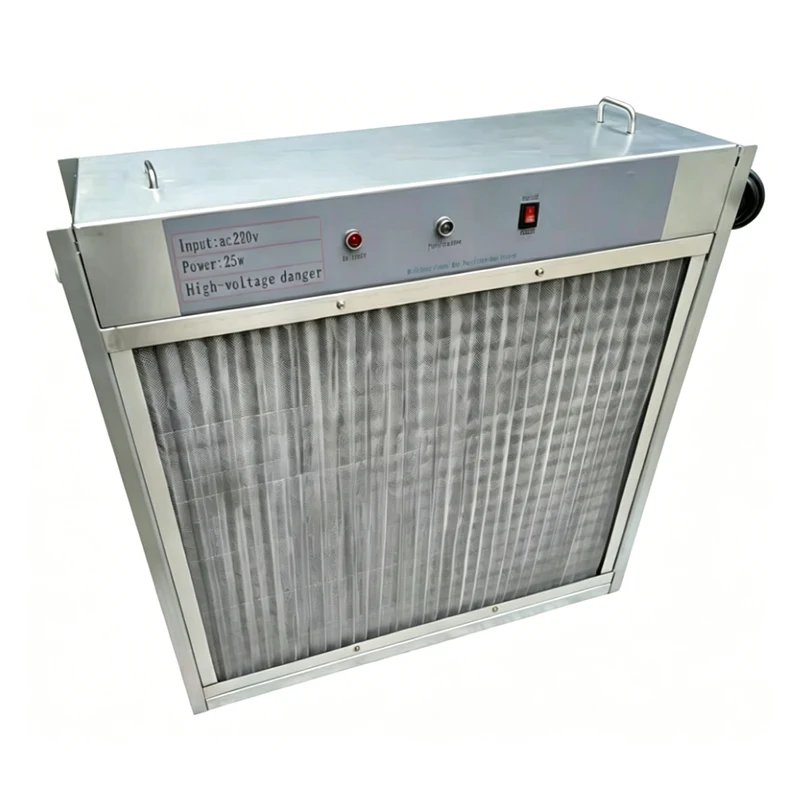
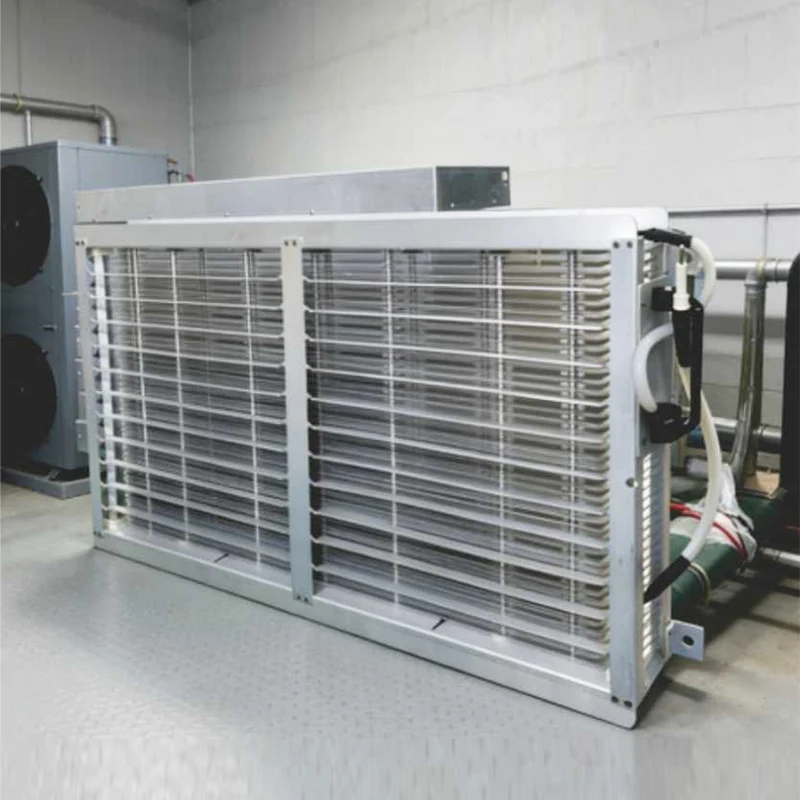
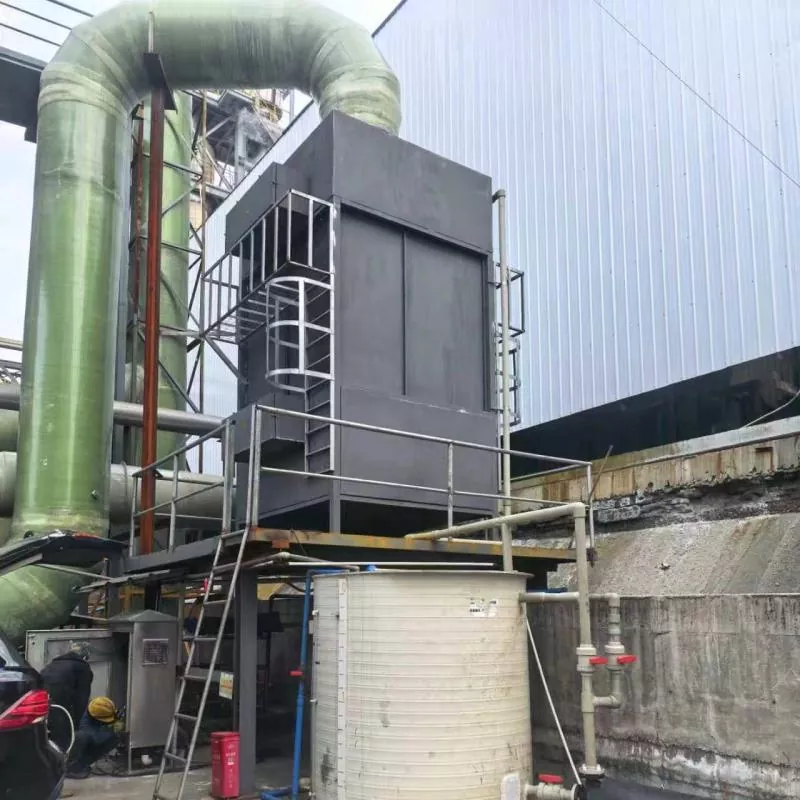
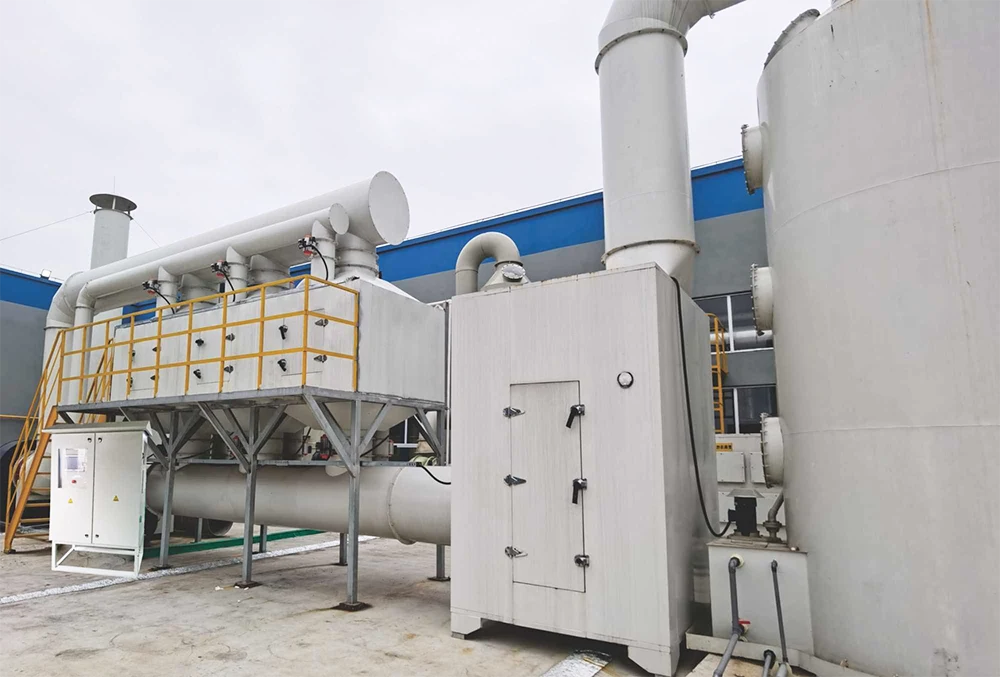
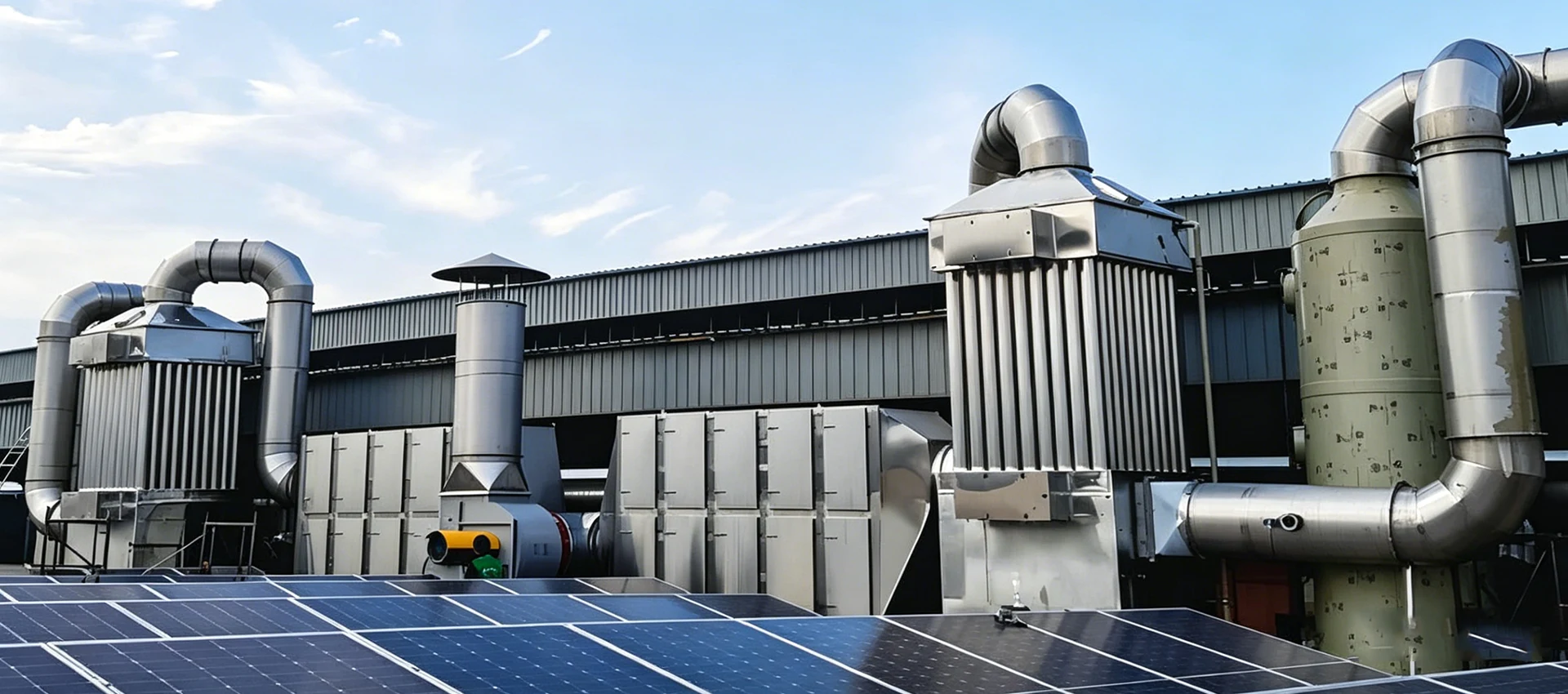
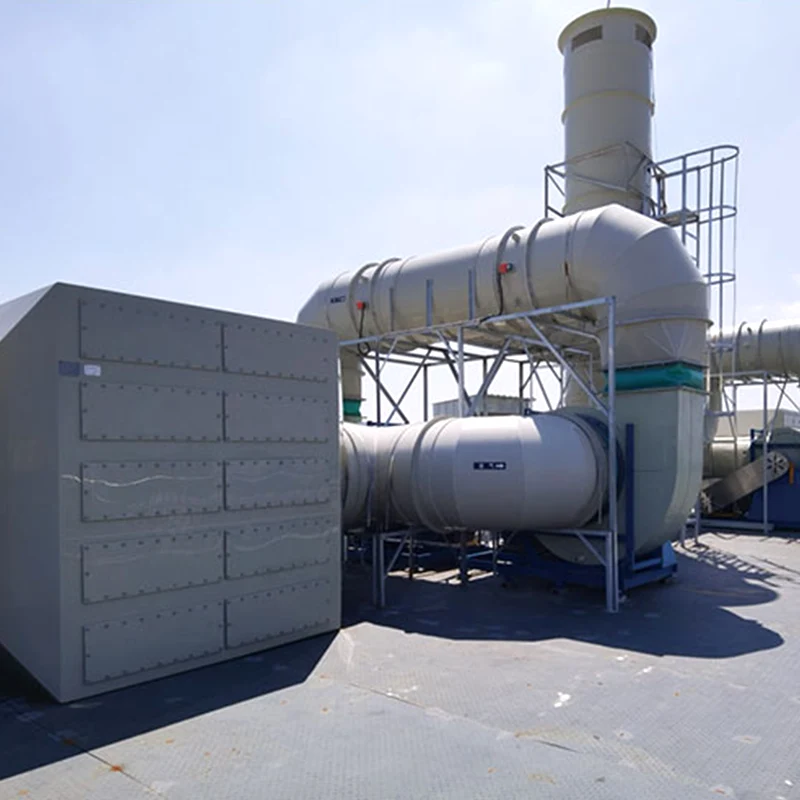
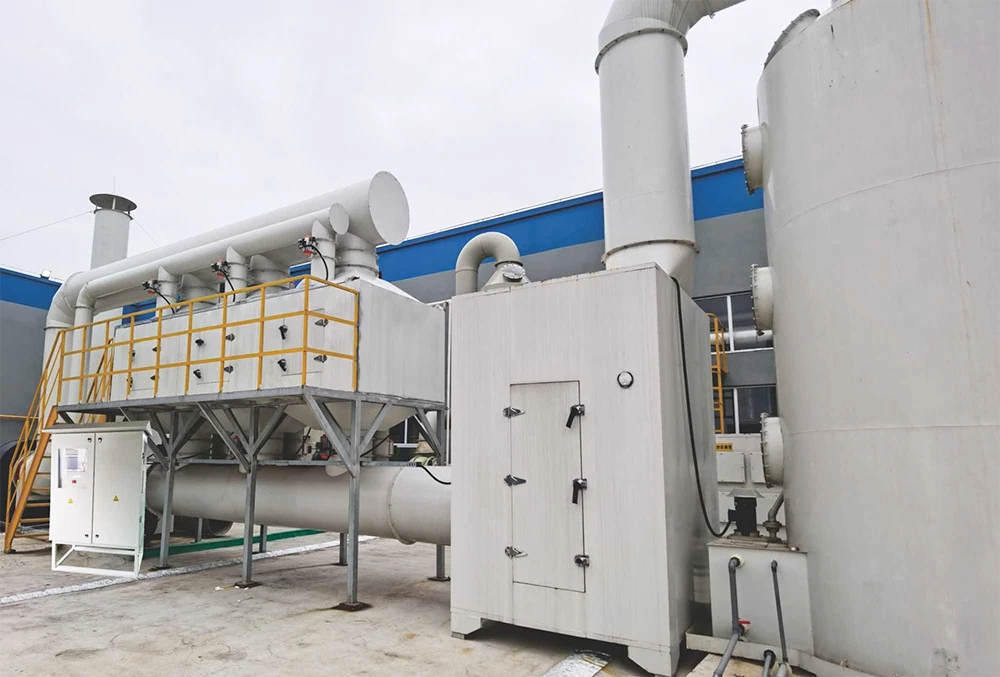
Air Pollution Control Equipment refers to a wide range of industrial systems designed to remove, reduce, or neutralize pollutants generated during production processes. These systems are widely used in factories, power plants, chemical facilities, metal processing plants, pharmaceutical factories, and many other industrial environments.
The main purpose of these systems is to control airborne contaminants, including particulate matter, smoke, volatile organic compounds (VOCs), toxic gases, and industrial odors. By applying different filtration and treatment technologies, companies can reduce emissions and maintain cleaner workplace conditions.
Modern industrial production requires more than simple ventilation. Traditional ventilation systems may only move polluted air from one location to another, while advanced Air Pollution Control Equipment actively captures and processes pollutants before discharge.
2. Why Do Industries Need Air Pollution Control Equipment?
Industrial pollution control has become an essential part of modern manufacturing. Companies face increasing demands for environmental protection, employee health, and sustainable operation. Effective air treatment systems help businesses overcome several common challenges.
| Industrial Challenge | Impact Without Proper Control | Solution Provided by Air Pollution Control Equipment |
|---|---|---|
| Dust and particulate emissions | Reduced air quality, equipment contamination, health risks | Advanced filtration captures airborne particles efficiently |
| Industrial fumes and gases | Unpleasant odors and harmful workplace conditions | Gas treatment technologies remove or reduce pollutants |
| Environmental compliance requirements | Possible penalties and operational restrictions | Emission control systems support regulatory compliance |
| Production efficiency issues | Machine damage and increased maintenance costs | Cleaner air helps protect industrial equipment |
Without effective pollution control solutions, factories may experience higher operating costs and increased risks. Installing suitable Air Pollution Control Equipment allows companies to create a healthier production environment while supporting long-term business development.
3. How Does Air Pollution Control Equipment Work?
The working principle of Air Pollution Control Equipment depends on the type of pollutants being treated and the industrial application. Most systems follow a multi-stage process to achieve efficient air purification.
- Air Collection: Polluted air is captured from production areas through hoods, ducts, and collection systems.
- Pollutant Separation: Filters, separators, or treatment units remove dust particles, fumes, and harmful substances from the airflow.
- Air Treatment: Advanced technologies such as adsorption, filtration, oxidation, or chemical treatment further improve air quality.
- Clean Air Discharge: Treated air is released safely after meeting required emission standards.
The efficiency of an air pollution control system depends on factors such as pollutant characteristics, airflow volume, temperature, humidity, and required treatment standards. A customized solution is often necessary because different industries generate different types of emissions.
4. Main Types of Air Pollution Control Equipment
Different industrial environments require different pollution control technologies. The most common equipment categories include:
| Equipment Type | Main Function | Typical Applications |
|---|---|---|
| Dust Collectors | Capture solid particles and industrial dust | Metal processing, woodworking, manufacturing |
| Bag Filter Systems | High-efficiency particle filtration | Cement, chemical, mining industries |
| Activated Carbon Systems | Remove odors and VOCs through adsorption | Painting, printing, chemical production |
| Wet Scrubbers | Remove gases and soluble pollutants | Chemical and exhaust treatment applications |
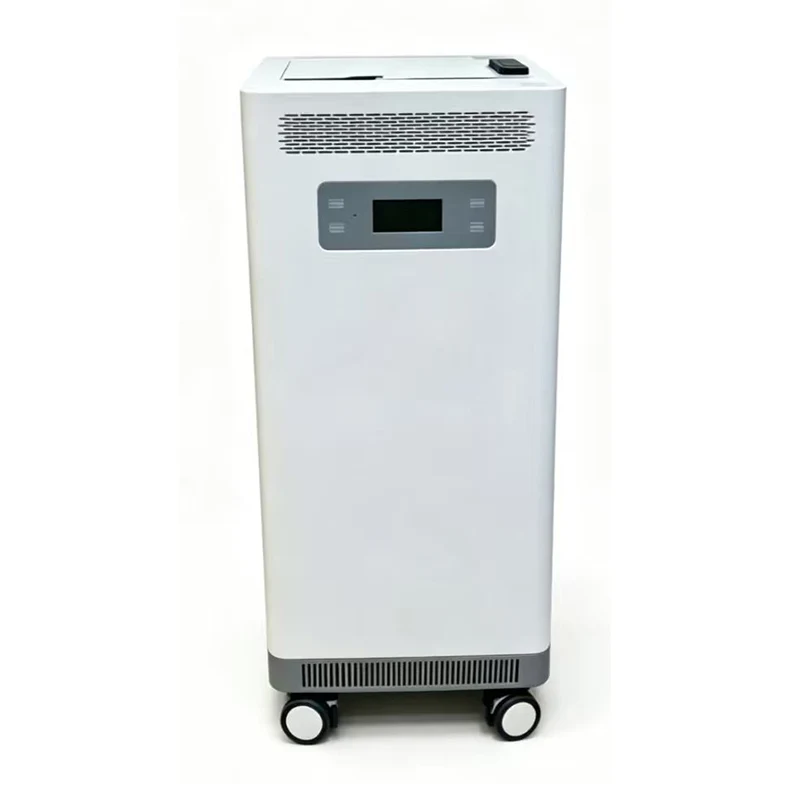
| Industrial Air Purifiers | Improve indoor air quality | Factories and workshops |
Selecting the correct equipment requires a detailed understanding of emission sources and operating conditions. A poorly matched system may increase energy consumption while failing to achieve the expected treatment results.
5. How to Choose the Right Air Pollution Control System
Choosing suitable Air Pollution Control Equipment requires careful evaluation of several technical factors. Companies should consider the following points before investing in a pollution control solution.
- Identify Pollutant Types: Determine whether emissions contain dust, oil mist, VOCs, chemical gases, or other contaminants.
- Analyze Airflow Requirements: Calculate the required air volume to ensure efficient collection and treatment.
- Consider Operating Conditions: Temperature, humidity, production processes, and space limitations affect equipment selection.
- Evaluate Maintenance Needs: Choose systems that allow convenient inspection, cleaning, and replacement of components.
- Focus on Energy Efficiency: Efficient equipment reduces long-term operating expenses.
Professional manufacturers can help companies design customized systems based on specific industrial requirements rather than applying a standard solution to every application.
6. Key Benefits of Using Advanced Air Pollution Control Equipment
Installing reliable pollution control equipment provides multiple advantages for industrial companies.
- Improved Workplace Safety: Cleaner air reduces employee exposure to harmful substances.
- Better Environmental Performance: Effective emission control reduces industrial impact on surrounding areas.
- Enhanced Equipment Protection: Removing airborne contaminants helps prevent corrosion and contamination of machinery.
- Higher Production Efficiency: A cleaner working environment supports stable manufacturing operations.
- Lower Long-Term Costs: Proper pollution control reduces maintenance expenses and potential compliance risks.
For companies looking to achieve sustainable industrial development, Air Pollution Control Equipment is not only an environmental investment but also an important operational improvement.
7. Why Choose DeFa Environmental Equipment (Ningbo) Co., Ltd.
DeFa Environmental Equipment (Ningbo) Co., Ltd. specializes in providing professional environmental protection equipment and customized air pollution control solutions for industrial applications.
With experience in industrial air treatment technologies, the company focuses on helping customers solve complex emission challenges through reliable equipment design, efficient treatment methods, and practical engineering solutions.
DeFa Environmental Equipment (Ningbo) Co., Ltd. understands that every production environment has different requirements. Therefore, solutions are developed according to factors such as pollution source characteristics, factory conditions, airflow requirements, and customer operation goals.
By combining technical expertise with customer-focused service, DeFa helps industries improve air quality, reduce environmental impact, and create safer workplaces.
8. Important Factors for Maintaining Air Pollution Control Equipment
| Maintenance Item | Recommended Action |
|---|---|
| Filter inspection | Regularly check filter conditions and replace damaged components |
| Duct cleaning | Remove accumulated dust to maintain airflow efficiency |
| System performance testing | Monitor pressure, airflow, and treatment efficiency |
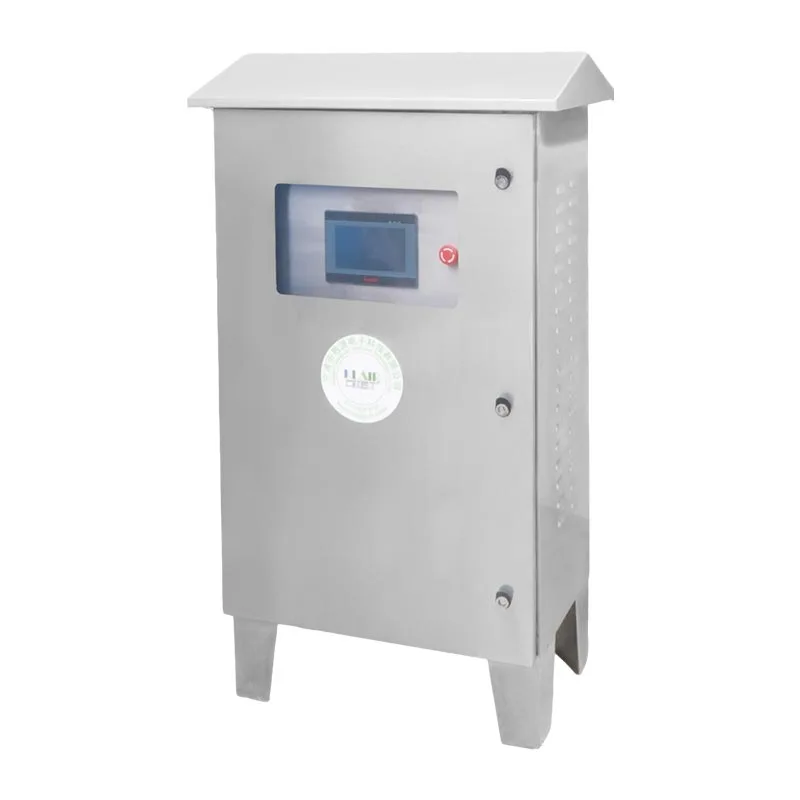
| Component inspection | Check fans, motors, and electrical systems regularly |
Regular maintenance ensures stable operation and extends equipment service life. A well-maintained pollution control system can continue providing efficient air treatment performance for many years.
Frequently Asked Questions
Q1: What pollutants can Air Pollution Control Equipment remove?
Air Pollution Control Equipment can remove many types of industrial pollutants, including dust particles, smoke, fumes, odors, VOCs, and certain harmful gases depending on the selected technology.
Q2: Is Air Pollution Control Equipment suitable for small factories?
Yes. Air pollution control systems can be customized for different production scales. Small workshops and large industrial plants can both benefit from properly designed solutions.
Q3: How often does pollution control equipment require maintenance?
Maintenance frequency depends on operating conditions, pollutant concentration, and equipment type. Regular inspections help maintain stable performance.
Q4: Can Air Pollution Control Equipment be customized?
Yes. Professional manufacturers can design customized systems according to emission characteristics, factory layout, airflow requirements, and environmental standards.
Q5: Why is professional equipment selection important?
Incorrect equipment selection may lead to insufficient purification performance or unnecessary energy consumption. Professional evaluation helps ensure the system meets actual industrial needs.
Conclusion
Air Pollution Control Equipment plays a vital role in modern industrial production by reducing emissions, protecting employees, improving operational efficiency, and supporting environmental responsibility. As industries continue to focus on cleaner production methods, reliable air treatment systems become increasingly important.
DeFa Environmental Equipment (Ningbo) Co., Ltd. provides customized air pollution control solutions designed to meet different industrial challenges. Whether your company needs dust removal, gas treatment, or comprehensive air purification solutions, professional support can help achieve better results.
For more information about advanced Air Pollution Control Equipment solutions and customized environmental protection systems, please contact us today. DeFa Environmental Equipment (Ningbo) Co., Ltd. is ready to provide professional assistance and help your business build a cleaner, safer, and more sustainable future.
Related News
- How Can an Intelligent Purification Power Supply and Control System Assembly Transform Industrial Air Pollution Control
- How Can a DC High Voltage Module Improve Compact Air Purification and Ionization Systems
- How Can a Rectangular Air Volume Control Damper Improve HVAC Airflow Management
- Zeolite Rotor Concentrator + RTO: How the Combined VOC System Works
- RTO vs Catalytic Oxidizer: Which VOC Control System Fits Your Process?
- Industrial VOC Treatment System Cost: How to Compare CAPEX, OPEX and Lifecycle Value
Leave me a message