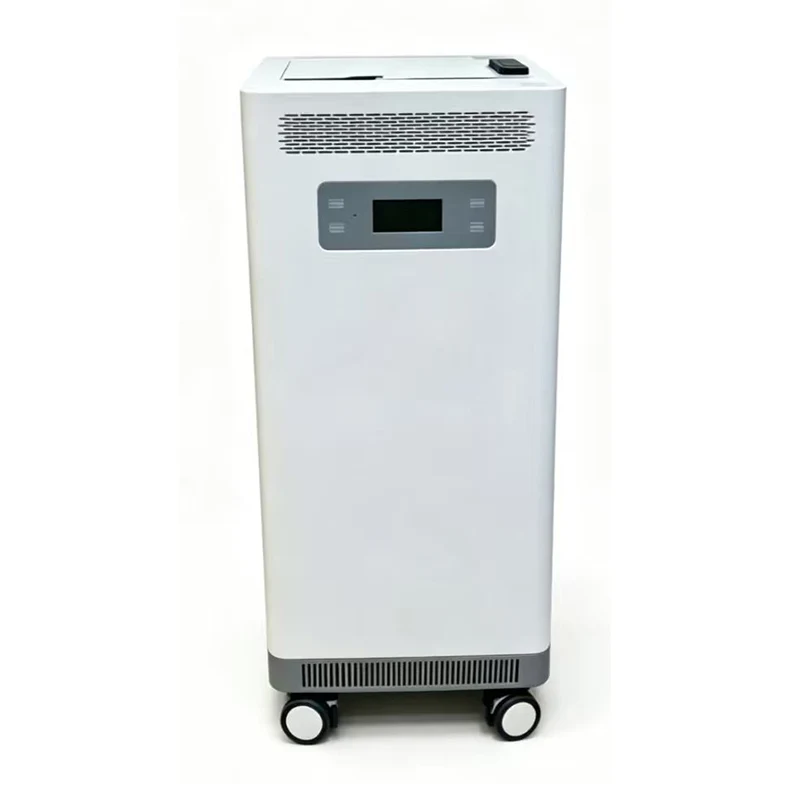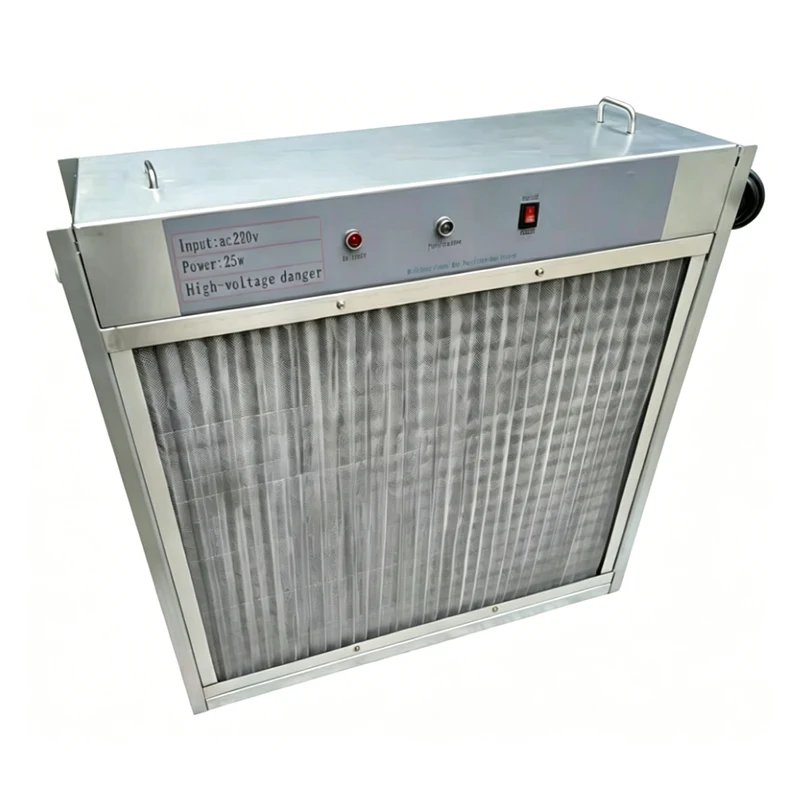
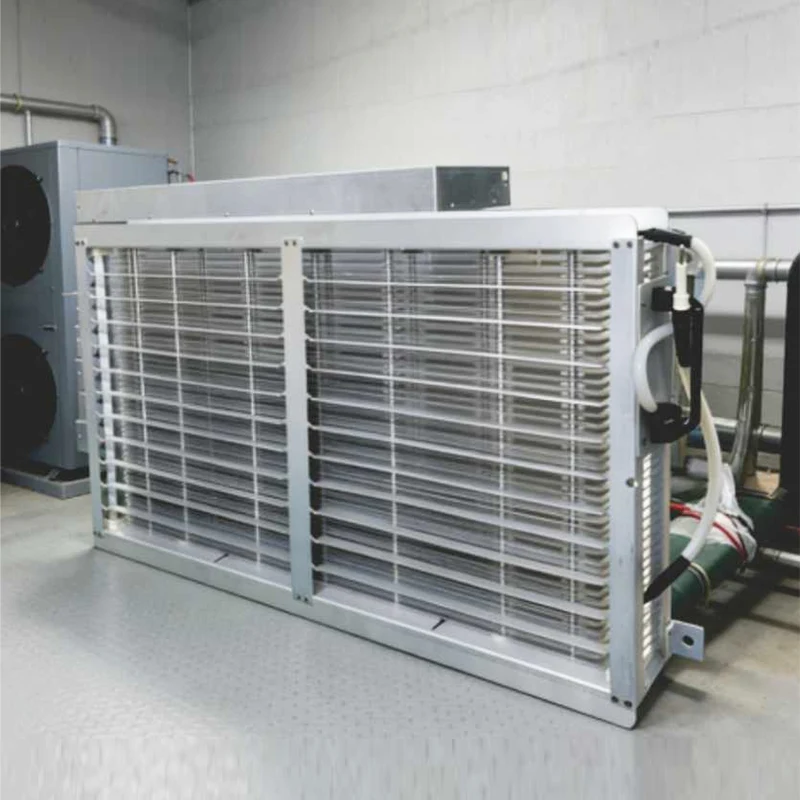
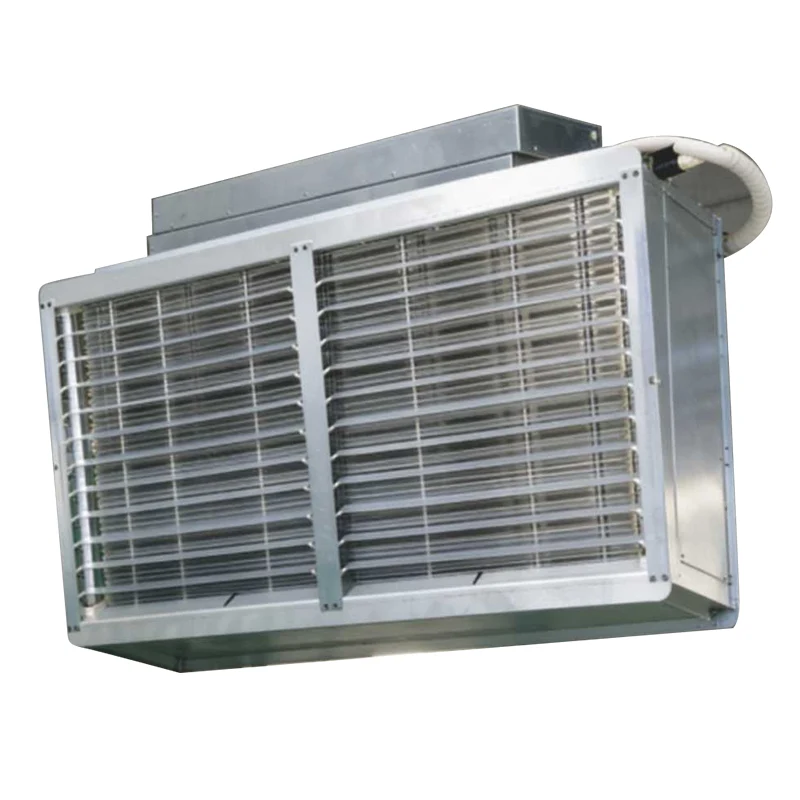
Air Purification Module for Buses, Subways and Public Space
Defaee excels in vehicle-specific air purification solutions with strong vibration resistance and stable long-term operation. As a professional manufacturer and supplier, it provides the Air Purification Module for Buses, Subways and Public Space. It removes 99.99% of bacteria and viruses, cuts PM2.5 to safe levels, runs on low power, and creates healthier cabin environments for public transit passengers and drivers.
Buses, subways, and coaches form the backbone of urban public transportation networks, operating as high-frequency passenger carriers with uniquely challenging environmental conditions: dense human occupancy, confined spaces, and limited natural ventilation. Pollutants from passenger respiration, bodily metabolism, external road dust, and vehicle equipment operation frequently cause elevated concentrations of PM2.5, bacteria, viruses, odors, and VOCs (Volatile Organic Compounds) inside cabins, directly threatening the health of drivers and passengers.
Air Purification Module for Buses, Subways and Public Space are integrated, vehicle-specific purification systems engineered to withstand the demanding conditions of public transit. They efficiently purify cabin air, creating mobile healthy spaces and have become standard equipment in modern public transportation systems worldwide.
1. Public Transport Cabin Air Pollution Challenges
1.1 Key Pollutants and Health Risks
Cabin air pollution in public transit originates from multiple sources, with four primary categories posing significant health hazards:
Particulate Matter (PM2.5/PM10): Primarily from external road dust, brake wear particles, and passenger clothing fibers. Concentrations typically range from 80-150μg/m³—more than four times the indoor air quality standard of 35μg/m³. These fine particles penetrate deep into the respiratory system, triggering asthma, bronchitis, and other respiratory diseases.
Microorganisms (Bacteria/Viruses): High passenger density creates ideal conditions for airborne and contact transmission. Bacterial concentrations can reach 500-2000CFU/m³, with influenza viruses, coronaviruses, and other pathogens easily spreading in confined spaces, leading to cross-infection outbreaks.
Harmful Gases and Odors: Human metabolism produces CO₂ (concentrations often spike to 800-2500ppm), sweat, and body odors. Additional contaminants include mold odors from air conditioning systems and VOCs released by fuel/electric vehicle components, causing dizziness, drowsiness, and respiratory discomfort.
Other Pollutants: Ozone, formaldehyde, and secondhand smoke residues cause long-term damage to the nervous and respiratory systems with chronic exposure.
1.2 Why Dedicated Purification Modules Are Indispensable
Traditional vehicle air conditioning systems only provide ventilation and temperature control, lacking the ability to filter fine particulates or neutralize microorganisms. Moreover, their reliance on external air exchange introduces outdoor pollutants and is impractical during high-speed travel, inclement weather, or underground subway operation.
Dedicated air purification modules address these limitations with vehicle-specific designs featuring compact size, vibration resistance, low energy consumption, and high purification efficiency. They can be integrated into air conditioning ducts or installed independently, delivering combined ventilation and purification capabilities—the only comprehensive solution to cabin air pollution in public transit.
2. Core Purification Technologies and Operating Principles
Modern public transit purification modules employ composite purification technologies that integrate physical filtration, electrostatic adsorption, photocatalysis, and low-temperature plasma to achieve all-in-one dust removal, sterilization, odor elimination, and VOC degradation.
2.1 Multi-Layer Physical Filtration
The foundational purification unit uses a three-stage filtration structure optimized for high-airflow, high-dust vehicle environments:
· Pre-filter: Stainless steel mesh or polyester fiber captures hair and large particles (≥10μm). Washable and reusable to reduce maintenance costs.
· Intermediate filter: Activated carbon fiber or non-woven fabric filters PM2.5-PM10 particles while adsorbing odors and VOCs. Designed with a maximum thickness of 50mm to fit compact vehicle spaces.
· HEPA filter: H13/H14 grade glass fiber paper achieves 99.97% efficiency for particles as small as 0.3μm. This critical barrier intercepts bacteria and viruses attached to aerosols, forming the first line of defense against microbial transmission.
2.2 Electrostatic Adsorption and Ionization Technologies
These technologies combine high-efficiency dust removal with sterilization while offering low airflow resistance and minimal energy consumption:
· IFD (Intense Field Dielectric) Electrostatic Precipitation: High-voltage electric fields charge airborne particles, which are then captured by honeycomb microchannels. The strong electric field simultaneously kills bacteria and viruses. With power consumption of only ~12W and 30% lower airflow resistance than traditional filters, it is ideal for high-airflow vehicle applications.
· Low-Temperature Plasma: High-voltage discharge generates large quantities of positive and negative ions and hydroxyl radicals that actively disperse throughout the cabin. These reactive species destroy viral RNA/DNA structures and bacterial cell membranes, achieving 99.99% sterilization efficiency while decomposing odor molecules and VOCs without secondary pollution.
2.3 Photocatalysis and UV Sterilization
· UV Sterilization: UV-C (254nm) or UV-A wavelength ultraviolet light directly damages microbial nucleic acids to kill bacteria and viruses. UV-A technology offers enhanced safety for continuous operation in occupied spaces.
· Photocatalysis (TiO₂): Titanium dioxide coatings on filters or aluminum honeycomb structures generate strong oxidizing free radicals under UV irradiation. These radicals degrade VOCs and mycotoxins, providing long-lasting odor elimination and sterilization.
2.4 Integrated Composite Purification Solutions
Leading purification modules combine multiple technologies for comprehensive performance:
· Duct-integrated modules: Installed within air conditioning return/supply ducts, air flows sequentially through MERV7 pre-filters → GPCO photocatalytic units → plasma modules for simultaneous dust removal, sterilization, and odor elimination without occupying cabin space.
· Ceiling-mounted modules: Independent units installed on cabin ceilings integrate fans, composite filters, and plasma modules for standalone air circulation. Ideal for retrofitting older vehicles.
3. Structural Design and Vehicle-Specific Adaptations
Public transit air purification modules are engineered to withstand the unique challenges of vehicle operation: strong vibrations, wide temperature ranges, limited space, and strict energy constraints.
3.1 Compact Modular Construction
· Space-optimized dimensions: Maximum thickness of 100mm and weight ≤15kg/m² allow installation in air conditioning ducts, cabin ceilings, or under seats without compromising passenger space or equipment accessibility.
· Tool-free maintenance: Quick-release buckle design enables filter replacement or module removal in under 5 minutes, aligning with the fast-paced maintenance requirements of public transit fleets.
· Durable materials: Flame-retardant ABS or aluminum alloy housings provide shock resistance, moisture protection, and corrosion resistance, operating reliably across a -20°C to 60°C temperature range.
3.2 Vibration Resistance and Safety Protection
· Anti-vibration design: Internal components are secured with silicone cushioning to withstand 0.5-2g vibrations from vehicle acceleration, braking, and road bumps, preventing component loosening or damage.
· Electrical safety: 12/24V DC power supply compatible with vehicle electrical systems, with overvoltage, overcurrent, and short-circuit protection. IP54 ingress protection rating ensures dust and water resistance for safe operation.
· Material safety: All purification materials are formaldehyde-free and odorless, meeting strict automotive environmental standards to eliminate secondary pollution risks.
3.3 Intelligent Control and Low-Energy Operation
· Automatic operation: Integrated with vehicle ignition systems for automatic start/stop. Equipped with PM2.5 and CO₂ sensors that automatically adjust fan speed and purification modes (energy-saving/standard/boost) based on real-time air quality.
· Ultra-low energy consumption: Single module power consumption of 10-50W—50% lower than traditional purifiers—minimizing load on vehicle batteries. Quiet fan design ensures operation noise ≤45dB, unnoticeable against background vehicle noise.
· Smart monitoring: Integrated differential pressure sensors and fault alarm modules provide automatic filter clogging alerts. Maintenance data can be wirelessly transmitted to fleet management systems for centralized, intelligent maintenance scheduling.
4. Real-World Applications and Proven Performance
4.1 Bus and Coach Applications
Buses and coaches typically use ceiling-mounted or duct-integrated modules, with 2-4 units per 10-12 meter vehicle:
· Case Study: Over 130 buses in Zhangjiakou, China, were equipped with low-temperature plasma purification modules (4 units per bus). Continuous operation during service achieved 99.99% bacterial and viral inactivation, reduced PM2.5 concentrations from 120μg/m³ to below 35μg/m³, and delivered 80% odor removal efficiency.
4.2 Subway Car Applications
Subway cars, with their highly confined spaces and extreme passenger densities, primarily use duct-integrated modules embedded in air conditioning systems (1-2 sets per car):
· Case Study 1: Beijing Metro Line 14 retrofitted with "pre-filter + electrostatic composite media" modules delivering 600m³/h airflow per car. PM2.5 concentrations were reduced from 98μg/m³ to 42μg/m³, with total bacterial counts decreased by 60%.
· Case Study 2: Shenzhen Metro Lines 1 and 5 implemented "central air conditioning + HEPA + activated carbon" three-stage purification systems, achieving 90% PM2.5 removal and 85% VOC degradation, significantly improving cabin air quality and eliminating persistent odors.
4.3 Verified Purification Performance Data
|
Pollutant Type |
Pre-Purification Concentration |
Post-Purification Concentration |
Purification Efficiency |
|
PM2.5 |
80-150μg/m³ |
≤35μg/m³ |
≥90% |
|
Total Bacteria |
500-2000CFU/m³ |
≤200CFU/m³ |
≥90% |
|
Viruses (Influenza/COVID-19) |
Positive |
Negative |
≥99.99% |
|
CO₂ |
1500-2500ppm |
≤1000ppm |
≥50% |
|
Odors/VOCs |
Non-compliant |
Compliant |
≥80% |
5. Conclusion and Future Outlook
Air purification modules for buses, subways, and coaches have emerged as essential infrastructure for modern public transportation, addressing the critical air quality challenges of confined, high-occupancy spaces. Their vehicle-specific design, comprehensive purification capabilities, intelligent operation, and low maintenance requirements make them the only practical solution for protecting public health during daily commutes.
As public health awareness continues to rise and urban transportation services strive for higher quality standards, these modules will evolve toward greater integration, intelligence, and long-term effectiveness. Future advancements will include AI-powered adaptive purification, self-cleaning technologies, and seamless integration with vehicle telematics systems, further enhancing their performance and value.
By creating cleaner, healthier mobile environments, air purification modules not only improve passenger experience but also play a vital role in reducing the spread of respiratory diseases, enhancing urban public health, and elevating the overall quality of city life.
Hot Tags: Air Purification Module for Buses, Subways and Public Space, Manufacturer, Supplier, Factory
Send Inquiry
Contact Info
-
Address
No. 661 Cangchu Road, Jiangbei District, Ningbo City,ZHEJIANG PROVINCE,CHINA
-
Tel
-
Email
For inquiries about our products or pricelist, please leave your email to us and we will be in touch within 24 hours.