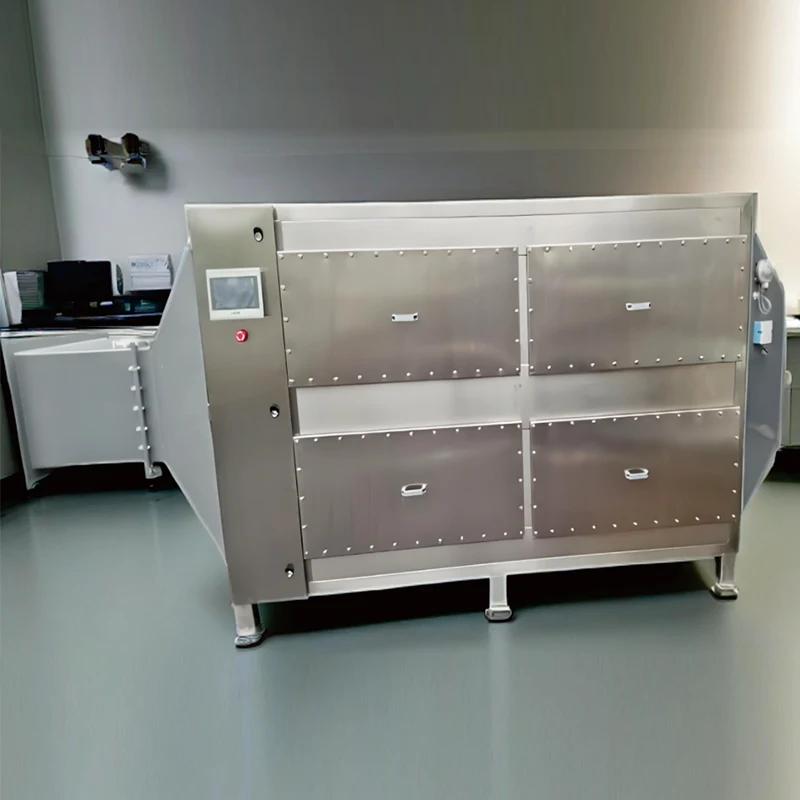
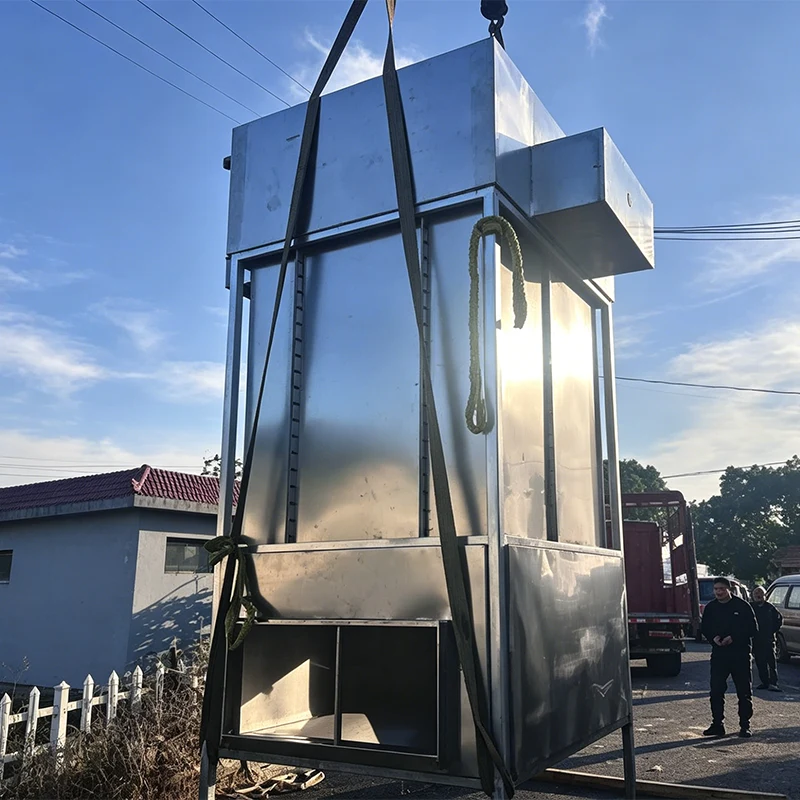
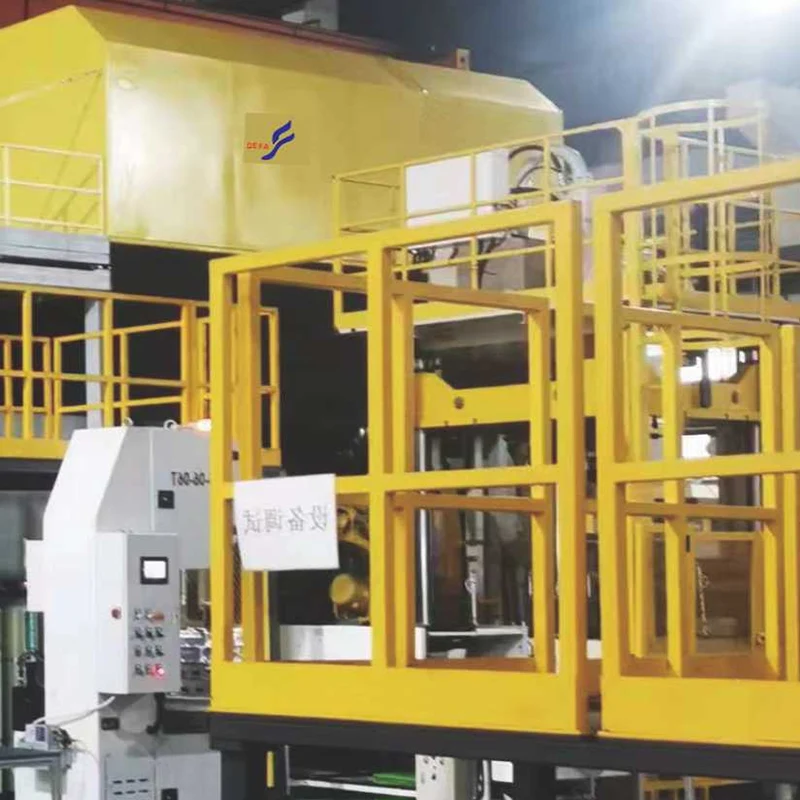
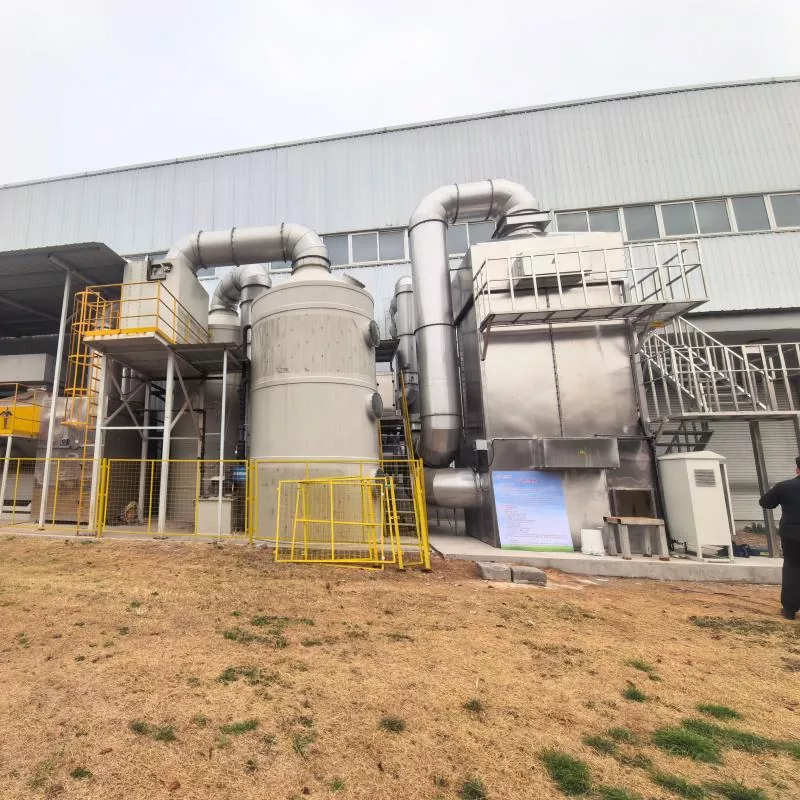
The main components of organic waste gas from the hot forging machine are oil mist, volatile organic compounds (VOCs), particulate matter, and odorous gases. Its treatment requires the use of a "multi-stage purification+combined process" to achieve efficient emission control.
Characteristics of exhaust gas composition in hot forging machine
Oil mist and oil fume: When metal is heated and lubricating oil is used, a large amount of oil fume (particle size 0.1-10 μ m) is generated at high temperatures, which is viscous and flammable.
VOCs: Harmful organic compounds such as benzene, alkanes, and acrolein are generated by the thermal cracking of lubricating oil or coolant.
Particulate matter: containing metal oxide dust and carbon black particles, especially producing "black smoke" phenomenon during forging.
High temperature and humidity: The exhaust gas temperature can reach 200-600 ℃, and the high humidity affects the stability of subsequent equipment operation.
Mainstream governance technology solutions
1. Exhaust gas collection system
Adopting a closed gas collection hood and negative pressure exhaust to ensure a capture efficiency of over 90%.
Equipped with automatic opening and closing doors or flexible sealing enclosures to reduce unorganized emissions.
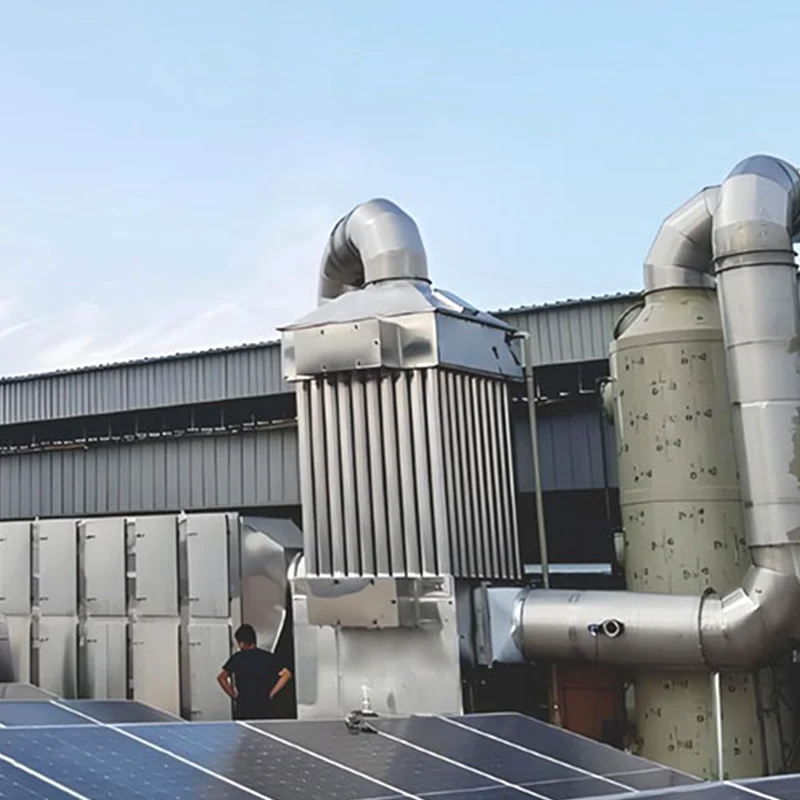
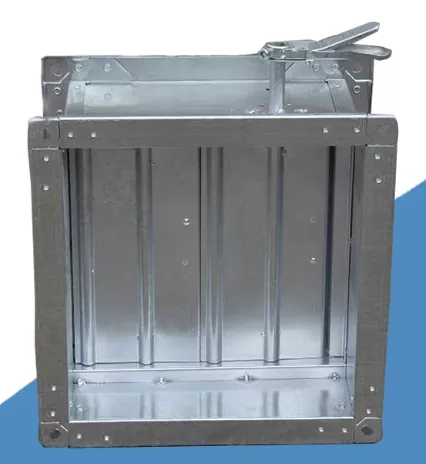
The pipeline is made of high temperature resistant and corrosion-resistant materials (such as stainless steel), and is equipped with inspection ports and fire dampers.
2. Preprocessing stage
Cooling and dehumidification:
Reduce the exhaust gas temperature to below 60 ℃ through spray towers or heat exchangers to prevent damage to purification equipment.
Rough filtration/oil removal:
Use a cyclone separator to remove large oil droplets (>5 μ m);
Wet scrubbers or electrostatic degreasers further remove viscous oil mist and tar.
Safety protection:
Install spark arresters, flame arresters, and CO/temperature linkage cut-off systems to prevent the risk of combustion and explosion.
3. Core purification process
High voltage electrostatic fume purification (ESP): suitable for oil mist and fine particulate matter, with a removal efficiency of ≥ 95%, suitable for 0.1-10 μ m particles, strong anti short circuit ability;
Activated carbon adsorption: suitable for VOCs and odorous gases, with a removal efficiency of ≥ 90%, suitable for low concentration organic waste gas, requiring regular desorption and regeneration;
Catalytic combustion (RCO): suitable for high concentration VOCs, with a removal efficiency of>99%, oxidized to CO ₂ and H ₂ O at low temperatures of 280-320 ℃, energy-saving and efficient;
Photocatalytic oxidation (UV+O3): suitable for residual VOCs and odors, with high removal efficiency and no secondary pollution, often used for deep treatment at the end;
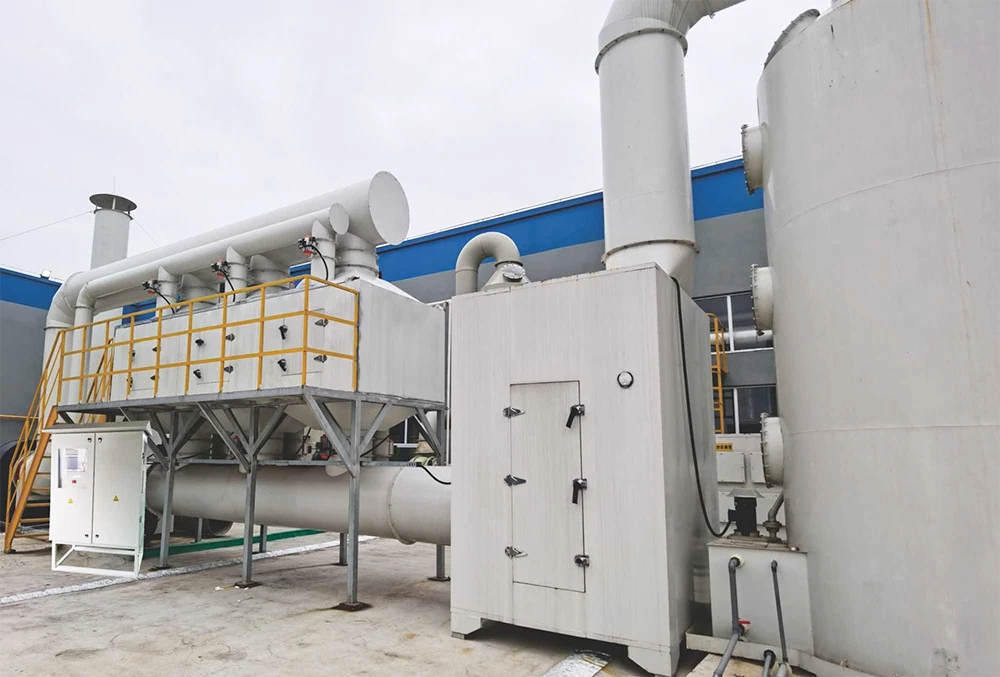
In practical applications, combination processes such as "electrostatic oil removal+activated carbon adsorption+RCO catalytic combustion" or "multi-stage condensation+high-voltage electrostatic+chemical washing" are often used to cope with complex working conditions.
4. Post treatment and emission monitoring
Install online monitoring equipment to detect non methane total hydrocarbons, particulate matter, NOx and other indicators in real time, ensuring compliance with the Comprehensive Emission Standards for Air Pollutants (GB 16297-1996).
The height of the exhaust chimney should meet the requirements of environmental impact assessment to achieve high-altitude diluted emissions.
We use cookies to offer you a better browsing experience, analyze site traffic and personalize content. By using this site, you agree to our use of cookies. Privacy Policy