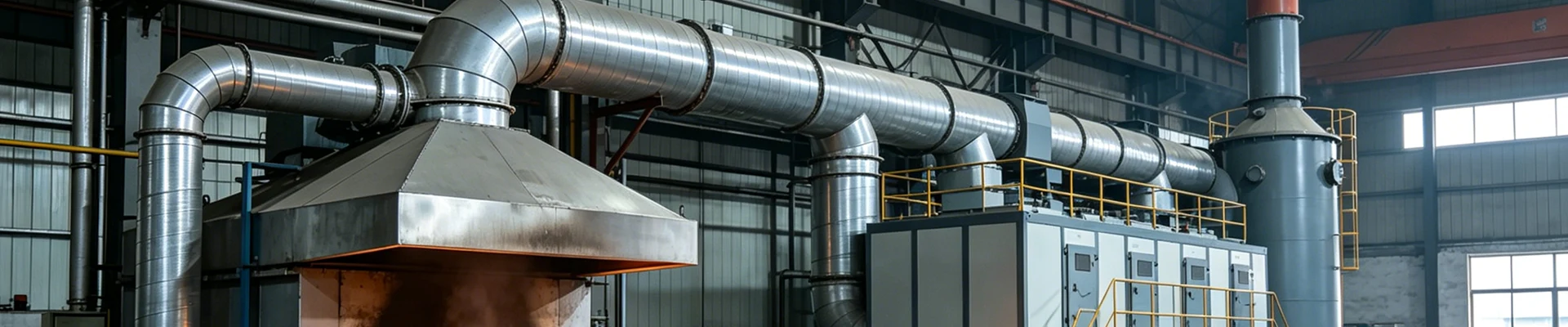
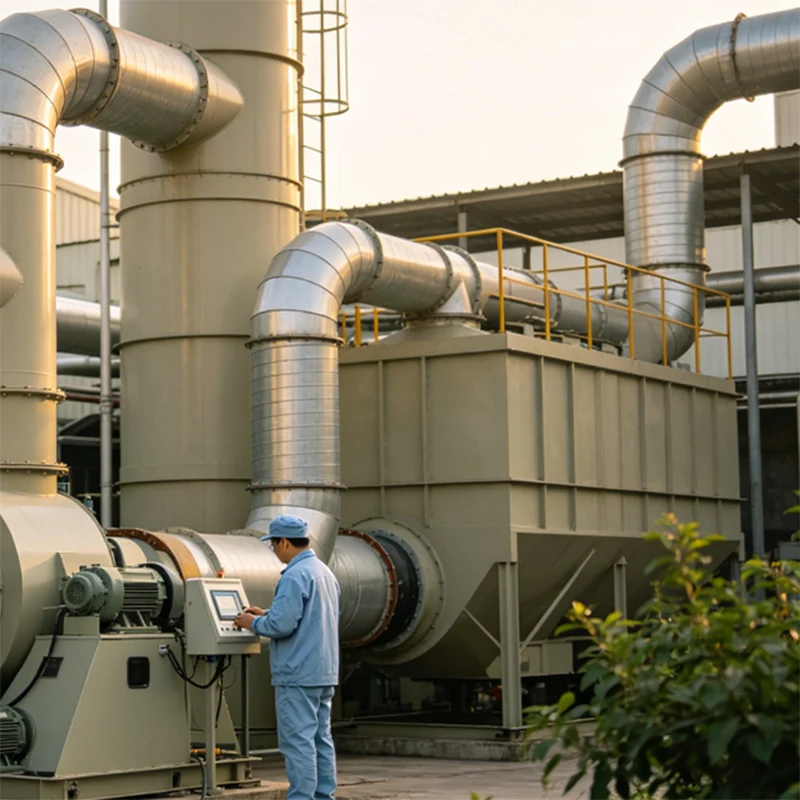
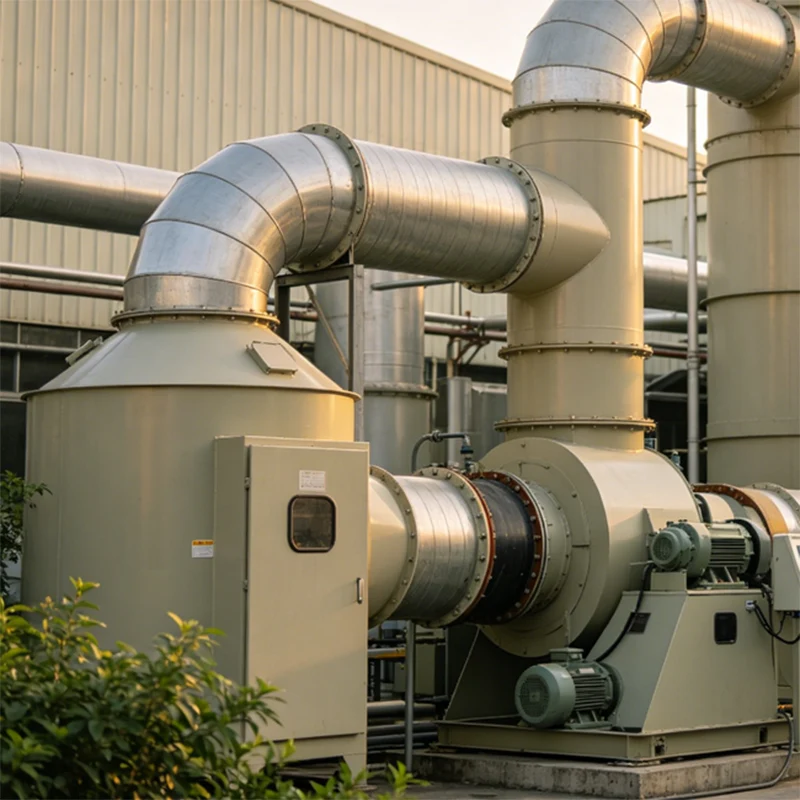
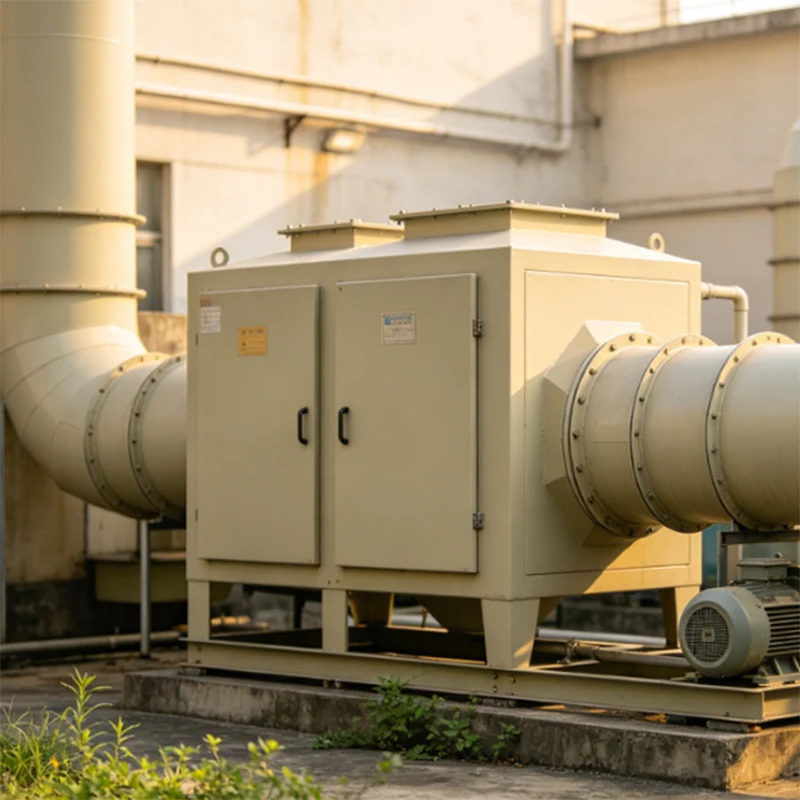
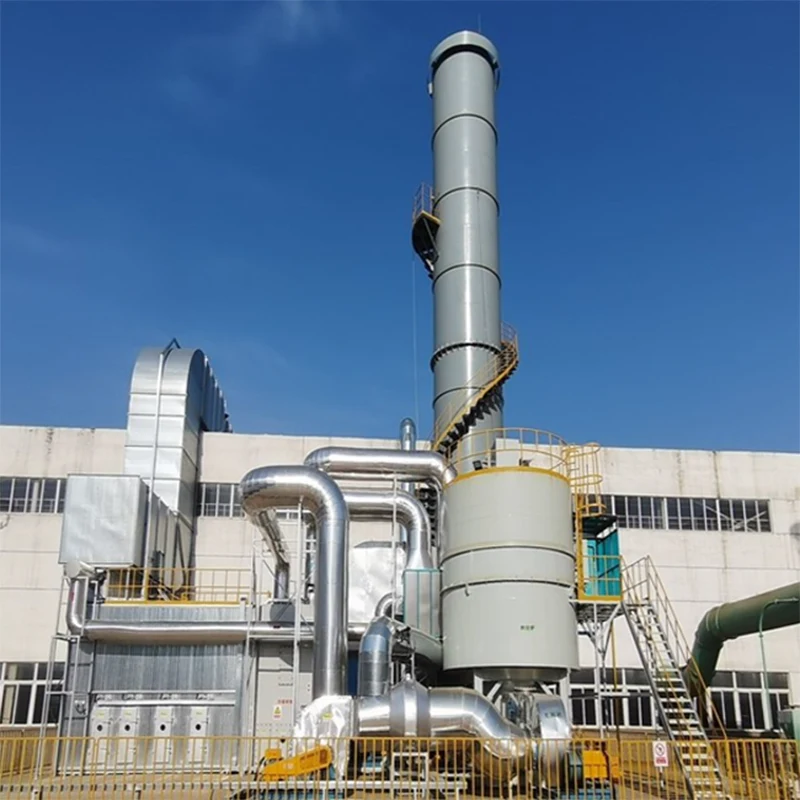
Organic Waste Gas Treatment for Hot Heading Machines
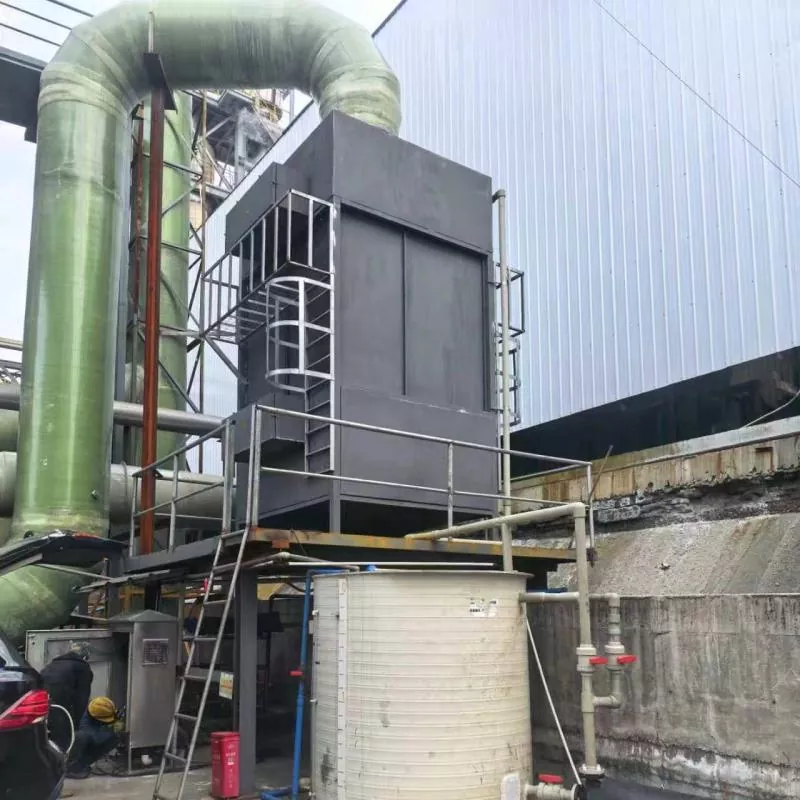
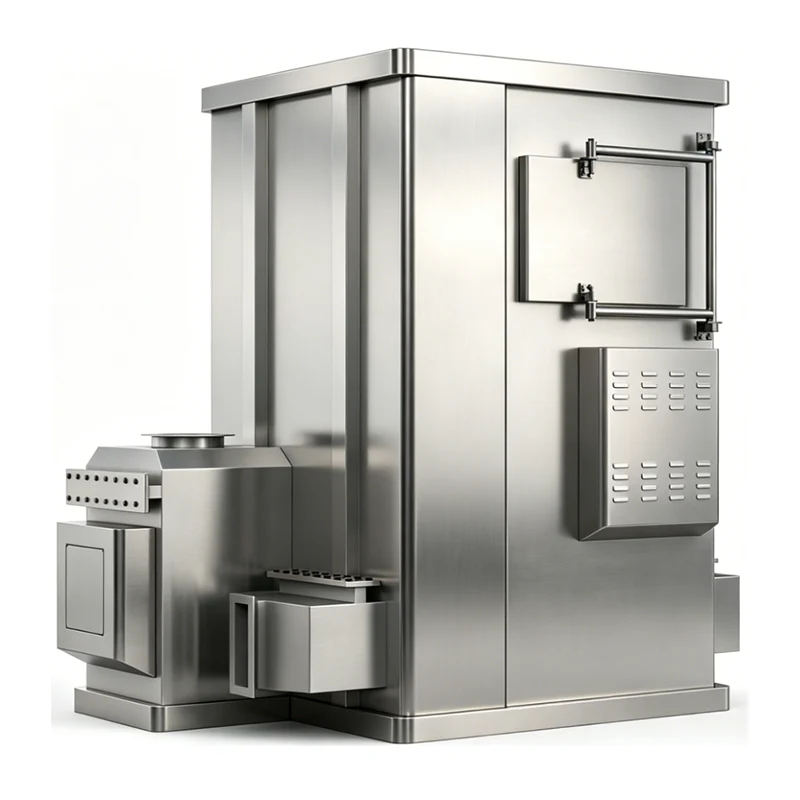
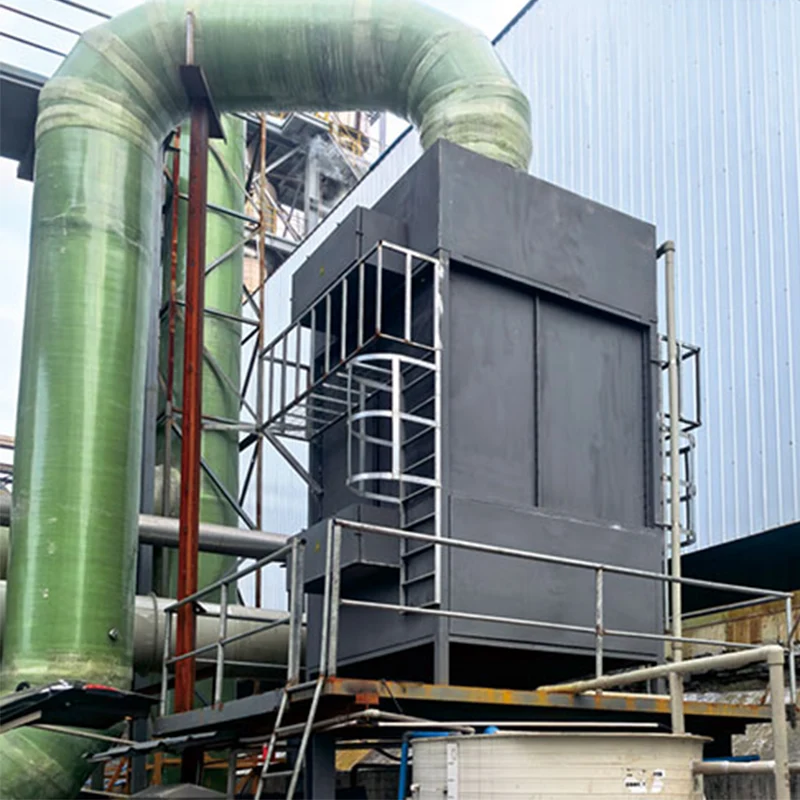
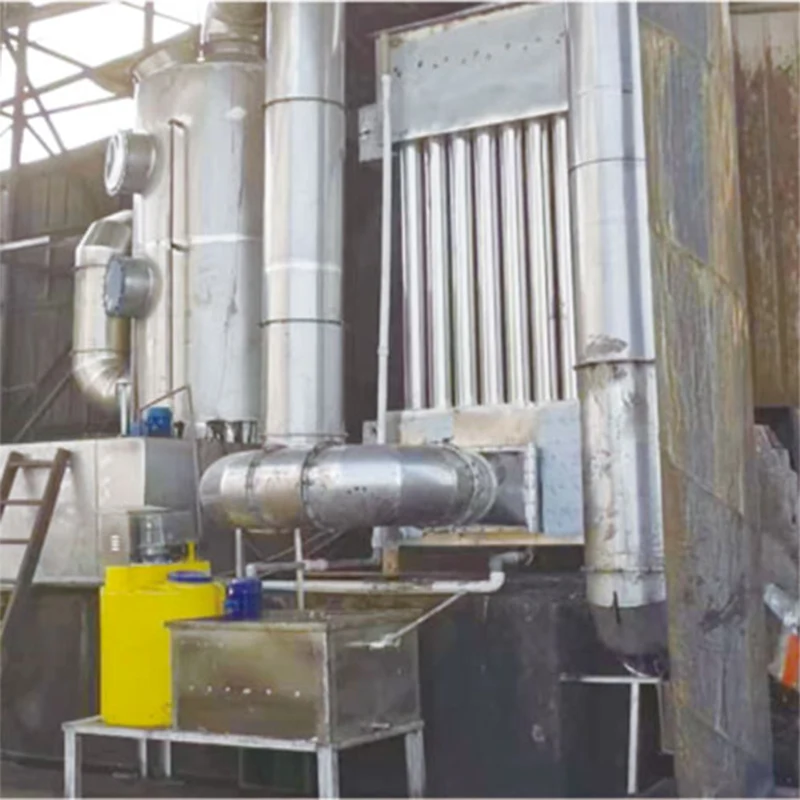
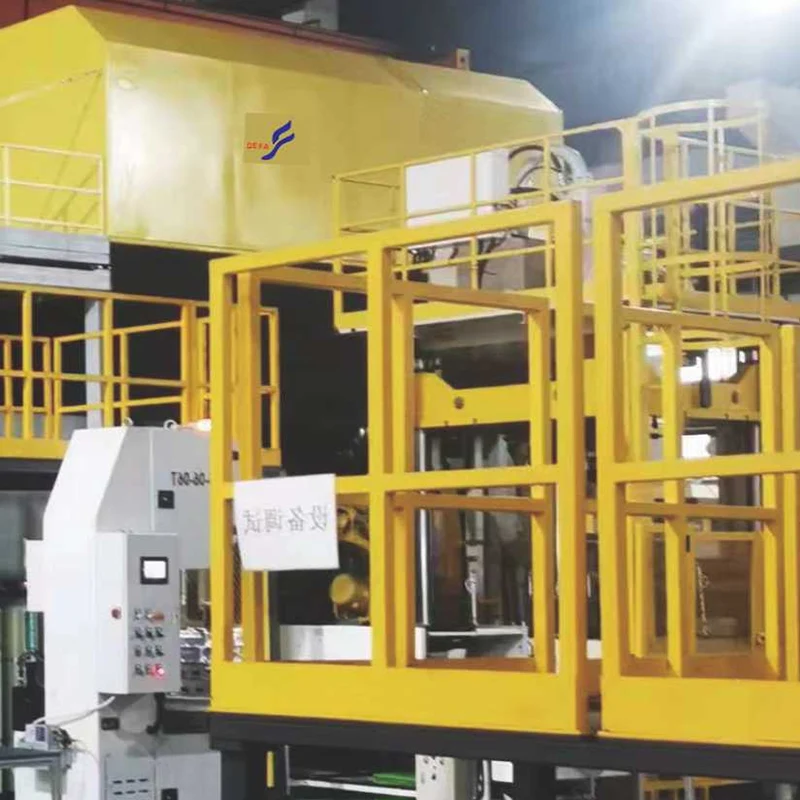
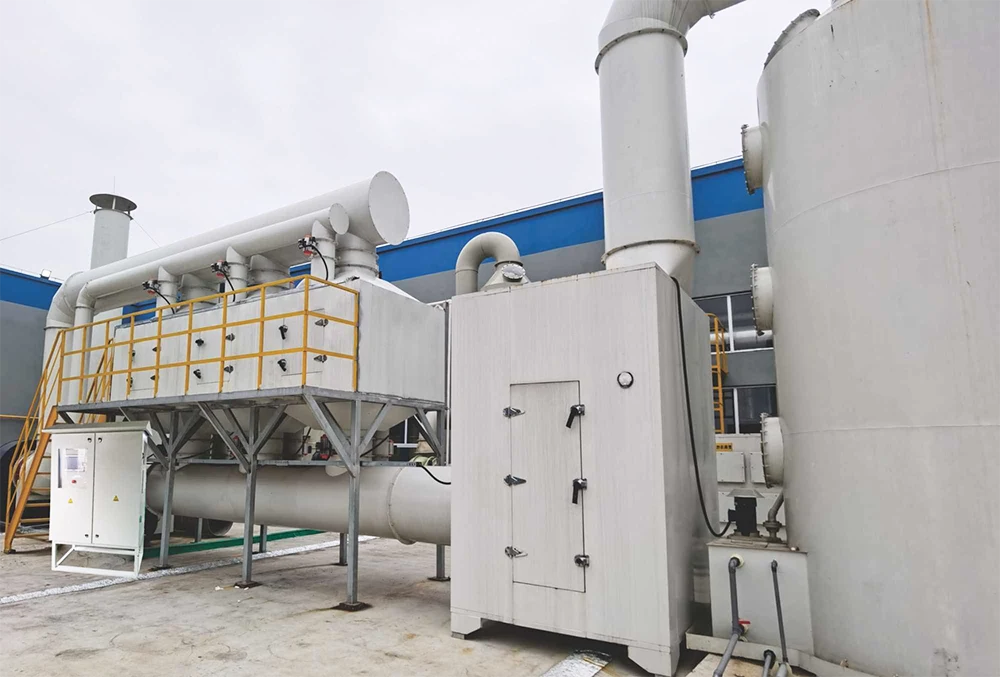
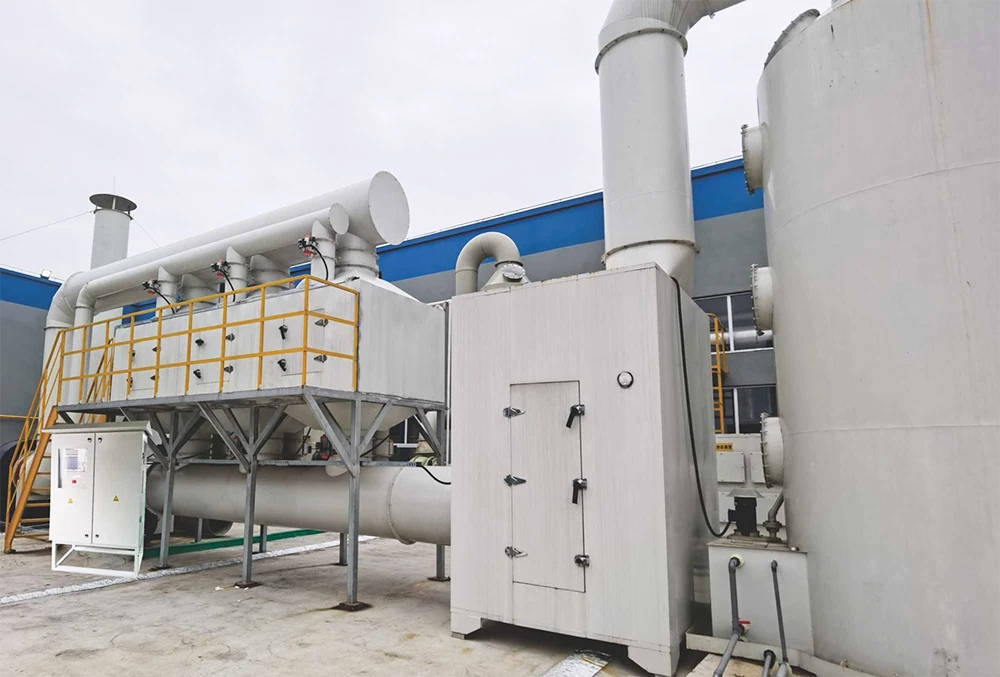
Defaee provides safe, comprehensive purification solutions for high-temperature hot forging exhaust containing sparks. As a professional manufacturer and supplier, Defaee specializes in Organic Waste Gas Treatment for Hot Heading Machines. The solution removes over 95% of oil mist and 90% of PM2.5, stabilizes VOC emissions, blocks open flames, reduces maintenance costs, and ensures full compliance with environmental standards for forging plants.
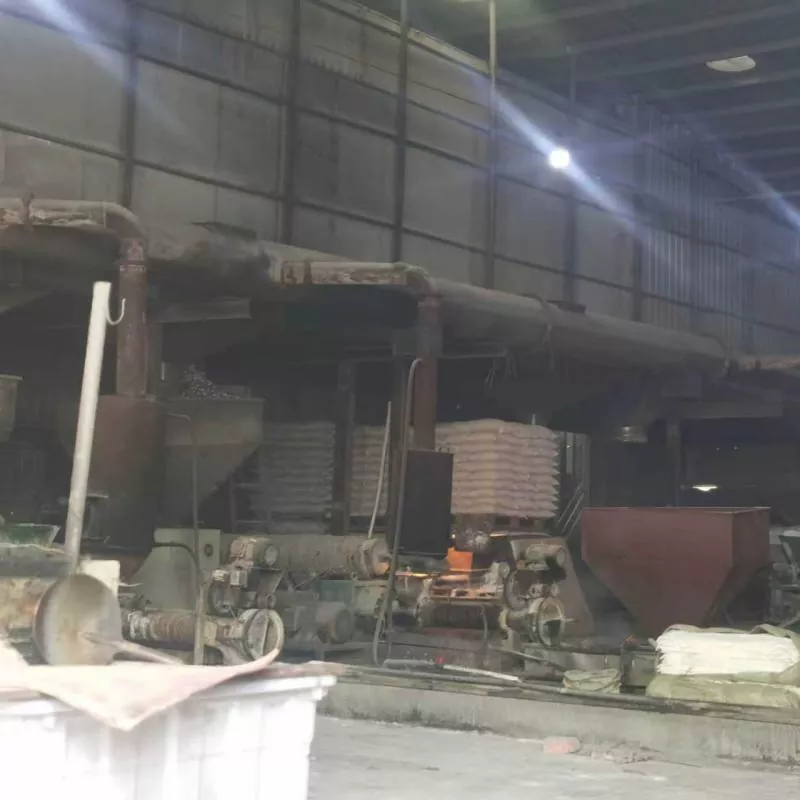
Exhaust gas generated by hot forging processes features high temperature (150–400°C), high-concentration oil mist, sticky fine PM2.5 particles, VOCs (non-methane total hydrocarbons), graphite and metal dust. Organic Waste Gas Treatment for Hot Heading Machines is prone to pipeline clogging and carries open flames and sparks, posing fire risks.
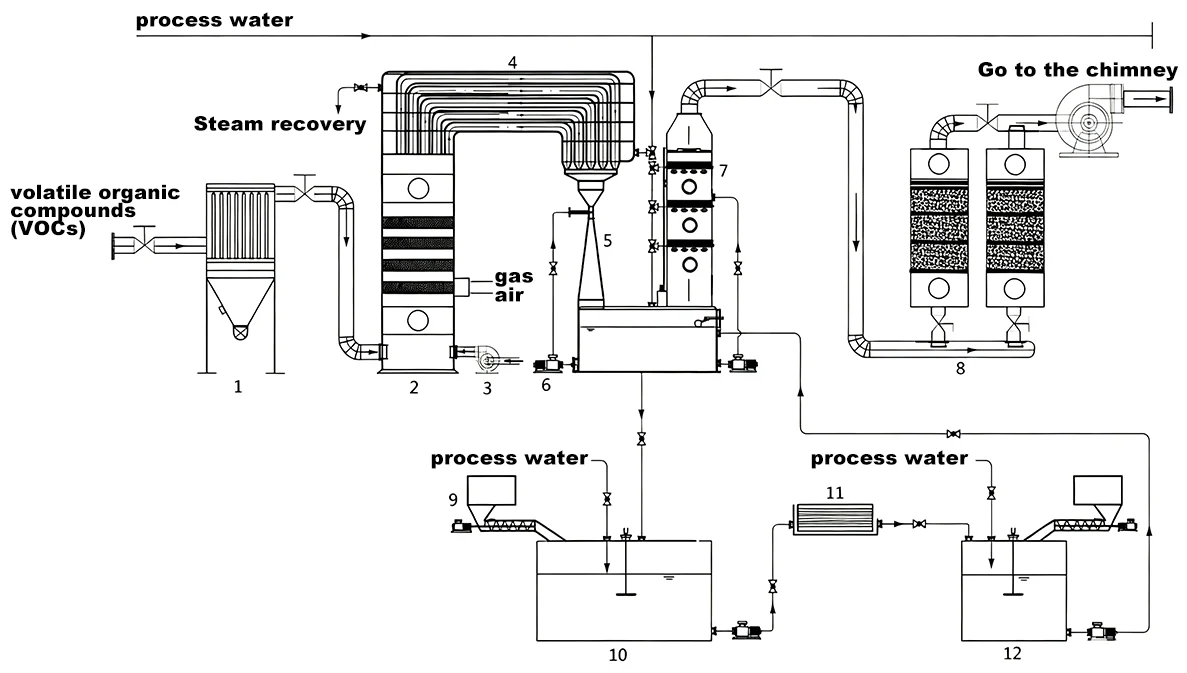
The standard treatment workflow is defined as: Gas Collection → Flame Interception & Cooling → Oil Mist Removal → VOCs Treatment → Standard Discharge.
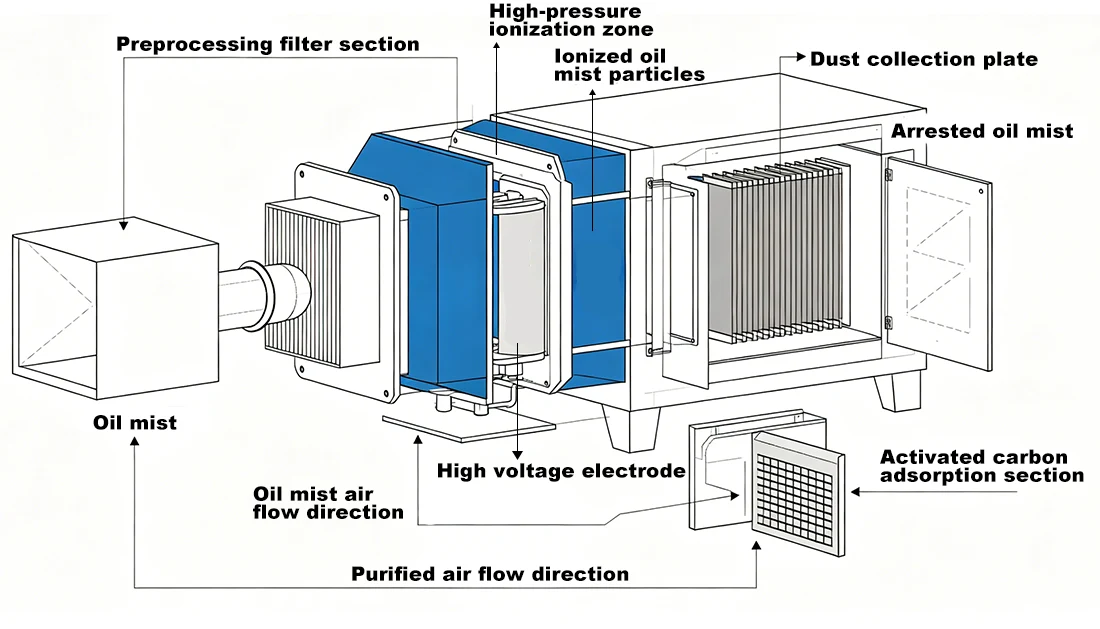
1. Collection & Pre-Treatment Equipment (Safety & Anti-Clogging)
1.1 Enclosed Gas Hood & Pipeline System
Function: Fully capture oil fume and mist from forging heads, molds and oil injection areas to control fugitive emissions.
Type: Semi-enclosed / fully enclosed hoods equipped with high-temperature resistant soft curtains.
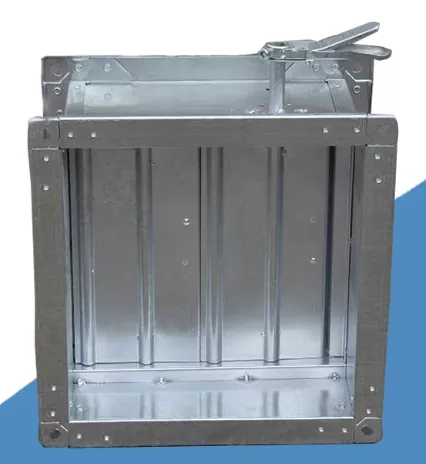
Key points: Maintain airflow velocity at 8–15 m/s to prevent oil accumulation and backflow of sparks.
1.2 Flame Arrestor & Cooler
Function: Block high-temperature sparks and oxide scales, and cool flue gas from 300–400°C down to below 180°C to protect downstream equipment from fire and burnout.
Working principle: Labyrinth structure or stainless steel corrugated plates, combined with air/water cooling heat exchange.
Features: High temperature resistance, flame suppression, anti-oil-sludge buildup, and dedicated ash cleaning ports.
1.3 Pre-Filter
Function: Trap large oil droplets, graphite dust and oxide scales to reduce the load on electrostatic and activated carbon units.
Filter media: Reusable and washable metal mesh + glass fiber cotton.
Performance: Removes 50%–80% of large oil droplets and prevents fouling of downstream electrode plates and filter materials.
2. Core Oil Mist Purification Equipment (Oil Mist & PM2.5 Removal)
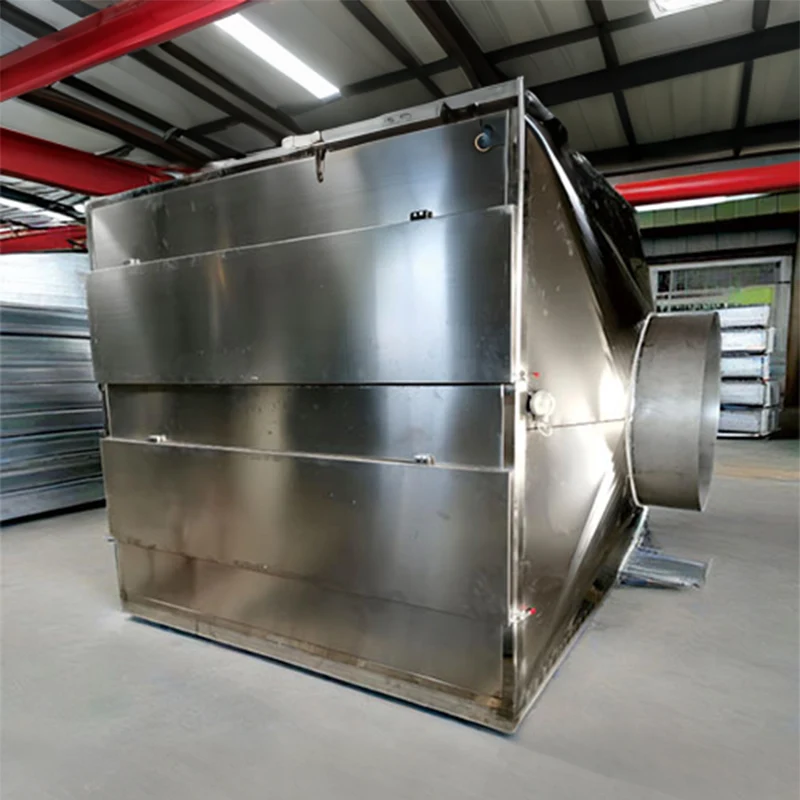
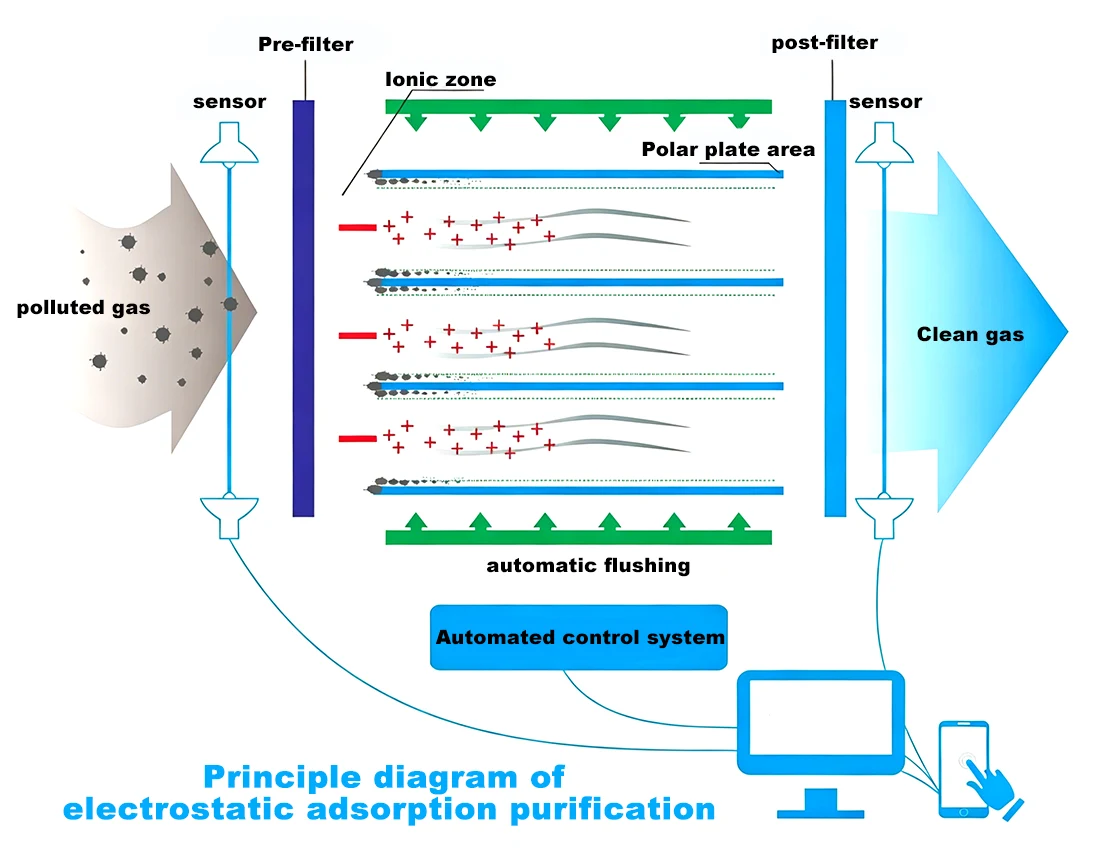
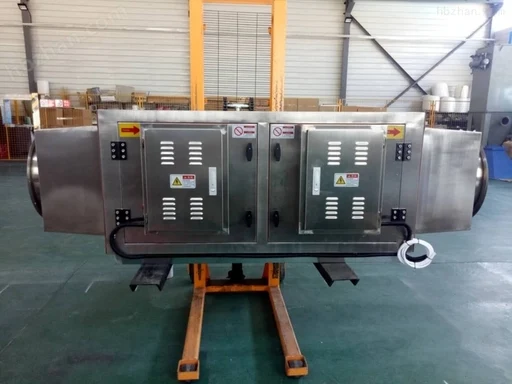
2.1 High-Voltage Electrostatic Precipitator (ESP, Mainstream Solution)
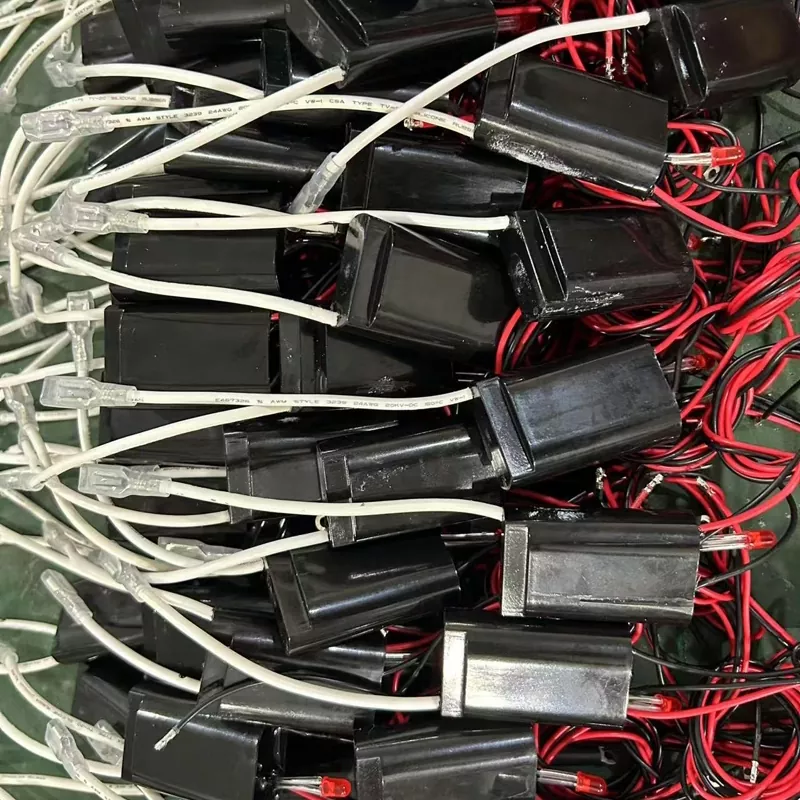
Working principle: Gas ionization and particle collection. Under 12–16 kV high-voltage electric field, charged oil mist adheres to electrode plates and flows down into the oil collection tray by gravity.
Efficiency: Oil mist removal ≥95%, PM2.5 removal ≥90%; outlet oil mist concentration ≤5 mg/m³.
Features: Withstands temperature up to 180°C, low pressure drop, recyclable waste oil, low operating cost, ideal for heavy oil mist from hot forging.
2.2 Dynamic Centrifugal Oil Mist Separator
Working principle: High-speed rotating impeller generates centrifugal force to separate oil mist, which is collected along the shell wall.
Efficiency: 70%–85%, suitable for pre-treatment of high-concentration large oil droplets.
Features: No consumables, max operating temperature 120°C, easy maintenance.
2.3 Wet Scrubber
Working principle: Spray water or alkaline liquid to capture oil mist and dust, while cooling flue gas and removing a small portion of VOCs.
Efficiency: Oil mist removal 80%–90%, dust removal over 90%.
Drawbacks: Produces oily wastewater and may freeze in winter; requires regular chemical dosing.
Application: Scenarios with extremely heavy oil mist and pungent odors.
3. VOCs (Non-Methane Total Hydrocarbons) Treatment Equipment (Odor Control & Compliance)
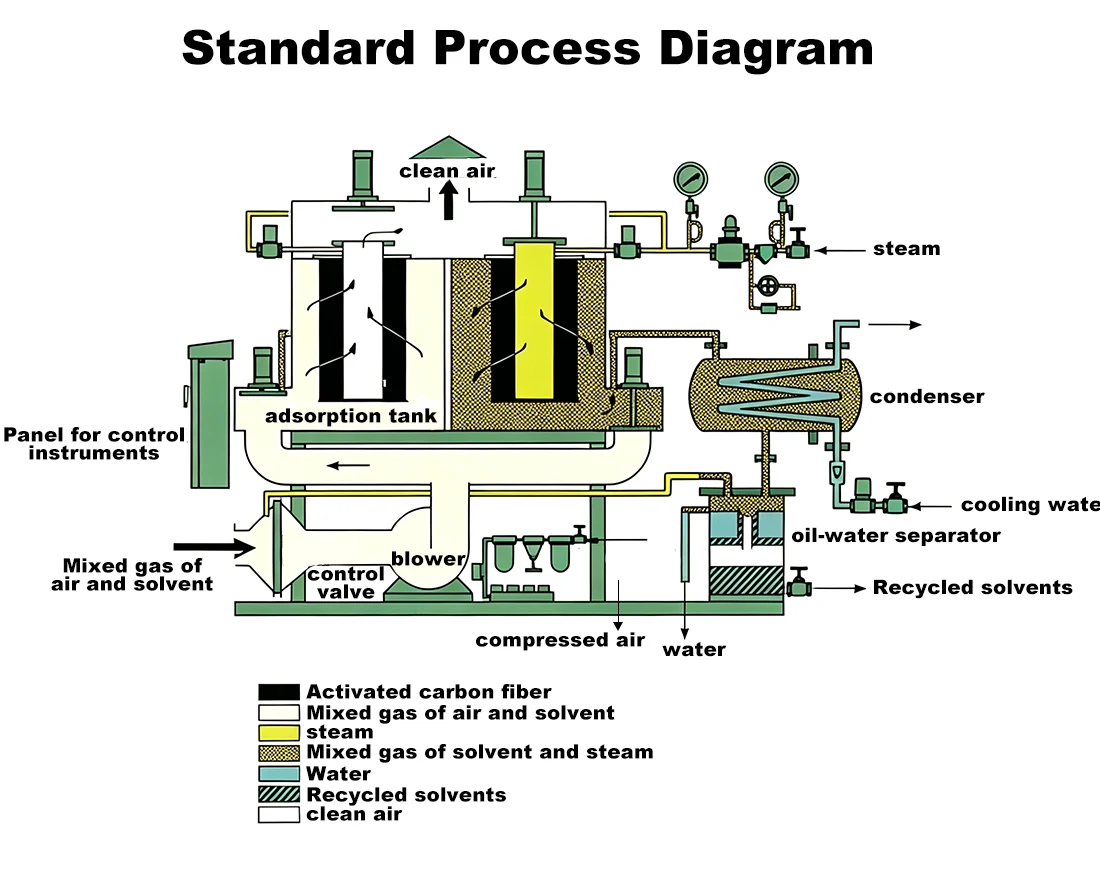
3.1 Activated Carbon Adsorber (Widely Used for Low-Concentration VOCs)
Working principle: VOCs and odors are trapped by micropores of activated carbon.
Efficiency: Non-methane total hydrocarbons removal ≥90%, meeting emission limit ≤60 mg/m³ (stricter standards apply in some regions).
Features: Low investment, fast installation. Suits low-to-medium concentration VOCs from hot forging; carbon replacement or regeneration is required periodically.
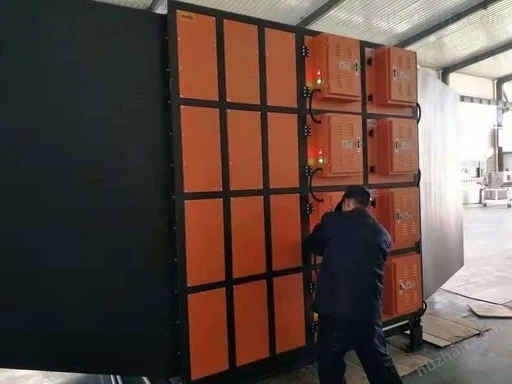
3.2 UV Photocatalytic Oxidation (Auxiliary Deodorization)
Working principle: UV light and catalysts decompose VOCs into carbon dioxide and water, mainly for odor elimination.
Efficiency: VOCs removal 50%–70%. Cannot be used alone for compliance, only for post-stage deodorization.
Features: No consumables, low operating cost for slight odor control.
3.3 Catalytic Oxidation (CO, for Medium-to-High Concentration VOCs)
Working principle: Precious metal catalysts enable low-temperature (250–350°C) oxidative decomposition of VOCs.
Efficiency: ≥95% with no secondary pollution, ensuring long-term stable compliance.
Features: Moderate operating cost with electric heating required; fits continuous production lines.
3.4 Regenerative Thermal Oxidizer (RTO, for High Concentration & Large Airflow)
Working principle: Ceramic regenerators preheat flue gas, and VOCs are fully oxidized at 750–820°C with heat recovery efficiency over 95%.
Efficiency: ≥98%. Ideal for large-scale hot forging lines and high-concentration VOCs.
Drawbacks: High capital cost, large footprint, and auxiliary natural gas supply required.
4. Post-Treatment & Auxiliary Equipment (Stable Operation & Safety)
1. Mist Eliminator / Baffle Plate: Removes residual water and oil droplets from scrubbers and condensers to prevent oil accumulation in fans and chimney dripping.
2. High-Temperature Resistant Corrosion-Resistant Induced Draft Fan: Rated for 180°C, frequency-convertible, overcoming system resistance and preventing oil leakage and spontaneous combustion.
3. 15m Exhaust Stack: Carbon steel or stainless steel with anti-corrosion coating, complying with GB 16297 national standard.
4. Online Monitoring System: Tracks non-methane total hydrocarbons, particulate matter, temperature, humidity and oxygen content; data is uploaded to environmental supervision platforms in real time.
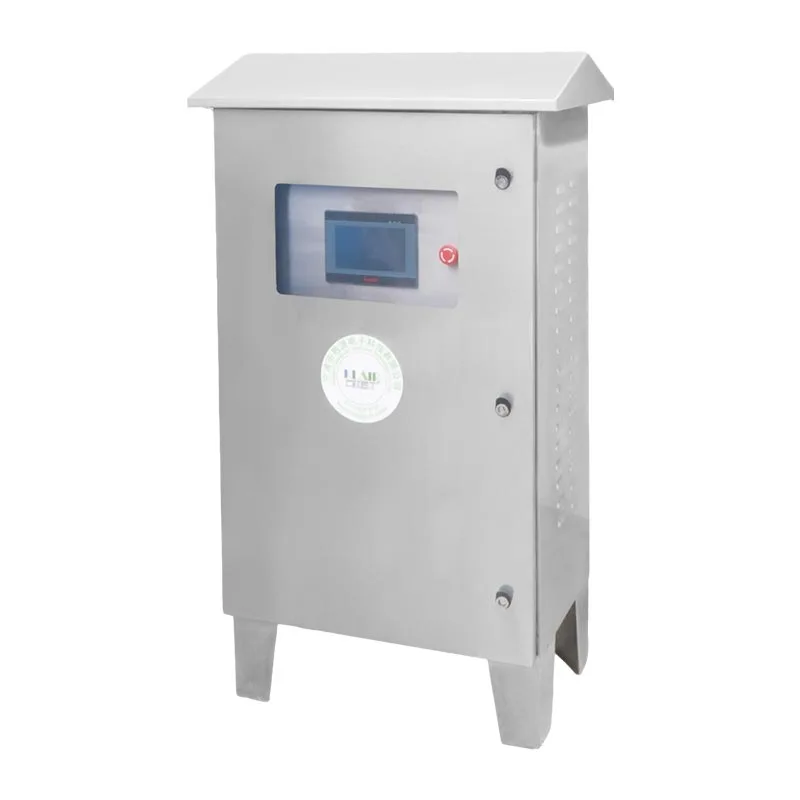
5. PLC Automatic Control System: Supports automatic start/stop, differential pressure alarm, temperature interlock, flame & explosion protection, and remote fault transmission.
5. Recommended System Configurations by Working Condition
5.1 Single / Small Production Line (1–3 forging machines, low-to-medium oil mist)
Enclosed gas collection → Flame arrestor & cooler → Pre-filter → ESP → Activated carbon adsorber → Induced draft fan → 15m chimney
Features: Cost-effective, full compliance for oil mist and VOCs, excellent deodorization performance and simple maintenance.
5.2 Medium-to-Large Production Line (4–10 forging machines, heavy oil mist & odor)
Enclosed gas collection → Flame arrestor & cooler → Metal mesh pre-filter → ESP → Activated carbon adsorber → UV photocatalytic unit → Induced draft fan → Chimney
Features: Stable treatment for heavy oil mist, fume-free workshop and low risk of public complaints.
5.3 Large Continuous Production Line (Over 10 forging machines, high-concentration VOCs)
Gas collection → Flame arrestor & cooler → ESP → Activated carbon concentrator → Catalytic Oxidation (CO) → Chimney
Features: Long-term ultra-low emission, no secondary pollution, tailored for enterprises under key environmental supervision.
6. Core Product Advantages (For Proposals & Bidding Documents)
1. Efficient oil mist removal: ESP serves as core equipment, achieving ≥95% oil mist removal and ≥90% PM2.5 removal, eliminating fume dispersion and ground oil buildup in workshops.
2. Stable VOCs compliance: Activated carbon or CO technology ensures non-methane total hydrocarbons meet GB 16297 and local emission standards.
3. Flame & explosion protection: Integrated flame interception, cooling and anti-static design prevent sparks from entering equipment and spontaneous combustion of accumulated oil.
4. Equipment protection & low maintenance: Front-end units intercept oil sludge and dust to avoid pipeline and fan clogging & corrosion, cutting maintenance frequency and costs.
5. Improved workshop environment & occupational health: Eliminates pungent fumes and enhances visibility, reducing occupational diseases and staff turnover.
6. Regulatory compliance & complaint prevention: Organized emission and online monitoring help pass EIA, discharge permit and environmental inspections with zero public complaints.
7. Waste oil recycling for cost reduction: Collected waste oil can be recycled and reused to offset operating expenses.
8. Modular design: Compact footprint and fast installation, suitable for new and existing production lines without disrupting normal production.
7. Necessity of Installation
· Strict environmental regulations: Hot forging fume and VOCs are key supervised pollutants. Direct discharge or excessive emissions lead to fines ranging from 100,000 to 1,000,000 RMB or production suspension. The treatment system is a must for regulatory compliance.
· Guarantee normal production: Heavy fume, poor visibility and slippery oily floors hinder operation, increase work-related injuries and cause high staff turnover.
· Reduce equipment failure & repair costs: Unfiltered oil mist leads to pipe blockage, corrosion and fire hazards, resulting in annual maintenance costs of tens of thousands RMB. The system effectively avoids such losses.
· Support customer audits: Environmental compliance is a basic requirement for orders from auto parts, hardware and foreign trade clients. Sound treatment solutions help retain business.
· Adapt to tightening policies: VOCs and fume regulations grow stricter year by year. Early installation realizes one-time compliance and avoids expensive retrofits later.
8. Professional Terminology (For Technical Documents & Promotion)
Equipment Terms
Hot forging fume purifier, High-Voltage Electrostatic Precipitator (ESP), Flame arrestor & cooler, Pre-filter, Centrifugal oil mist separator, Wet scrubber, Activated carbon adsorber, UV photocatalytic oxidation unit, Catalytic Oxidation (CO), Regenerative Thermal Oxidizer (RTO), Mist eliminator, High-temperature resistant fan, PLC automatic control, VOCs online monitoring
Process & Technology Terms
High-temperature fume treatment, Oil mist purification, VOCs abatement, Non-methane total hydrocarbons compliance, PM2.5 removal, Flame & explosion protection, Cooling & coagulation, Electrostatic adsorption, Catalytic oxidation, Low-temperature combustion, Waste oil recycling, Fugitive emission collection, Organized discharge, Anti-fouling & anti-clogging
Compliance & Value Terms
Integrated Emission Standard of Air Pollutants, EIA acceptance, Discharge permit, Environmental inspection, Fume compliance, VOCs emission reduction, Green factory, Cleaner production, Occupational health, Production guarantee, Cost reduction & efficiency improvement
Hot Tags: Organic Waste Gas Treatment for Hot Heading Machines, Manufacturer, Supplier, Factory
Send Inquiry
Contact Info
-
Address
No. 661 Cangchu Road, Jiangbei District, Ningbo City,ZHEJIANG PROVINCE,CHINA
-
Tel
-
Email
For inquiries about our products or pricelist, please leave your email to us and we will be in touch within 24 hours.