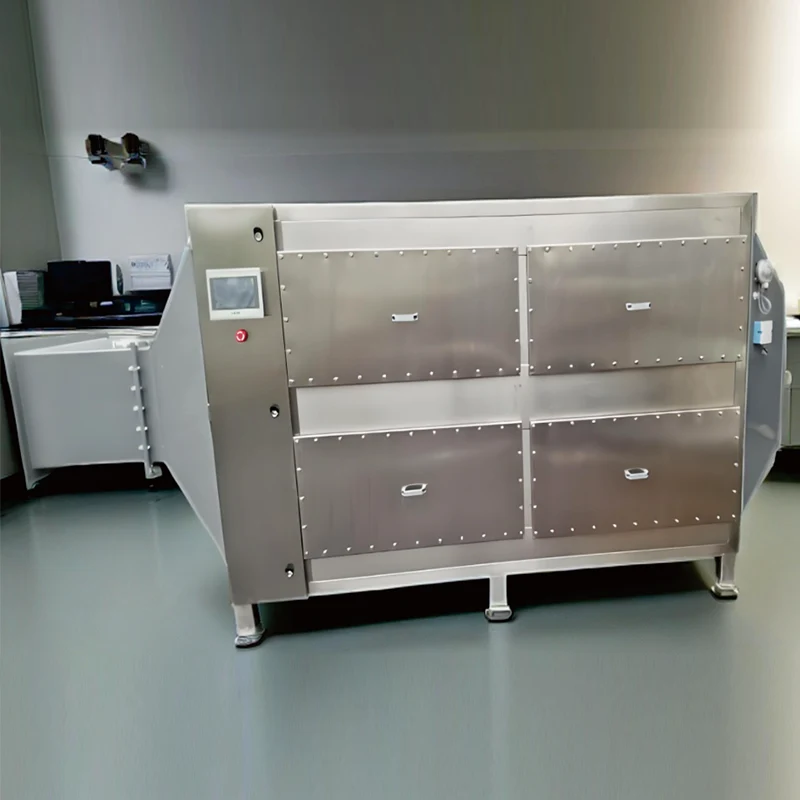
Dry Chemical Filtration Unit
Defaee focuses on industry-specific environmental solutions with excellent corrosion resistance and long service life. As a professional manufacturer and supplier, it provides the Dry Chemical Filtration Unit. It uses a dry process with zero secondary pollution, achieves over 95% purification efficiency, cuts energy use by 30-40%, and helps pharmaceutical, chemical and fermentation enterprises meet strict emission standards.
A Dry Chemical Filtration Unit is an advanced environmental protection device specifically engineered for the biological and chemical industries. Utilizing a dry purification process that eliminates reliance on water or liquid media, it combines physical adsorption, chemical decomposition, and biodegradation to efficiently treat organic waste gases, harmful gases, and dust generated during biological fermentation and chemical production.
Compared to traditional wet scrubbers, this technology offers significant advantages including zero secondary pollution, low energy consumption, and exceptional adaptability. It has become an essential piece of equipment for pharmaceutical manufacturing, chemical synthesis, food fermentation, and fine chemical industries, enabling enterprises to achieve environmental compliance and sustainable green production.
Equipment Overview
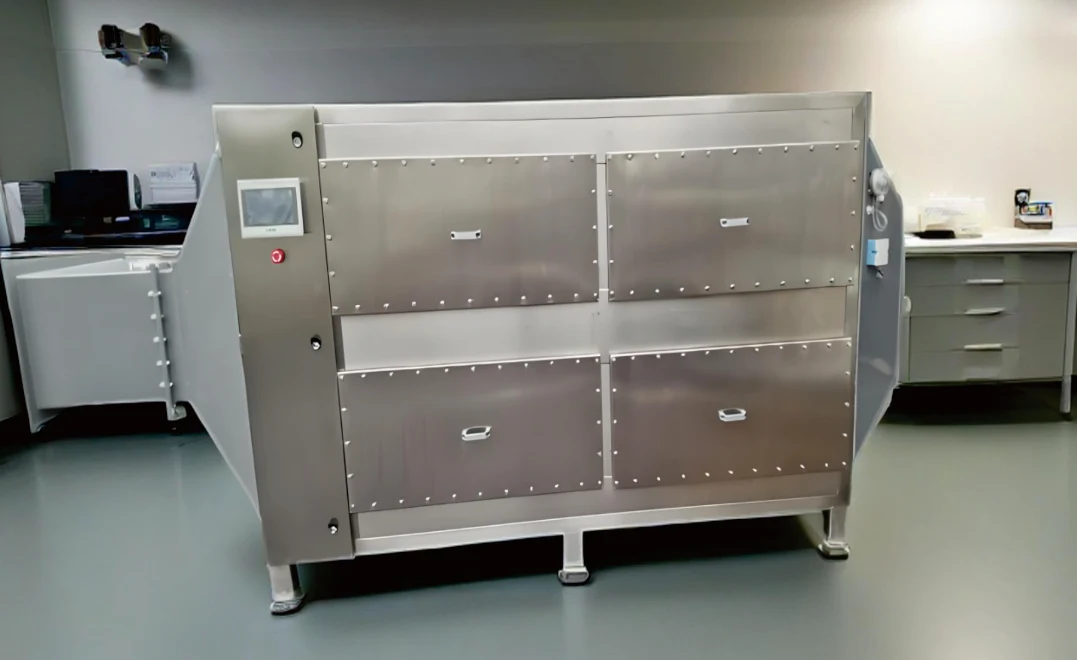
Biological & Chemical Dry Purifiers integrate physical, chemical, and biological purification technologies to address the complex pollution challenges unique to biological and chemical manufacturing. They are particularly effective at treating water-soluble pollutants that often cause secondary contamination in wet systems, including volatile organic compounds (VOCs), odorous gases, chemical dust, and harmful volatiles.
Unlike wet purification systems that require complex water circulation and wastewater treatment infrastructure, these dry units completely eliminate issues such as wastewater generation, equipment corrosion, and pipeline scaling. Constructed with corrosion-resistant materials and optimized internal structures, they are designed to handle the industry's characteristic challenges: complex pollutant compositions, fluctuating concentrations, and corrosive emissions.
These versatile systems can operate independently as end-of-pipe treatment solutions or integrate with waste gas collection systems and pre-treatment equipment to form complete purification trains. This flexibility allows them to meet the customized environmental requirements of production workshops, fermentation facilities, and reactor exhaust applications across various scales.
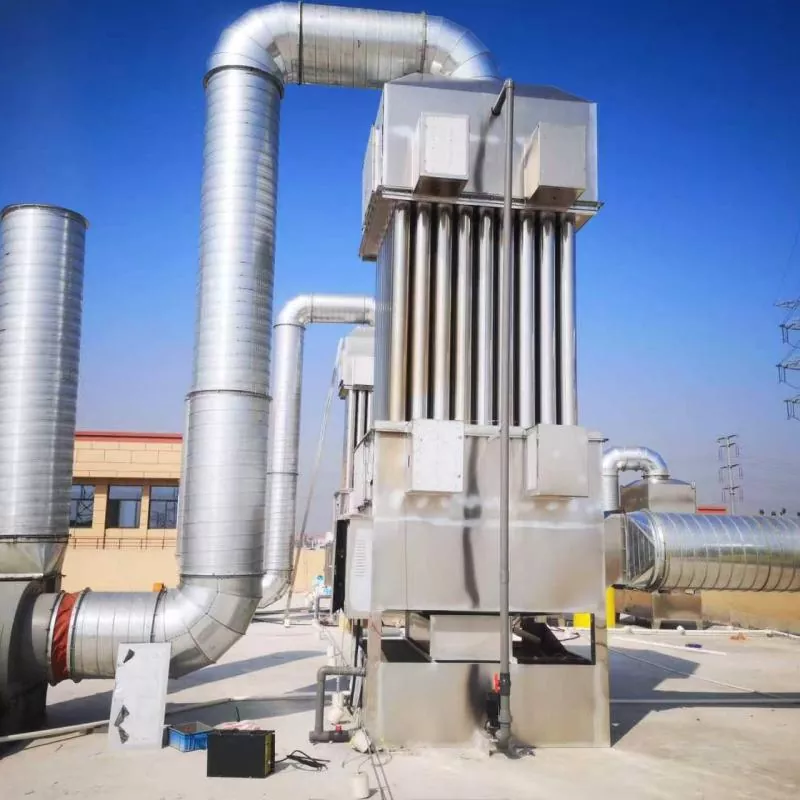
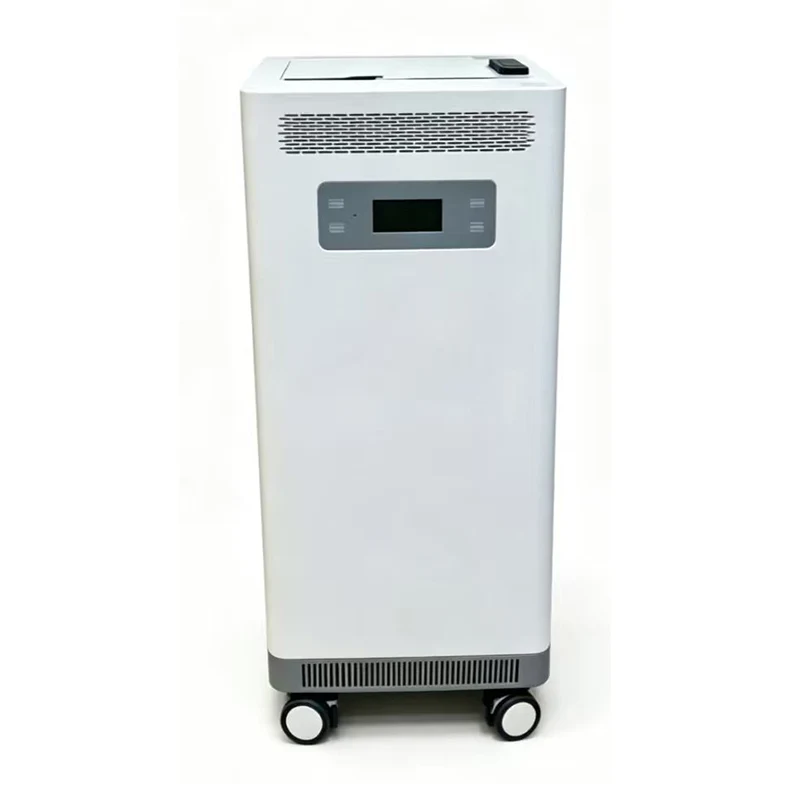
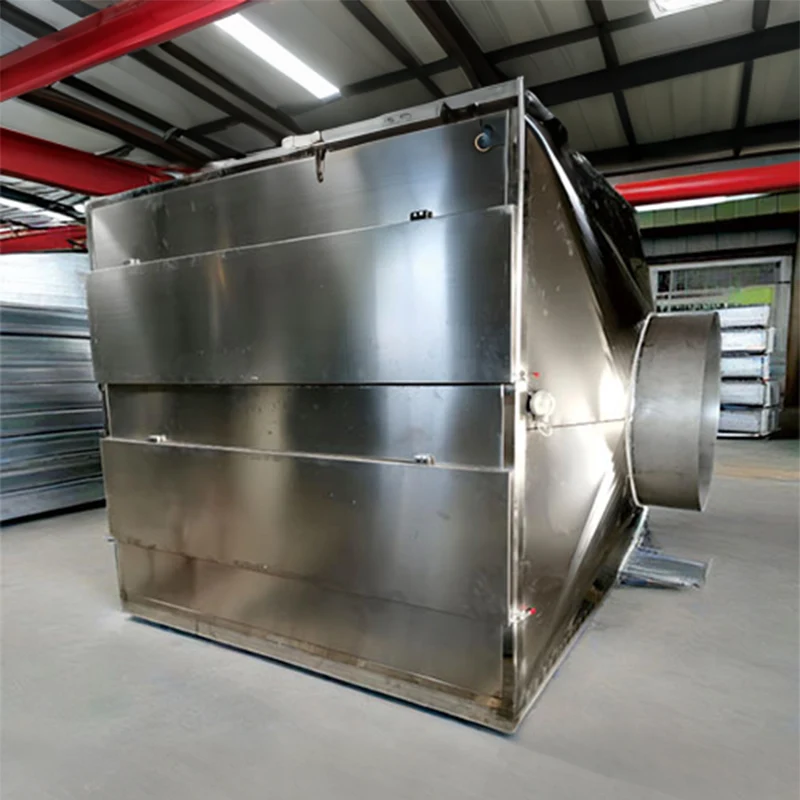
Annotations: Clearly show external components including air inlet, air outlet, control panel, and access doors. Label each component with its core function to provide a clear understanding of the equipment's external structure and operation.
Core Operating Principle
The Dry Chemical Filtration Unit operates on a synergistic three-stage purification process: physical adsorption → chemical decomposition → biodegradation. This entirely dry process requires no liquid additives and produces no wastewater:
Pre-treatment Stage: Waste gases and dust collected from production processes first enter the pre-treatment module. A coarse filter and preliminary activated carbon layer remove large particulate matter (>10μm), debris, and viscous substances, preventing clogging of downstream purification modules and ensuring stable system operation.
Physical Adsorption Stage: Pre-treated gases flow into the core adsorption module filled with specialized adsorbents such as modified activated carbon, molecular sieves, and activated alumina. These materials feature extremely large surface areas that rapidly capture and immobilize VOCs, odorous compounds, and harmful volatiles from the gas stream. Adsorbents can be customized based on specific pollutant types for optimal performance.
Chemical Decomposition Stage: For persistent harmful gases that cannot be fully adsorbed (including acidic gases, alkaline gases, and toxic volatiles common in chemical production), the chemical decomposition module uses specialized catalysts to drive oxidation-reduction reactions. These reactions convert harmful substances into harmless compounds such as carbon dioxide, water, and nitrogen, achieving deep purification.
Biodegradation Stage (Optional): For biological industry applications treating fermentation exhaust and pharmaceutical emissions, an optional biodegradation module can be added. This module uses highly efficient degrading bacteria immobilized on dry biofilm carriers to further break down residual organic pollutants without requiring additional nutrient solutions, eliminating secondary contamination risks.
Finally, the purified clean air is discharged through the outlet. An intelligent control system continuously monitors exhaust concentrations, adsorbent saturation levels, and operating parameters, automatically alerting operators when adsorbent replacement is necessary to maintain consistent purification performance.
Annotations: Illustrate the complete "Pre-treatment → Physical Adsorption → Chemical Decomposition → Biodegradation → Clean Discharge" process. Label each module with its function and show the pollutant transformation pathway to clearly explain the dry purification mechanism.
Key Components and Modular Design
The Dry Chemical Filtration Unit features a modular construction optimized for biological and chemical industry conditions, facilitating easy installation, maintenance, and component replacement:
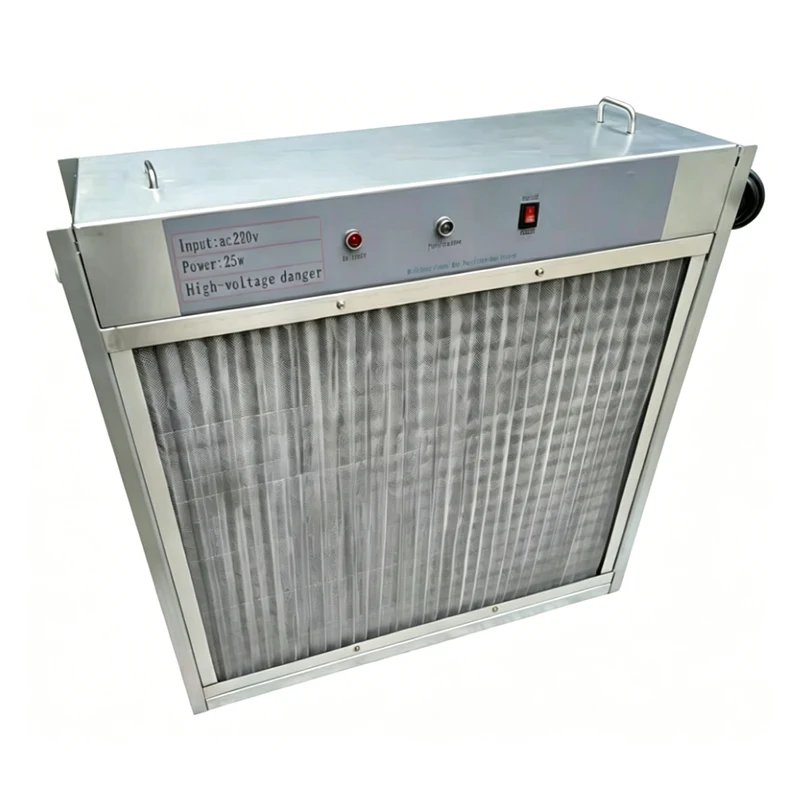
Housing and Protection Structure: Constructed from corrosion-resistant stainless steel or PP engineering plastic to withstand the corrosive effects of biological and chemical emissions. The sealed design prevents gas leakage, while strategically placed access doors enable convenient maintenance and media replacement.
Pre-treatment Module: Consists of a coarse filter and preliminary activated carbon layer that remove large particles and preliminary contaminants, protecting downstream modules from clogging and damage.
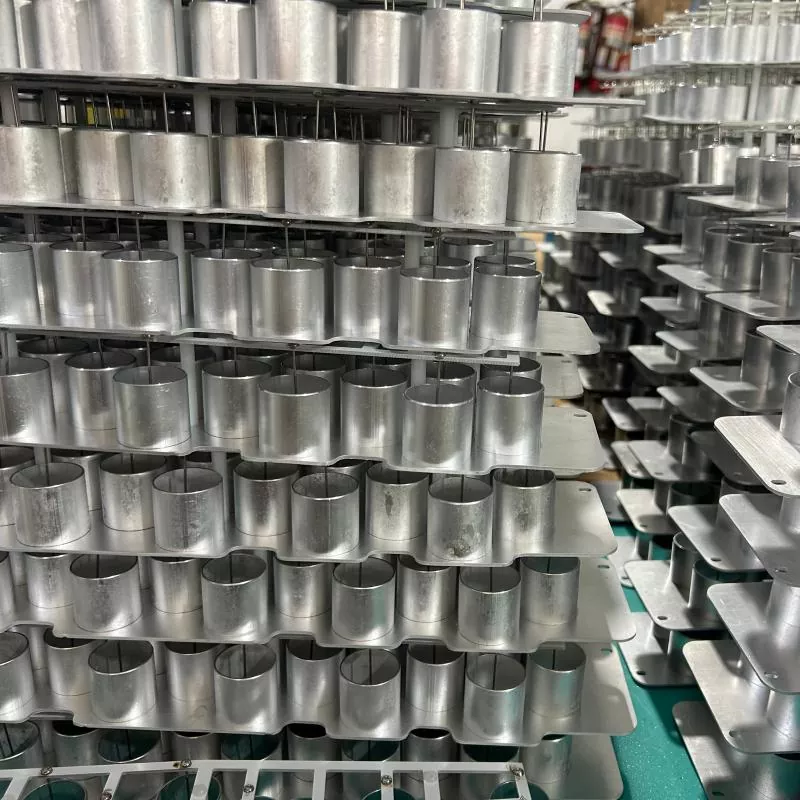
Physical Adsorption Module: The core component containing beds of specialized adsorbents. Adsorbent type and quantity can be adjusted based on treatment requirements, and saturated media can be quickly replaced through access doors.
Chemical Decomposition Module: Equipped with application-specific chemical catalysts formulated for acidic, alkaline, or organic pollutants. Catalysts are designed for high temperature and corrosion resistance to ensure long-term reliable performance.
Biodegradation Module (Optional): Comprises biofilm carriers and specialized degrading bacteria tailored to biological industry emissions, providing enhanced treatment for organic compounds and odors without secondary pollution.
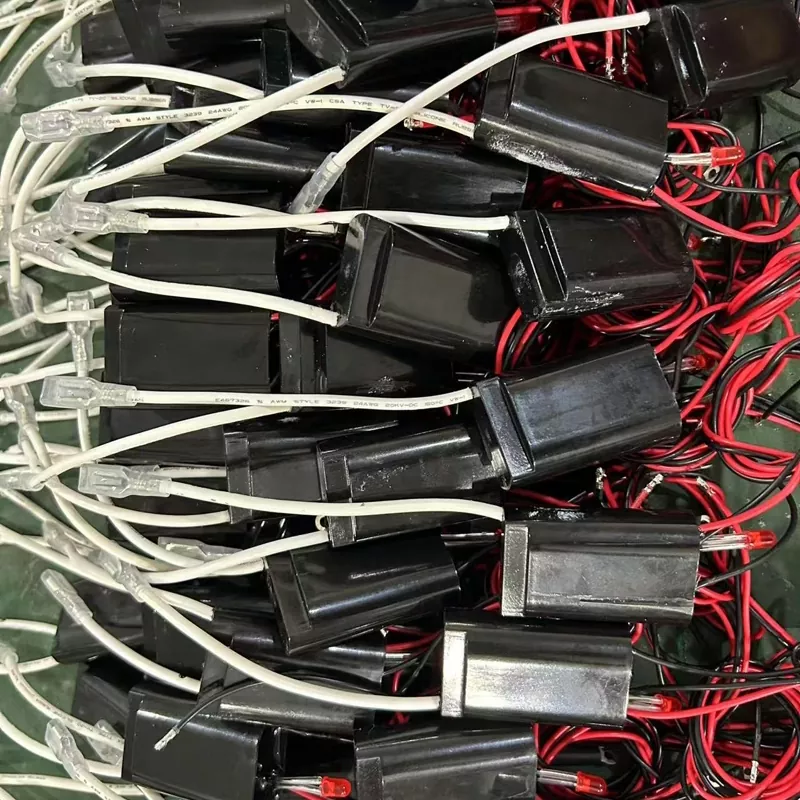
Intelligent Control System: Features a user-friendly interface with parameter configuration, real-time status monitoring, fault alarm, and adsorbent saturation alert functions. The system automatically adjusts operating parameters based on exhaust conditions, enabling unattended operation without specialized technical personnel.
Annotations: Show the location and structure of each key component, with special emphasis on the adsorbent bed, chemical catalyst module, and intelligent control panel. Clearly label each component's function to explain the system's core construction.
Application Scenarios
Dry Chemical Filtration Units are specifically designed to address the unique pollution challenges of biological and chemical manufacturing, with applications across multiple sectors:
Biological Industry:
Pharmaceutical manufacturing: Treatment of fermentation tank exhaust and extraction process emissions
Food and beverage fermentation: Removal of ethanol, acetone, acetic acid, and odorous compounds
Biological feed and fertilizer production: Control of organic emissions and dust
Biological laboratories: Treatment of small-scale harmful gases and dust from research activities
Chemical Industry:
Fine chemical and chemical synthesis: Treatment of reactor exhaust containing VOCs and toxic volatiles
Coatings and inks manufacturing: Removal of solvent vapors
Pesticide production: Control of harmful chemical emissions
Pharmaceutical intermediate manufacturing: Treatment of complex organic and inorganic waste gases
Specialized Applications:
Chemical research and development facilities: Laboratory exhaust treatment
Cosmetics manufacturing: Control of fragrance and solvent emissions
Essential oil extraction: Treatment of volatile organic compounds
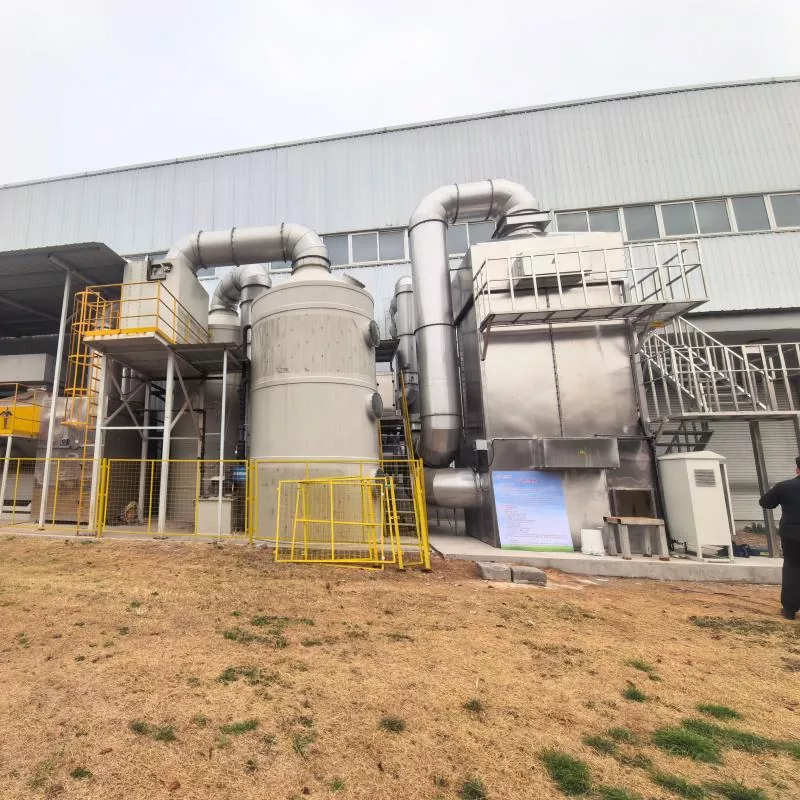
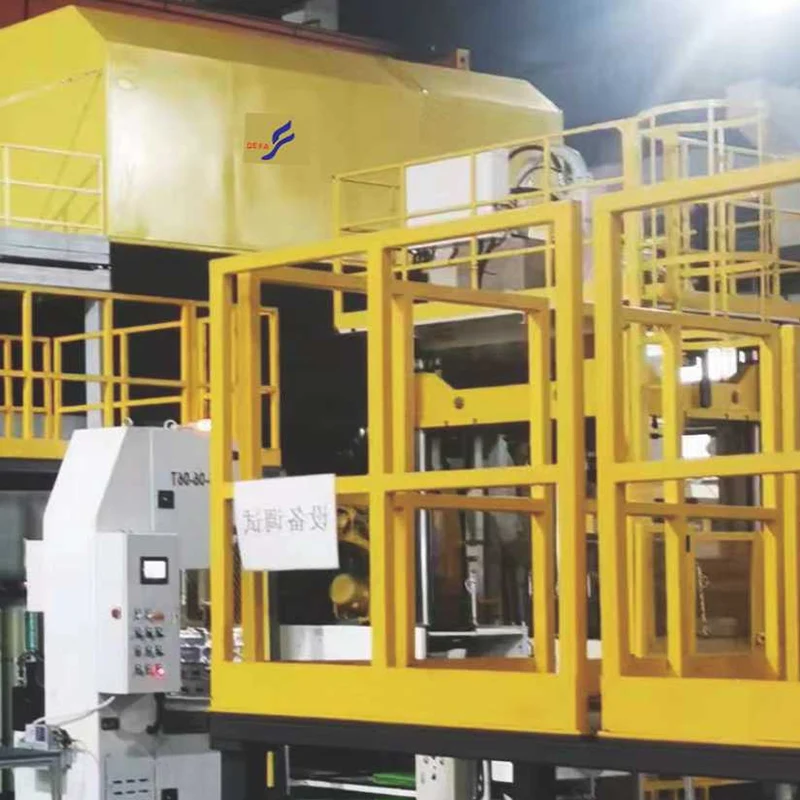
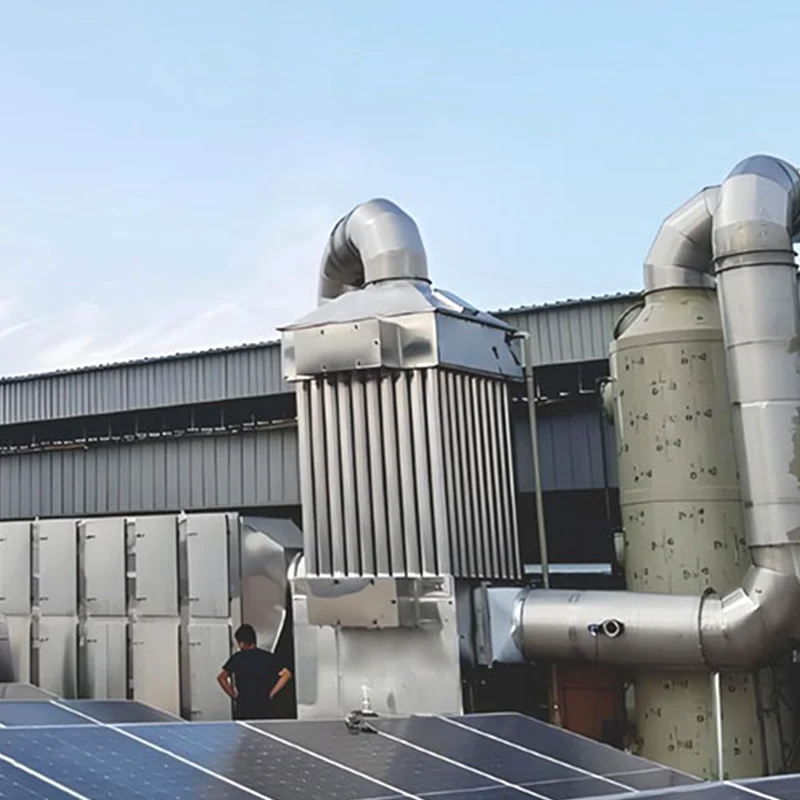
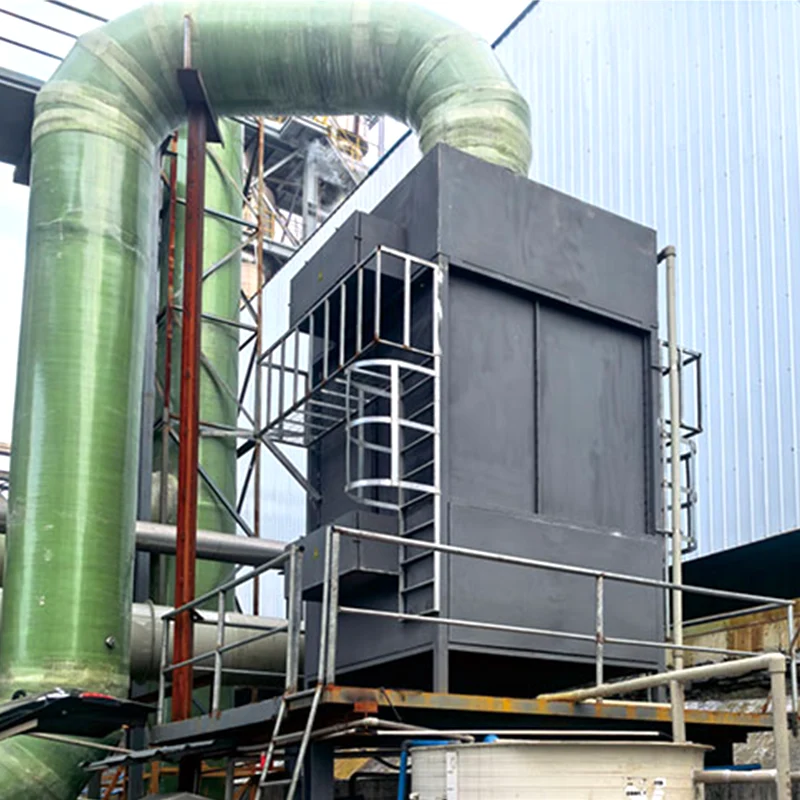
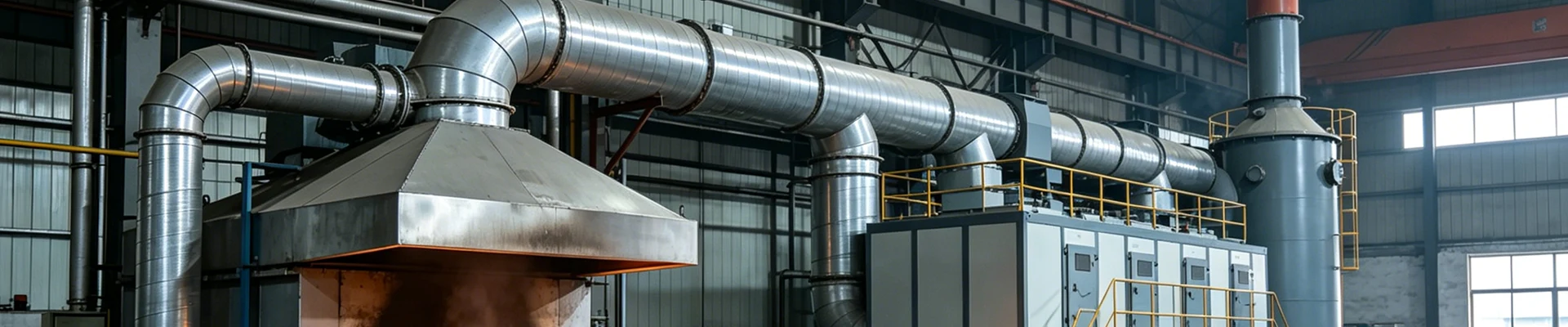
Annotations: Show the equipment installed in a biological fermentation or chemical production facility, illustrating connections to production equipment and waste gas collection ducts. Demonstrate the system's practical integration and adaptability in real industrial environments.
Core Advantages
Compared to traditional wet scrubbers and general-purpose dry purifiers, Biological & Chemical Dry Purifiers offer significant advantages tailored to the specific requirements of biological and chemical industries:
Zero Secondary Pollution: The completely dry process eliminates wastewater generation, equipment corrosion, and pipeline scaling issues associated with wet purification. Only spent adsorbents are produced, which can be safely disposed of or recycled, aligning with green manufacturing principles.
Exceptional Purification Efficiency: The triple synergistic technology achieves purification efficiencies exceeding 95% for complex biological and chemical pollutants. VOC and odor removal rates reach 98%, while dust removal efficiency exceeds 99%, ensuring compliance with the strictest national and local environmental standards.
Superior Corrosion Resistance: Constructed with specialized corrosion-resistant materials, these systems withstand the acidic, alkaline, and corrosive emissions common in biological and chemical production, extending equipment service life to 8-10 years.
Low Energy and Maintenance Costs: Without the need for water circulation or wastewater treatment systems, energy consumption is 30-40% lower than wet scrubbers. Modular design simplifies adsorbent and catalyst replacement, and routine maintenance only requires periodic filter cleaning, eliminating the need for dedicated technical staff.
Intelligent and Reliable Operation: The advanced control system continuously monitors operating parameters, automatically adjusting performance and providing timely alerts for maintenance. This ensures stable, consistent purification with minimal downtime.
Compact and Flexible Installation: The space-saving design reduces footprint by over 50% compared to traditional wet systems, allowing installation in tight spaces such as equipment rooms and workshop corners. No complex civil engineering is required, reducing installation costs and timelines.
Annotations: Present a side-by-side comparison showing untreated biological/chemical emissions (with visible smoke and odor indicators) on the left, and clean, transparent discharge on the right. Visually demonstrate the system's purification effectiveness.
Business Value and Industry Impact
Investing in Biological & Chemical Dry Purifiers delivers substantial benefits beyond basic regulatory compliance:
For enterprises, these systems eliminate the risk of costly environmental fines and production shutdowns by ensuring consistent emission compliance. The dry purification process eliminates wastewater treatment expenses, while low energy consumption and minimal maintenance requirements reduce long-term operational costs. By improving workplace air quality, they also protect employee health and reduce absenteeism related to respiratory issues.
From an industry perspective, Dry Chemical Filtration Units represent a significant advancement in environmental protection technology for high-pollution industries. Their adoption is driving the transition away from outdated, high-consumption purification methods toward more sustainable solutions, aligning with national "dual carbon" goals and global environmental initiatives.
By effectively reducing pollutant emissions from biological and chemical production, these systems protect both ecological environments and human health while enabling industries to achieve sustainable development.
Conclusion
Dry Chemical Filtration Units have emerged as the preferred environmental solution for the biological and chemical industries, addressing the limitations of traditional wet purification systems. Their unique combination of physical adsorption, chemical decomposition, and biodegradation technologies delivers efficient, reliable treatment of complex pollutants without secondary contamination.
With their superior corrosion resistance, low operating costs, and intelligent operation, these systems provide enterprises with a practical, cost-effective path to environmental compliance. As environmental regulations continue to strengthen globally, Biological & Chemical Dry Purifiers will remain essential infrastructure for sustainable manufacturing in the biological and chemical sectors.
Hot Tags: Dry Chemical Filtration Unit, Manufacturer, Supplier, Factory
Related Category
Product Tag
Send Inquiry
Contact Info
-
Address
No. 661 Cangchu Road, Jiangbei District, Ningbo City,ZHEJIANG PROVINCE,CHINA
-
Tel
-
Email
For inquiries about our products or pricelist, please leave your email to us and we will be in touch within 24 hours.