

Industry News
 10 2026-08
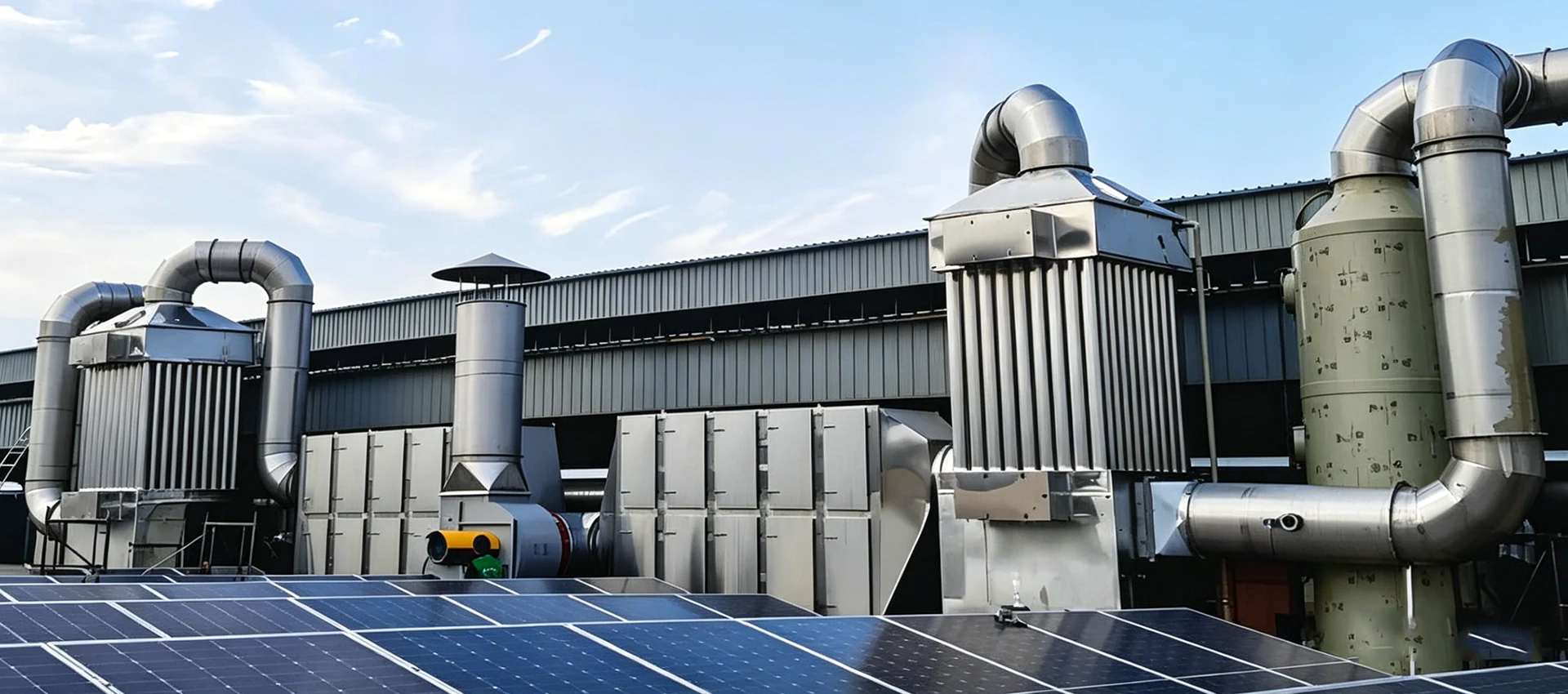
Industrial VOC Treatment: A Practical Guide to Methods, System Selection and Cost
There is no universal “best” industrial VOC treatment method. The right system depends on the actual exhaust stream: airflow, VOC concentration and mass loading, chemical composition, temperature, humidity, particulate or acid-mist content, operating schedule, safety constraints and the emission limit in the facility’s permit. Thermal and catalytic oxidizers destroy VOCs; activated carbon and zeolite systems capture them; condensers recover suitable compounds; wet scrubbers absorb soluble gases; and plasma or biological systems may suit selected low-concentration or odor-driven applications. Complex exhaust normally needs a treatment train rather than one device.
 07 2026-08
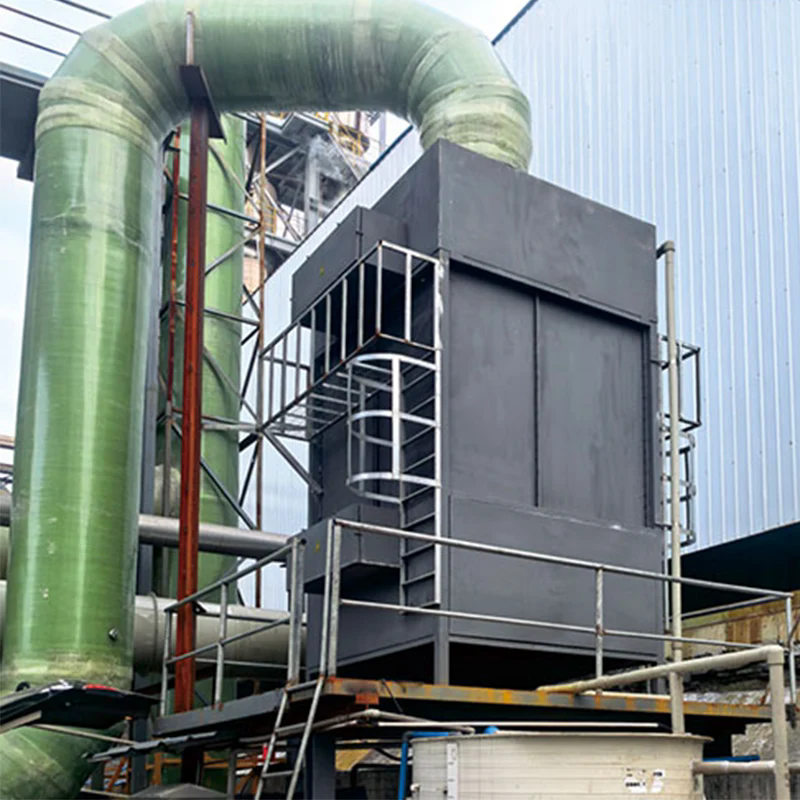
How Does Waste Gas Treatment Equipment Improve Industrial Air Quality and Environmental Compliance?
Industrial production processes often generate waste gases containing harmful pollutants, odors, volatile organic compounds (VOCs), dust particles, and other contaminants. Without proper treatment, these emissions can negatively affect employee health, surrounding communities, and environmental sustainability. Waste Gas Treatment Equipment provides an effective solution by capturing, filtering, and transforming harmful gases into safer substances before they are released into the atmosphere.
 30 2026-07
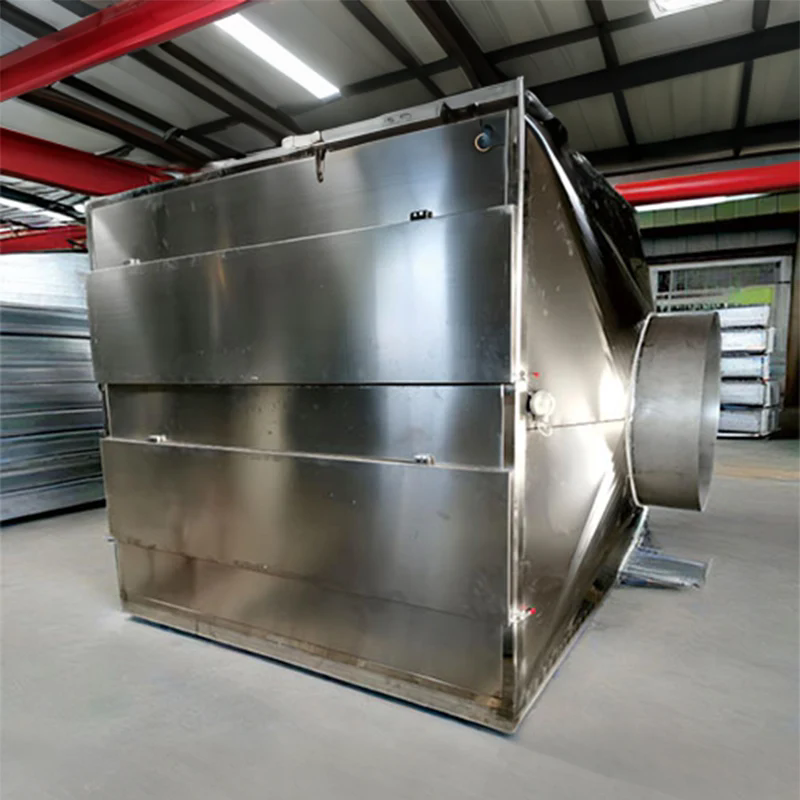
How Does Air Pollution Control Equipment Improve Industrial Air Quality?
Industrial activities such as manufacturing, chemical processing, power generation, and material handling often release dust, fumes, gases, and other airborne pollutants. Without effective treatment solutions, these emissions can affect worker safety, production efficiency, equipment lifespan, and environmental compliance. Air Pollution Control Equipment provides a reliable approach to capturing, filtering, and treating harmful pollutants before they enter the atmosphere.
 27 2026-07
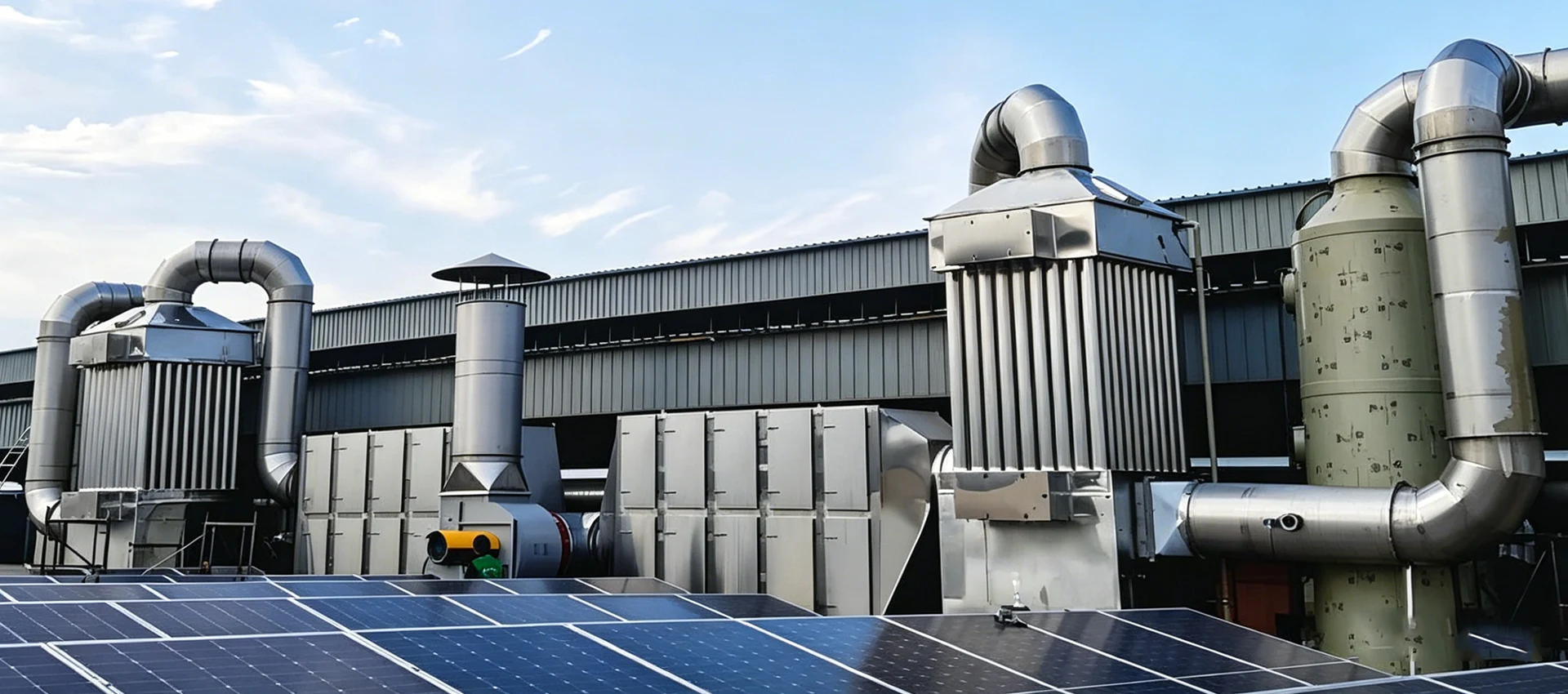
Industrial VOC Treatment: A Complete Guide to Methods, Cost, and Compliance
Industrial VOC treatment strips volatile organic compounds out of factory exhaust before it reaches the air. Six methods do most of the work: thermal oxidation (RTO), catalytic oxidation, adsorption, wet scrubbing, low-temperature plasma, and biological deodorization. Which one fits comes down to your VOC concentration, airflow, and temperature. Our RTO hits a 99%+ VOCs removal rate at 95%+ heat recovery.
 29 2026-04
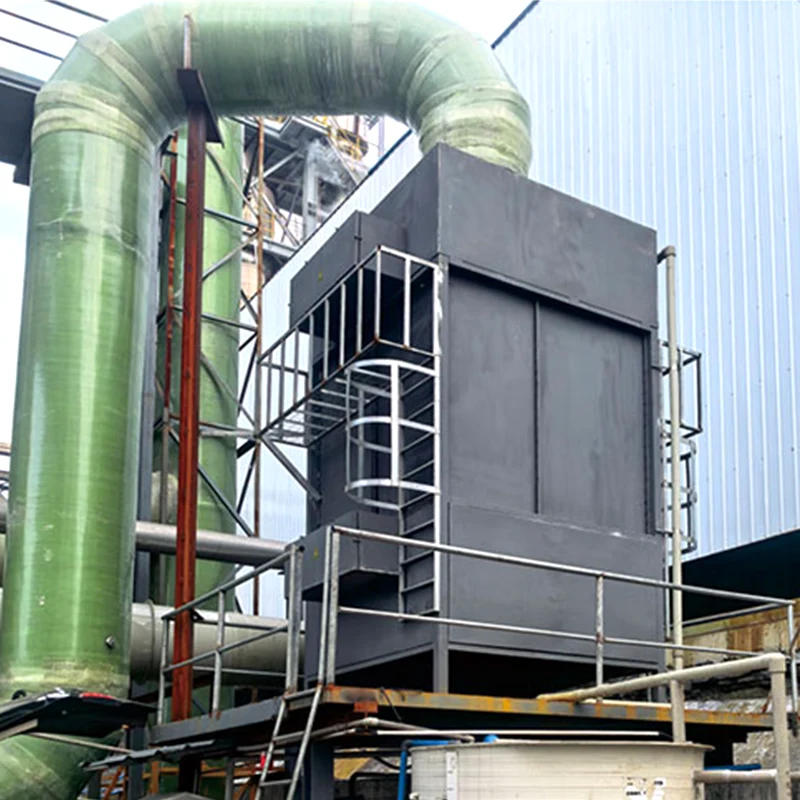
What is a three acid waste gas treatment system?
The three acid waste gas treatment system mainly adopts the combination process of "spray tower+wet electrostatic precipitator" to efficiently remove acidic gases and acid mist such as hydrochloric acid, sulfuric acid, nitric acid, etc., achieving ultra-low emissions.
 29 2026-04
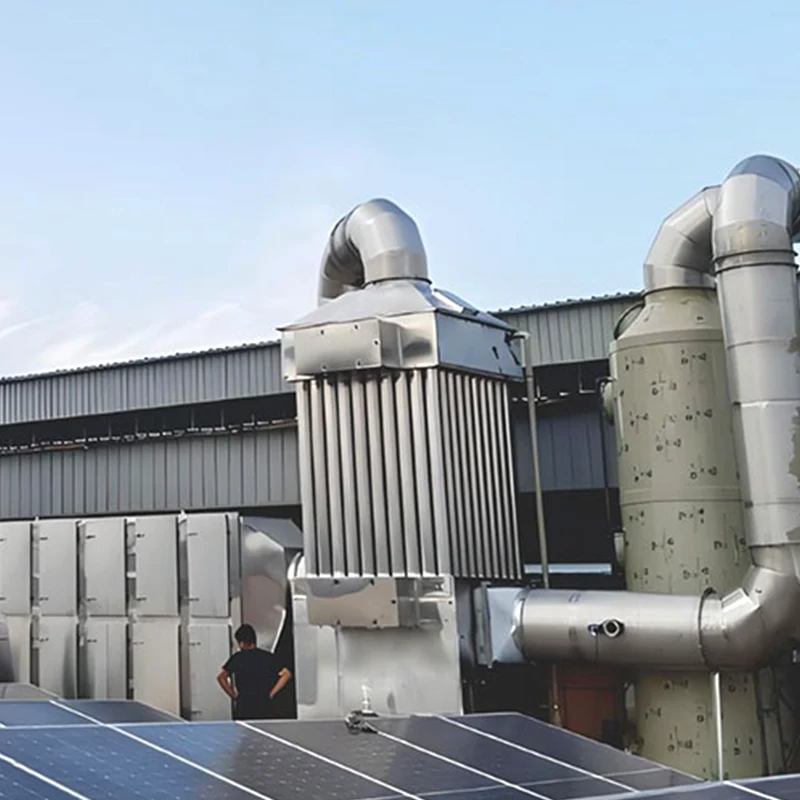
What is the treatment of organic waste gas from a thermal turbine?
The main components of organic waste gas from the hot forging machine are oil mist, volatile organic compounds (VOCs), particulate matter, and odorous gases. Its treatment requires the use of a "multi-stage purification+combined process" to achieve efficient emission control.