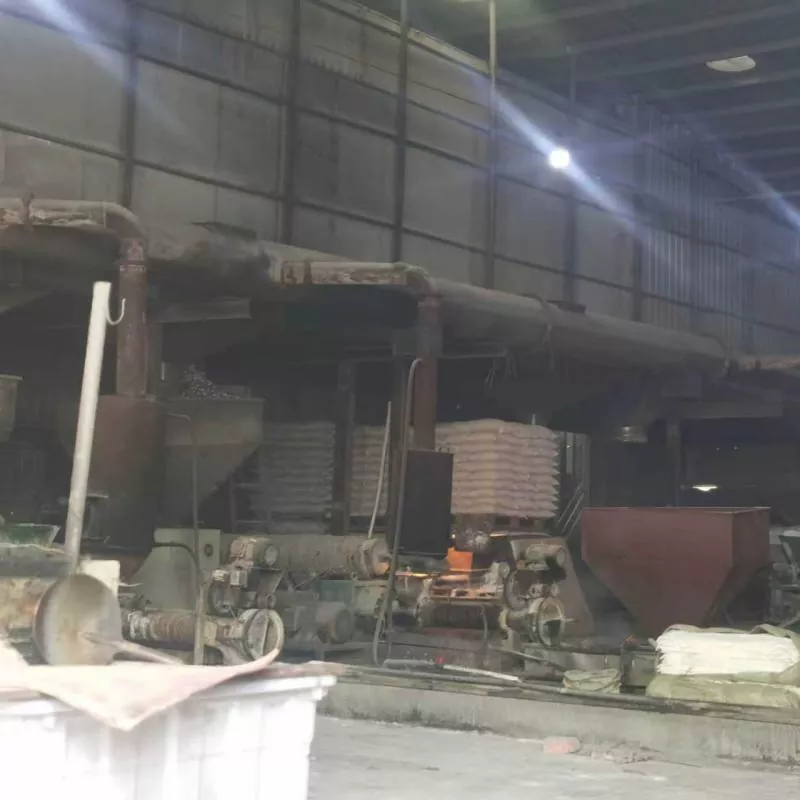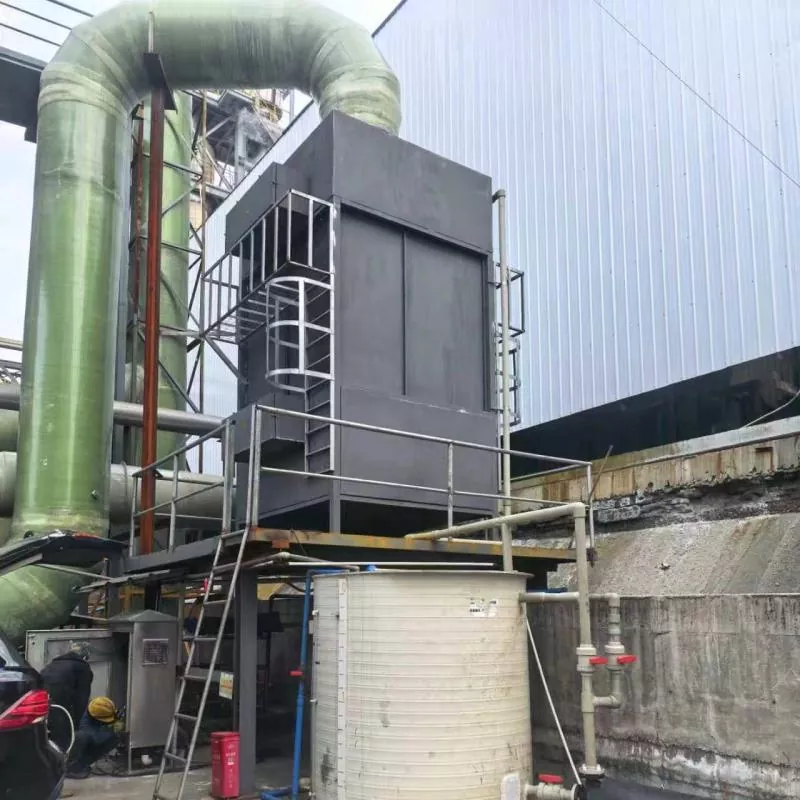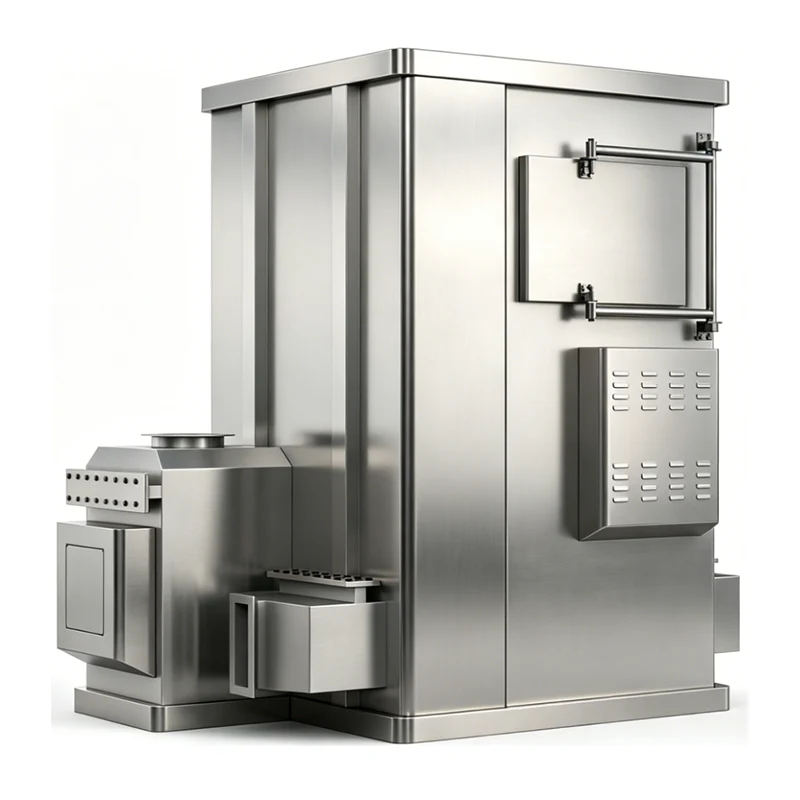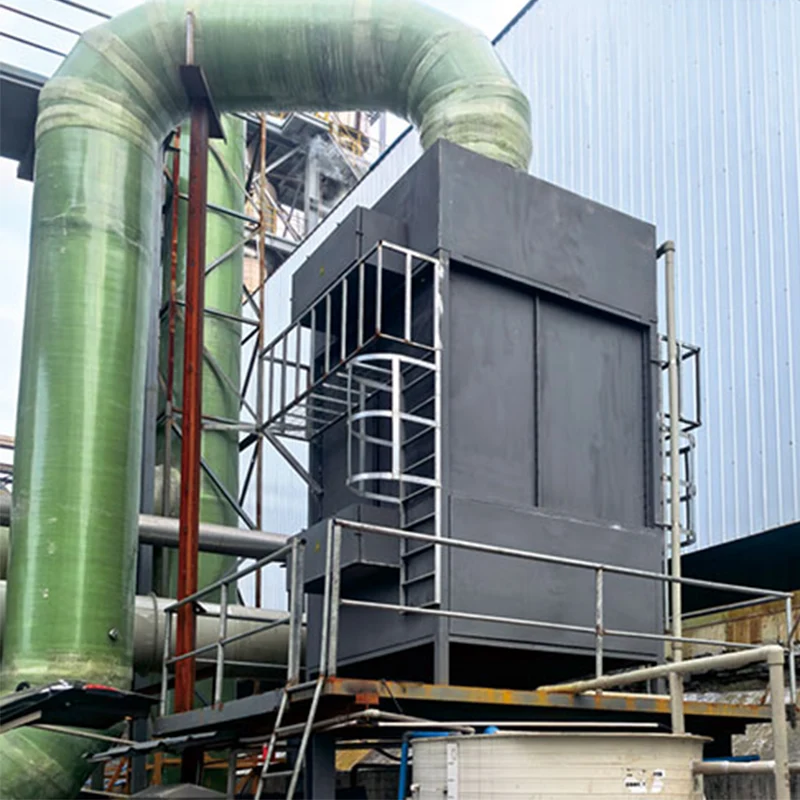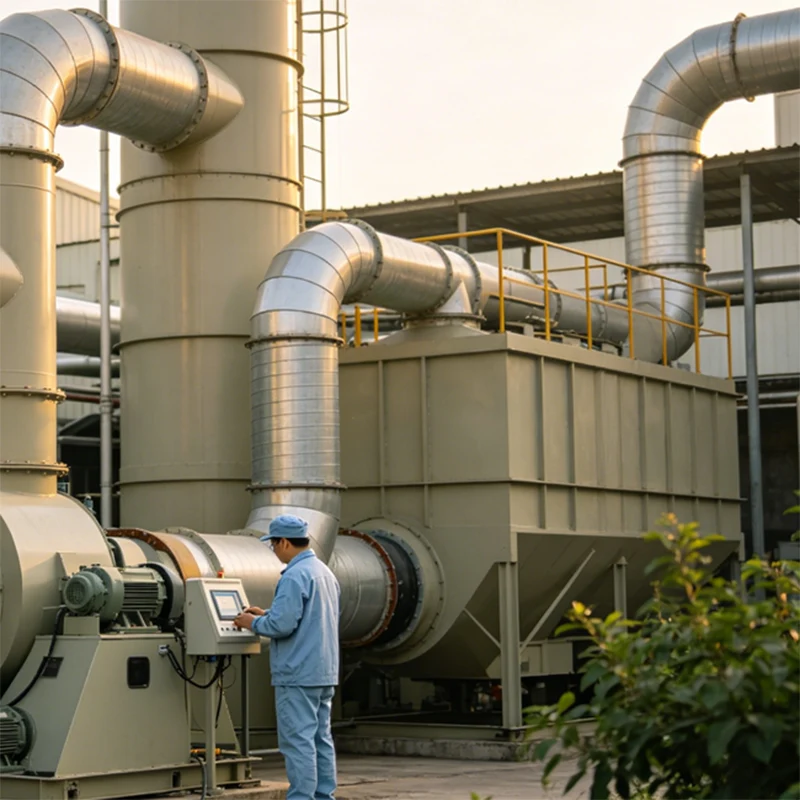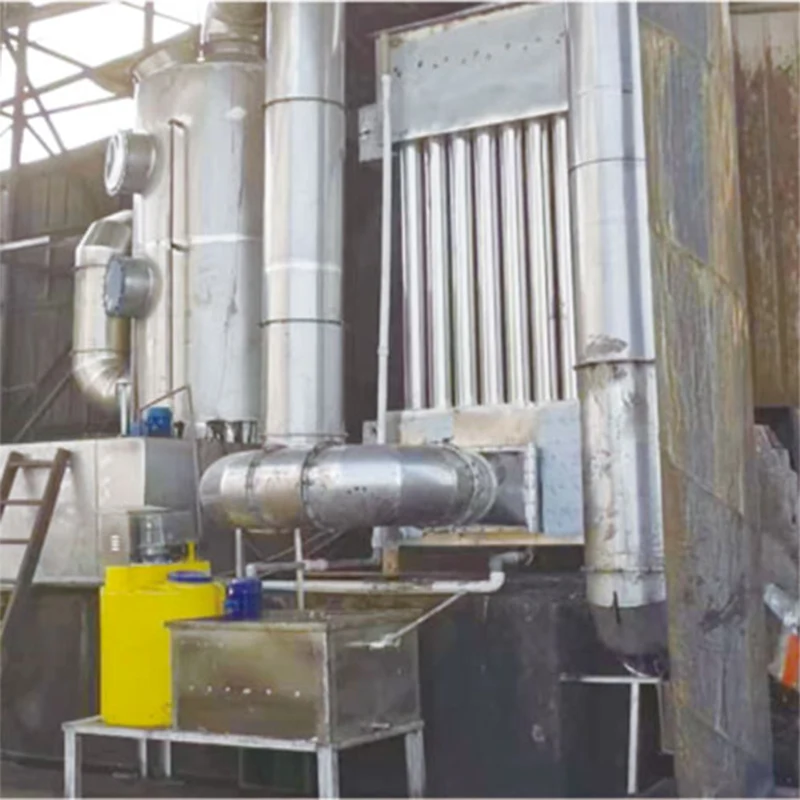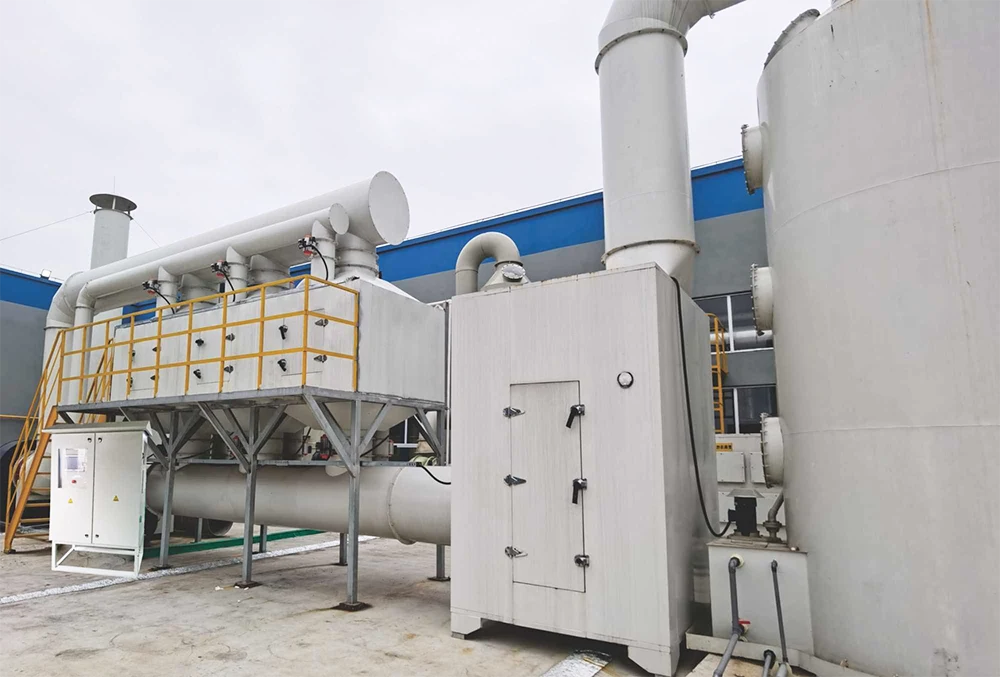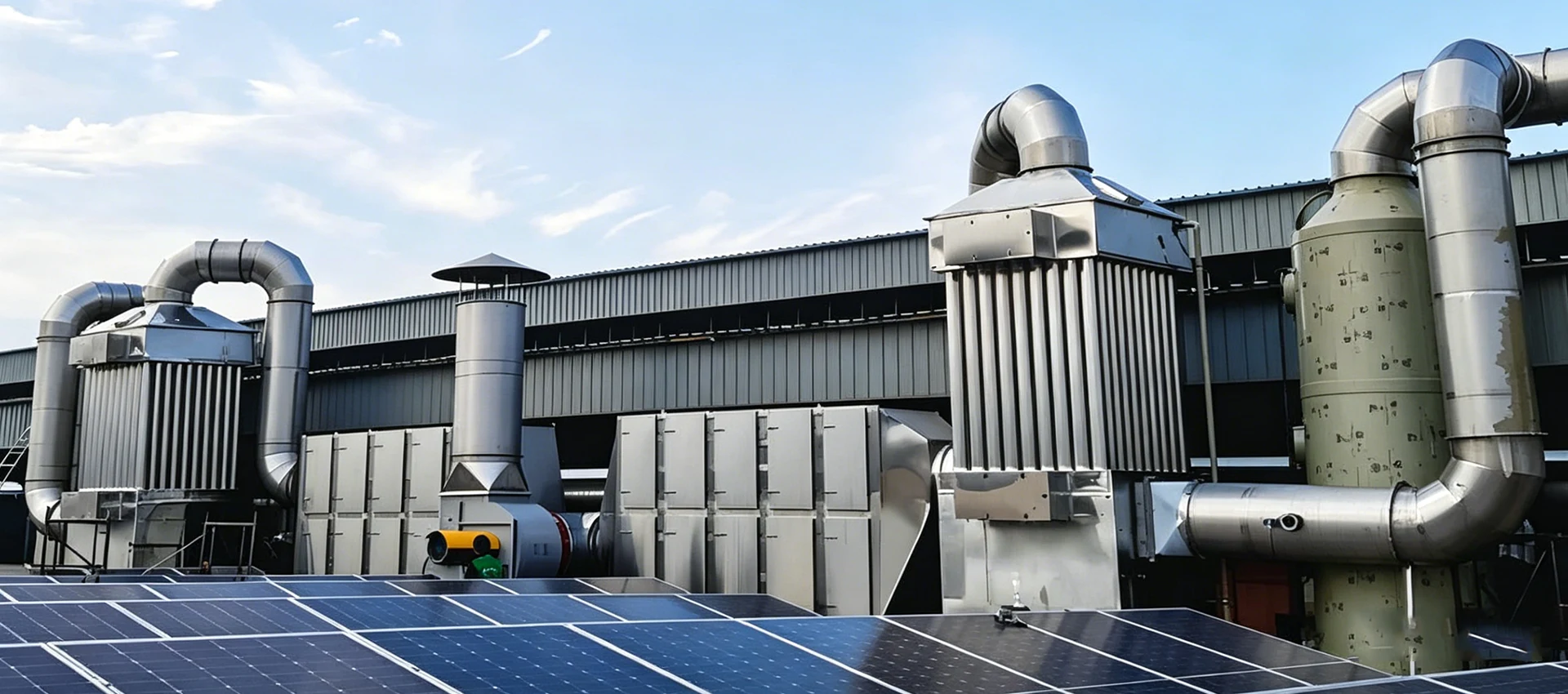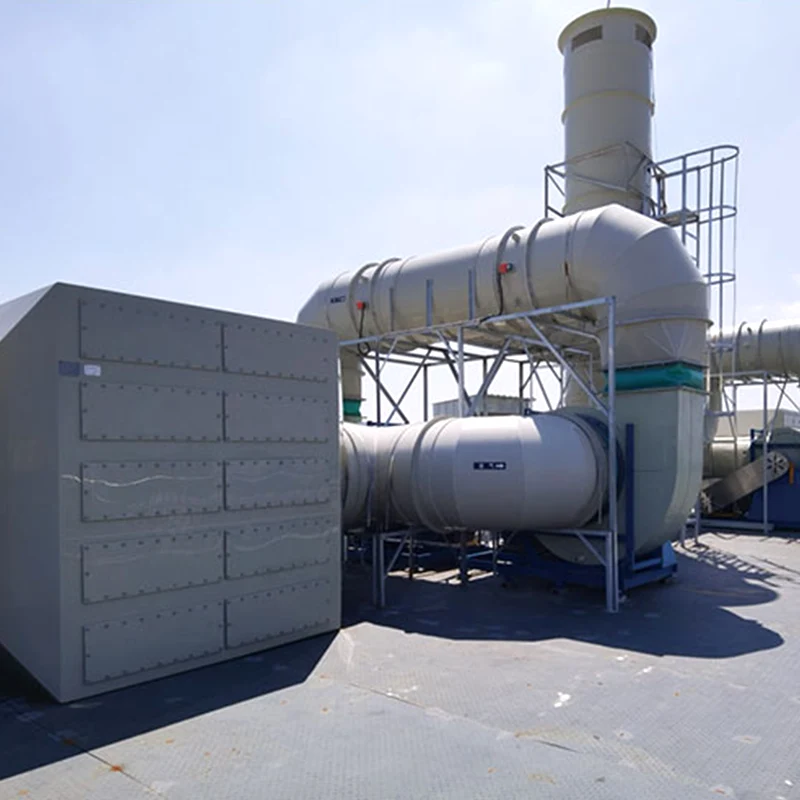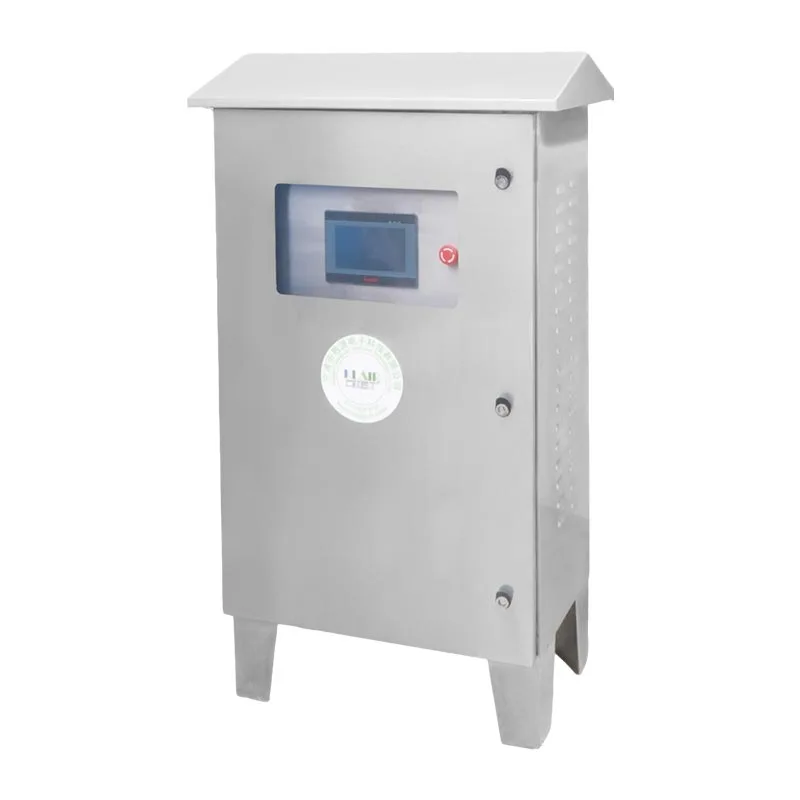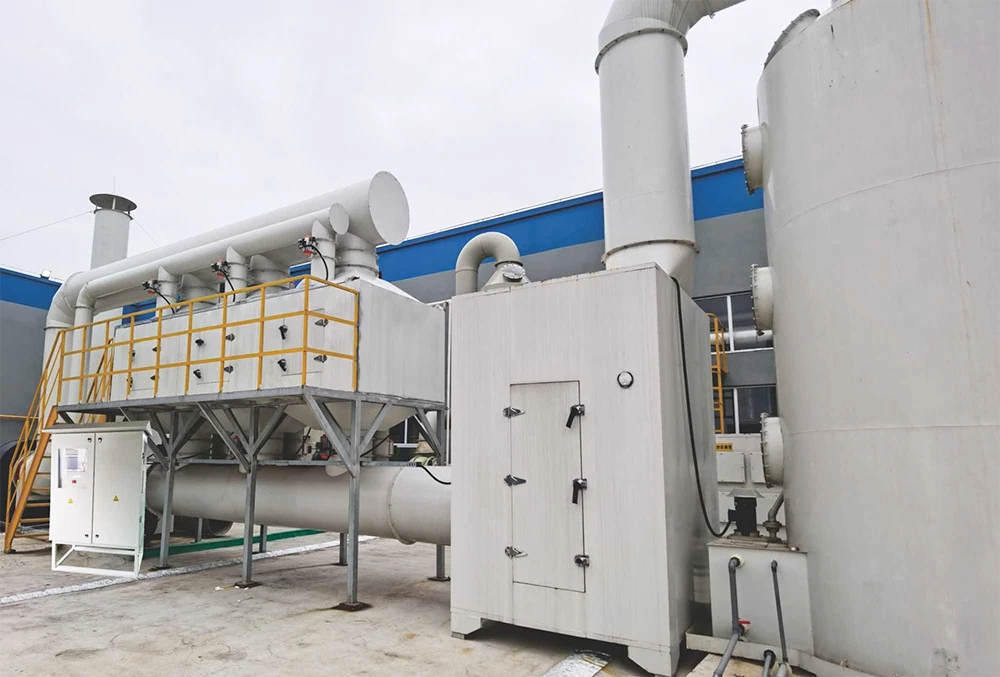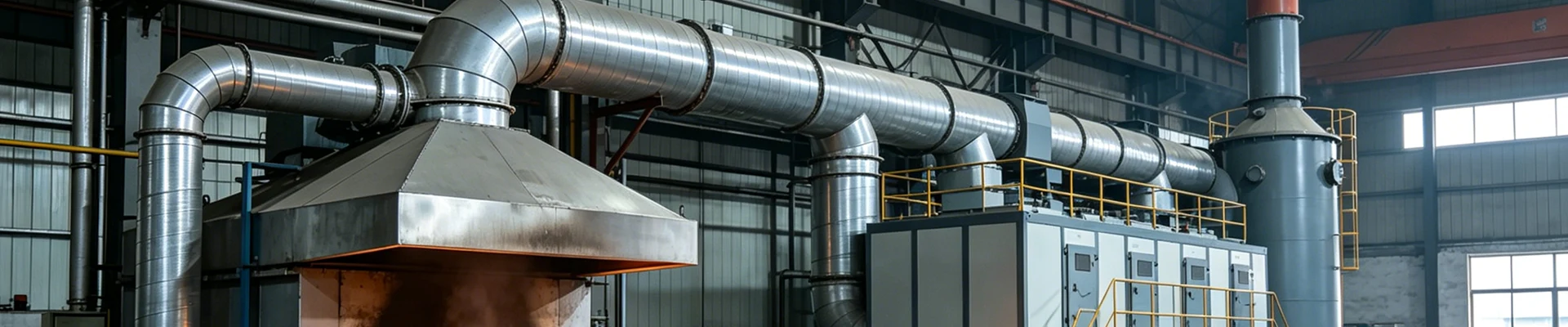
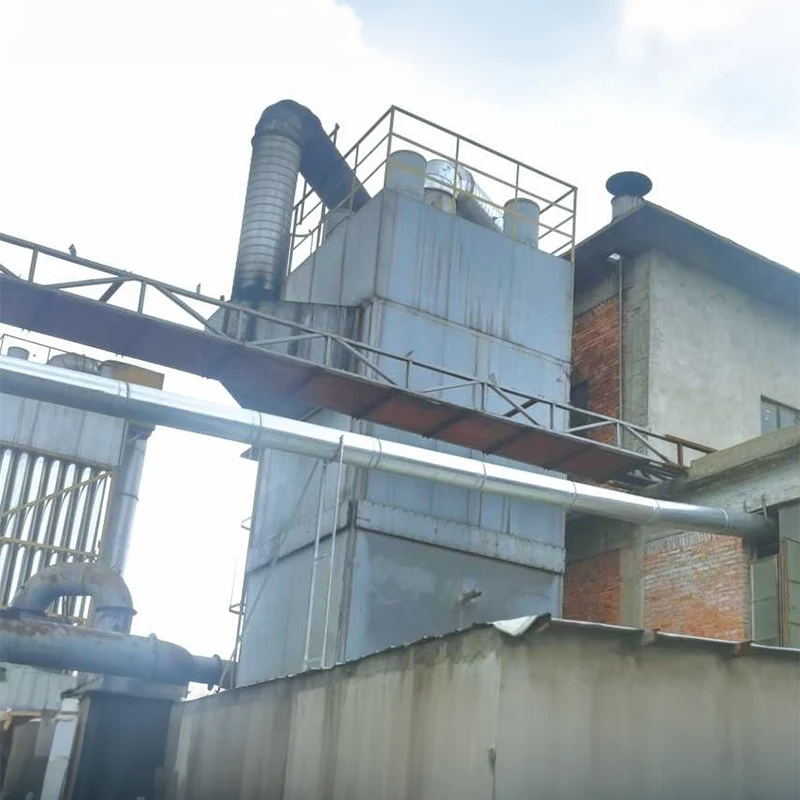
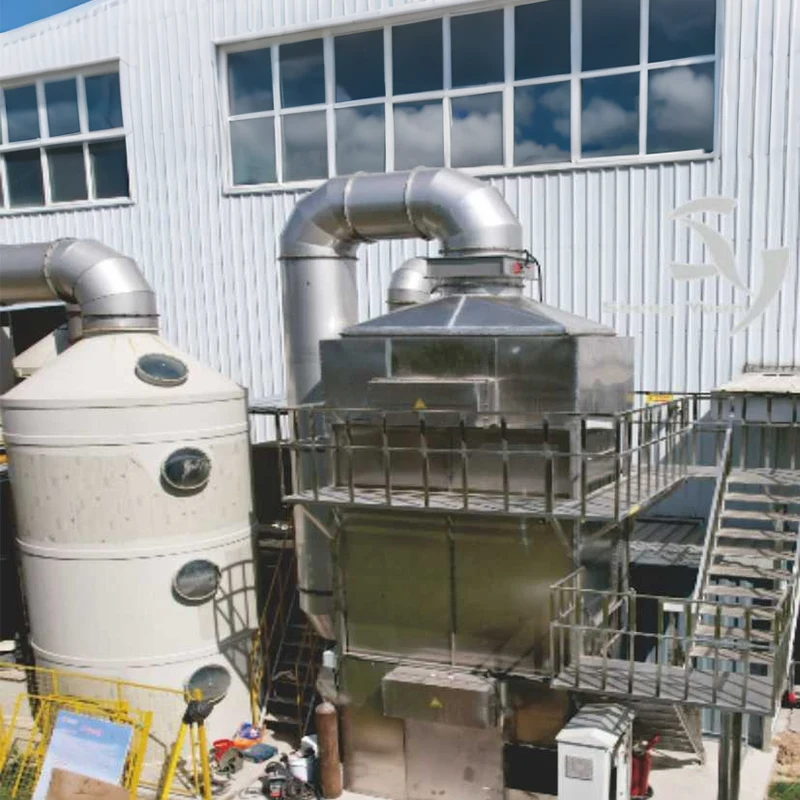
Waste Gas Treatment Equipment for Plastic Pyrolysis Recycling
Defaee is a professional manufacturer and supplier of environmental protection equipment, possessing strong technical expertise and reliable, end-to-end service capabilities in the fields of renewable resource recovery and plastic pyrolysis. Designed for plastic pyrolysis and renewable resource recovery operations, this Waste Gas Treatment Equipment for Plastic Pyrolysis Recycling employs a multi-stage purification process to effectively treat volatile organic compounds (VOCs) and complex flue gases generated during pyrolysis. It ensures stable compliance with emission standards while lowering operating costs and mitigating pollution risks, thereby comprehensively meeting the diverse procurement needs of such projects.
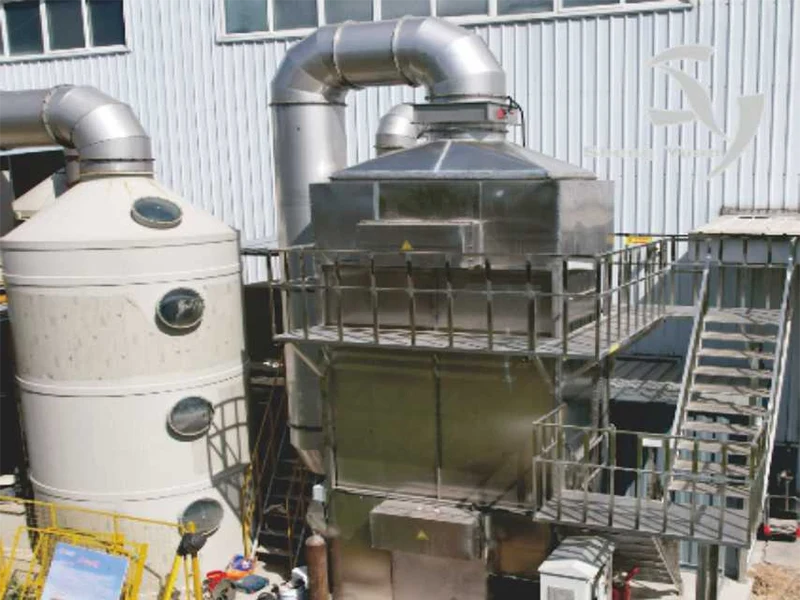
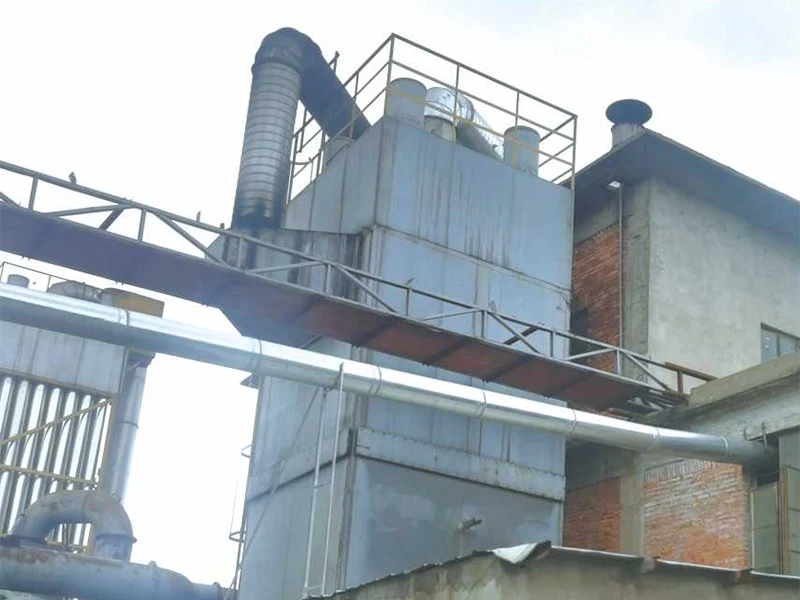
Functions & Advantages Description
| Strong pretreatment capability | Efficiently removes oil,coke and dust,suitable for complex waste gas from plastic pyrolysis. |
| Complete purification | Simultaneous removal of VOCs,odors,chlorine,sulfur and other pollutants,ensuring stable compliance with standards. |
| Conventional processes | Quench/Condensation→Spray Scrubbing→Demisting &Filtration→Activated Carbon/Catalytic Oxidation/Incineration(RTO/CO) |
| Key Objectives | Stable compliance,anti-clogging &anti-corrosion,explosion-proof &safe,pollution reduction &deodorization. |
| Wide adaptability | Compatible with waste gas treatment in multiple scenarios such as pyrolysis,granulation and regeneration. |
Plastic pyrolysis technology is an important means to realize solid waste treatment and resource utilization of renewable resources, and waste gas treatment is the key support to ensure the green and sustainable development of this technology. Through a series of environmental protection purification processes such as flue gas purification, VOCs treatment, deodorization & dedusting, the Waste Gas Treatment Equipment for Plastic Pyrolysis Recycling Resources realizes the standard discharge of waste gas, which can not only effectively protect the ecological environment, but also promote the efficient recycling of renewable resources, and help achieve the Dual Carbon Goals. In the future, with the continuous improvement of environmental protection policies and the continuous innovation of technology, plastic pyrolysis and waste gas treatment technology will be further integrated and upgraded, providing stronger support for solving the plastic pollution dilemma and promoting the high-quality development of the renewable resources industry, and realizing the unification of environmental benefits, economic benefits and social benefits.
Industry Background & Core Regulatory Demand
Against the backdrop of the global advancement of Dual Carbon Goals and increasingly stringent worldwide environmental policies, plastic pollution control and efficient renewable resource utilization have become a critical global issue. As one of the most widely used materials in modern society, waste plastics have created mounting pressure on solid waste treatment year by year. Plastic pyrolysis technology, as an efficient resource utilization solution, provides a feasible path to solve the plastic pollution dilemma and promote the circular development of renewable resources. Meanwhile, improper treatment of various waste gases generated during the plastic pyrolysis process will cause serious harm to the ecological environment and human health. Therefore, supporting waste gas treatment technology has become the core support for the sustainable development of the plastic pyrolysis industry, running through the entire process of renewable resource recycling.
Technical Principle & Resource Value of Plastic Pyrolysis
Plastic pyrolysis refers to the process of heating and decomposing waste plastics into usable products such as fuel oil, fuel gas, and carbon black in an oxygen-free or oxygen-deficient environment, which is essentially the core technology to realize the resource utilization of plastic solid waste.
The massive accumulation of waste plastics, a typical solid waste, not only occupies land resources but also causes long-term pollution due to its difficulty in natural degradation. Plastic pyrolysis technology breaks the molecular structure of plastics through heat-driven chemical conversion and turns them into high-value-added renewable resources, which not only solves the problem of solid waste treatment but also achieves the resource utilization goal of "turning waste into treasure", in line with the global mainstream trend of renewable resource circular development.
During the pyrolysis process, various types of waste plastics (such as polyethylene, polypropylene, polystyrene, etc.) can be efficiently converted by adjusting parameters such as pyrolysis temperature and reaction time. The produced fuel oil can be used in industrial heating, power generation and other fields, fuel gas can be directly used as energy, and carbon black can be used in rubber, coating and other industries, truly realizing the reduction, harmlessness and resource utilization of solid waste.
Composition & Environmental Hazards of Plastic Pyrolysis Waste Gas
A large amount of waste gas will be generated during the plastic pyrolysis process, with complex components mainly including Volatile Organic Compounds (VOCs), flue gas, dust, and harmful gases containing sulfur, nitrogen and chlorine. Direct discharge of such waste gas will cause serious air pollution, as well as pungent odors that affect the living quality of surrounding residents.
Waste gas treatment is an indispensable link in the plastic pyrolysis industry. Its core goal is to realize deodorization & dedusting, flue gas purification of waste gas through a series of environmental protection purification processes, and finally ensure the standard discharge of waste gas to protect ecological environment safety.
Multi-stage Purification Process
The Waste Gas Treatment Equipment for Plastic Pyrolysis Recycling Resources is a comprehensive environmental protection purification system, which adopts a multi-stage process of "pretreatment + core purification + advanced treatment" according to the composition and concentration of waste gas, to fully remove all types of pollutants, while taking into account the environmental protection and economy of renewable resource utilization.
Pretreatment Stage
This stage mainly targets impurities such as dust and particulate matter in the pyrolysis waste gas. Through cyclone dust removal, bag dust removal and other equipment, it achieves preliminary smoke and dust removal, reduces the load of the subsequent purification process, and avoids equipment blockage and purification efficiency reduction caused by impurities. This link is the basis of flue gas purification and the first step of deodorization & dedusting, which can effectively remove solid particulate matter in the waste gas, and reduce the turbidity and dust content of the waste gas.
Core Purification Stage
This stage mainly targets VOCs and harmful gases in the waste gas, which is the key link of waste gas treatment. VOCs are one of the main pollutants in plastic pyrolysis waste gas, with the characteristics of strong volatility, high toxicity, flammability and explosiveness. Improper treatment will damage the human respiratory system and nervous system, and it is also an important inducement for the formation of ozone pollution and PM2.5.
At present, the mainstream treatment technologies for VOCs include adsorption method, catalytic combustion method, condensation recovery method, etc. Among them, catalytic combustion technology is widely used in plastic pyrolysis waste gas treatment due to its advantages of high treatment efficiency, low energy consumption and no secondary pollution.
This technology decomposes VOCs into carbon dioxide and water at low temperature through the action of catalysts, which not only realizes the harmless treatment of organic waste gas, but also recycles the heat energy generated during the decomposition process, further improves the utilization efficiency of renewable resources, and achieves the dual benefits of environmental protection and energy saving.
Flue Gas Purification Stage
Flue gas purification is another core part of waste gas treatment, mainly targeting harmful flue gas containing sulfur, nitrogen and chlorine generated during the pyrolysis process. Direct discharge of these flue gases will cause environmental problems such as acid rain and photochemical smog, and damage the ecological balance.
For sulfur-containing flue gas, desulfurization process is usually adopted to convert sulfide into harmless sulfate through lime milk spraying, activated carbon adsorption and other methods;
For nitrogen-containing flue gas, denitrification process is adopted to convert nitrogen oxides into nitrogen and water through technologies such as Selective Catalytic Reduction (SCR);
For chlorine-containing flue gas, alkali liquor absorption is used to remove chlorine elements, avoiding equipment corrosion and secondary pollution.Through multi-link flue gas purification treatment, harmful components in the waste gas can be completely removed, ensuring that the flue gas emission meets national and international environmental protection standards.
Advanced Deodorization & Dedusting Stage
Deodorization & dedusting is a supplementary link of waste gas treatment, and also an important guarantee to improve the quality of the surrounding environment. Plastic pyrolysis waste gas contains a large number of pungent odor substances such as benzene, toluene and xylene, and a small amount of odor may remain even after core purification treatment, so special deodorization process is required.
At present, commonly used deodorization technologies include activated carbon adsorption deodorization, biological deodorization, photocatalytic deodorization, etc. These technologies effectively remove odor substances in waste gas through the principles of physical adsorption, biodegradation, photocatalytic oxidation, etc., realize odor-free emission of waste gas, and reduce the impact on surrounding residents.
Combined with the subsequent advanced filtration process, it can further remove fine particulate matter and residual pollutants in the waste gas, ensuring the comprehensiveness and stability of waste gas treatment.
Compliance & Dual-Carbon Synergy Value of the System
The entire waste gas treatment process always focuses on the core goal of environmental purification, through the synergistic effect of multi-stage processes, to achieve the reduction and harmless treatment of waste gas, and finally meet the requirements of standard discharge. Standard discharge is not only the basic premise for enterprises to comply with production regulations, but also an important guarantee to promote the sustainable development of the renewable resources industry. Only through standardized waste gas treatment can plastic pyrolysis technology truly become a green and environmental friendly solid waste treatment and resource utilization method, and promote the high-quality development of the renewable resources industry.
The integration of plastic pyrolysis and waste gas treatment technology not only solves the dual problems of solid waste treatment and waste gas pollution, but also promotes the efficient recycling of renewable resources. Fuel oil, fuel gas and other products produced by plastic pyrolysis are renewable secondary energy sources, whose utilization reduces the dependence on fossil energy, cuts carbon emissions, and meets the requirements of the Dual Carbon Goals. The heat energy, activated carbon and other resources recovered during the waste gas treatment process can be further recycled, improving the resource utilization efficiency of the entire industry, and forming a closed-loop system of "solid waste treatment - resource utilization - waste gas treatment - resource recovery".
Customized Application Solutions & Technical Innovation
In practical applications, the implementation of plastic pyrolysis and waste gas treatment technology requires personalized process design and equipment configuration based on the actual situation of the enterprise, such as production scale, plastic type, waste gas composition, etc.
For large-scale plastic pyrolysis projects, the combined process of "catalytic combustion + desulfurization and denitrification + activated carbon adsorption" can be adopted to ensure the high efficiency and stability of waste gas treatment;
For small and medium-sized projects, modular Waste Gas Treatment for Plastic Pyrolysis & Recyclable Resources can be used to reduce investment cost and operation energy consumption, while meeting the requirements of standard discharge. In addition, with the continuous upgrading of environmental protection technology, new waste gas treatment technologies (such as low-temperature plasma purification technology, membrane separation technology, etc.) are gradually applied to plastic pyrolysis waste gas treatment, which further improves the treatment efficiency, reduces the treatment cost, and injects new impetus into the development of the renewable resources industry.
Hot Tags: Waste Gas Treatment Equipment for Plastic Pyrolysis Recycling, Manufacturer, Supplier, Factory
Send Inquiry
Contact Info
-
Address
No. 661 Cangchu Road, Jiangbei District, Ningbo City,ZHEJIANG PROVINCE,CHINA
-
Tel
-
Email
For inquiries about our products or pricelist, please leave your email to us and we will be in touch within 24 hours.