High-Performance Air Purification Equipment For Indoor And Industrial Scenarios
- View as
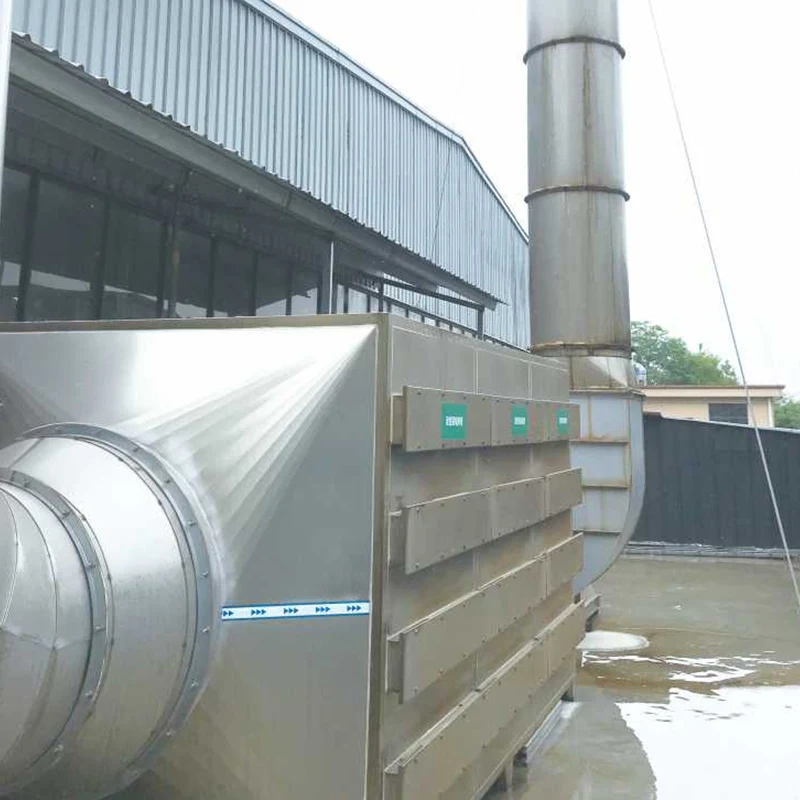
Industrial Oil Mist Purification System
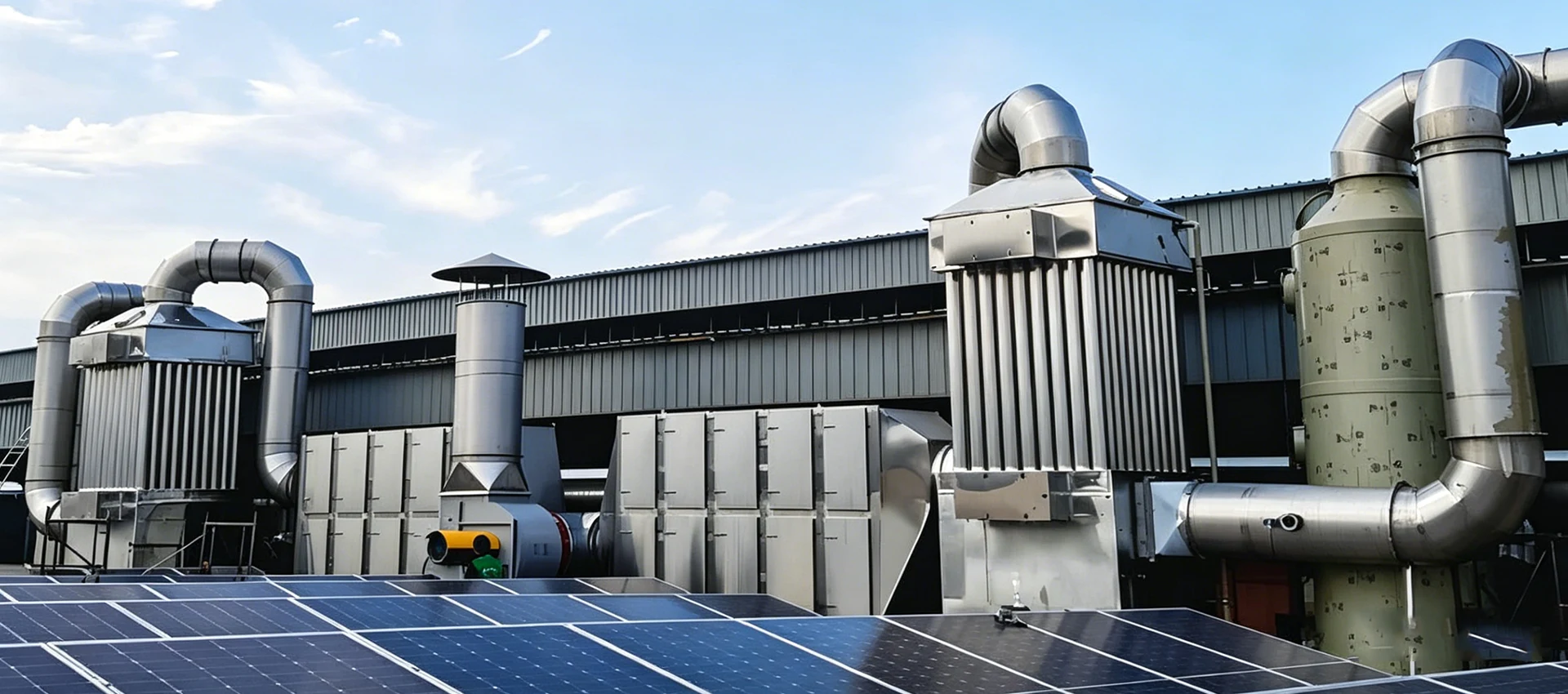
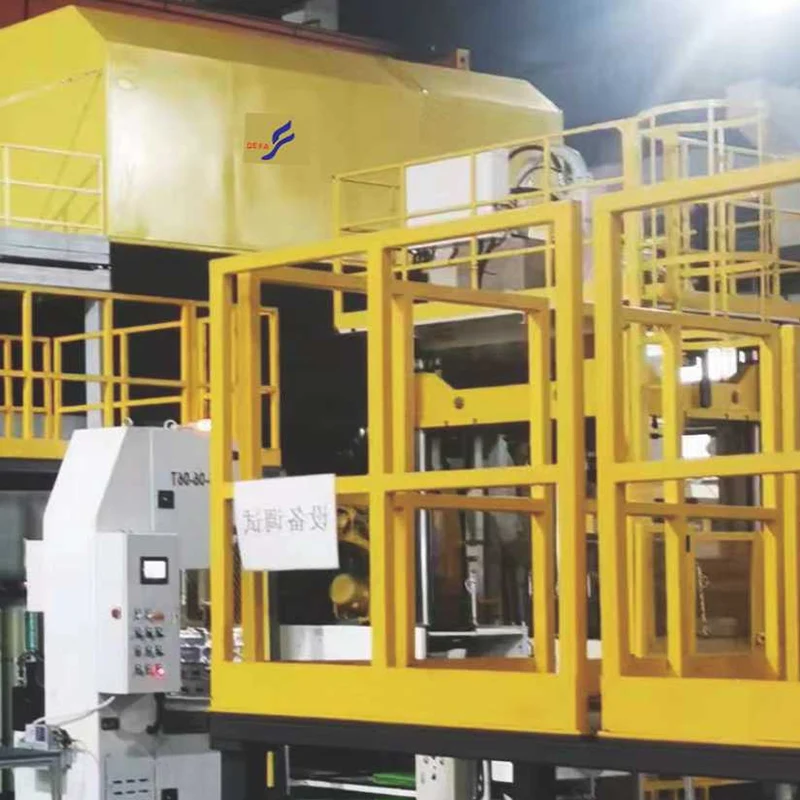
Defaee provides reliable oil mist solutions with high oil recovery rates and durable industrial-grade construction. As a leading manufacturer and supplier, it offers the Industrial Oil Mist Purification Systems. They remove 99.9% of fine oil mist particles, recover 85-95% of cutting fluids for reuse, protect workers and precision equipment, and help manufacturing enterprises meet environmental and safety standards.
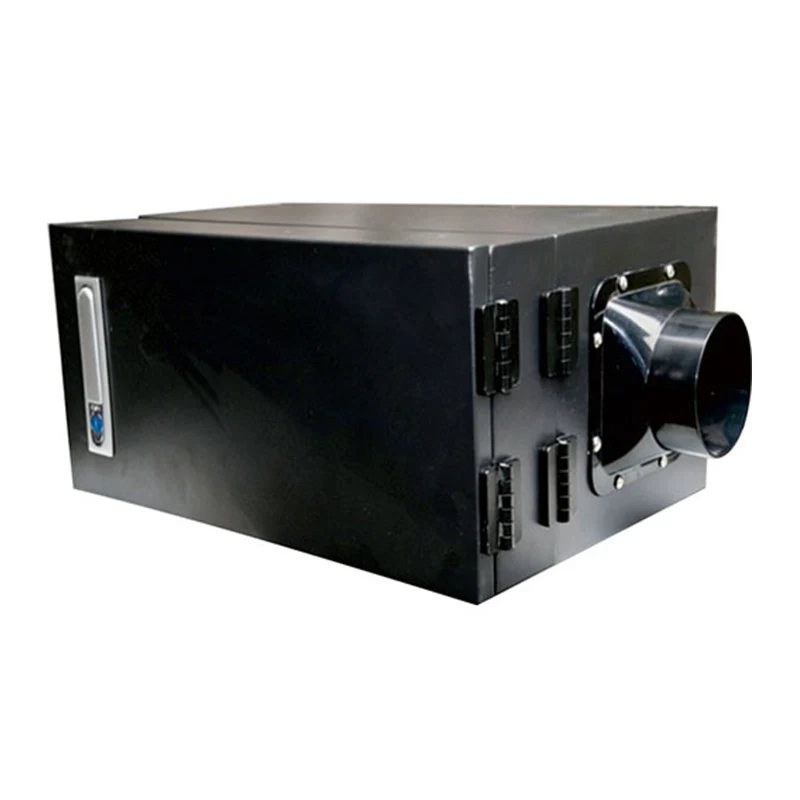
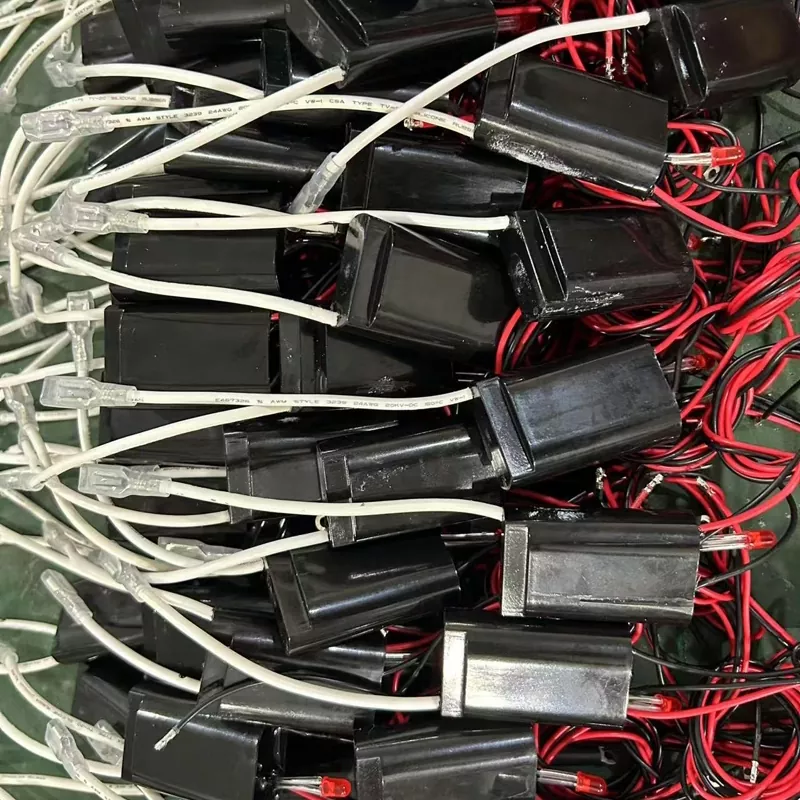
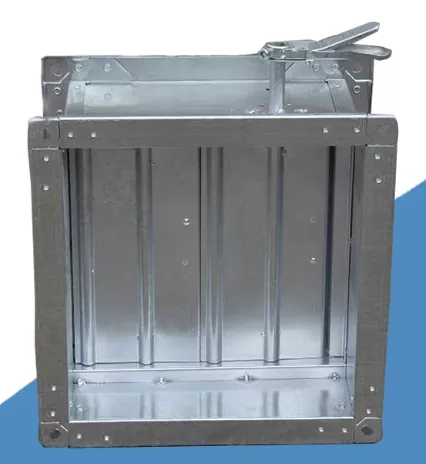
Duct-mounted Sterilization and Dust-Removal Purification Modules
Defaee specializes in integrated air purification solutions for air ducts, featuring a "zero-consumable" design and ultra-low airflow resistance technology. As a reliable manufacturer and supplier, the company offers duct-mounted sterilization and dust-removal purification modules that can be installed directly into existing ventilation ducts; these modules effectively remove PM2.5 and eliminate over 99% of bacteria. This solution requires no additional space, helps reduce maintenance costs, and significantly improves indoor air quality across various public and industrial settings.
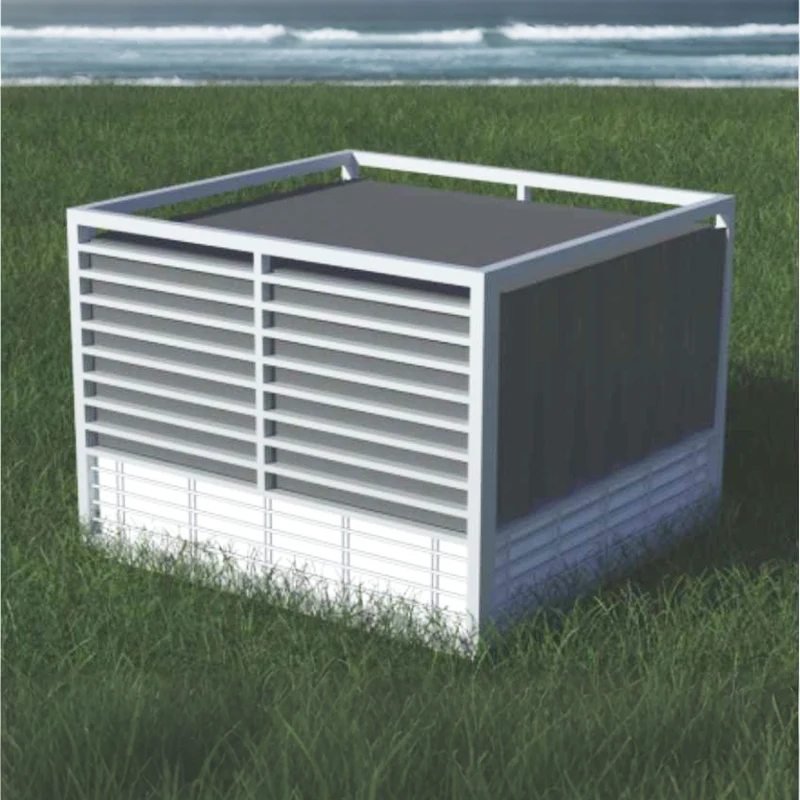
Tunnel Fresh Air Purification System
Defaee leads in tunnel environmental solutions with proven intelligent energy-saving technology and zero-consumable design. As a professional manufacturer and supplier, it provides the Tunnel Fresh Air Purification System. It removes over 85% of PM2.5 and harmful gases, cuts energy use by 60%, eliminates exhaust disturbance, and supports both new tunnel construction and old tunnel retrofits for green smart transportation.
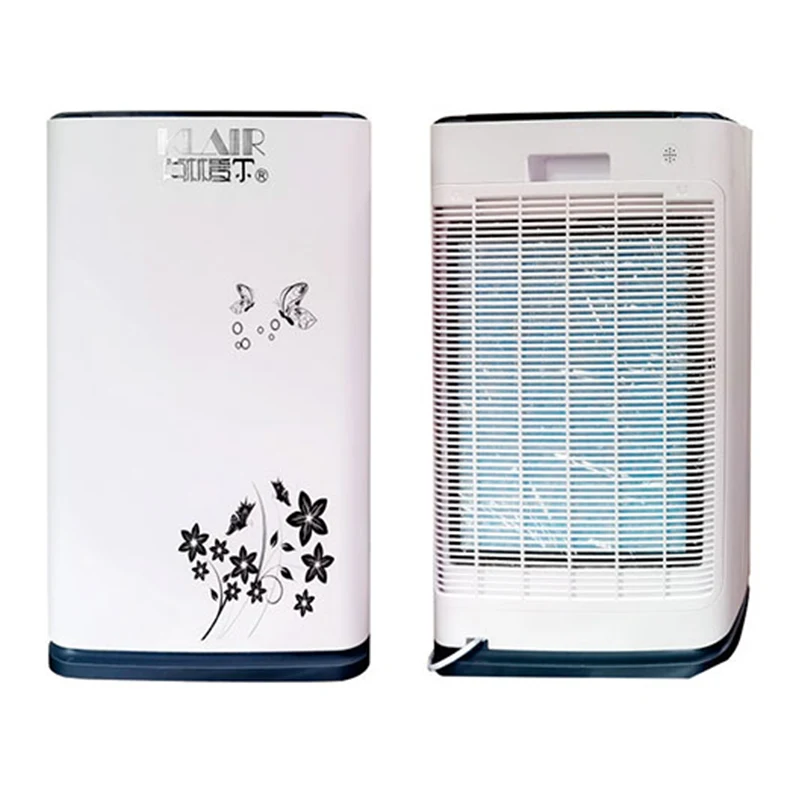
Air Purifier
Defaee stands out with medical-grade filtration technology and ultra-quiet operation for indoor air solutions. As a leading manufacturer and supplier, it provides the Air Purifiers. They remove 99.995% of PM2.5, formaldehyde and bacteria, run on low energy, support smart control, and create clean, healthy breathing environments for homes, offices and commercial spaces.
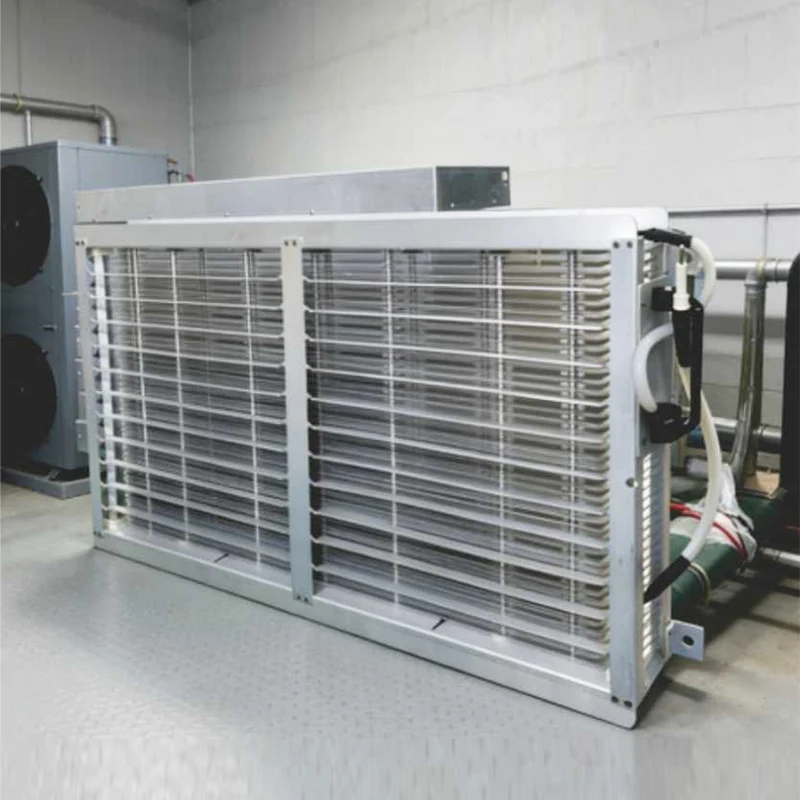
Air Purification Module for Buses, Subways and Public Space
Defaee excels in vehicle-specific air purification solutions with strong vibration resistance and stable long-term operation. As a professional manufacturer and supplier, it provides the Air Purification Module for Buses, Subways and Public Space. It removes 99.99% of bacteria and viruses, cuts PM2.5 to safe levels, runs on low power, and creates healthier cabin environments for public transit passengers and drivers.
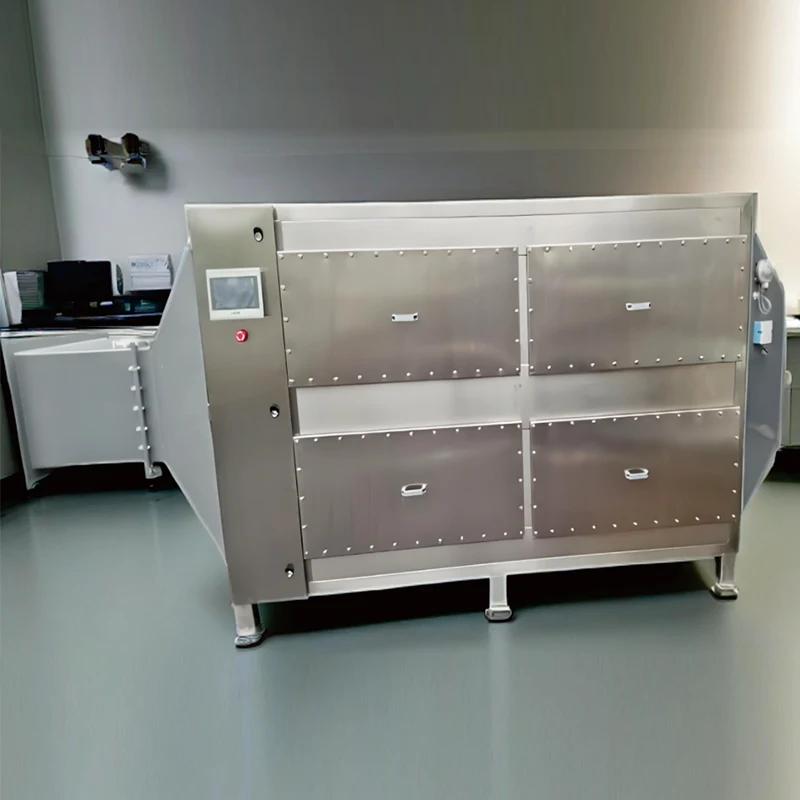
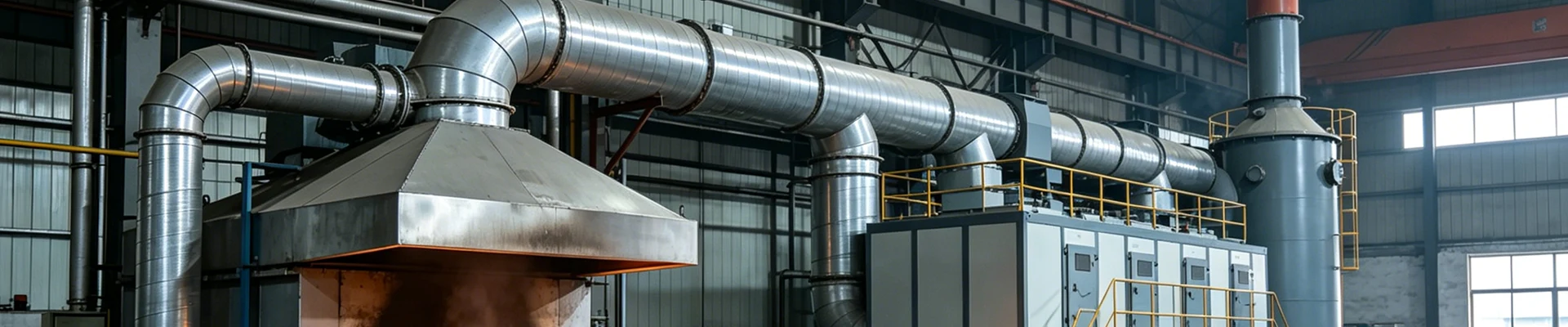
Dry Chemical Filtration Unit
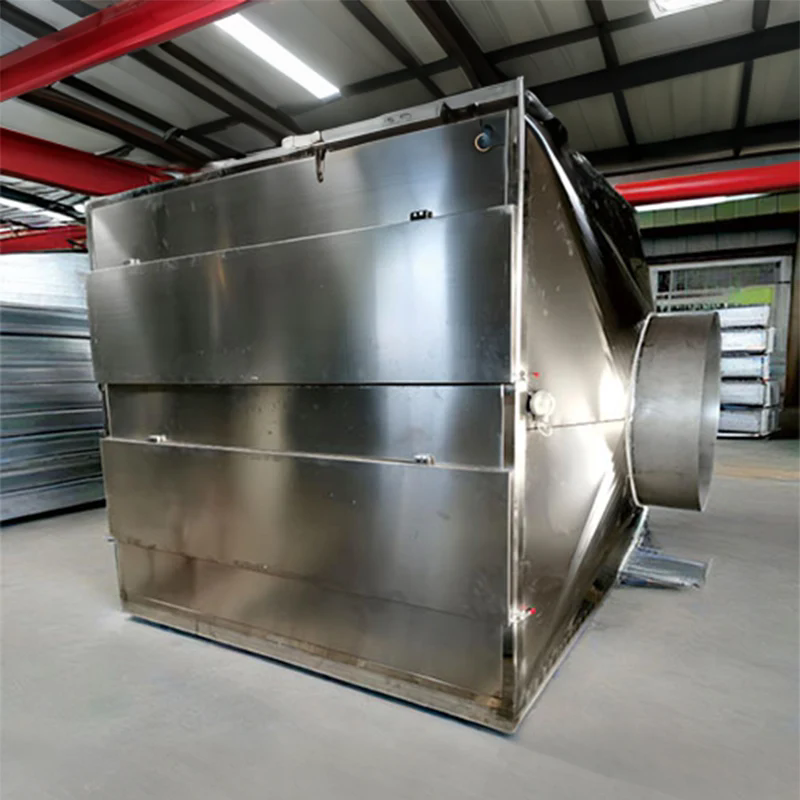
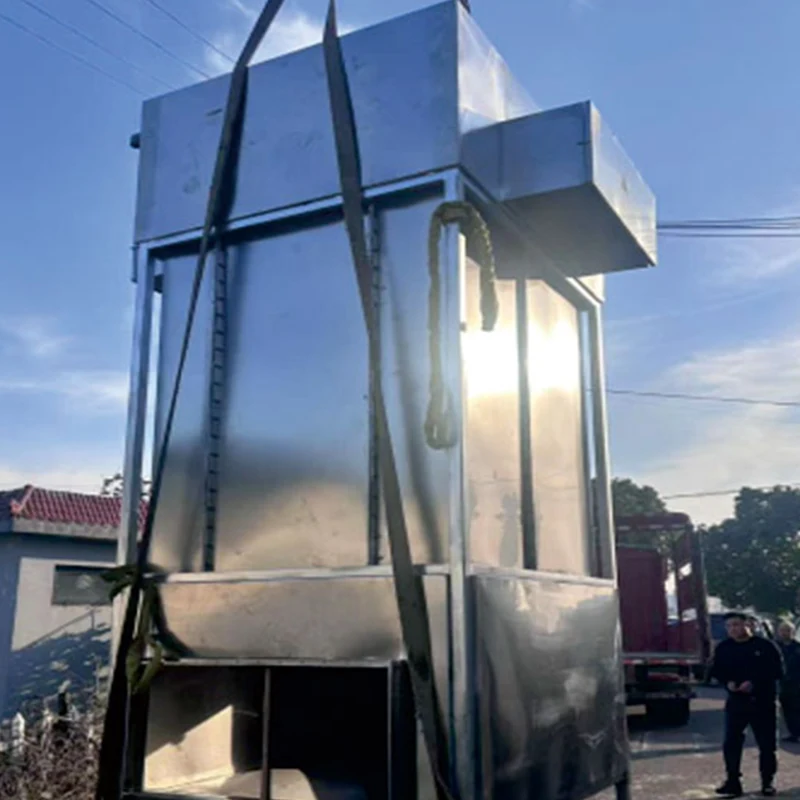
Defaee focuses on industry-specific environmental solutions with excellent corrosion resistance and long service life. As a professional manufacturer and supplier, it provides the Dry Chemical Filtration Unit. It uses a dry process with zero secondary pollution, achieves over 95% purification efficiency, cuts energy use by 30-40%, and helps pharmaceutical, chemical and fermentation enterprises meet strict emission standards.
Classification by Application Scenario & Purpose (Most Commonly Used Classification)
1. Household Air Purifiers
Designed for indoor home environments, focusing on improving residential air quality, with compact models, low noise and easy operation.
Sub-types
- Conventional vertical purifier: Suitable for living rooms and master bedrooms, comprehensively purifies dust, odors and bacteria.
- Mini/desktop purifier: USB-powered, compact size, suitable for small spaces such as office desks and bedside tables.
- Formaldehyde removal special purifier: Equipped with enhanced activated carbon / catalytic decomposition modules, mainly for new houses and decoration pollution treatment.
- Maternal-infant / sleep model: Low noise, zero ozone, high-grade filter, suitable for the elderly, children and sensitive groups.
Core features: Mainly internal circulation purification, safety first, with comprehensive functions.
2. Commercial Air Purifiers
Designed for densely populated and large-area public spaces, with larger air volume, sturdy body and strong continuous operation capability.
Applicable places: Offices, school classrooms, shopping malls, hotels, cinemas, gyms, business halls, etc.
Core features: Large air volume and multiple air inlets. Some models are equipped with electrostatic dust collection to reduce consumable costs, and can operate continuously for a long time.
3. Industrial Special Air Purification Equipment
Targeting industrial pollutants generated in production workshops and workstations, with strong pertinence, different from civilian products.
Sub-categories
- Welding fume purifier: Equipped with suction arms, specially treats welding fume and metal particulate matter, mostly used in machining workshops.
- Industrial oil fume / odor purifier: Treats workshop oil fume, light VOCs and production odors.
- FFU Fan Filter Unit: High-grade filtration, used in dust-free workshops for electronics, pharmaceuticals and precision manufacturing.
- Workstation dust removal purifier: Fixed-point treatment of dust generated by grinding and cutting.
Core features: Resistant to high-concentration pollutants, large air volume, high protection level, and some models have relatively high noise.
4. Fresh Air Purification All-in-One Machine
Integrates two functions of ventilation and purification, different from traditional internal circulation purifiers.
- Principle: Introduces and filters outdoor fresh air, and discharges indoor dirty air at the same time to realize indoor and outdoor air exchange.
- Sub-types: Wall-mounted, cabinet type, central duct type.
- Applications: Closed apartments, rooms with poor ventilation, and whole-house ventilation and purification.
- Core features: It not only purifies the air, but also increases indoor oxygen content and solves the stuffiness problem in enclosed spaces.
Classification by Core Purification Technology (Functional Principle Classification)
1. Pure Physical Filtration Type (Mainstream Civilian Model)
With filter combination as the core: primary efficiency filter + HEPA high efficiency filter + activated carbon filter.
- Function: Intercepts dust, PM2.5, hair and bacteria, and adsorbs formaldehyde, TVOC and odors.
- Advantages: No ozone, safe and harmless; Disadvantages: Filters are consumables and require regular replacement.
- Applications: Most household and commercial scenarios.
2. Electrostatic Dust Collection Type
Relies on high-voltage electric field to adsorb particulate matter, and the dust collection plate can be washed and reused.
- Advantages: Low consumable cost and low wind resistance; Disadvantages: Prone to produce trace ozone during operation.
- Applications: Commercial places and industrial dust removal, not recommended for long-term use in bedrooms.
3. Chemical Decomposition / Catalytic Type
Equipped with photocatalysis, cold catalyst and formaldehyde decomposition modules to decompose harmful gases into harmless substances.
- Function: Long-term decomposition of formaldehyde and VOCs, avoiding secondary release after activated carbon adsorption saturation.
- Applications: New houses and spaces with serious decoration pollution, mostly used in combination with filter assemblies.
4. Ion Type (Negative Ion / Plasma)
Releases ions to settle floating dust, and assists in bacteriostasis and odor removal.
- Advantages: Small size and low energy consumption; Disadvantages: Only serves as auxiliary purification, cannot completely remove formaldehyde and heavy dust.
- Applications: Mini desktop models and auxiliary deodorization.