

News
Stay updated with Defaee's latest company news, industry trends, technological innovations in waste gas treatment, air purification, and environmental protection equipment.
 27 2026-07
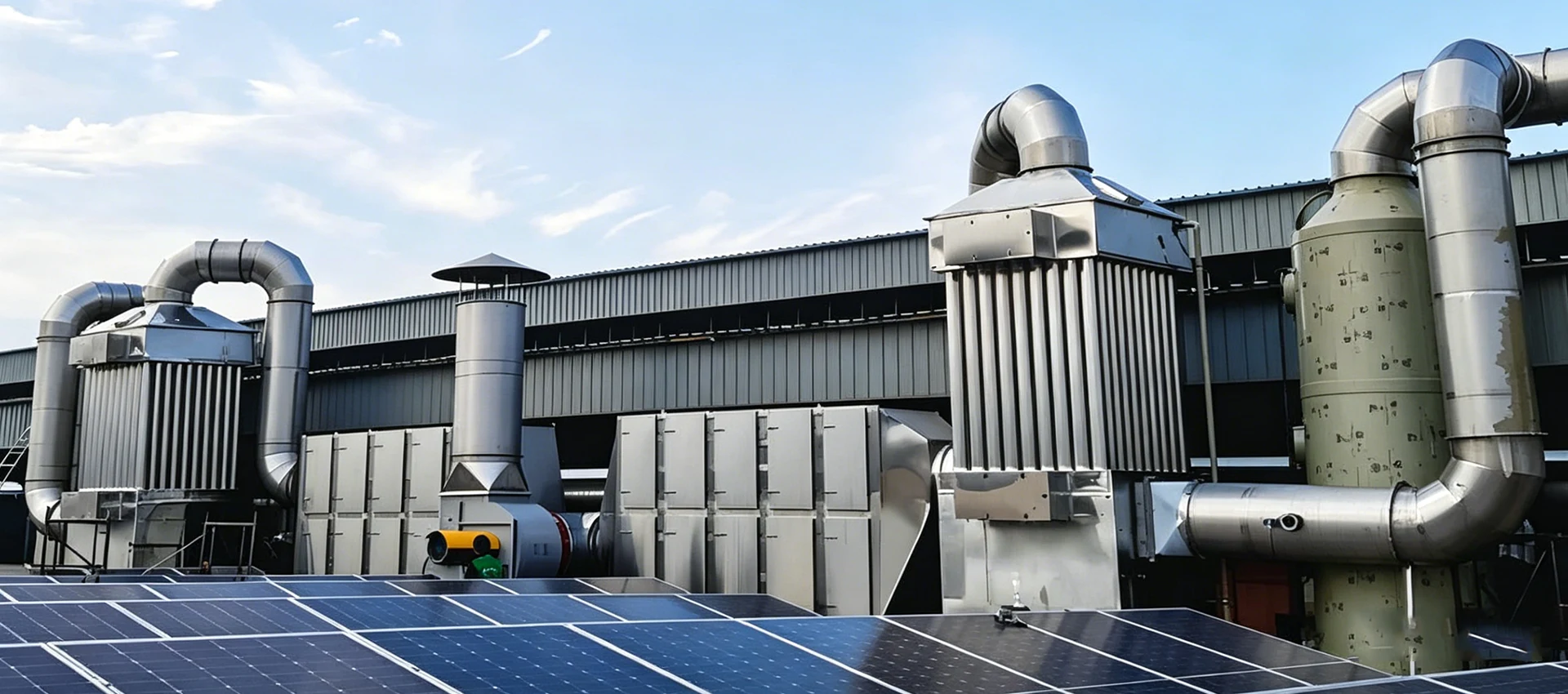
 Industrial VOC Treatment: A Complete Guide to Methods, Cost, and Compliance
Industrial VOC treatment strips volatile organic compounds out of factory exhaust before it reaches the air. Six methods do most of the work: thermal oxidation (RTO), catalytic oxidation, adsorption, wet scrubbing, low-temperature plasma, and biological deodorization. Which one fits comes down to your VOC concentration, airflow, and temperature. Our RTO hits a 99%+ VOCs removal rate at 95%+ heat recovery.
 29 2026-04
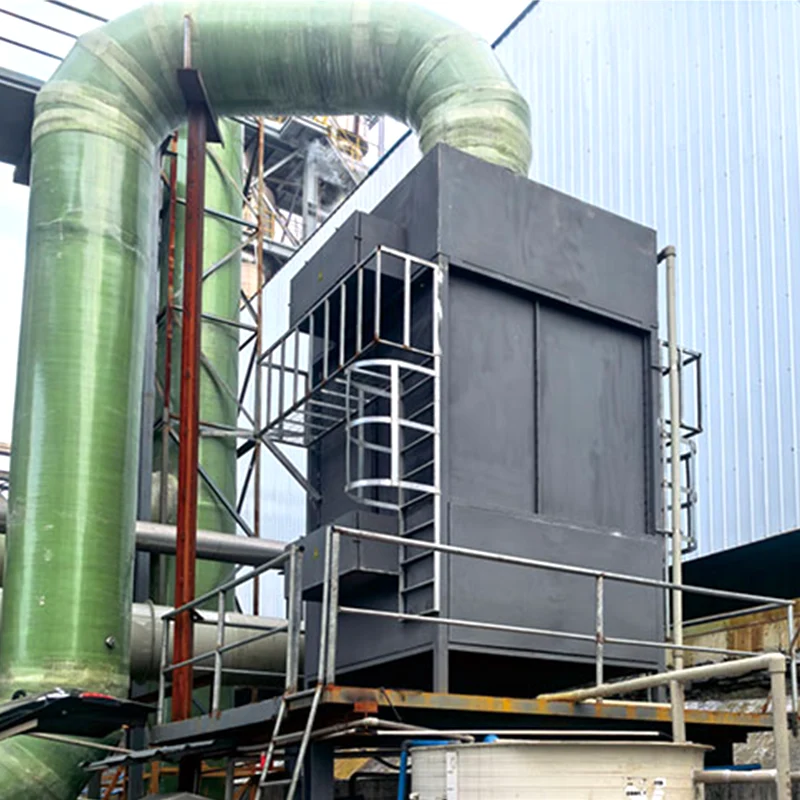
 What is a three acid waste gas treatment system?
The three acid waste gas treatment system mainly adopts the combination process of "spray tower+wet electrostatic precipitator" to efficiently remove acidic gases and acid mist such as hydrochloric acid, sulfuric acid, nitric acid, etc., achieving ultra-low emissions.
 29 2026-04
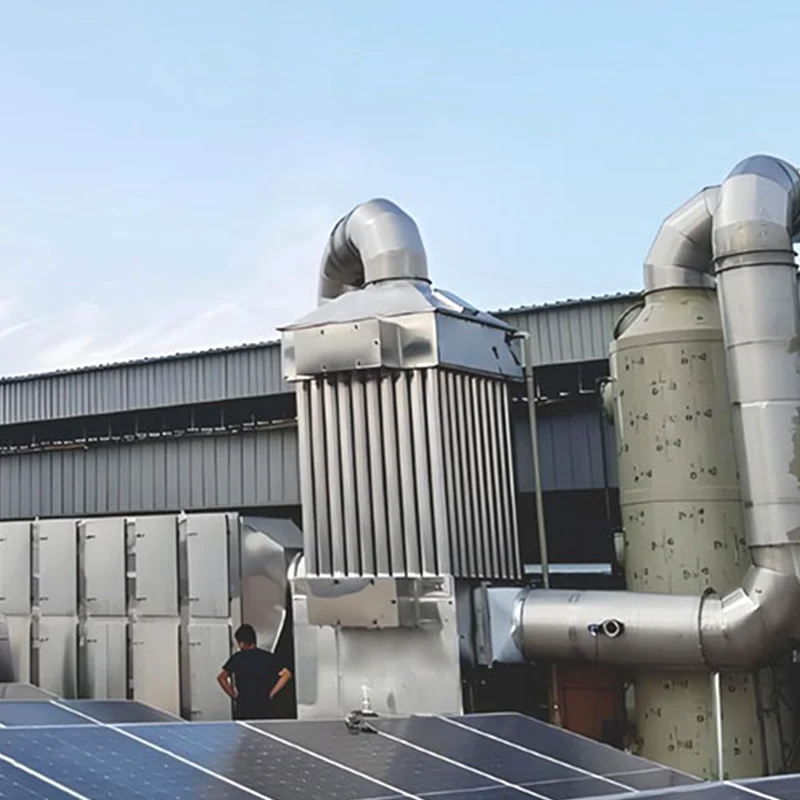
 What is the treatment of organic waste gas from a thermal turbine?
The main components of organic waste gas from the hot forging machine are oil mist, volatile organic compounds (VOCs), particulate matter, and odorous gases. Its treatment requires the use of a "multi-stage purification+combined process" to achieve efficient emission control.
 29 2026-04
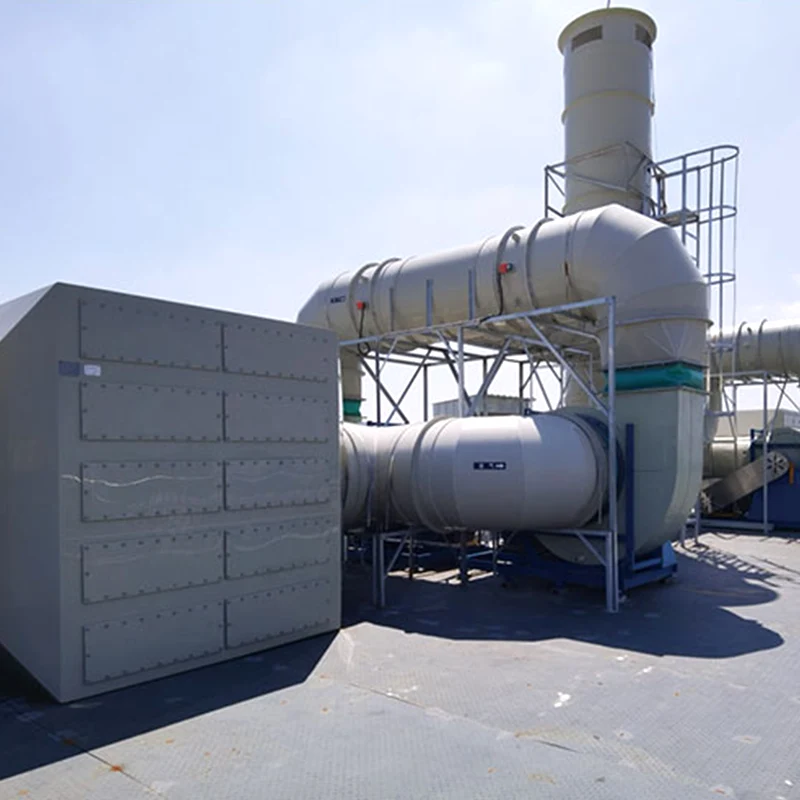
 What is photovoltaic organic waste gas treatment?
The treatment of photovoltaic organic waste gas mainly adopts the combination process of "adsorption concentration+catalytic combustion" or "zeolite wheel+RTO" to efficiently remove VOCs pollutants such as non methane total hydrocarbons and organic solvent volatiles produced by EVA pyrolysis.
 29 2026-04
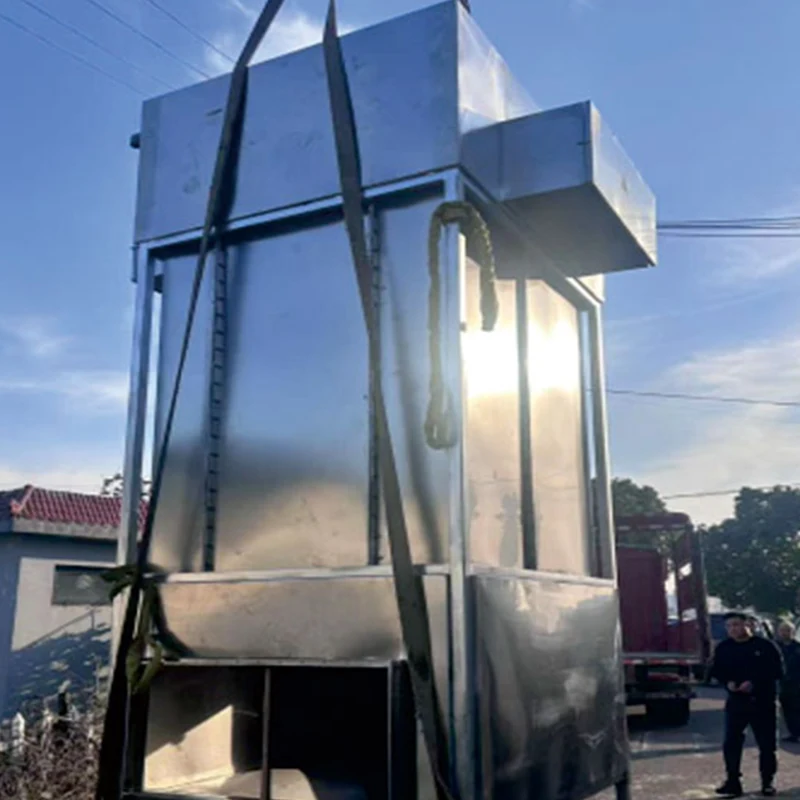
 What Complete Process Effectively Treats Complex Quenching Waste Gas Containing Oil Mist, VOCs and Particulates?
The main components of quenching process exhaust gas are oil mist, volatile organic compounds (VOCs), particulate matter, nitrogen oxides, and hydrocarbons. The treatment plan usually adopts a combination of "pretreatment+core purification+deep treatment" process.